
Island guide
Gran Canaria
Gran Canaria is round, which sounds like a trivial fact until you drive it: forty minutes from the capital's grey Atlantic swell you are in pine forest at a thousand metres, and another forty gets you to a desert of dunes that would not look out of place in the Sahara.
Plan your Gran Canaria trip
Live prices from our booking partners.
Guests & rooms
Free cancellation on many rooms. We may earn a commission when you book.
An insider’s read on Gran Canaria
The Guanches who lived here before 1483 left more than museum pieces. The cave granaries at Cenobio de Valerón and the terraced barrancos still farmed today are their direct legacy, and the island's cuisine, built on gofio and goat cheese, descends straight from their diet. The Spanish conquest was brutal and comparatively late by imperial standards, and Las Palmas de Gran Canaria was founded in 1478 specifically as a military and supply base for finishing it.
That port role never really stopped. Columbus stopped here in 1492 to repair a ship before crossing the Atlantic, and the city spent the following four centuries as a resupply point for ships bound for the Americas, then as a coaling station for steamships, then as a major fishing and cargo port trading with West Africa. That maritime economy pulled in Spanish mainlanders, British merchants and African traders in roughly equal measure, and the mixed, slightly outward-facing character of Las Palmas today, ninety miles from the African coast and a thousand miles from Madrid, comes directly from it.
The south coast has none of that depth, and it shows. Maspalomas and Playa del Inglés were semi-desert and banana plantation until the 1960s, when the Franco-era tourism drive and cheap charter flights turned them into resort infrastructure almost overnight. The island now runs two timelines side by side: a capital still working through its colonial and maritime past, and a southern coast whose entire identity was built in under sixty years for people who never meant to stay.
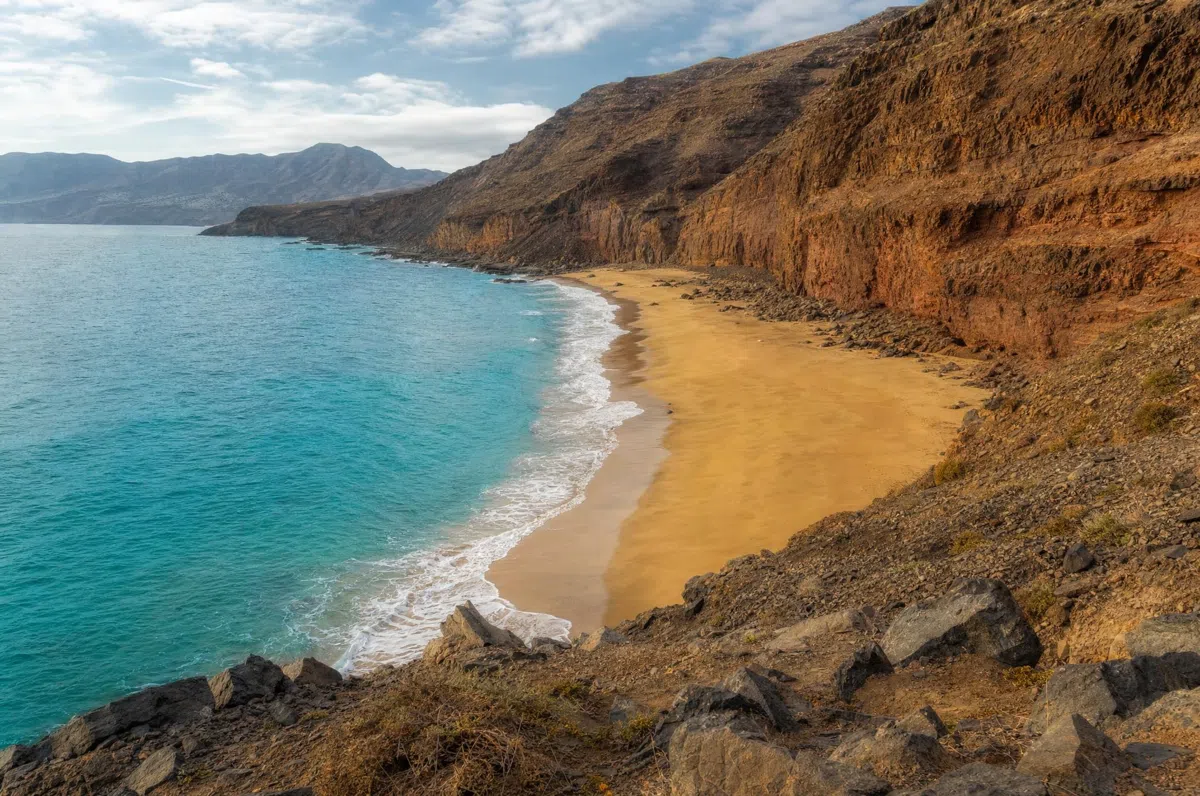
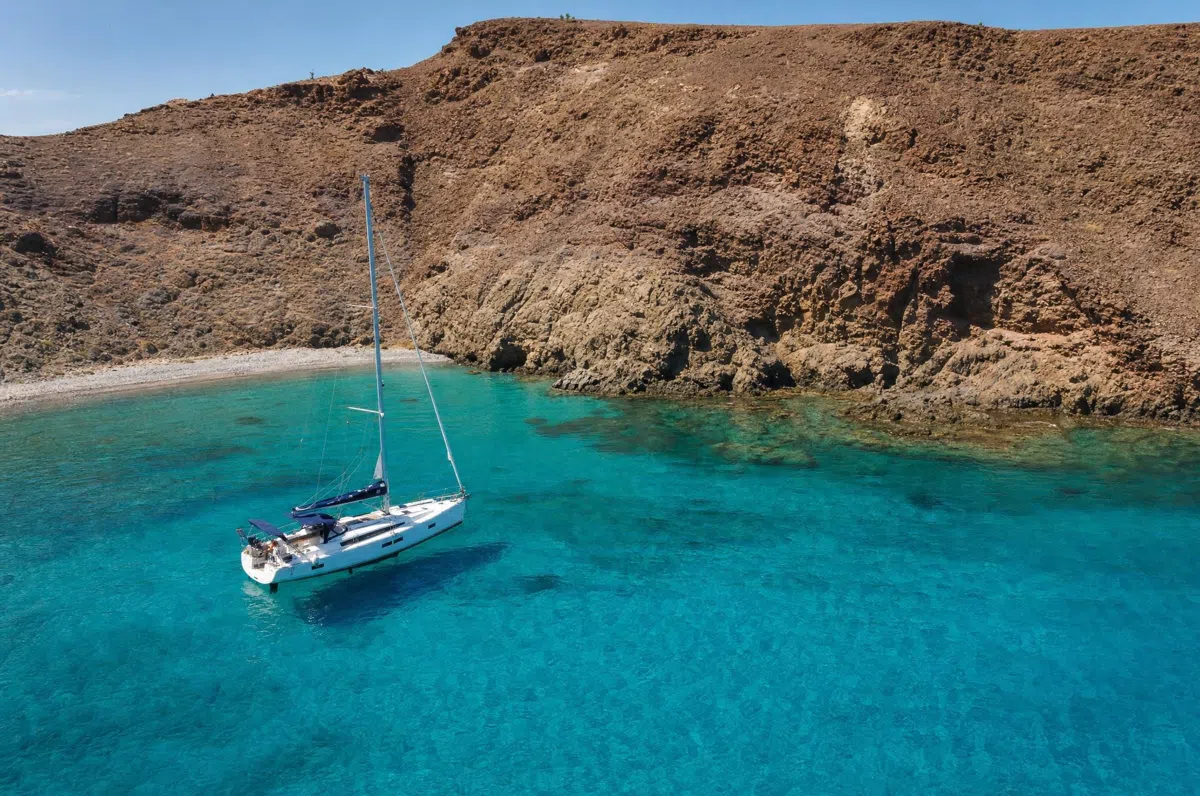
Locals call it a miniature continent and mean it literally, not as a slogan.
From our Gran Canaria guide
Twelve neighbourhoods, twelve ways to stay
Pick the neighbourhood first and the trip follows. Each one opens its own guide, with the hotels inside it.
Vegueta & Triana (Las Palmas)
Travellers who want history and walkability over beach access; the trade-off is you're a bus ride or a long walk from the sand, and it's less of a scene after dark than the beach district.
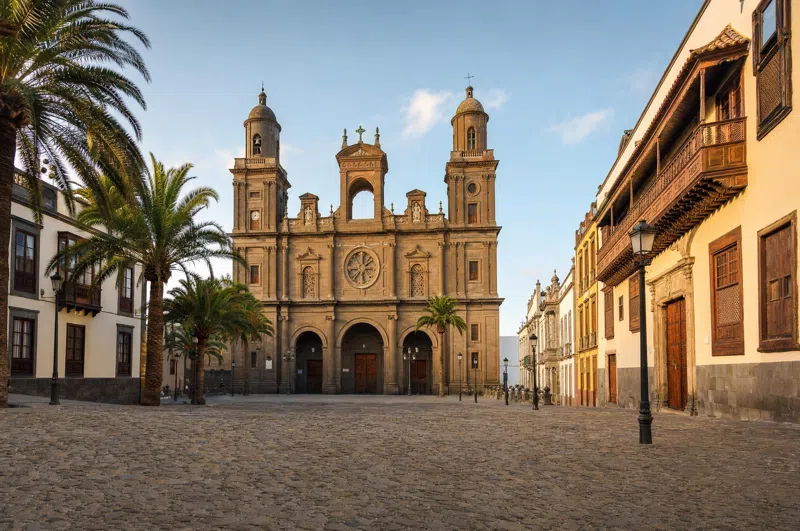
The old town where the city was founded in 1478: cobbled lanes, a working morning market, a cathedral, and the colourful Art Nouveau facades of Triana's main shopping street next door. Quiet by day apart from the market crowd, livelier on Thursday tapas nights when locals outnumber visitors in the bars.
Where to stay Small guesthouses and boutique hotels inside restored historic buildings; expect character and narrow streets over space or parking.
Stay in Vegueta & Triana (Las Palmas)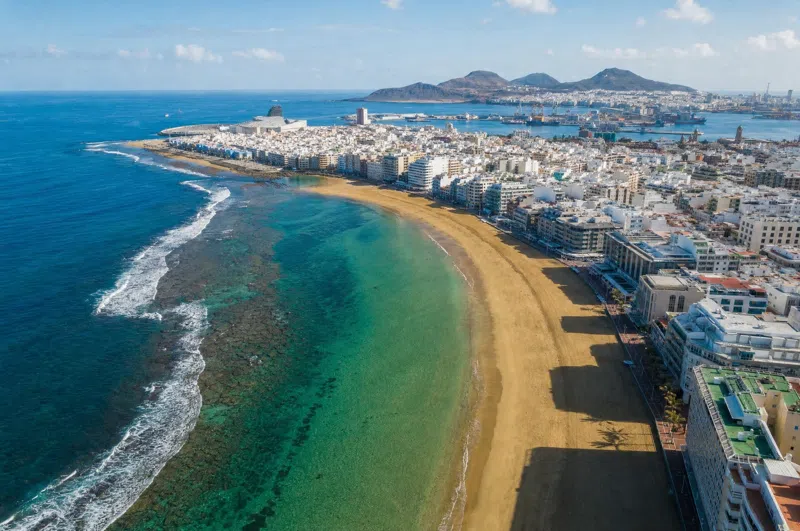
Las Canteras & Guanarteme (Las Palmas)
Anyone who wants a real city with a genuine beach on the doorstep, including longer-stay visitors and remote workers; less suited to those chasing nightlife intensity, which is thinner here than in the south.
The capital's beach district, built around three kilometres of calm, reef-protected city beach that rivals any resort's sand without the resort price tag. Guanarteme behind it is residential, youngish, and full of everyday cafés rather than tourist menus.
Where to stay Mid-range hotels and short-let apartments a short walk from the promenade; book ahead in summer when the beach draws both tourists and islanders.
Stay in Las Canteras & Guanarteme (Las Palmas)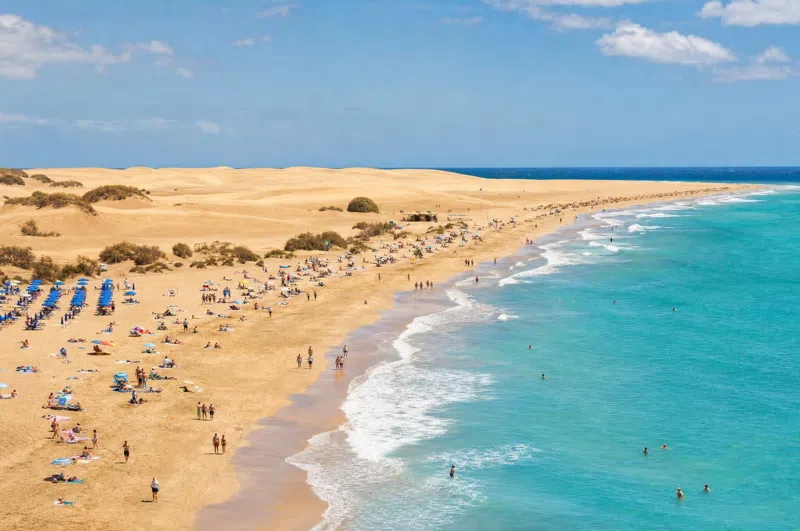
Playa del Inglés
Visitors who came for nightlife and company, especially the LGBTQ+ scene; a poor fit for anyone wanting quiet nights or a local feel.
The island's biggest, loudest resort strip, built around the Yumbo Centre's day-to-night transformation from shopping arcade to one of Europe's longest-running LGBTQ+ nightlife hubs. Dense hotel blocks, multilingual menus, and crowds well past midnight on weekends.
Where to stay High-rise resort hotels and apartment complexes a short walk from the Yumbo Centre; rooms closer to the centre trade quiet for convenience.
Stay in Playa del InglésComing soon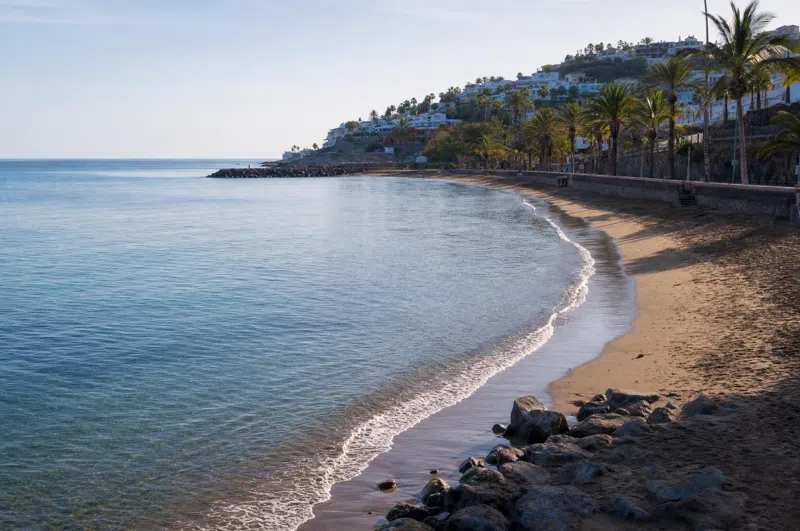
San Agustín
Families and couples who want resort infrastructure without the Yumbo Centre's volume; those wanting an active nightlife scene should base themselves next door instead.
The older, calmer resort next door to Playa del Inglés, with a darker-sand beach, a residential feel and far less noise once the sun goes down. Feels like the grown-up relative of the strip next door.
Where to stay Established mid-range hotels, several with casino or spa facilities, set back from a quieter seafront.
Puerto Rico & Amadores
Families with young children, thanks to the sheltered water and wind-protected microclimate; not the place for independent travellers wanting local atmosphere.
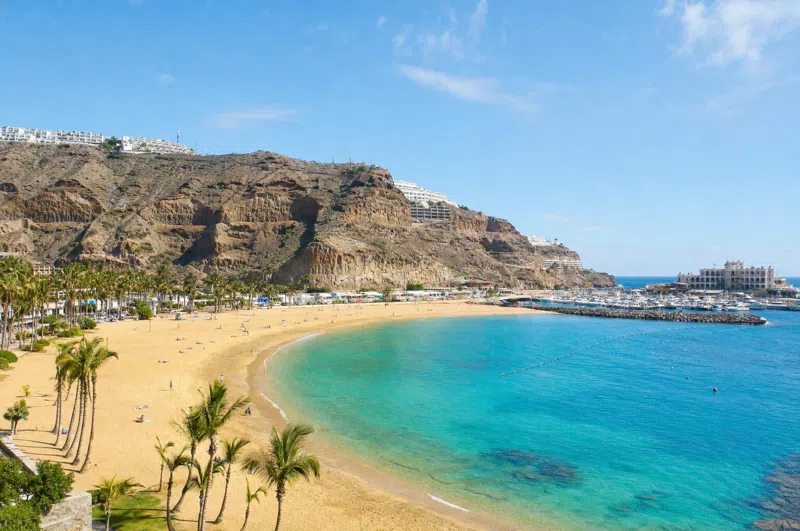
A marina-centred resort cluster sheltered from the island's wind by the surrounding mountains, with Amadores' imported golden sand next door giving it one of the calmest, most family-friendly beaches on the south coast.
Where to stay Apartment resorts and family hotels close to the marina and the beach shuttle to Amadores.
Stay in Puerto Rico & Amadores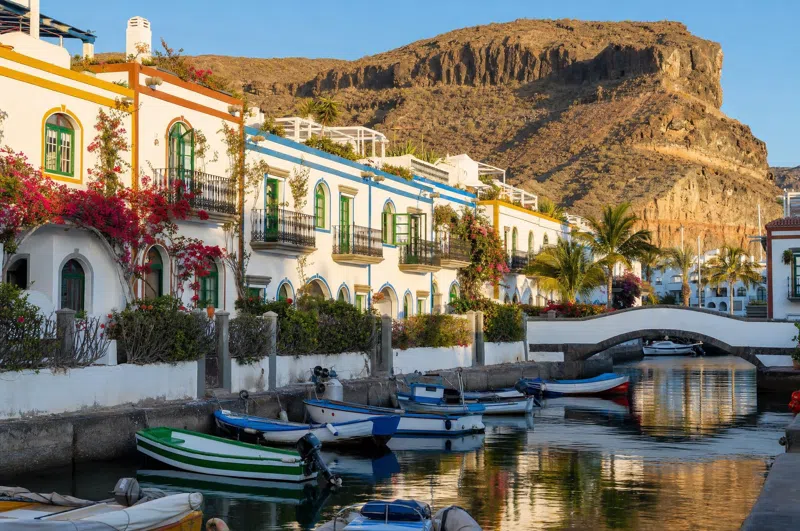
Puerto de Mogán
Couples and older travellers wanting resort comfort without high-rise scale; it's a long way from the airport and from Las Palmas, so day-tripping elsewhere eats into your day.
A former fishing village turned into the south coast's prettiest resort, nicknamed Little Venice for its canals and footbridges. Smaller-scale than the mega-resorts, with a genuine working harbour and a Friday market that still pulls locals.
Where to stay Boutique hotels built around gardens and pools rather than towers, generally smaller and quieter than elsewhere on the south coast.
Stay in Puerto de Mogán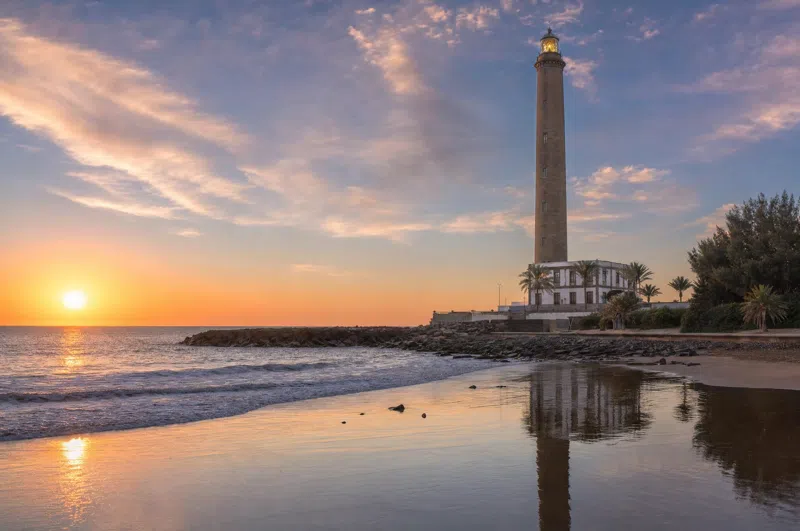
Maspalomas & Meloneras
Travellers wanting the dunes and a beach walk on one side and genuine luxury hotels on the other; it's spread out and car-or-taxi dependent for anything beyond your hotel.
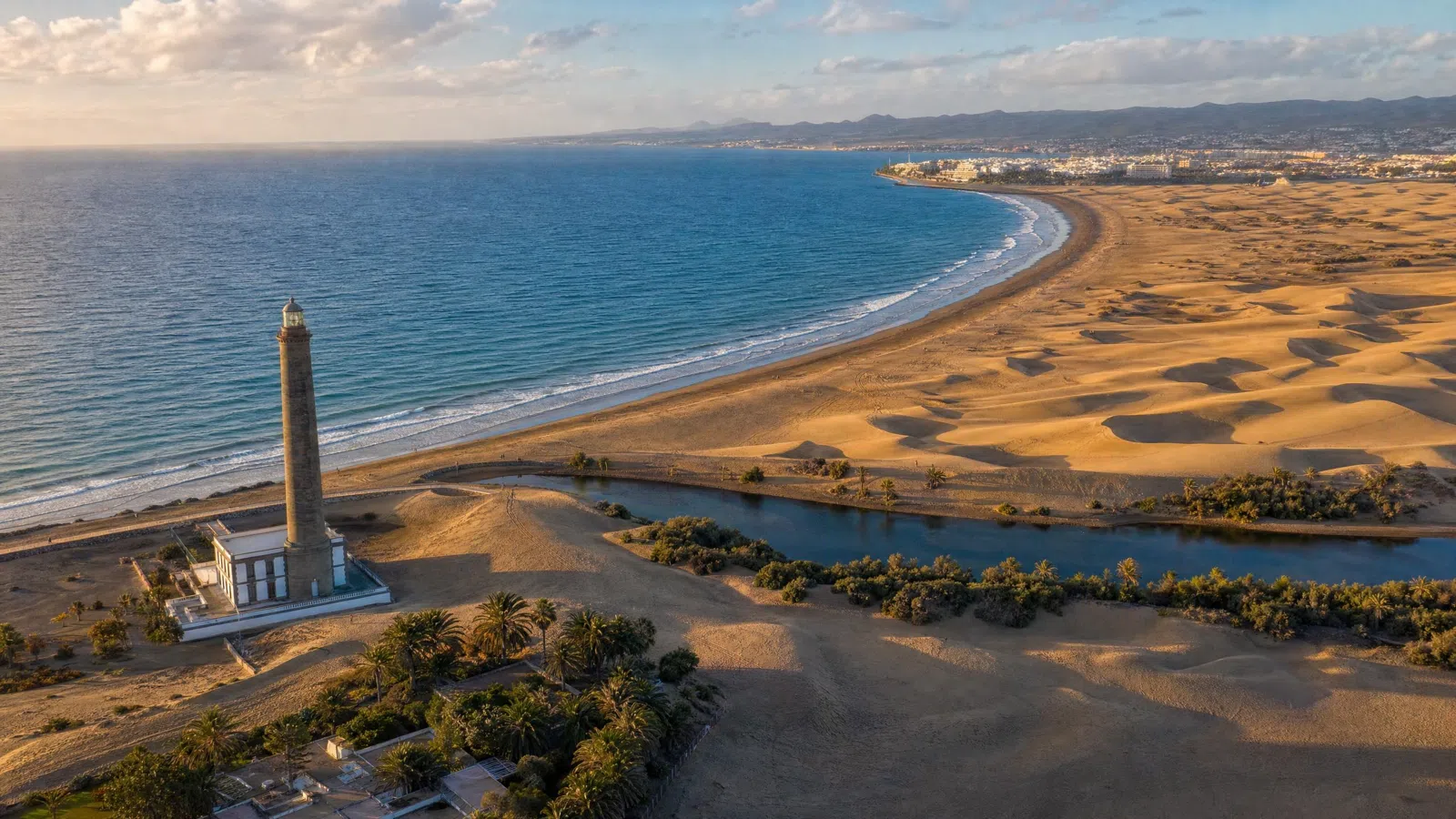
Maspalomas proper centres on its lighthouse and the vast dune nature reserve behind it; Meloneras next door is the glossier, newer strip of five-star resorts, designer shopping and upscale dining built specifically to sit apart from Playa del Inglés's budget crowd.
Where to stay The island's highest concentration of five-star resorts sits in Meloneras, with golf-adjacent hotels further inland around Maspalomas itself.
Stay in Maspalomas & Meloneras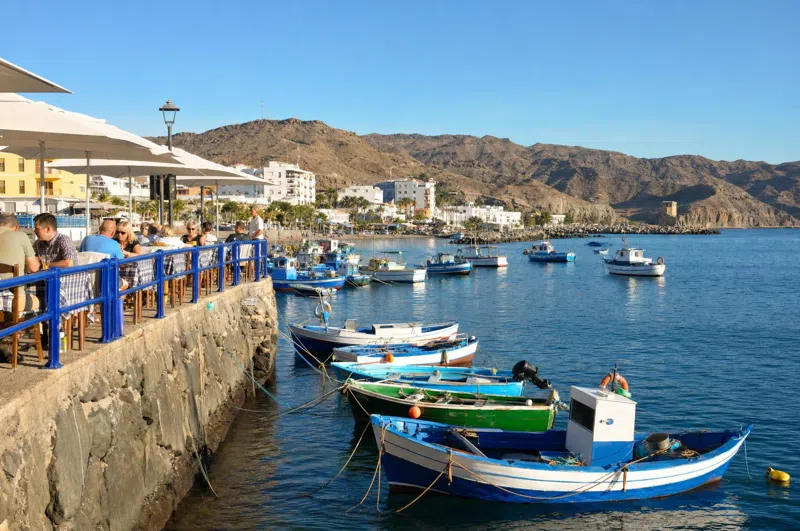
Arguineguín
Travellers wanting a real town with resort-adjacent convenience and honest, cheap fish; not for anyone wanting resort facilities on-site.
A working fishing town that still lands its own catch, with a popular Tuesday street market and a beach-bar scene built around fresh seafood rather than cocktail menus. Less polished than the purpose-built resorts either side of it.
Where to stay Simple apartments and small hotels rather than large resorts; most visitors base elsewhere and come for the market and the fish.
Stay in Arguineguín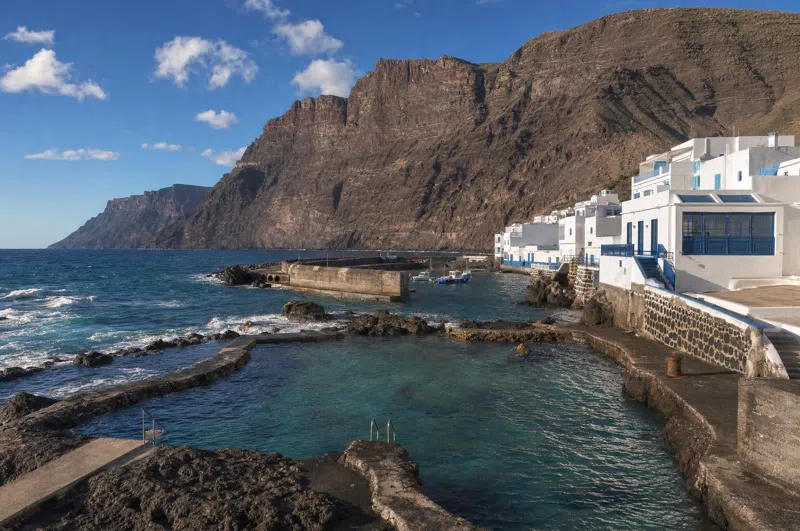
Agaete & Puerto de las Nieves
Travellers wanting the island's most authentic coastal town, with no high-rise development and genuinely local restaurants; the trade-off is no sandy beach and a long drive from the south coast resorts.
The northwest coast's green, steep-sided answer to the dry south: a whitewashed inland town backed by a valley growing coffee, one of only a few spots in Europe that does, next to a small, old-fashioned fishing harbour with a 17th-century hermitage.
Where to stay A handful of small guesthouses and rural hotels in the valley; most visitors come as a day trip rather than basing here.
Stay in Agaete & Puerto de las Nieves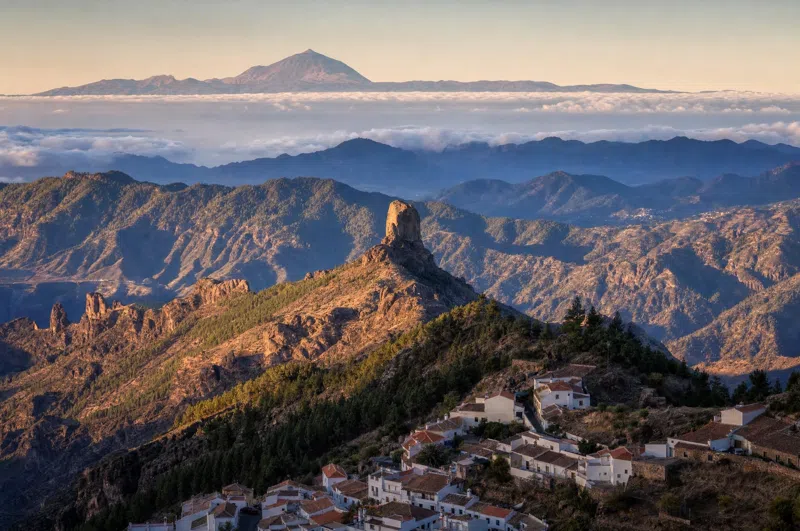
Tejeda
Hikers and anyone wanting to feel the island's cooler, quieter side; it's a serpentine mountain drive from the coast in any direction, so it rewards staying rather than a rushed day trip.
A whitewashed mountain village perched above its own volcanic caldera, with direct views to both Roque Nublo and Roque Bentayga. One of Spain's officially recognised prettiest villages, and the natural base for hiking the island's high interior.
Where to stay A few small rural hotels and guesthouses with caldera views, modest in scale compared to the coast.
Stay in Tejeda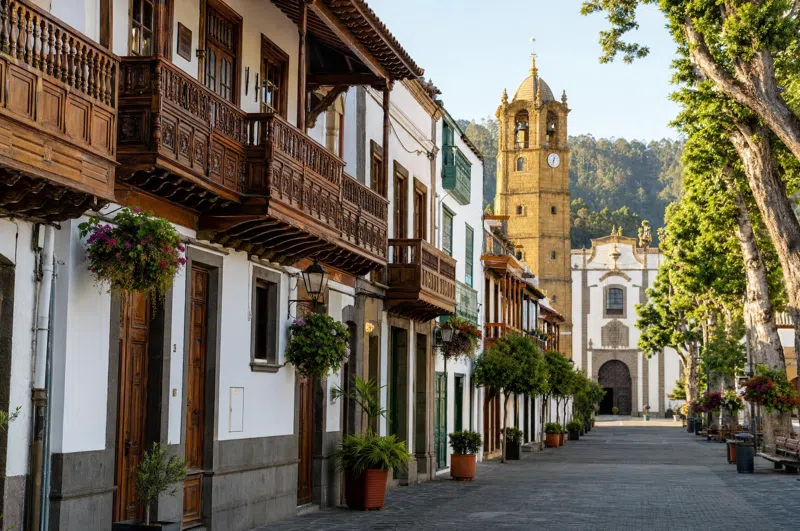
Teror
Travellers wanting a genuine slice of island life on a day trip; there is little reason to base an overnight stay here.
An interior market town built around a basilica and a Sunday market that draws islanders, not tourists, for local vegetables, cakes and Teror's own spiced chorizo. Traditional Canarian wooden balconies line the main square.
Where to stay Very limited; this is a day-trip town, not a base.
Stay in Teror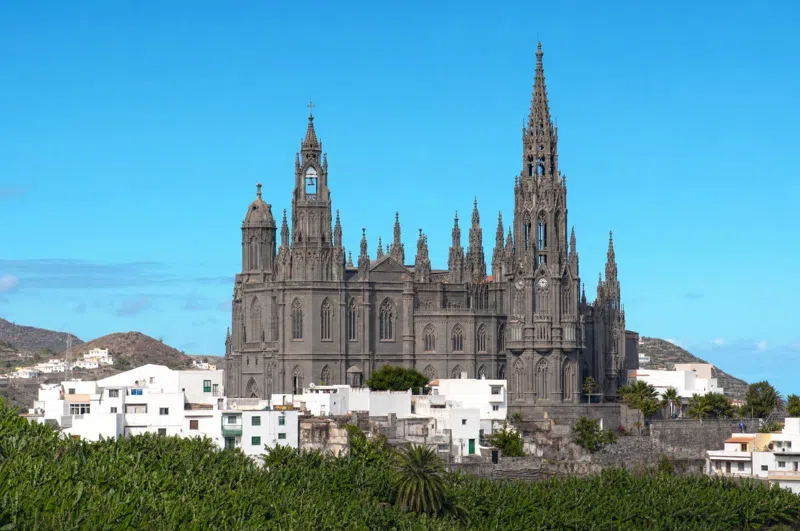
Arucas
A worthwhile half-day stop for architecture and the rum factory; not a place to base a stay.
A northern town known for its Neo-Gothic basilica carved from local volcanic stone and for Ron Arehucas, the island's long-running rum distillery, set among banana plantations.
Where to stay Minimal tourist accommodation; treat it as a day trip from Las Palmas or the north.
Stay in ArucasBook before you land
Top-rated tours and tickets in Gran Canaria, with live prices from Viator.

70s Buggy ride in Gran Canaria.
from $255

Discover Scuba diving in Gran Canaria with Hotel Pick-up
from $102

Private Excursion The mountains of Gran Canaria for 2 to 4 people
from $326

Custom Private & VIP Highlights Tour of Gran Canaria
from $1138

Jetski Tour in Maspalomas - Unlicensed - Guided Experience
from $148

2 Hour Stand Up Paddle Lesson in Gran Canaria
from $61

Aerial Yoga Experience in Maspalomas, Spain
from $40

Gran Canaria: Small Group Sup Yoga Experience.
from $46
Prices from Viator; we may earn a commission when you book — at no extra cost to you. Tours are sold and operated by Viator, the merchant of record. Ratings are collected by Viator and Tripadvisor.
Book direct
Book a hotel in Gran Canaria
Loading live availability and real-time prices…
The Gran Canaria guide
Where to eat, drink and look, how to get around, and what locals expect of you. Open any chapter.
Where to eat
Dining
Bevir
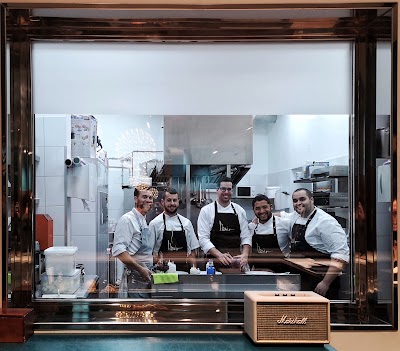
The island's Michelin-starred address, built around tasting menus named after novels by local writer Benito Pérez Galdós and sourcing roughly nine-tenths of its ingredients from Canarian soil and the surrounding Atlantic.
Signature: the Fortunata y Jacinta tasting menu
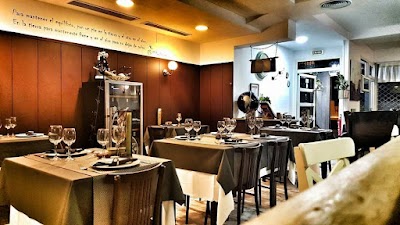
El Equilibrista 33
A Michelin Bib Gourmand kitchen where chef Carmelo Florido reworks Canarian tradition with real technical ambition rather than nostalgia, in a modern dining room that matches the cooking.
Signature: ceviche canario and carajacas
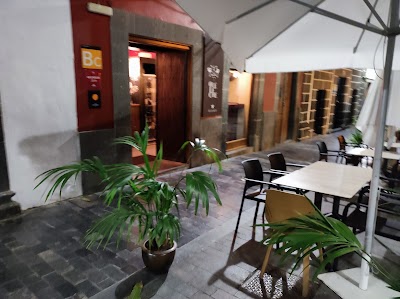
Qué Leche
A tiny, hard-to-book room run by Venezuelan chef Jennise Ferrari, fusing Canarian ingredients with Mexican and Asian technique into small, intensely worked plates built for sharing.
Signature: the duck dish regulars call the chef's masterpiece
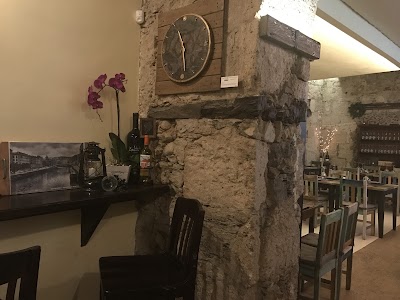
El Vasco de Vegueta
A long-standing fixture in the old town blending Basque technique with Canarian ingredients, known among regulars for its port-braised pork cheeks and cod omelette.
Signature: carrilleras de cerdo al vino
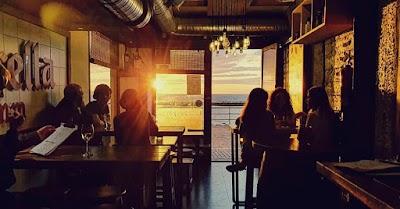
Toma Pan y Moja
A terrace locals half-jokingly call the city's living room, built around ropa vieja and papas arrugadas con mojo and one of the better sunset views over the old town.
Signature: ropa vieja
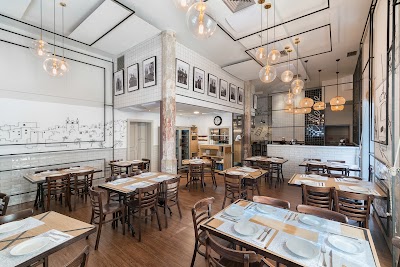
Allende Triana
A contemporary room reworking Canarian classics into sharing plates, popular enough with locals that bread and queso herreño get singled out as highlights alongside the mains.
Signature: queso herreño with gyoza-style sharing plates
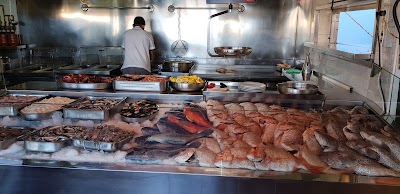
Amigo Camilo
An old-school, rustic fish house on the waterfront near Las Canteras where you pick your own seafood from the counter before it's cooked; regulars rate the lobster and the small fried octopus.
Signature: pulpo frito and whole grilled fish by weight
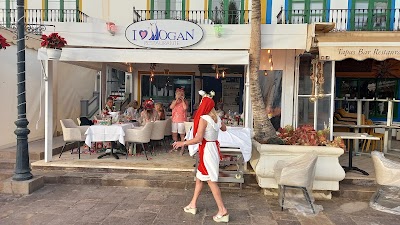
I Love Mogán
A harbourside spot built for watching the sunset over the marina while working through daily catch-of-the-day dishes rather than a fixed menu.
Signature: baked wild fish of the day
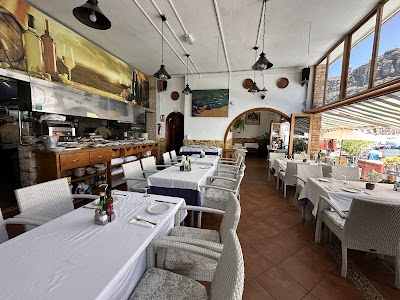
Cofradía de Pescadores Mogán
Run out of the local fishermen's association building, this is as close to the source as a visitor gets: popular with islanders for honest prices on fish that came off the boats that morning.
Signature: fresh seafood paella
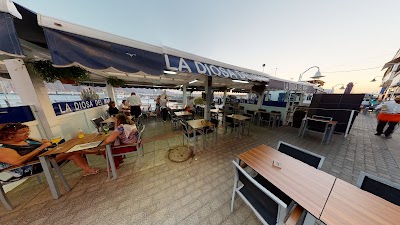
Restaurante Terraza Sidrería La Diosa del Mar
A harbourfront terrace in the northwest's prettiest fishing port, built on fish soups and seafood paella eaten within sight of the boats that supplied them.
Signature: fish soup and seafood paella
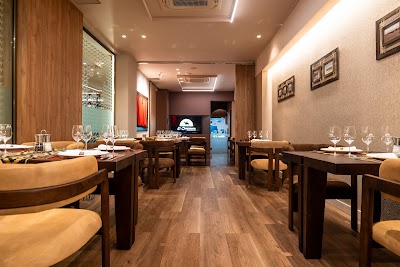
El Churrasco Las Palmas
An Argentine-style asador that has been grilling cuts over charcoal for more than two decades, trading on consistency rather than novelty.
Signature: Argentine-cut churrasco
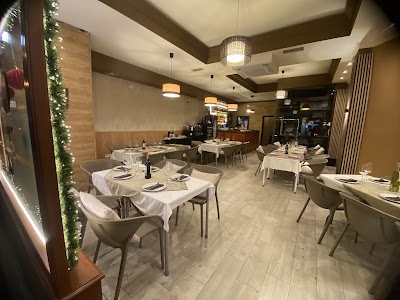
D'Brasas Grill
A small, unshowy charcoal grill using techniques passed down through the owners' family, popular with locals tired of tourist-menu restaurants nearby.
Signature: charcoal-grilled half chicken
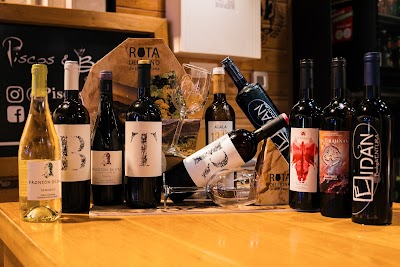
Piscos & Buches (Mercado del Puerto)
A stall inside the 1891 Gustave Eiffel-designed market hall serving Canarian classics like ropa vieja and croquettes at market prices, with live music on Sunday lunchtimes.
Signature: ropa vieja and watercress croquettes
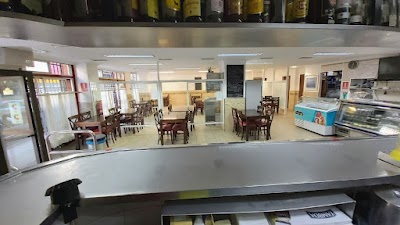
Restaurante Hermanos García
A no-frills local canteen behind Plaza de España running a genuine menú del día with up to six starter and main options, patronised almost entirely by locals on their lunch break.
Signature: pescado frito on the daily set menu
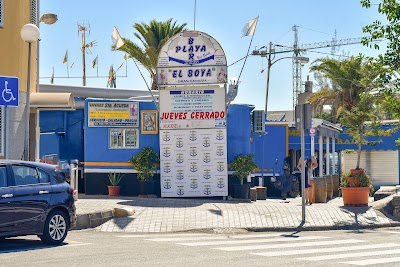
Bar Playa "El Boya"
A beach-bar institution so popular for cheap, fresh fish that it runs a numbered-ticket queue system at lunch; come early or expect to wait.
Signature: fried fresh fish by the kilo
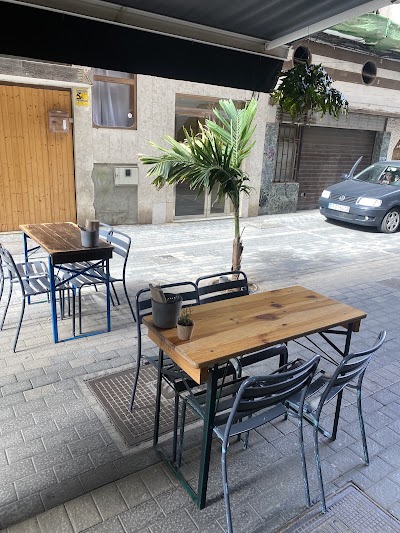
Café Luwak
A compact vegan and vegetarian café built around specialty coffee and weekend brunch, known for kitchen-made touches like jackfruit worked into a pulled-pork style filling.
Signature: weekend brunch with jackfruit 'pulled pork'
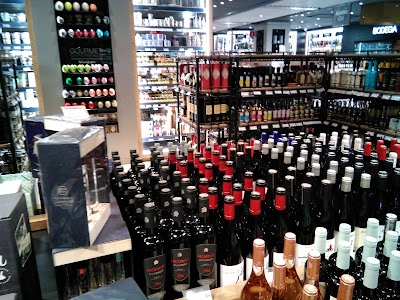
La Hierba Luisa
A fully vegan Italian kitchen run by an Italian couple, known among regulars for handmade filled pasta and a Thursday tapas night.
Signature: handmade vegan filled pasta
After dark
Nightlife
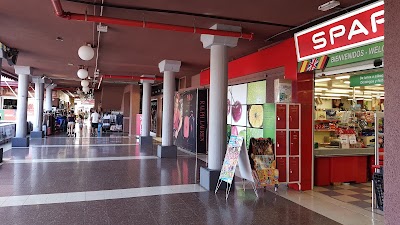
Yumbo Centre
A daytime shopping centre that turns into one of Europe's longest-running LGBTQ+ nightlife complexes after dark, with dozens of bars and clubs across several floors covering everything from drag cabaret to hard electronic sets.
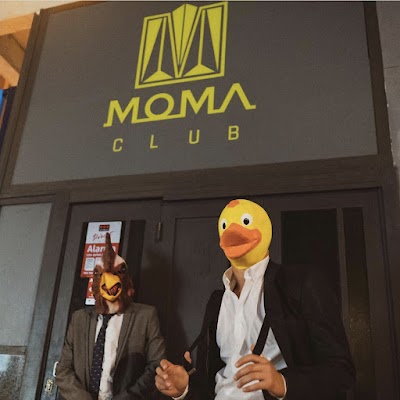
Moma Club
The capital's main electronic music room, running DJ sessions through to the small hours on Thursday, Friday and Saturday nights for a crowd that skews local over tourist.
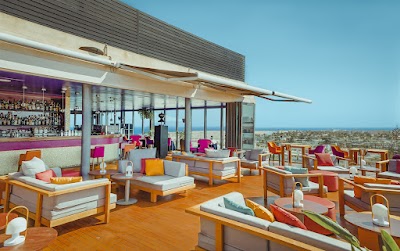
Atelier Cocktail Bar
The rooftop bar of a design-focused adults-only hotel, looking out over the Maspalomas dunes and the Atlantic, built for an evening drink rather than a late night out.
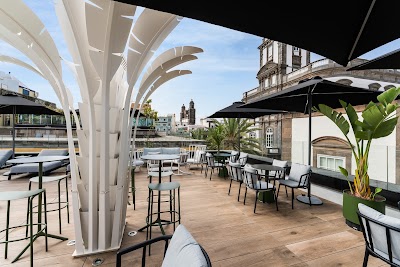
Rocktop La Peregrina
A rooftop terrace on top of an 18th-century mansion-turned-boutique-hotel in the old town, mixing history with a straightforward cocktail list and city views.
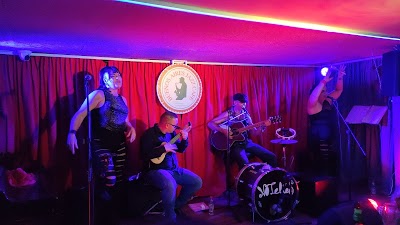
Buenos Aires Jazz Café
A jazz room built on Argentine and Canarian culinary and musical traditions, hosting regular concerts and jam sessions where local musicians come to sit in.
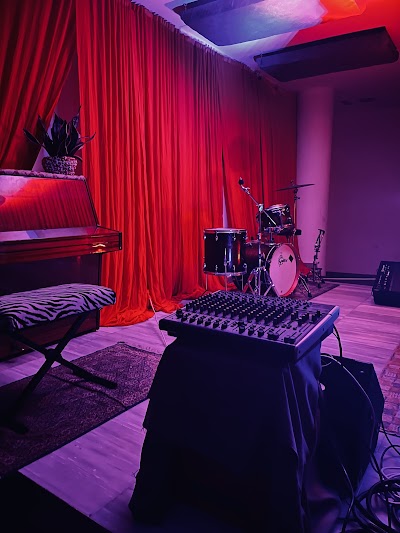
Sala Faro
A self-managed cultural space near the beach that has become a home for local artists, running jazz, blues, flamenco and singer-songwriter nights alongside occasional DJ sets.
Art & history
Culture
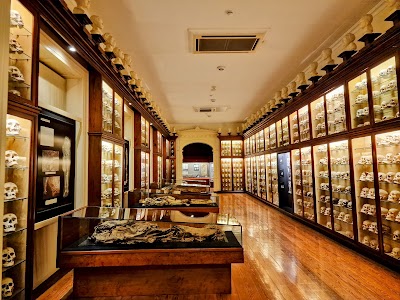
Museo Canario
Spain's leading collection on the pre-colonial Guanche population, with pottery, tools, jewellery and skeletal remains from a culture that farmed and herded on the island for a thousand years before 1483.
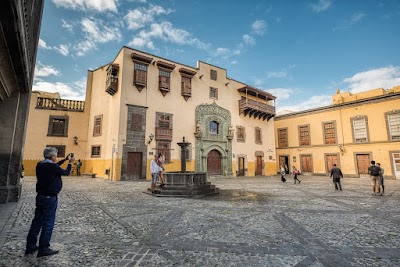
Casa de Colón
The former governors' residence where Columbus stopped to repair a ship in 1492, now covering the island's role in transatlantic navigation and its five centuries of Spanish and American ties.
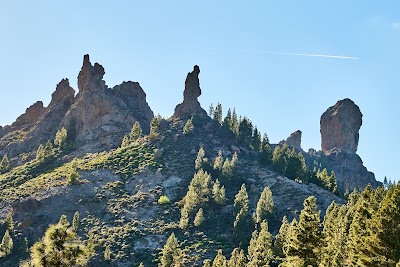
Roque Nublo
An 80-metre basalt monolith near the island's highest point, named for the clouds that frequently wreathe its summit and visible from much of the southern half of the island.
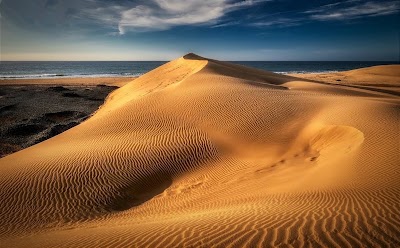
Dunas de Maspalomas
A protected nature reserve combining living sand dunes, a palm grove and a saltwater lagoon, directly behind the resort strip but under full environmental protection.
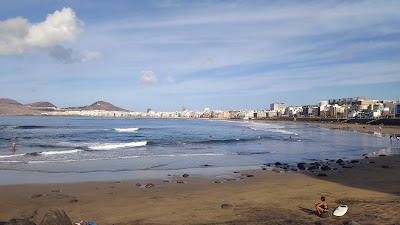
Playa de Las Canteras
A three-kilometre city beach protected along most of its length by La Barra, a limestone reef over 100,000 years old that keeps the water calm enough to swim year-round.
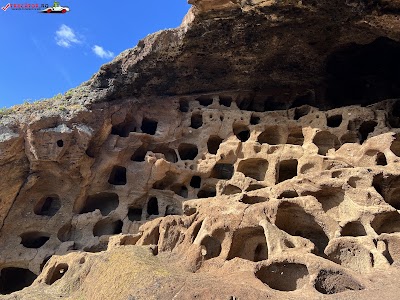
Cenobio de Valerón
A pre-Hispanic collective granary carved into a cliff face with close to 300 individual storage chambers, built and used by the Guanches for grain storage for centuries before the conquest.
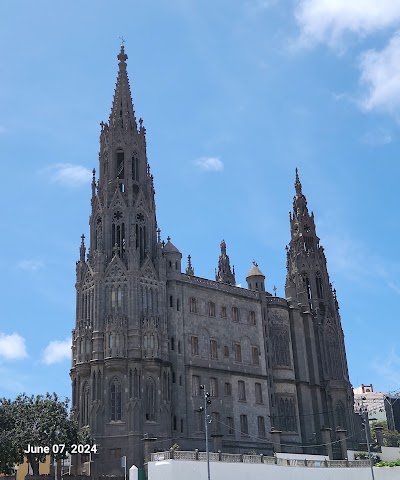
Church of San Juan Bautista (Arucas Cathedral)
A Neo-Gothic basilica built from local volcanic stone over nearly seven decades, the architectural centrepiece of the island's rum-producing north.
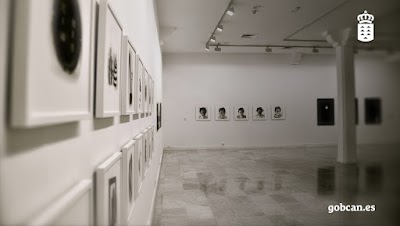
Centro de Arte La Regenta
A rotating-exhibition space running a steady programme of contemporary shows and artist residencies, less polished than CAAM but often showing more experimental local work.
Timing
When to visit
Winter (December-February)
Peak season on the south coast: northern Europeans fill Playa del Inglés and Maspalomas for winter sun, with daytime highs around 21°C and the sea cooler than summer. Las Palmas Carnival runs late January into March and brings crowds and noise to the capital. Light rain is more likely in the north and interior; the south stays largely dry.
Spring (March-May)
Good hiking weather in the interior before the summer heat sets in, with wildflowers in the ravines and comfortable midday temperatures. Easter week pushes domestic Spanish visitors onto the island and fills hotels in the resorts and inland villages alike.
Summer (June-August)
Hottest and driest months, with the south coast regularly over 28°C and the interior roads best tackled early morning. This is high season for beach time and watersports, and also when mainland Spanish families take their main holidays, so the south coast gets genuinely crowded. August 4th's Bajada de la Rama in Agaete is the big traditional festival.
Autumn (September-November)
The sea is at its warmest after the summer, crowds thin out from October, and this is a strong window for both beach time and hiking before winter's light rain returns to the north. Prices soften noticeably once the summer school holidays end.
What it costs
Budgeting
Logistics
Getting around
From the airport
Gran Canaria Airport (LPA) sits on the east coast, roughly equidistant from Las Palmas and the southern resorts. Line 60 runs to the capital in about 25 minutes; line 66 runs south to Maspalomas and Playa del Inglés in around 35 minutes, with Global buses departing from the Aeropuerto Sur Expres stop. A metered taxi to Las Palmas takes about 25 minutes; to the southern resorts, allow a similar or slightly longer run. There is no train link anywhere on the island.
Public transit
Global (Guaguas Global) runs the island's entire bus network, well over a hundred routes connecting the airport, Las Palmas and every resort town and interior village, though frequency drops sharply once you leave the main coastal corridors. The flagship routes, Las Palmas to Puerto de Mogán and Las Palmas to the Maspalomas lighthouse, run often and are the backbone for anyone staying without a car. Within Las Palmas itself, city buses (Guaguas Municipales) cover the urban sprawl between Vegueta, the port and the beach.
Passes & tickets
A rechargeable travel card sold at Global kiosks and some kiosks/newsstands gives a meaningful discount over single paper tickets and works across the whole island network; it is worth getting if you are making more than a couple of bus trips. There is no tourist-specific multi-day transit pass equivalent to a city metro card.
On foot
Las Palmas is genuinely walkable within Vegueta, Triana and the Las Canteras seafront, though the city stretches long and thin, so crossing between the old town and the beach district means either a decent walk or a short bus hop. The southern resorts are walkable within themselves, Playa del Inglés to Maspalomas along the dune boardwalk is a pleasant stroll, but they are not realistically walkable to each other or to anything inland. Interior villages are each walkable on foot once you arrive, but getting between them without a car means working around infrequent bus timetables.
Local etiquette
Safety & etiquette
- Lunch runs long and dinner starts late; don't expect a full menu if you arrive at a local restaurant at six in the evening.
- Tipping is appreciated but not expected; rounding up or leaving small change for good service is normal, a flat 10% is generous rather than standard.
- Many shops, especially outside the main resorts, close for a few hours in the early afternoon; plan errands around it rather than against it.
- Topless and nude sunbathing is common and accepted on specific beach zones, including parts of Maspalomas, but not assumed everywhere; follow the local norm on the beach you're on.
Travel smart
Practical tips
- Book interior village guesthouses and Puerto de Mogán's boutique hotels well ahead in spring and autumn, when both hikers and mainland Spanish holidaymakers compete for the limited rooms.
- If flying into LPA for a southern resort, take the direct line 66 bus rather than connecting through Las Palmas; it's a faster, cheaper, single journey.
- Carry small change and a card for bus fares and market stalls in the interior; some smaller local businesses outside the resorts are cash-preferring.
- Reserve tables at Qué Leche and other small, well-known Las Palmas kitchens days ahead; they are genuinely tiny and fill from locals before visitors even hear about them.
- If hiking Roque Nublo or anything in the interior in summer, start at or before sunrise; the exposed volcanic rock gets uncomfortably hot by late morning.
- Check Centro de Arte La Regenta's current exhibition online before visiting; its small, rotating programme means some weeks have nothing showing.
- Don't plan a day trip to Museo Néstor; it has been closed for renovation for years and isn't expected to reopen until around 2027-2028.
- If you want fresh fish at Bar Playa El Boya in Arguineguín, arrive before the lunch rush starts or expect a genuine wait for a numbered ticket.
Before you go
Gran Canaria FAQs
Do I need a car to see Gran Canaria properly?
If you want to see the interior, the mountain villages and the volcanic landscapes, yes, since bus connections there are slow and infrequent. If you're staying purely in Las Palmas or a single resort, you can manage comfortably without one.
Is the tap water safe to drink?
It meets EU safety standards but is largely desalinated seawater and often tastes poor; most visitors and many locals drink bottled water, less for safety than for taste and to avoid stomach upset while adjusting.
Which coast should I choose, north or south?
The south coast, around Maspalomas and Playa del Inglés, is reliably sunny and built entirely for resort tourism; the north, around Las Palmas, is a real working city with a cooler, cloudier climate and far more local character.
Is Gran Canaria good for a non-beach trip?
Yes; the interior's hiking, volcanic landscapes and mountain villages stand on their own, and a trip built around Las Palmas and the interior barely needs the beach at all.
How many days do you need?
A week lets you properly split time between Las Palmas, one resort base, and at least one trip into the interior; anything shorter means picking one register of the island and accepting you'll miss the others.
Is Playa del Inglés only for nightlife and younger travellers?
It's the island's nightlife hub and especially known for LGBTQ+ tourism, but the resort also runs plenty of calmer, family-oriented hotels; it's San Agustín next door, not Playa del Inglés itself, that's genuinely quiet.
Can I day-trip to another Canary Island?
Yes; Fuerteventura and Tenerife are both reachable by direct ferry from Las Palmas or Agaete, though the crossing times make an overnight stay more comfortable than a rushed single day.
Is it worth visiting during Carnival?
If you want to see the island's biggest cultural event, yes, but expect crowded hotels, higher prices and a loud, late capital city rather than a relaxed beach holiday during the main carnival weeks.