
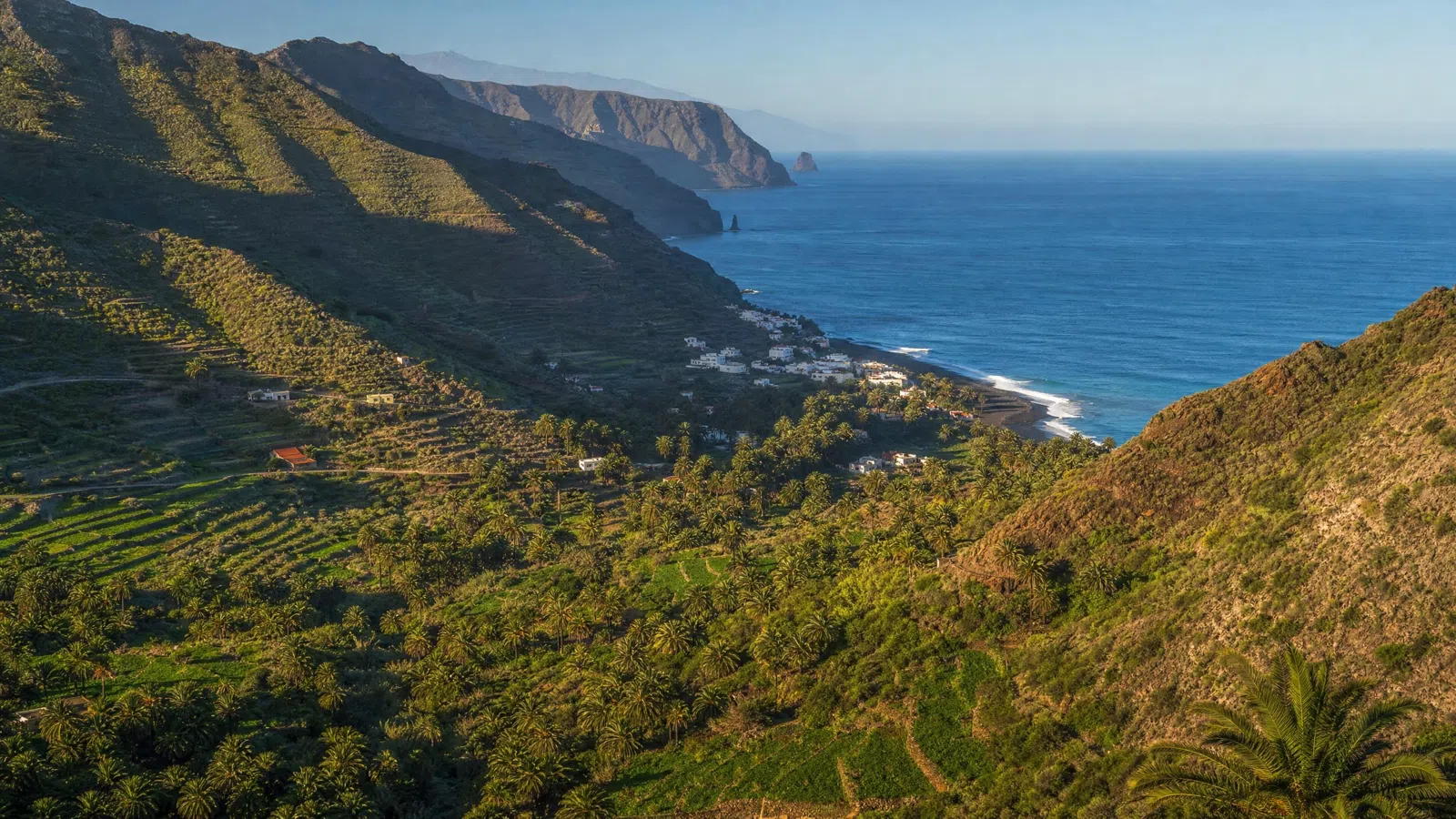
Island guide
La Gomera
La Gomera is the island the ferry schedule decides for you.
Plan your La Gomera trip
Live prices from our booking partners.
Guests & rooms
Free cancellation on many rooms. We may earn a commission when you book.
An insider’s read on La Gomera
La Gomera's defining trait is isolation, and it was isolation long before tourism made it a selling point. Deep barrancos split the island into pockets that historically had no direct path between them, which is why Silbo Gomero, a whistled form of Spanish, developed here: a whistle carries across a ravine where a shout and a footpath cannot. UNESCO recognised it as intangible heritage in 2009, and it is still taught in island schools today, not revived for visitors but kept alive because it still works.
The island's other inheritance is Columbus. He took on water, wine and the company of a Gomeran noblewoman here in 1492 before his final crossing, and three small museums in San Sebastián still trade on that one stopover. The Guanche population that predated him left cave sites and place names but almost nothing else; Castilian conquest and sugar, then cochineal, then banana economies reshaped the island repeatedly, and depopulation to Venezuela and Cuba in the 20th century emptied whole valleys that have never fully refilled.
What that history leaves behind is a working island rather than a themed one. San Sebastián runs on the port and the Cabildo offices; Hermigua still has banana terraces worked for a living, not for a photo. Valle Gran Rey is the exception, built out by long-stay northern Europeans from the 1970s onward, and it shows: more English and German spoken, more yoga timetables pinned to hostel doors, a slower, barefoot pace that the rest of the island doesn't share and doesn't try to.
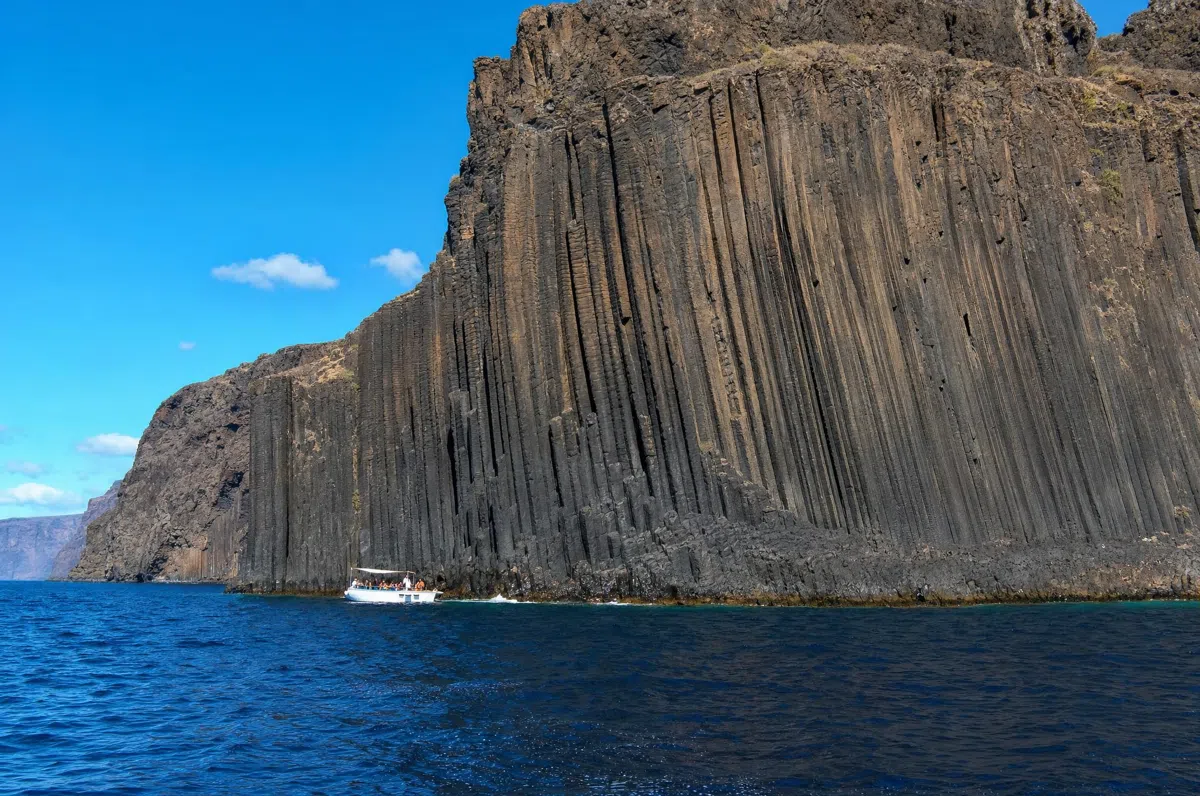
There is no direct flight from mainland Europe, so almost everyone arrives on a fast boat from Los Cristianos
From our La Gomera guide
Eight neighbourhoods, eight ways to stay
Pick the neighbourhood first and the trip follows. Each one opens its own guide, with the hotels inside it.
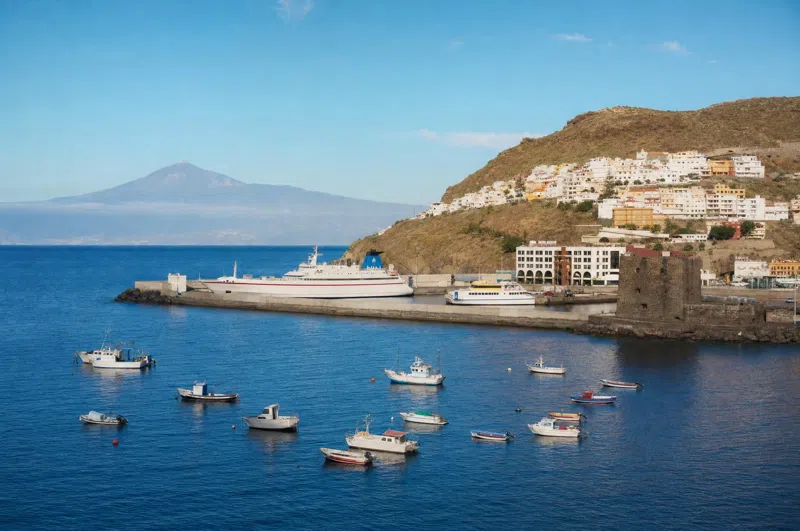
San Sebastián de La Gomera
Good for a first and last night either side of the ferry, for anyone who wants real town life over resort amenities, and for access to the airport and most bus routes. It's not the place for beach lounging - the swimming here is secondary to the port.
The island's working capital and ferry port, built around a black-sand town beach, a core of narrow lanes off Calle Real, and the Columbus-era sites clustered within a few minutes' walk of each other. It feels administrative rather than resort-like: offices, fishing boats, a harbour-front square that fills with locals in the evening more than tourists.
Where to stay The historic Parador sits on the clifftop above town for travellers wanting character and a pool; smaller in-town guesthouses and the Cactus Coliving hostel cover the budget end right by the port.
Stay in San Sebastián de La Gomera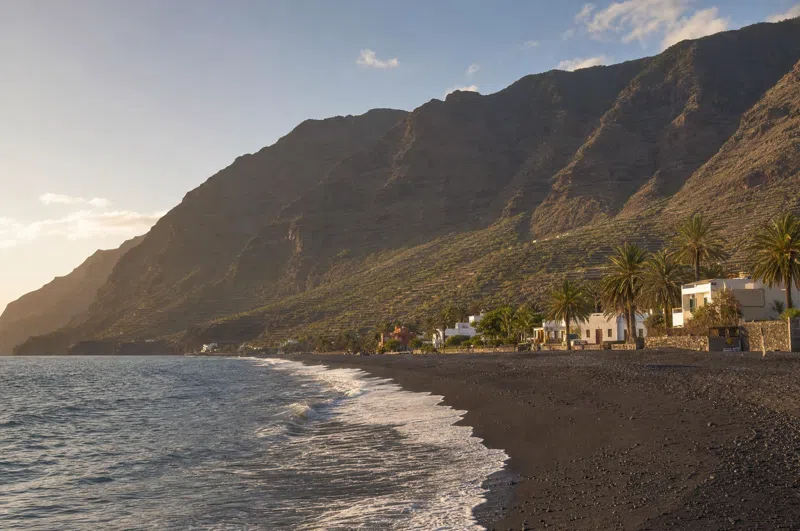
Valle Gran Rey
Suits travellers who want sunsets, swimming, nightlife by La Gomera's modest standards, and the most choice of places to eat and sleep. The trade-off is distance: it's the far end of the island from the airport and ferry, roughly two hours by road from San Sebastián.
A terraced ravine running down to the sea on the island's south-west, split into the harbour district of Vueltas, the beach strip of La Playa and the hillside of La Calera. This is where the hippie-era settlers stayed, and it still has the loosest, most bohemian atmosphere on the island - live music in beach bars, longer-stay visitors, the best spread of restaurants.
Where to stay Apartments and small hotels cluster around Vueltas harbour and La Playa beach; the hostel and co-living scene here is the island's best for budget and long-stay travellers.
Stay in Valle Gran ReyComing soon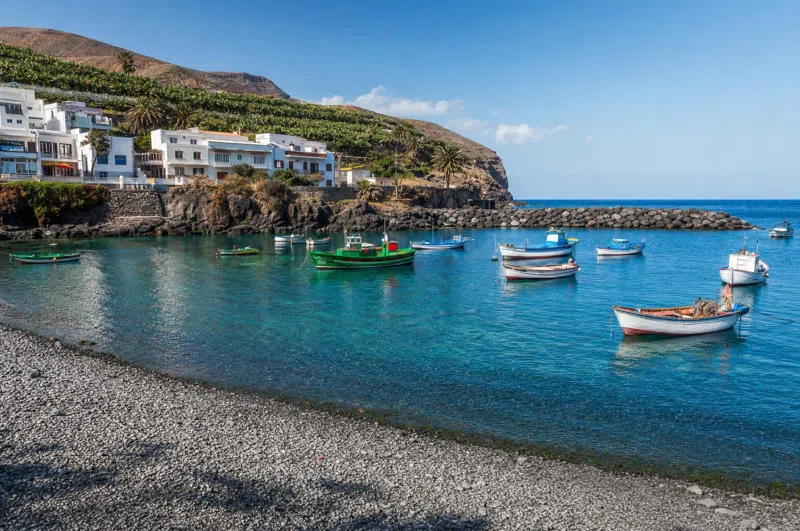
Playa de Santiago
Suits travellers who want resort comfort, golf, or a self-contained base with on-site restaurants, and who are happy to drive for variety. It has little independent village life beyond the hotel's footprint.
A quieter, drier resort pocket in the island's south, built almost entirely around the Hotel Jardín Tecina complex and its golf course, with a small working fishing harbour below. It gets the least rain on the island and some of the calmest water for swimming.
Where to stay The Jardín Tecina is effectively the area's accommodation; smaller apartments exist in the village below for those who want to self-cater away from the resort.
Hermigua
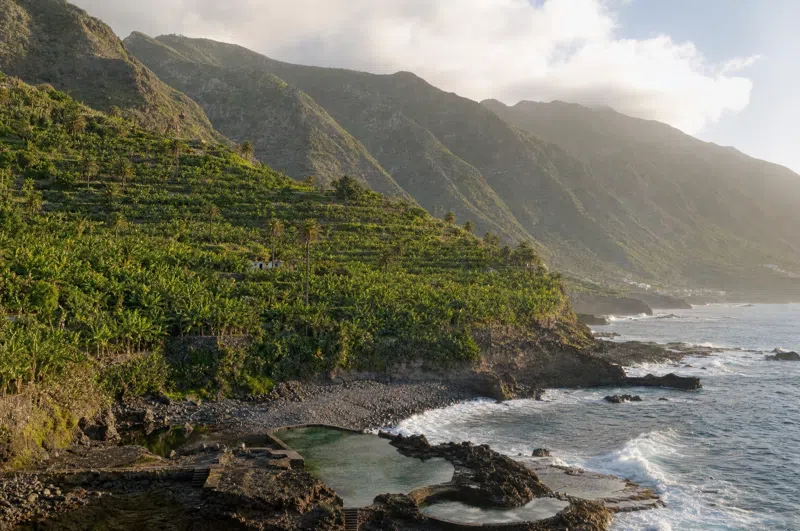
Suits travellers who want rural quiet, hiking access, and a sense of how the island actually farms, over nightlife or beach time. Few shops stay open late and options for eating out are limited to a handful of family-run places.
The greenest valley on the island, terraced with banana plantations and still agricultural rather than touristic, with a natural seawater swimming pool at its lower end and direct trailheads up into Garajonay's forest.
Where to stay Rural hotels converted from old manor houses and farmhouses - this is the island's best base for agritourism-style stays.
Stay in Hermigua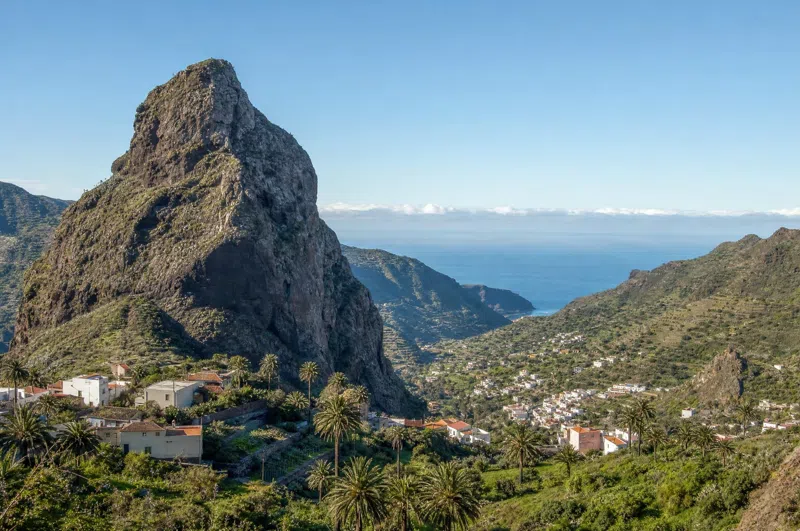
Vallehermoso
Suits hikers using it as a base for the north of the island and travellers who want to see La Gomera away from any resort infrastructure at all. There is very little to do here after dark.
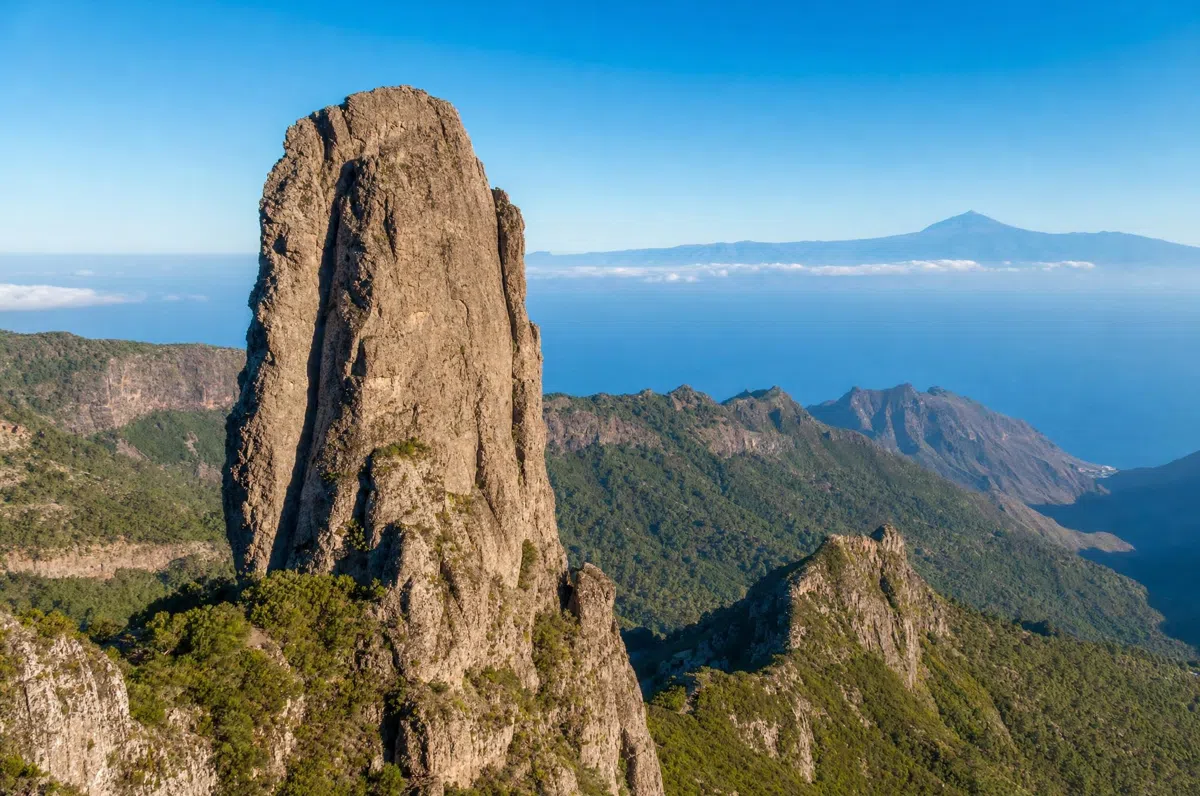
A small northern town dominated visually by Roque Cano, a sheer volcanic plug rising straight out of the rooftops, with a ruined castle above and some of the island's least-visited coastline below.
Where to stay A couple of small rural hotels cover the town; most visitors pass through rather than stay.
Stay in Vallehermoso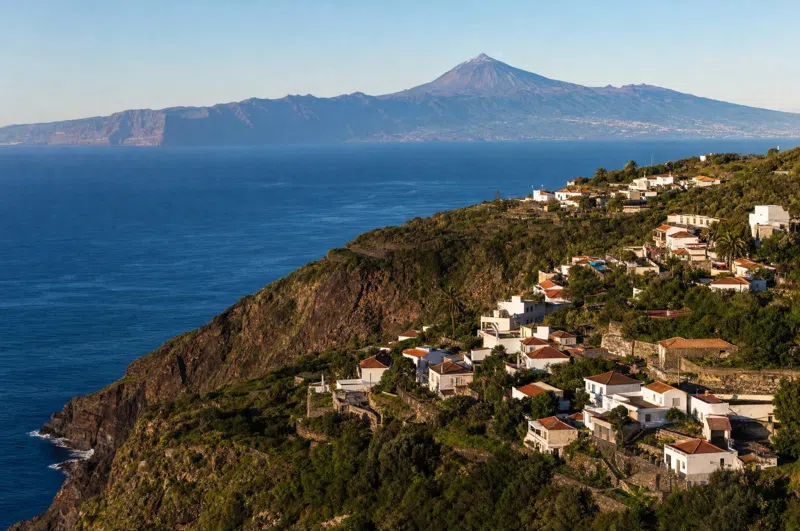
Agulo
Suits a half-day stop for the view and a meal rather than a multi-night base - there's very little accommodation and almost no nightlife.
A tight cluster of white houses on a shelf above the sea, looking directly across to Tenerife and Mount Teide, often cited as the island's prettiest village without the island's tourist board having to try. The Mirador de Abrante glass walkway sits just above it.
Where to stay A small number of rural guesthouses in the village itself; most visitors stay elsewhere and drive in.
Stay in Agulo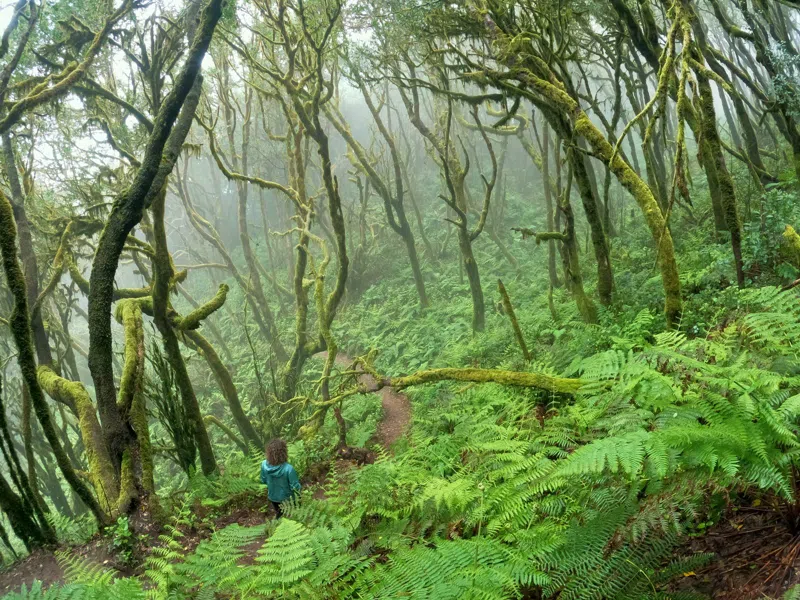
Garajonay National Park
La Gomera’s headline attraction, where visitors come for laurel-forest walks, island-highland scenery and the summit panorama. Best for hiking from autumn through spring; summer is cooler but high cloud and mist are possible year-round.
Stay in Garajonay National Park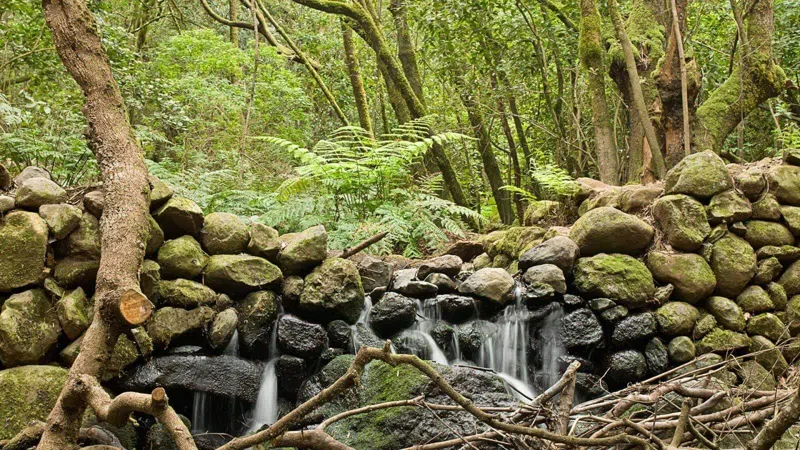
El Cedro
A tiny, atmospheric hamlet deep in Garajonay, best known for its lush ravine, traditional rural setting and one of the island’s classic hikes. The ravine is greenest after winter rain; bring waterproof layers because cloud and drizzle are common.
Stay in El CedroBook before you land
Top-rated tours and tickets in La Gomera, with live prices from Viator.

Inflatable boat with license
from $155

Family outing in the south of La Gomera
from $400

Kayaks for rent in Playa de Santiago
from $23

Private Around Tenerife Tour with Guide by Luxury Car
from $382

Paddle Surf Rental Playa de Santiago
from $18

Grand VIP Tour Tenerife with private Guide by Lux car
from $388

Hiking in the Garajonay
from $80

La Gomera: VIP experience in the Garajonay National Park
from $86
Prices from Viator; we may earn a commission when you book — at no extra cost to you. Tours are sold and operated by Viator, the merchant of record. Ratings are collected by Viator and Tripadvisor.
Book direct
Book a hotel in La Gomera
Loading live availability and real-time prices…
The La Gomera guide
Where to eat, drink and look, how to get around, and what locals expect of you. Open any chapter.
Where to eat
Dining
El Pajar de la Gomera
A family-run harbour-side kitchen known for grilled sardines and a vegetable soup that regulars order ahead of the fish itself; staff talk you through the day's catch rather than handing over a fixed menu.
Signature: grilled sardines
El Pescador
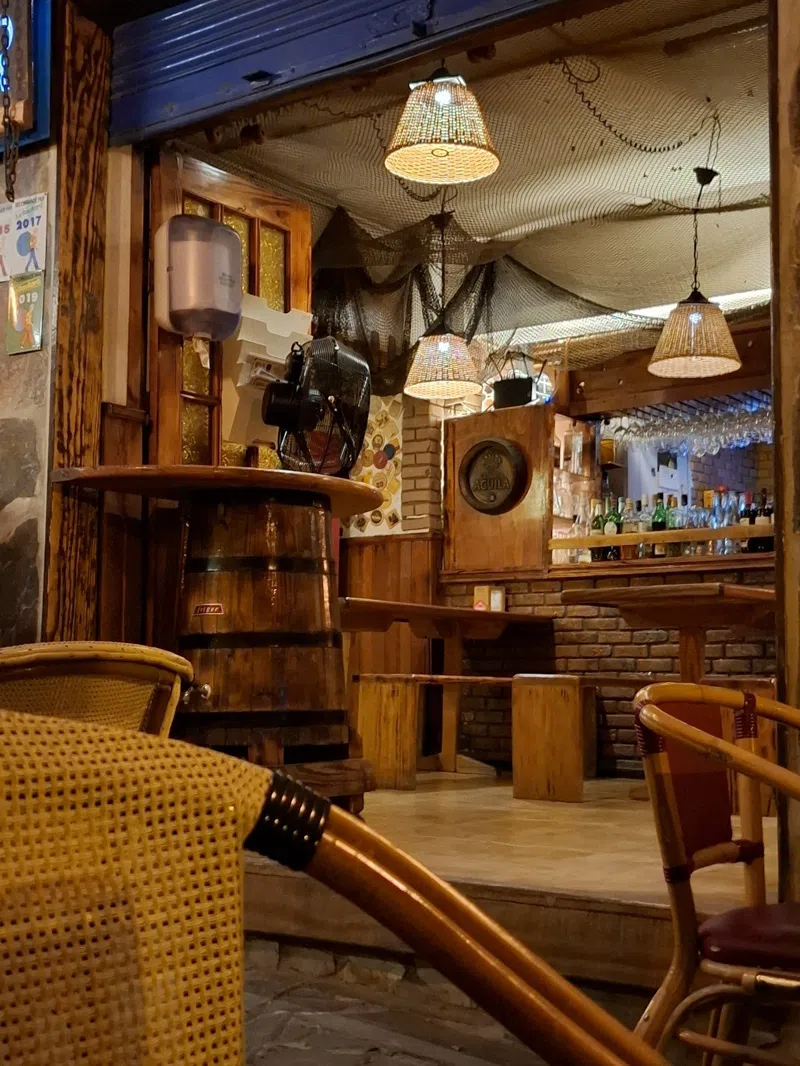
Set up a steep lane above Vueltas harbour, it's known locally for a rotisserie chicken that outsells the fish, alongside a straightforward tuna steak with mojo that doesn't try to be more than it is.
Signature: tuna steak with mojo
Breñusca Restaurante
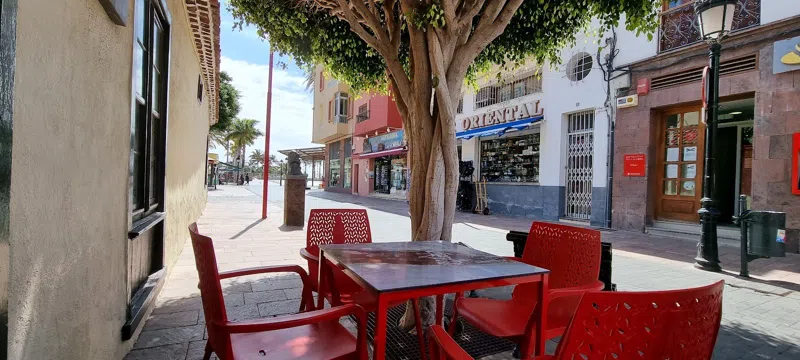
A retro, family-run room on Calle del Medio that locals and visiting islanders alike go to for almogrote and homemade meatballs rather than anything aimed at tourists.
Signature: almogrote and homemade meatballs
Restaurante Las Rosas
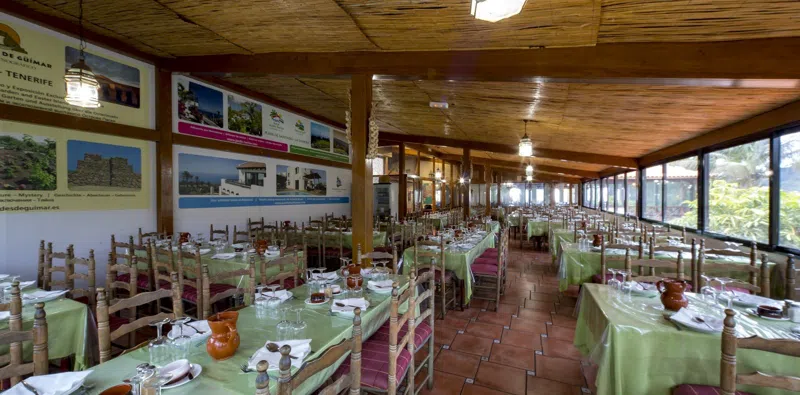
A lunch-only spot a kilometre outside the village where the kitchen runs a Silbo Gomero whistling demonstration between courses, making it one of the only places you can actually hear the language performed over a meal.
Signature: Silbo Gomero lunchtime demonstration
Restaurante Los Herrera
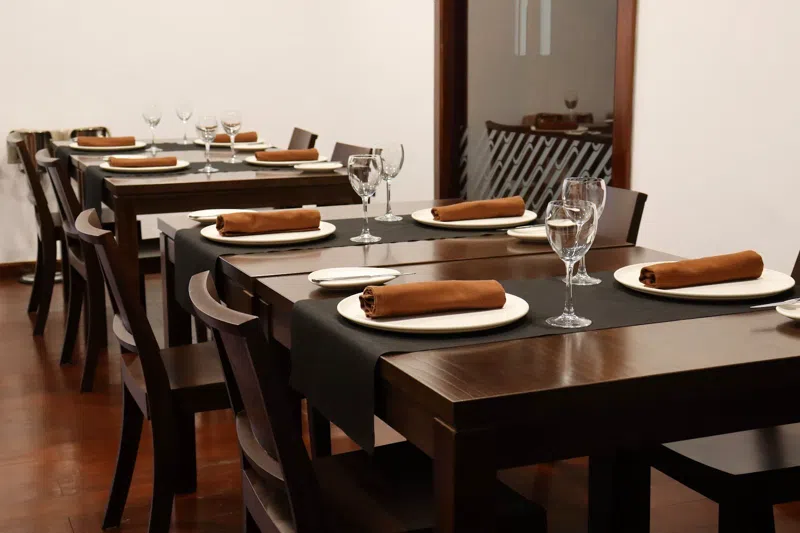
Run out of a restored manor house that also teaches a hospitality school, it leans on produce grown within the valley itself rather than imported stock.
Signature: valley-grown vegetable dishes
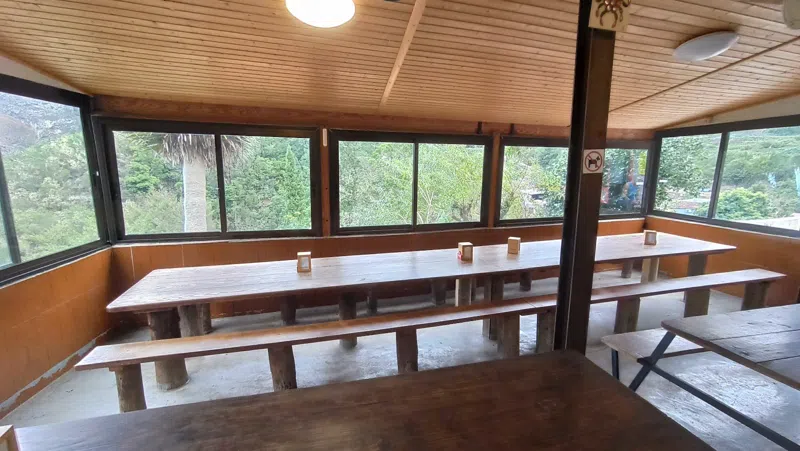
Bar Restaurante Camping La Vista
The only kitchen inside the Garajonay forest itself, reachable on foot, built its name on a watercress soup made from cress grown in a streambed right outside the door.
Signature: Potaje de berros (watercress soup)
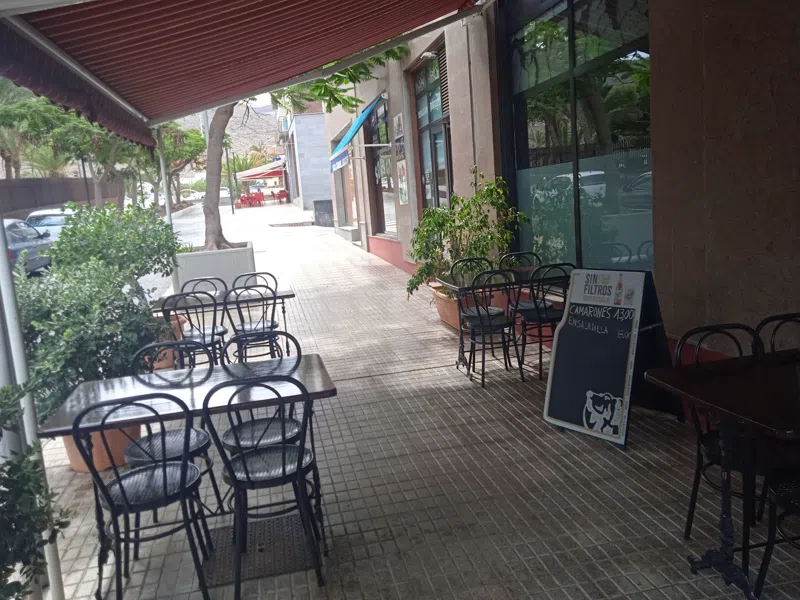
Restaurante Cuatro Caminos
A no-frills neighbourhood spot away from the harbour where limpets with green mojo and crisp-battered squid tips draw a mostly local crowd at lunchtime.
Signature: limpets with green mojo
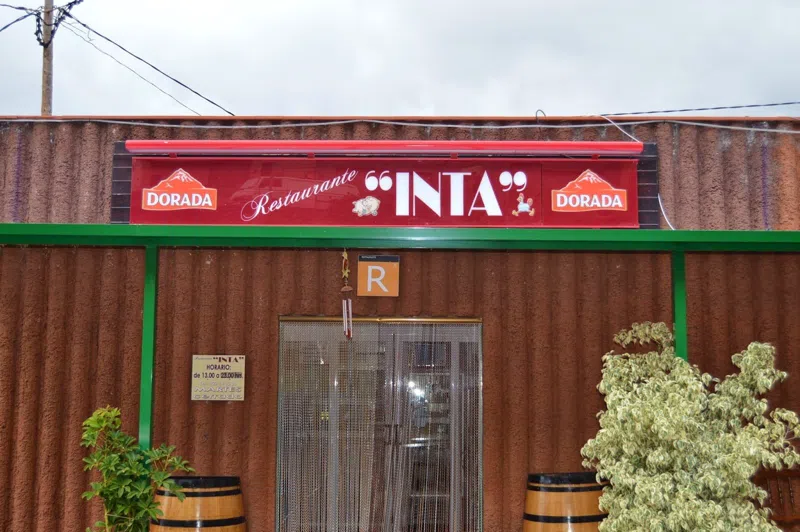
Inta Las Brenas
A roadside grill above town known for large, cheap plates of grilled meat and calamari that draw islanders rather than day-trippers, with service that keeps up even when every table is full.
Signature: mixed grilled meats
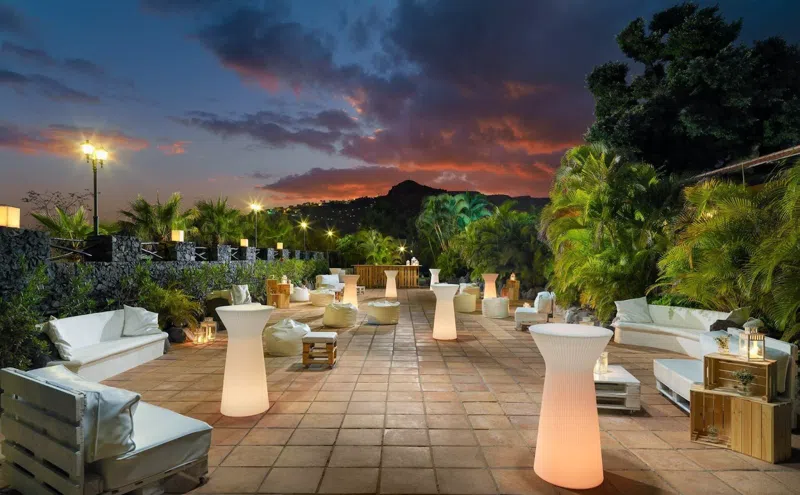
Gara Restaurant, Hotel Jardín Tecina
Billed as a Canarian enogastroteca, it pairs its menu specifically with wines from the Canary Islands' own small producers rather than a generic Spanish list.
Signature: Canarian wine-paired tasting plates
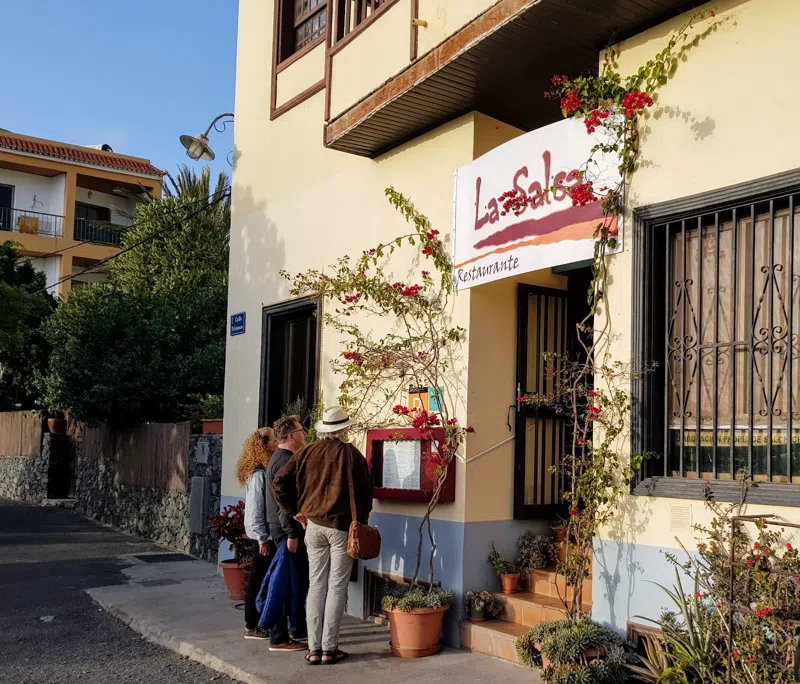
Restaurante La Salsa
A fusion kitchen above Vueltas with a fish soup and prawn tagliatelle that regulars book ahead for; it's consistently named among the two or three best tables in the resort.
Signature: prawn tagliatelle
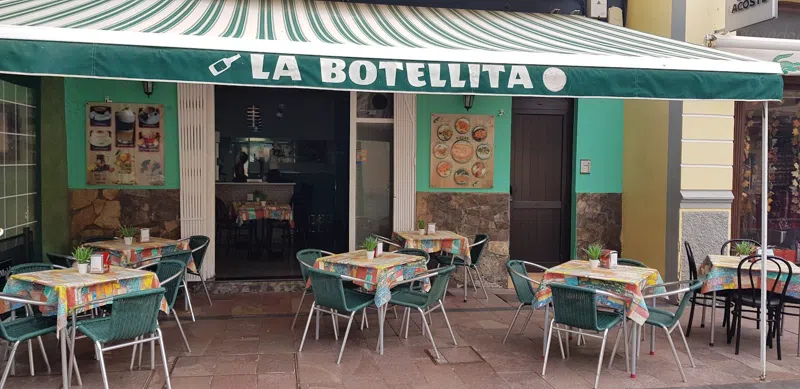
Bar Pizzeria La Botellita
A thin-crust pizza counter on Calle Real where two pizzas and two beers still come in under the price of one main elsewhere in town.
Signature: thin-crust pizza
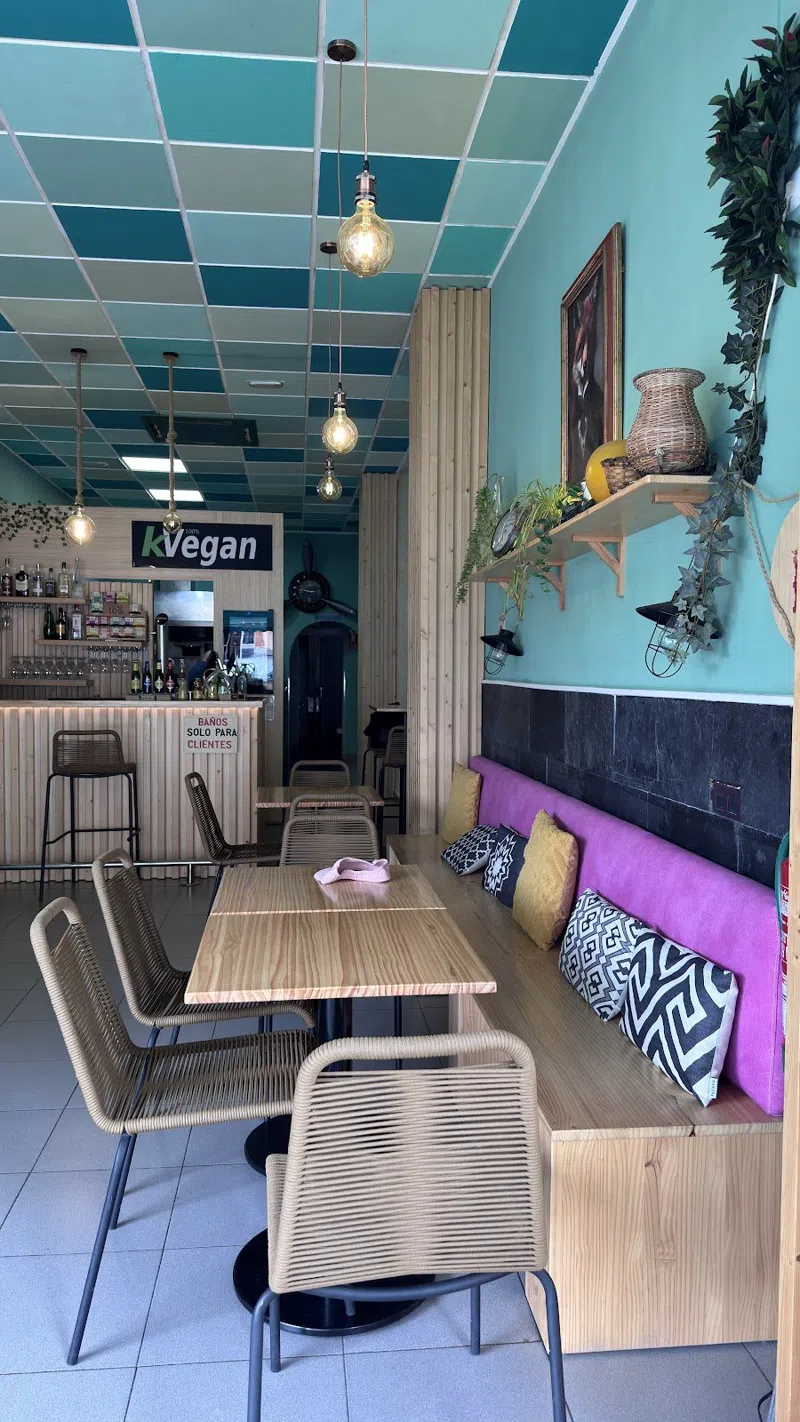
K-Vegan
A small vegan kitchen known for portions well beyond what the price suggests, popular with the island's longer-staying residents rather than passing tourists.
Signature: plant-based set plates
After dark
Nightlife
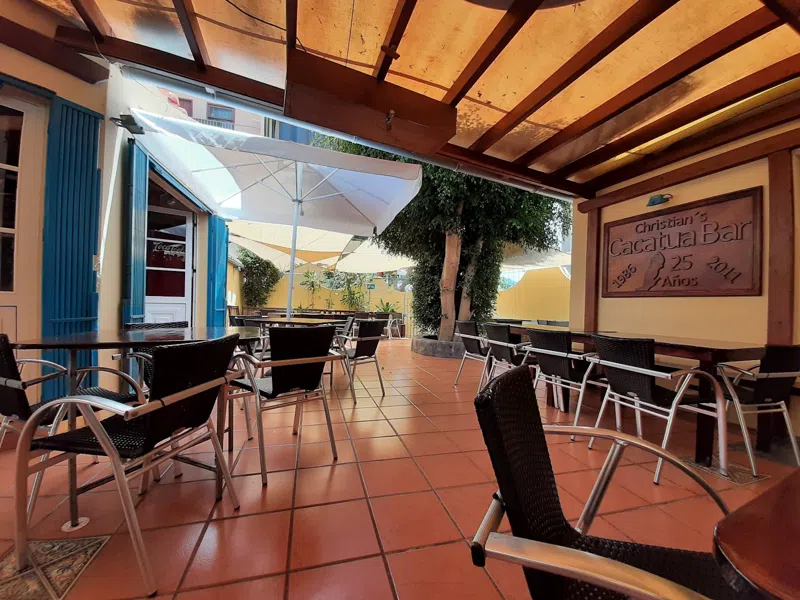
Cacatua
A Vueltas harbour fixture for more than two decades, it runs as a relaxed café by day and the resort's default late-night meeting point once the sun goes down.
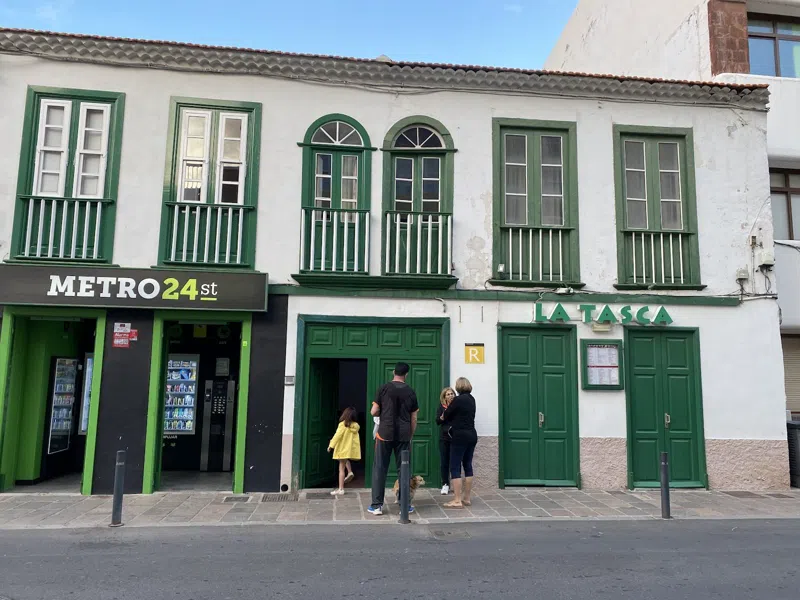
La Tasca
A cocktail bar in the Vueltas harbour area known specifically for its caipirinhas, with an outdoor patio that occasionally turns into an impromptu live-music spot.
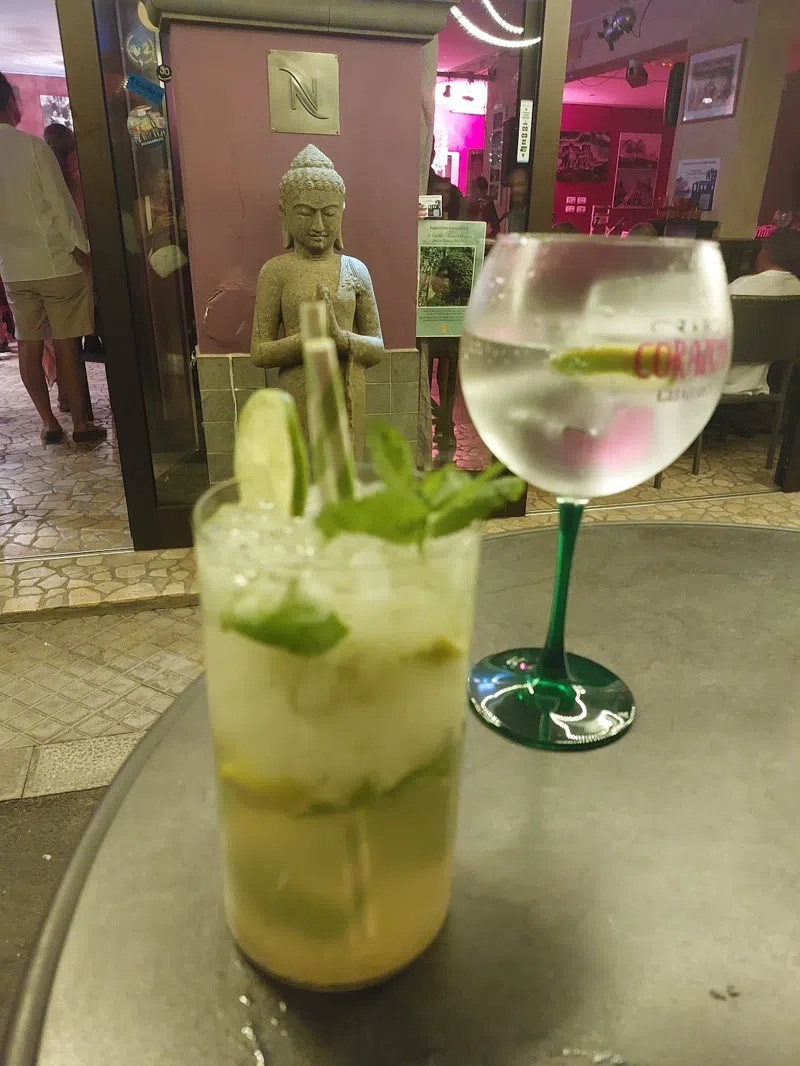
Gomera Lounge Piano Bar
Set on La Calera beach, it runs scheduled piano and flamenco evenings through the season rather than background music, making it the resort's closest thing to a dedicated music venue.
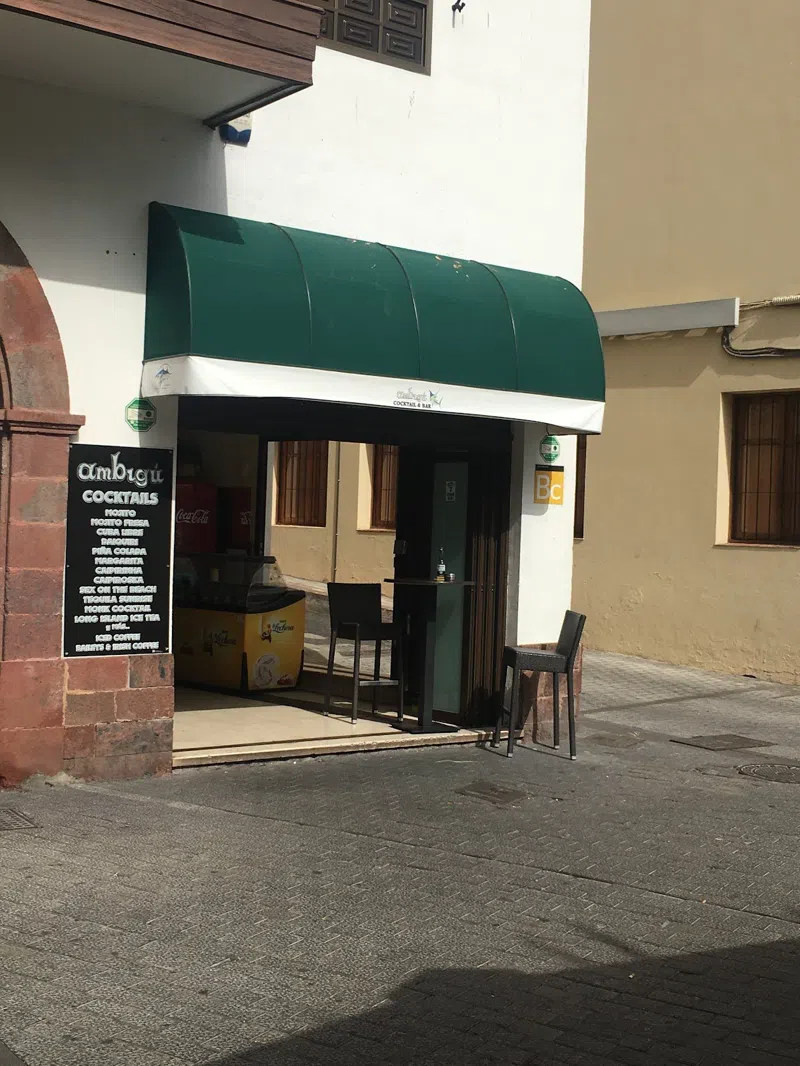
Bar Café Ambigú
A terrace right on Plaza de las Américas with sofa seating looking over the square and the port, the default spot for an evening drink in the capital.
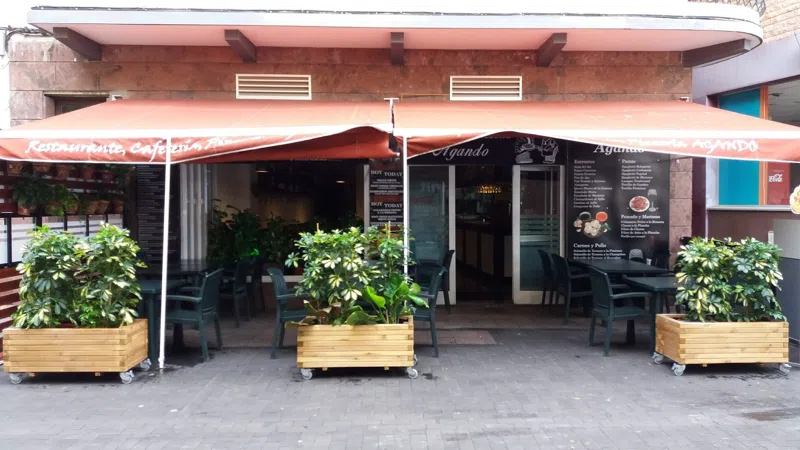
Blue Marlin Bar
A sailing-themed bar off Plaza de la Constitución, its walls covered in messages left by rowers from the transatlantic race that passes through the port, open later than almost anywhere else in the capital.
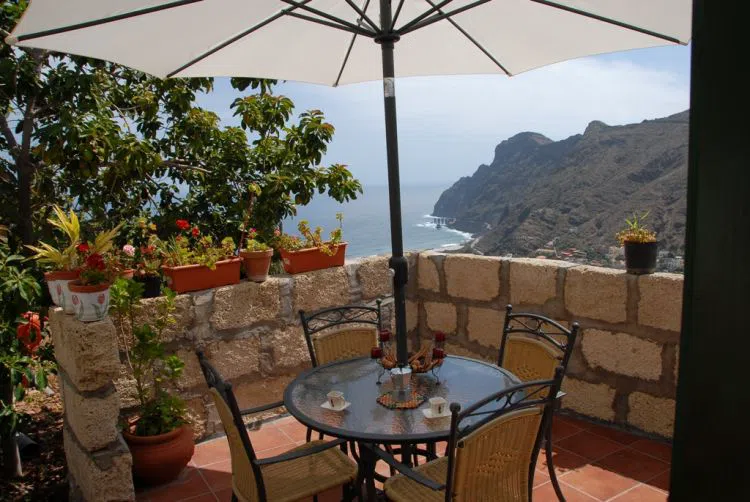
Casa Maria
A long-running La Playa institution combining a bar, rooms and live music that becomes the beach's default sunset gathering point.
Casa La Familia
An unpredictable, members-for-the-night venue in La Playa that has drawn touring musicians into impromptu sessions, making it the island's most genuinely eclectic music spot.
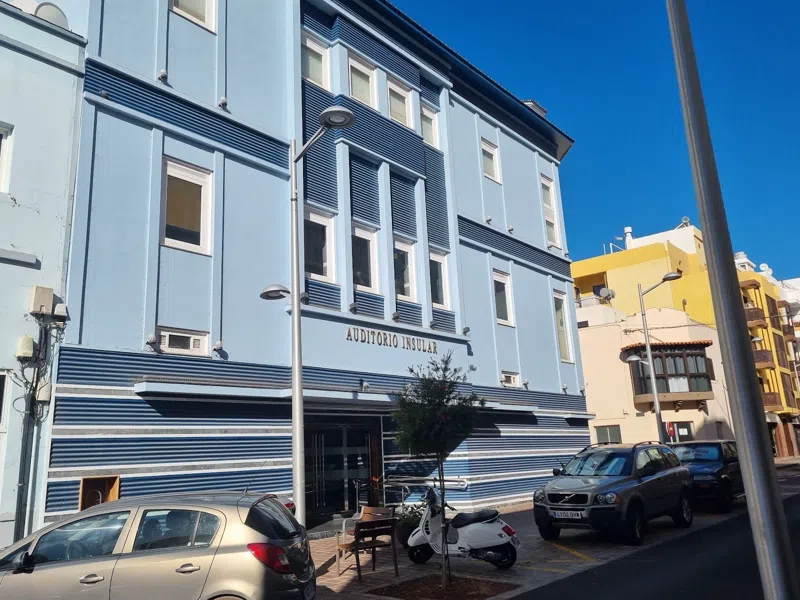
Auditorio Insular de La Gomera
The island's one formal concert hall, used for everything from symphonic programmes to folk performances tied to island festivals.
Art & history
Culture
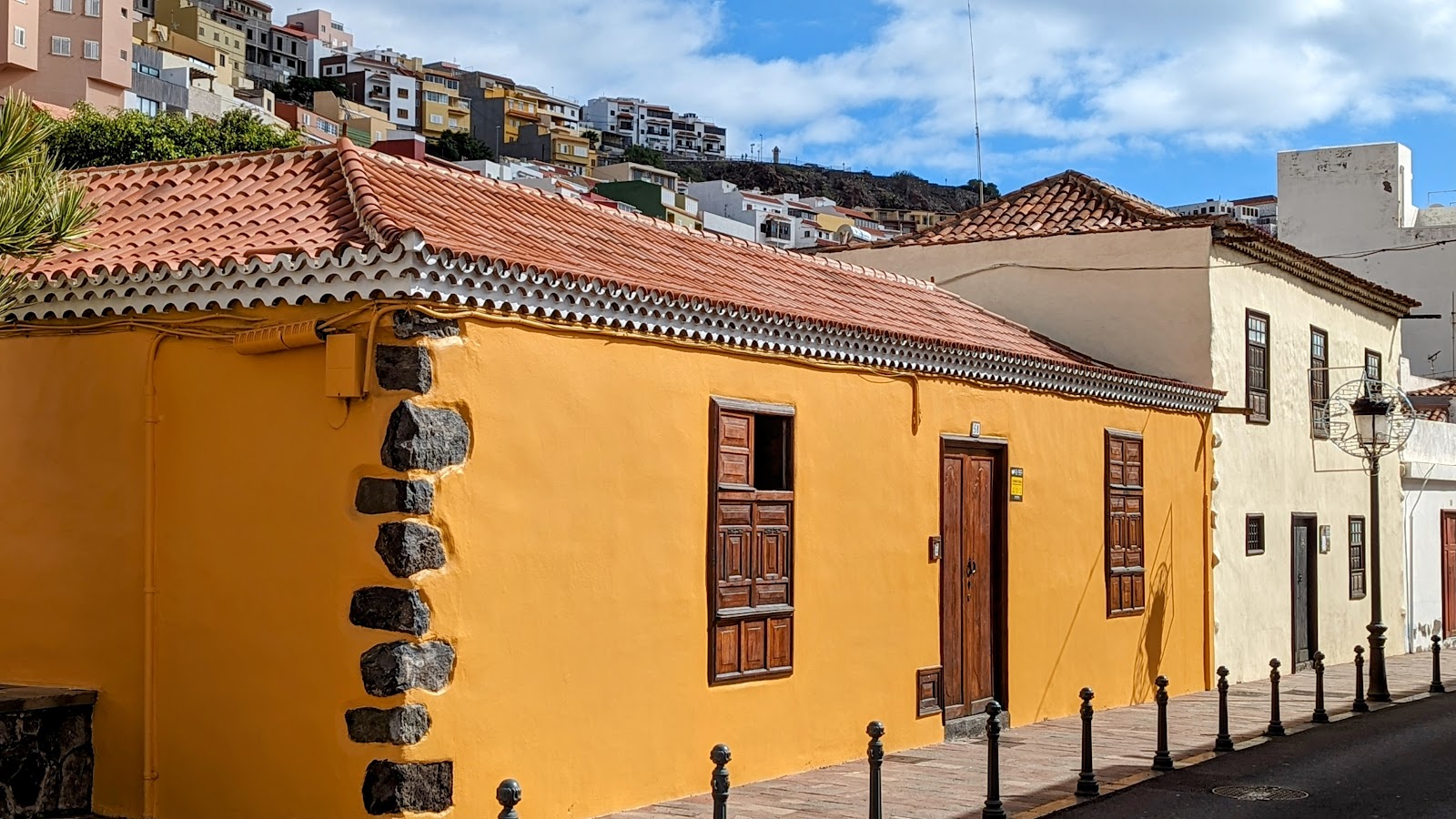
Casa de Colón
Built on the site Columbus is said to have stayed before his final Atlantic crossing, its real draw is an upstairs gallery of Chimú pottery from pre-Columbian Peru and Ecuador, not the Columbus story itself.
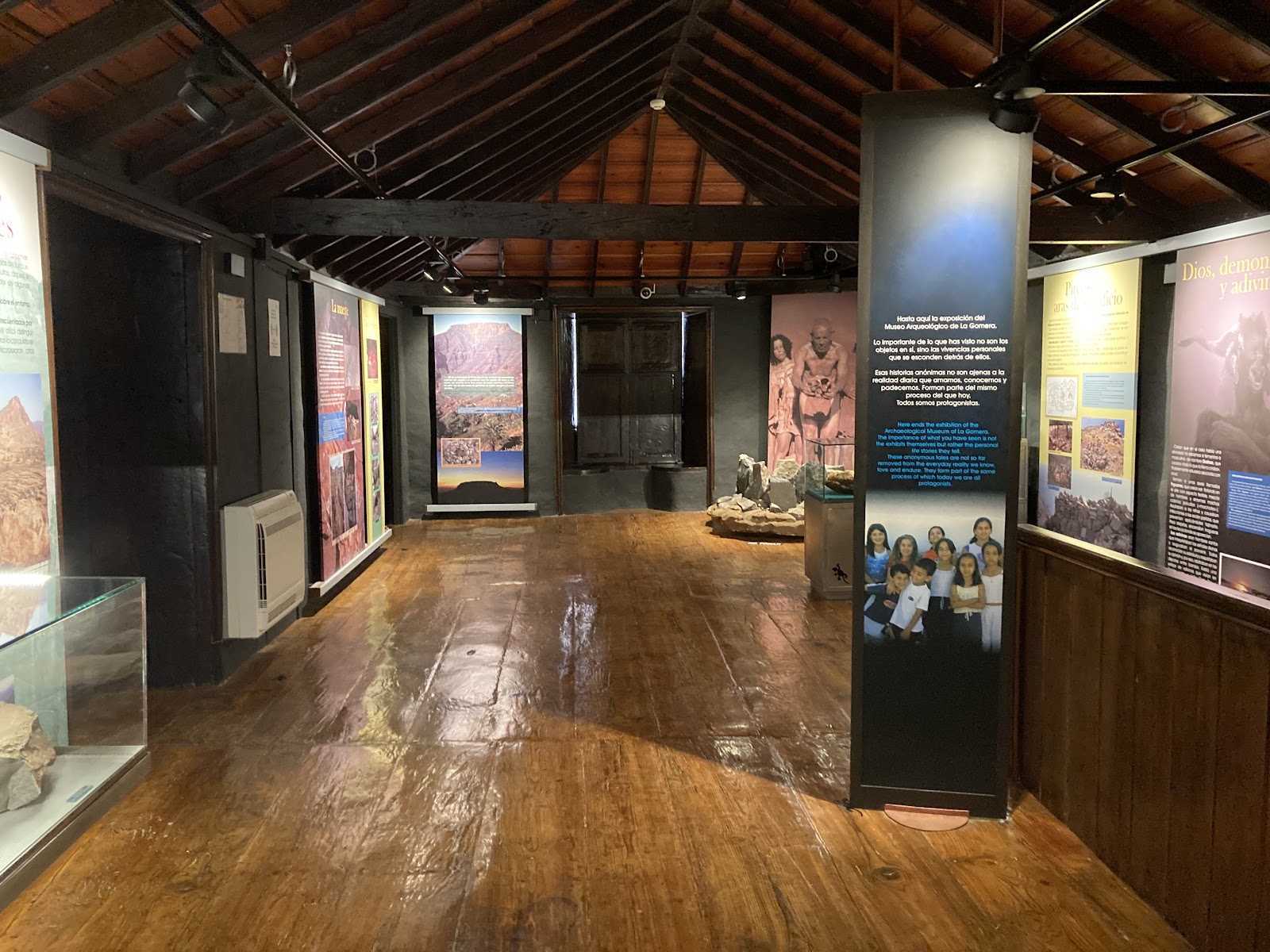
Museo Arqueológico de La Gomera
Housed in the 18th-century Casa Echeverría manor, it focuses on the pre-conquest Gomeros - their diet, medicine and daily life - rather than the colonial period most of the town's sites cover.
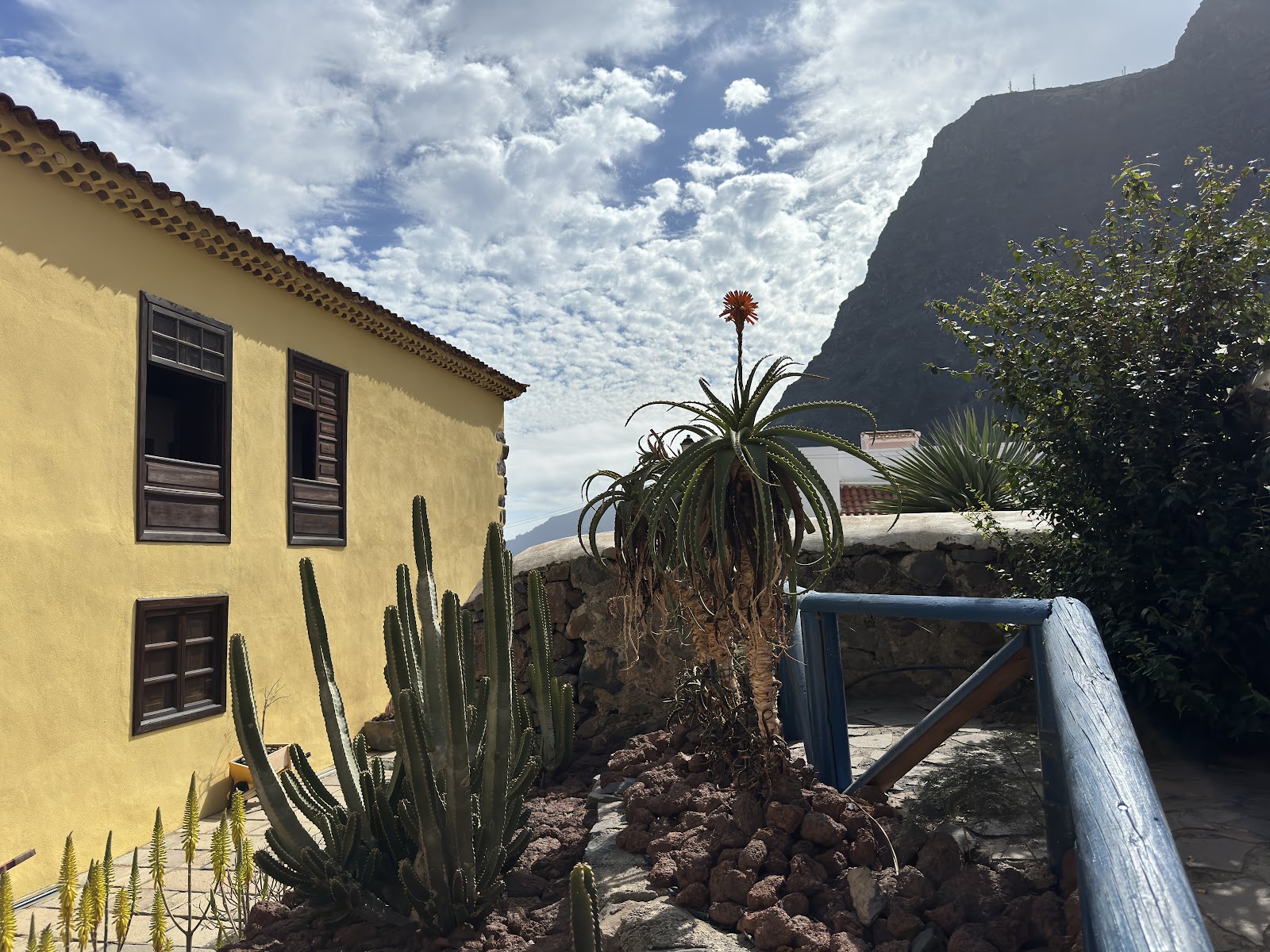
Casa Museo José Aguiar
The house of La Gomera's best-known muralist, José Aguiar, doubling as a record of Filii Christi, the island's own historical secret society, which most visitors have never heard of before walking in.
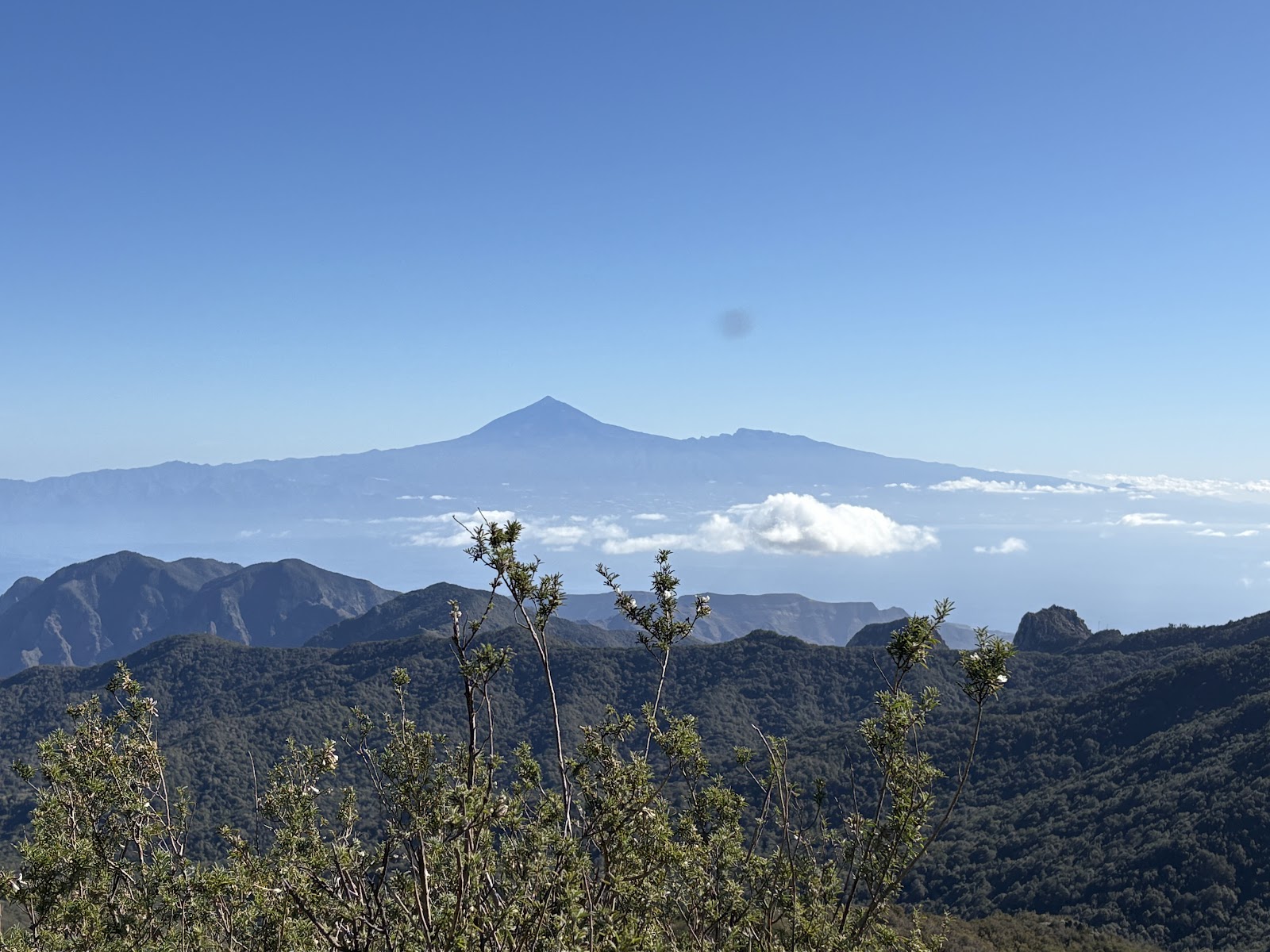
Garajonay National Park
The largest surviving contiguous laurel forest on earth, a UNESCO World Heritage site that stays wrapped in cloud for much of the year, giving it a genuinely different feel from anywhere else on the Canary coast.
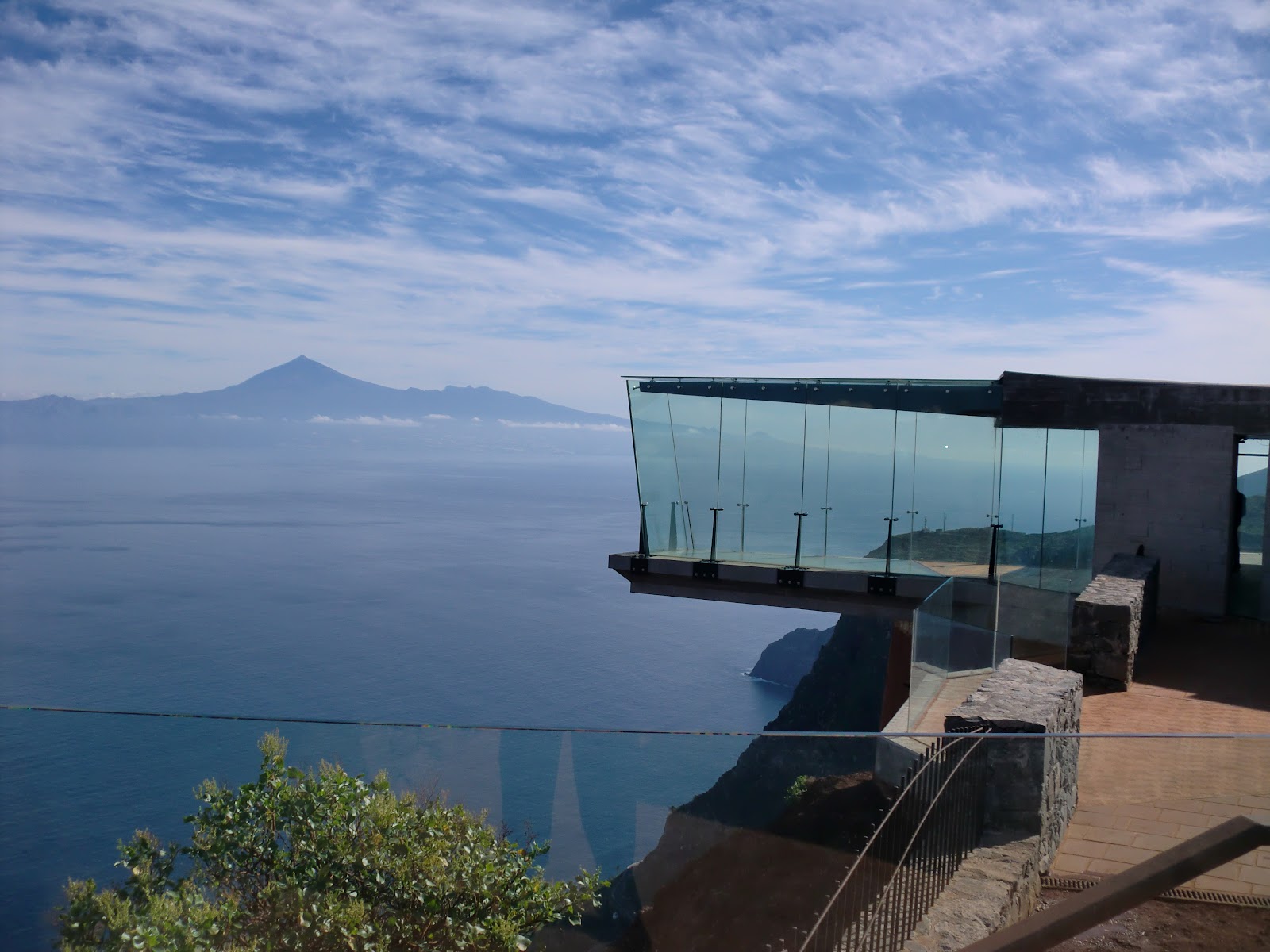
Mirador de Abrante
A 2014-built glass-floored cantilever jutting seven metres out over a 625-metre drop above Agulo, with Mount Teide visible across the water on a clear day.
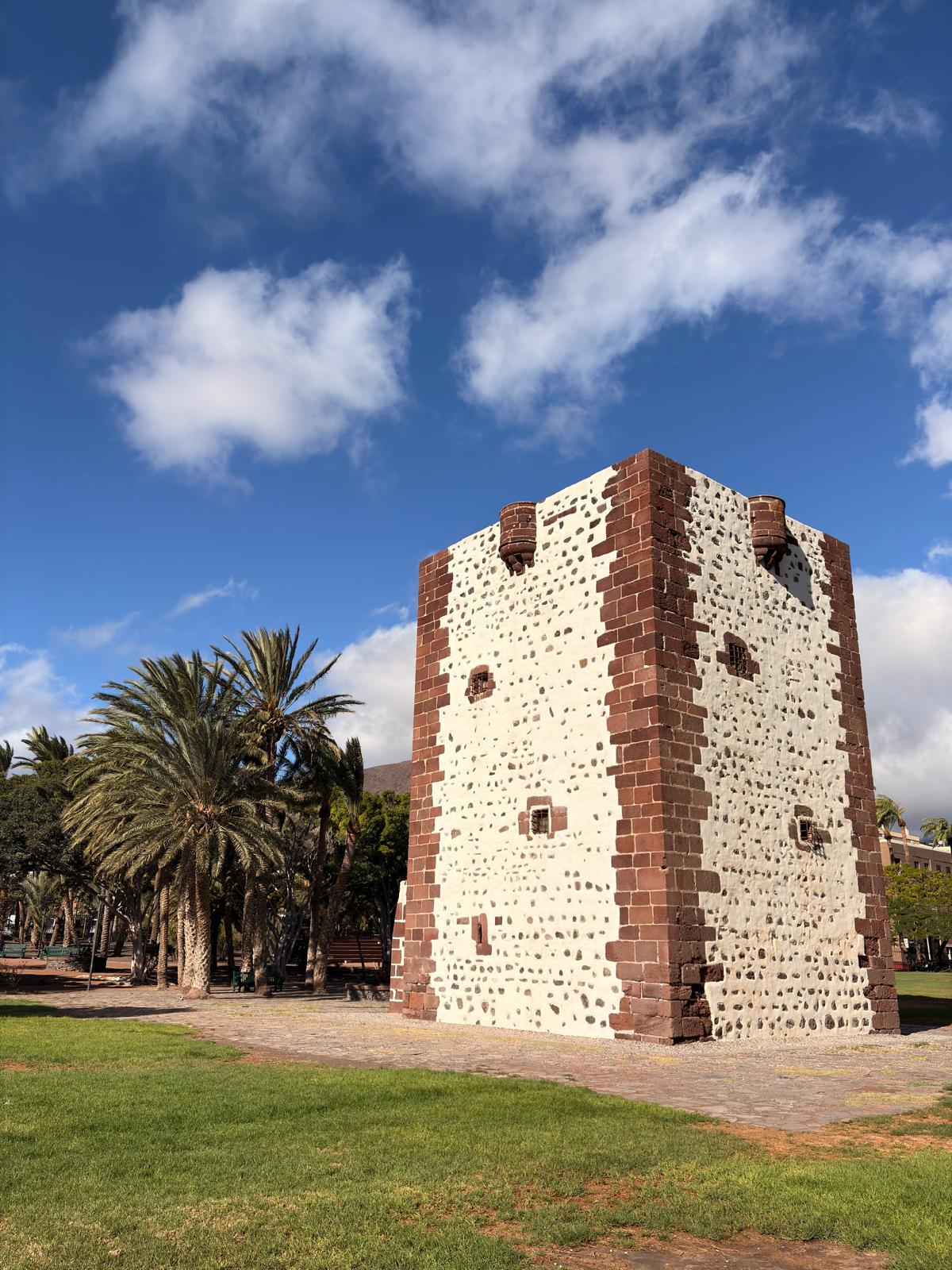
Torre del Conde
A squat 15th-century fortress sitting in its own subtropical park in the middle of town, the oldest surviving military building in the Canary Islands.
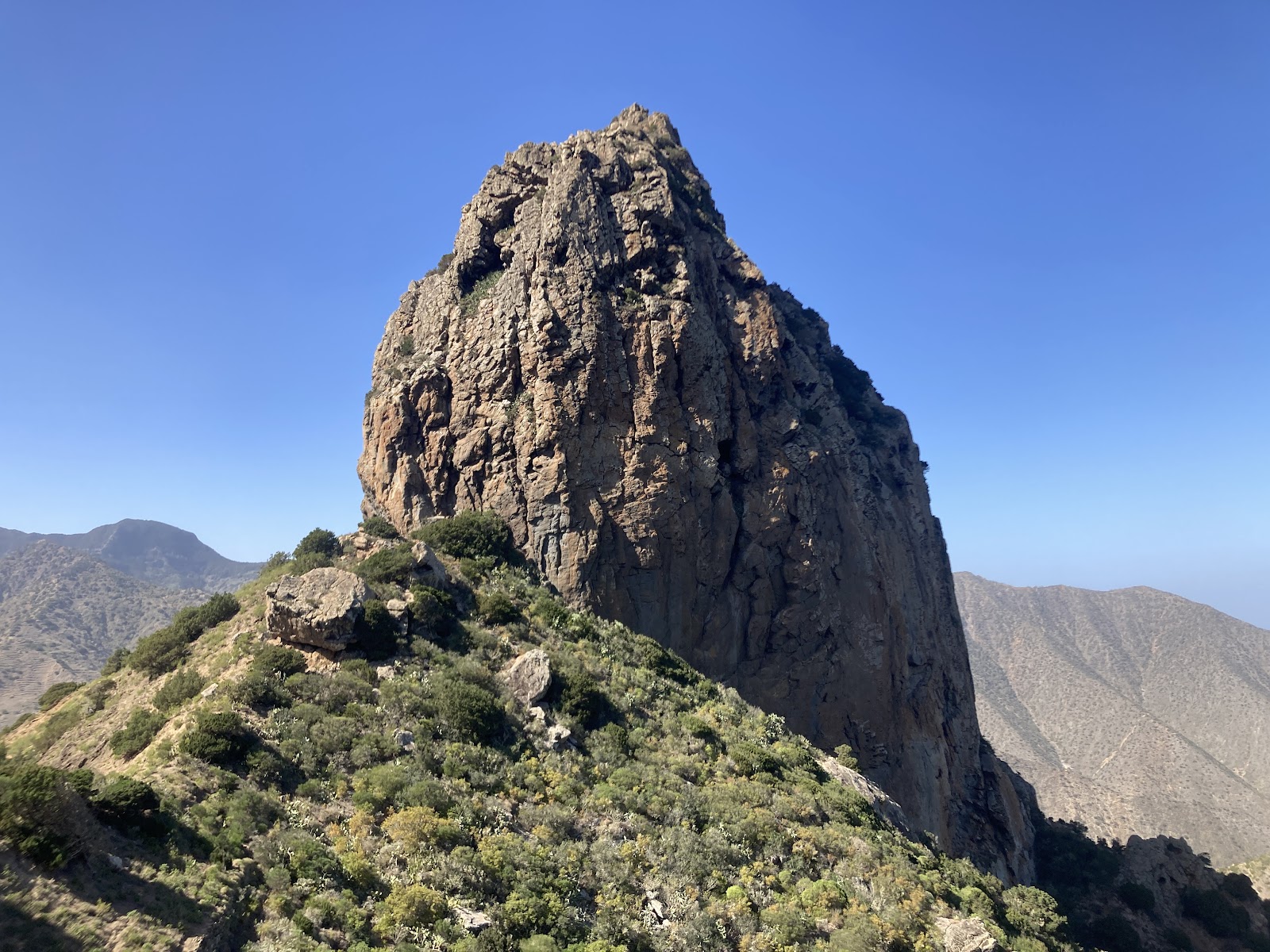
Roque Cano
A sheer volcanic plug rising directly out of the town below a ruined castle, visible from the Almendrillo viewpoint and one of the few landmarks you see from almost anywhere in the north of the island.
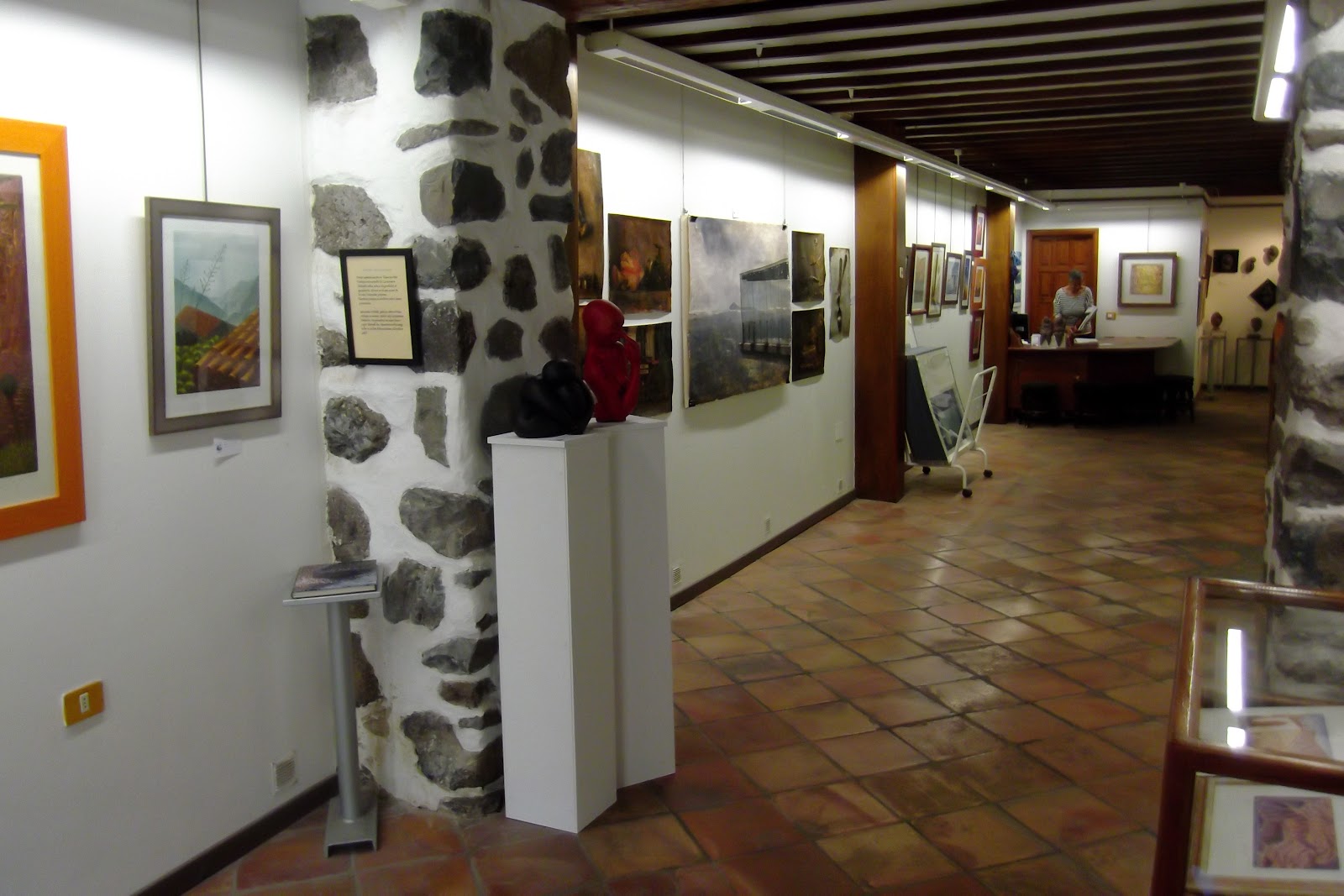
Galería de Arte Luna
Open since 1989 and now housed in a restored 17th-century building on Calle Real, it's the island's longest-running gallery and a reliable read on what island-based artists are producing.
Timing
When to visit
Spring (March-May)
The best hiking window: Garajonay's laurel forest is at its greenest, wildflowers are out on the southern slopes, and coastal temperatures sit in the low-to-mid twenties. Accommodation is easy to find outside Easter week.
Summer (June-August)
Hot and dry on the coast, with the national park's cobbled summer road requiring a free advance permit for cars between mid-July and late September. Valle Gran Rey gets its busiest and loudest; book ferries and car hire weeks ahead.
Autumn (September-November)
A second good window: sea temperatures are at their warmest for swimming, crowds thin out after the August peak, and the first rains return by late October. The Fiestas de Octubre around Puntallana fall in this window most years.
Winter (December-February)
The wettest months, with December the rainiest, and the choppiest ferry crossings from Tenerife. Coastal towns stay mild by northern-European standards, but fog and wind close in on the high ground more often, and some rural restaurants cut their hours or shut for weeks.
What it costs
Budgeting
Logistics
Getting around
From the airport
La Gomera's own airport sits in the far south-west, a winding 35-40 minute drive or taxi ride from San Sebastián, and carries only a handful of Binter Canarias flights a day to and from Tenerife North. Most visitors skip it entirely and arrive by ferry from Los Cristianos on Tenerife's south coast instead, landing directly in San Sebastián's port after a 50-60 minute crossing. A taxi from the airport into San Sebastián runs a fixed fare and takes well over half an hour because of the roads, not the distance.
Public transit
The island bus network (guaguagomera) runs eight numbered routes out of San Sebastián, with the San Sebastián-Valle Gran Rey line the backbone, taking around 1 hour 45 minutes end to end and running roughly five times a day Monday to Saturday, fewer on Sundays. Coverage to the smaller villages is thin and timed around school and market days, not tourist schedules, so it works for a budget trip between main towns but not for spontaneous day-tripping.
Passes & tickets
There's no island-wide transit pass worth buying; fares are paid per ride, usually in cash, since card readers on the buses aren't reliable. A multi-trip bus card exists for residents but gains a visitor nothing over single tickets.
On foot
San Sebastián's old quarter around Calle Real is compact and walkable, as is Valle Gran Rey's harbour district of Vueltas and the beach strip of La Playa, though the resort itself sprawls along several kilometres of coast road. Hermigua, Agulo and Vallehermoso are each walkable in isolation but not connected to each other on foot in any reasonable time. Across the island, the roads themselves are the limiting factor: narrow, blind-cornered, and often fogged in on the high ground.
Local etiquette
Safety & etiquette
- Stay on marked trails in Garajonay National Park; leaving them damages a protected laurel forest ecosystem found almost nowhere else on earth.
- Carry cash for buses, markets and smaller rural restaurants - card readers are not reliably available outside the two main towns.
- Reserve the free vehicle permit ahead if driving into the park on the cobbled summer road between mid-July and late September.
- Expect an afternoon lull in rural villages; shops and smaller restaurants often close for a few hours after lunch.
Travel smart
Practical tips
- Book your ferry crossing a few days ahead in July, August and around Easter; sailings do sell out in peak weeks.
- Reserve a hire car well before arrival in peak season - the island's limited fleet runs out fast in June through September.
- Pack a warm layer even in summer if you're heading into Garajonay; the forest runs noticeably cooler and damper than the coast.
- Carry cash outside San Sebastián and Valle Gran Rey; card payment is inconsistent on buses and in rural restaurants.
- If visiting the park by car in the July 10 to September 20 window, apply for the free cobbled-road permit online before you travel.
- Check a rural restaurant's actual hours by phone before driving out - many run lunch-only or close certain weekdays regardless of what's listed online.
- Build extra time into any island drive - a 50 km/h road rating does not translate to the journey time a map suggests.
- Confirm which cove is safe for swimming on any given day locally rather than assuming a beach is sheltered just because it looks calm.
Before you go
La Gomera FAQs
Do I need a car on La Gomera?
Effectively yes if you want to see more than one or two towns. The bus network links the main settlements only a few times a day, and the interior's hiking trailheads and viewpoints are largely unreachable without your own transport.
How do I get to La Gomera?
Almost everyone arrives by fast ferry from Los Cristianos on Tenerife's south coast, a crossing of around 50-60 minutes. A small local airport exists with limited Binter Canarias flights to Tenerife North, but it carries no direct flights from mainland Europe.
Is La Gomera safe?
Yes, crime is low across the island. The real hazards are environmental: strong rip currents on open beaches, fog and narrow roads at altitude, and long waterless stretches on the hiking trails, all of which are manageable with basic preparation.
How many days do I need?
Four full days is a realistic minimum to see Garajonay, San Sebastián and at least one resort town properly, given how slow the roads are relative to the distances involved. A week lets you add the smaller northern villages without rushing.
Can I day-trip to La Gomera from Tenerife?
Yes, and it's a common trip, but a single day only really covers San Sebastián's Columbus-era sites and a short taste of Garajonay - not the resort towns on the far side of the island.
What's the best month to visit?
April to June and September to October give the clearest skies for hiking, milder coastal heat, and lighter crowds than the August peak or the wetter midwinter months.
Is Valle Gran Rey or San Sebastián the better base?
San Sebastián suits short stays built around the ferry and airport; Valle Gran Rey suits longer stays focused on beaches, sunsets and the island's best concentration of restaurants and bars, at the cost of a long drive from the port.
Can I see whales and dolphins?
Yes - boats running out of Valle Gran Rey and Playa de Santiago quote sighting rates close to 90%, with most trips including a swim stop once something's been spotted.