
Island guide
Fuerteventura
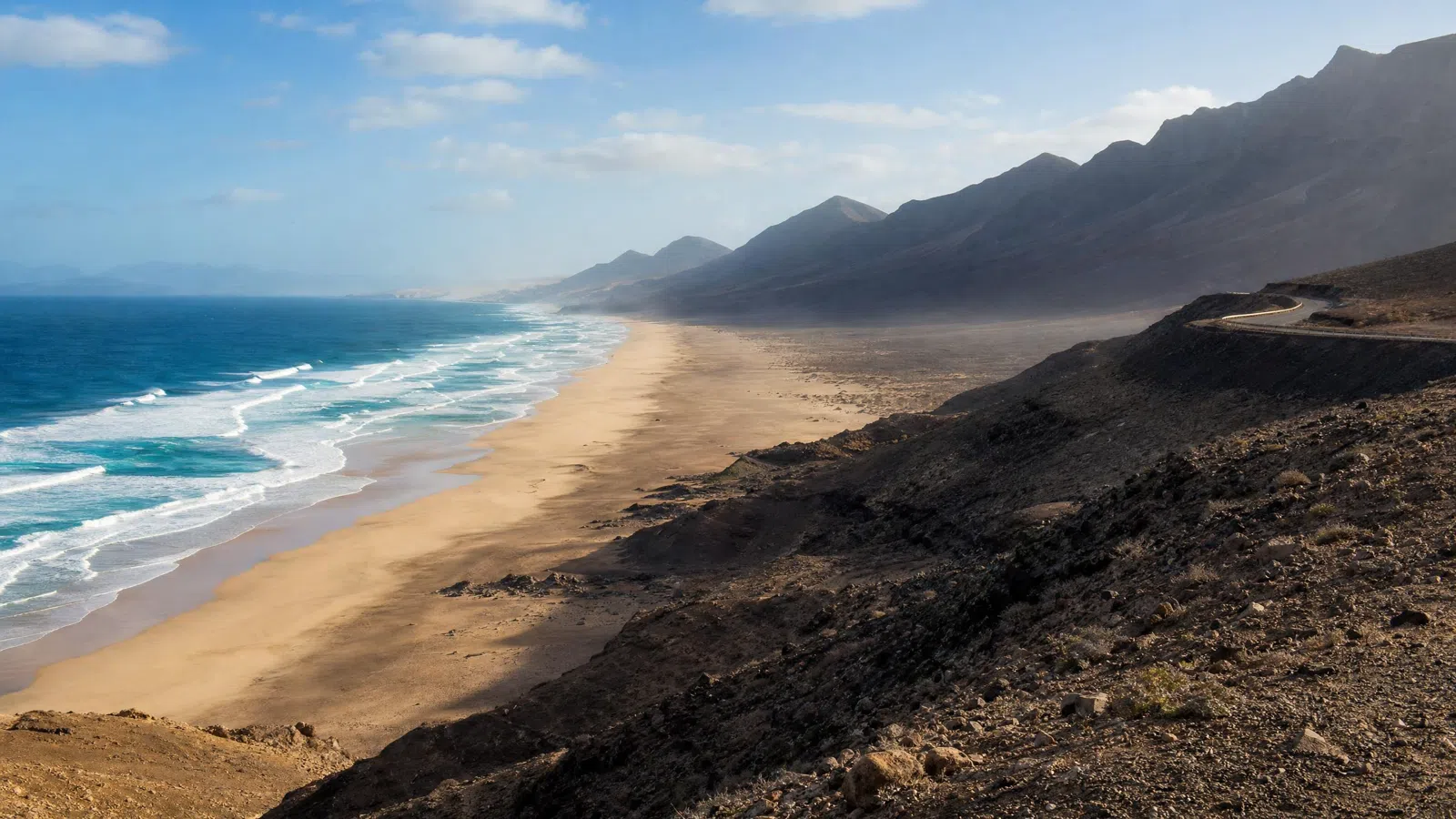
Fuerteventura is the oldest island in the Canaries and it shows: the interior is bare volcanic rock the colour of rust and ash, flattened by wind that never really stops.
Plan your Fuerteventura trip
Live prices from our booking partners.
Guests & rooms
Free cancellation on many rooms. We may earn a commission when you book.
An insider’s read on Fuerteventura
Fuerteventura holds a specific first: Betancuria, founded in 1404 by the Norman knight Jean de Béthencourt, was the first stable European settlement anywhere in the Canary Islands, and it stayed the island's capital for over four centuries. Before the conquest, the island was split between two Majorero kingdoms, Maxorata in the north and Jandía in the south, divided by a wall that gave La Pared its name. The Majos lived off goats, fishing and shellfish on an island with almost no fresh water, and that scarcity is still the island's defining fact.
The capital moved to La Oliva, then in 1860 to the fishing settlement of Puerto de Cabras, renamed Puerto del Rosario because nobody wanted a capital called Port of the Goats. Goats never left, though: Majorero cheese, made from the milk of the local breed and pressed with palm-leaf moulds, still carries its own designation of origin and is the one product every farm shop on the island sells with real pride.
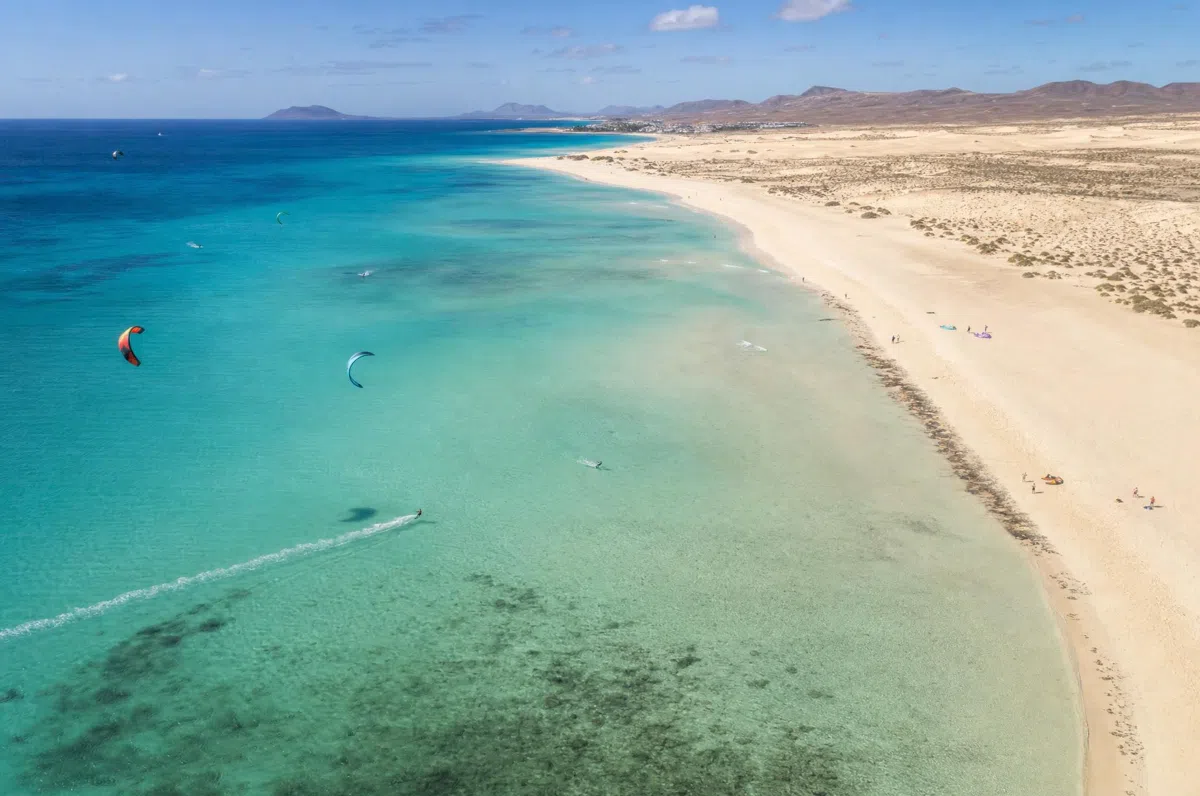
Mass tourism arrived late compared with Gran Canaria or Tenerife, mostly from the 1980s, and it arrived on the back of wind rather than nightlife: windsurfers found Sotavento first, surfers found the north coast around the same time, and the resort infrastructure grew up around people who were already coming for the water. That history explains the current split in character between a surf-and-wind culture that is genuinely local and a hotel-zone tourism that was built for Northern European package holidays and still mostly serves them.
It is a Spanish island shaped by African weather, settled by Norman conquerors in 1404
From our Fuerteventura guide
Nine neighbourhoods, nine ways to stay
Pick the neighbourhood first and the trip follows. Each one opens its own guide, with the hotels inside it.
Corralejo
Best for anyone who wants restaurants, nightlife and watersports schools within walking distance, plus the ferry to Lanzarote and the boat to Lobos Island on the doorstep. Skip it if what you actually want is quiet; this is the loudest, most developed corner of the island.
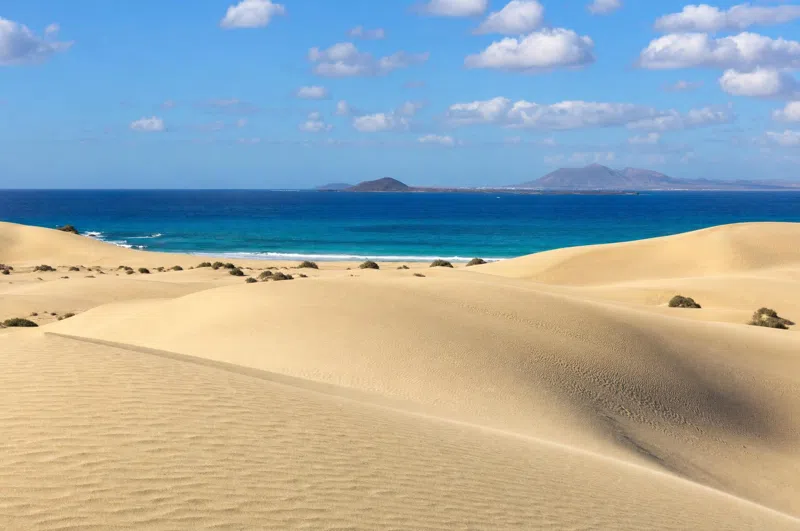
The island's biggest and liveliest resort, built around a working fishing harbour that still gives the place a rougher, more authentic edge than its size would suggest. The dune field and Grandes Playas run for kilometres just south of town, and the pedestrianised Plaza Félix Estévez fills every evening with restaurant tables and buskers. It's busy, built-up by Fuerteventura's standards, and never pretends to be a quiet village.
Where to stay Beachfront boutique hotels cluster near the old town and Playa del Muelle; package resorts spread further south along the dune road toward the Grandes Playas for more space and pool-heavy grounds.
Stay in Corralejo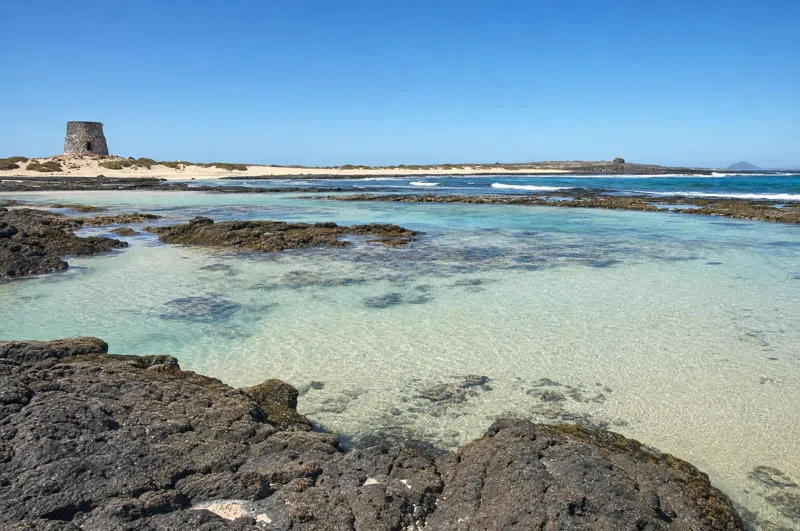
El Cotillo
Suits travellers who want a genuine village feel with real surf and sunset drama, and who don't mind a 25-minute drive to anything bigger. Less suited to anyone who wants nightlife options beyond a handful of bars or who needs shops and services close at hand.
A working fishing village on the north-west coast that has absorbed surf culture without losing its own rhythm; the harbour still lands fish into the same restaurant kitchens that serve it, and there's no chain-restaurant strip the way Corralejo has. The lagoons at Playa de la Concha fill and empty with the tide and are the calmest swimming on this stretch of coast, while the open Atlantic beaches a short walk away are serious surf.
Where to stay Small boutique guesthouses and converted fishermen's houses in the old centre near the harbour, or quieter apartment complexes a short walk back from the lagoons.
Stay in El Cotillo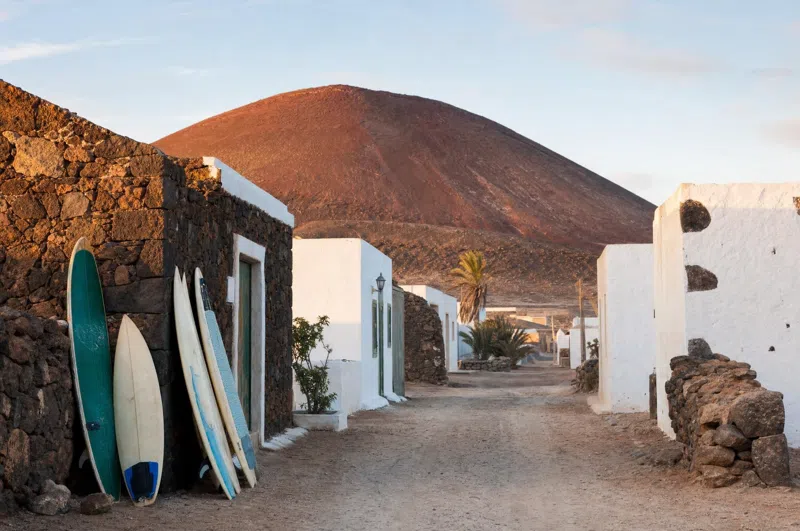
Lajares
Good for anyone basing themselves around surf lessons or longer stays who wants a real community rather than a hotel strip, with every coast reachable within twenty minutes by car. Not for anyone who wants to walk to a beach; the sea is a drive away in every direction.
An inland village between Corralejo and El Cotillo that has become the island's unofficial surf-and-creative hub without ever becoming a resort. Old stone houses sit alongside surf shops, bakeries and artisan studios, and the Wednesday night Canela jam session pulls in locals, surf instructors and long-stay travellers in roughly equal numbers.
Where to stay Small guesthouses, surf-focused co-living houses and long-let apartments rather than hotels; this is a village to settle into, not check into.
Stay in Lajares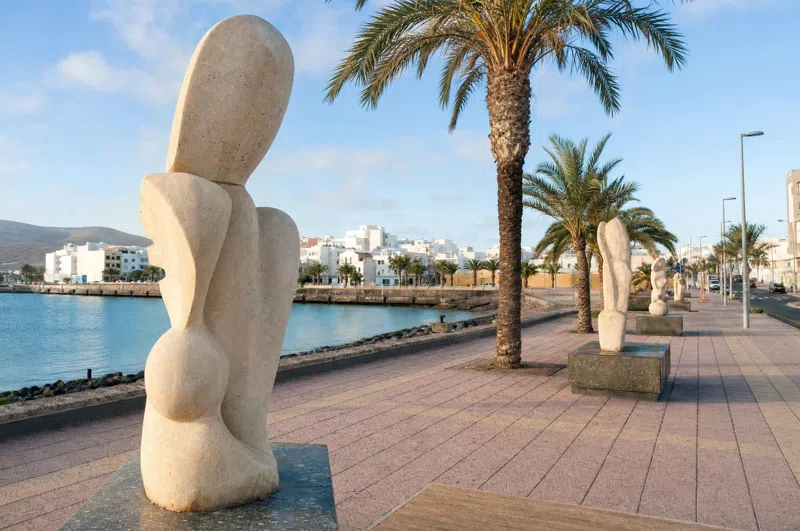
Puerto del Rosario
Worth an afternoon for anyone curious about how the island actually runs day to day, and useful as a base purely for airport convenience, but it has none of the beach appeal of the resort coasts and most visitors are right to treat it as a stopover rather than a destination.
The island's working capital, a former fishing village called Puerto de Cabras that still functions like a real Spanish town rather than a resort: shops close for a long lunch, the port moves cargo rather than cruise passengers, and the seafront is dotted with public sculpture and murals rather than sunbeds. It's the only neighbourhood on this list most visitors pass through rather than stay in.
Where to stay A handful of business-style and budget hotels near the port and airport, chosen for convenience rather than character.
Stay in Puerto del Rosario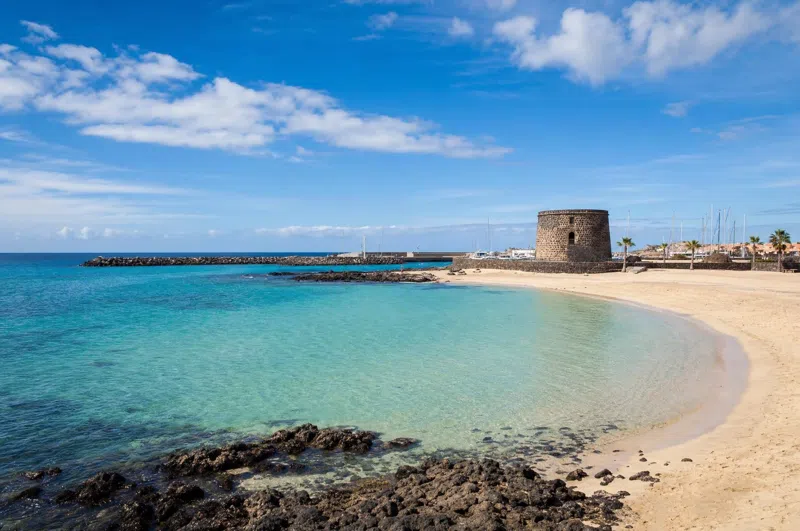
Caleta de Fuste
Strong choice for families who want flat, safe swimming and a tight cluster of kid-friendly attractions within walking distance; less rewarding for anyone chasing an authentic Canarian atmosphere, since the resort was built for tourism from the start rather than growing into it.
A purpose-built family resort around a sheltered, horseshoe-shaped bay that keeps the water calm enough for small children, split into a northern half with the marina, beach and most restaurants, and a southern half built around golf courses and a shopping centre. It reads as newer and more manicured than Corralejo, with less of a fishing-village past to draw on.
Where to stay All-inclusive and half-board beachfront hotels dominate; the golf-course side to the south suits longer stays with a car.
Stay in Caleta de Fuste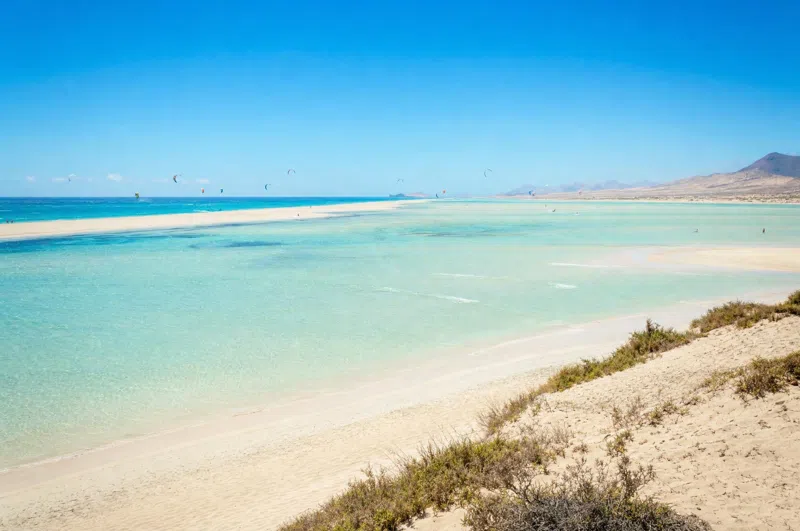
Costa Calma
Suits travellers who want a calm, unhurried base with easy access to the island's best wind-sport water without the nightlife noise of the north; not the right pick for anyone wanting to be in a historic town centre, since Costa Calma was purpose-built for tourism with no real old quarter.
A low-key resort on the narrow neck of the island where the Jandía peninsula begins, built along a long pale-sand beach sheltered from the worst of the trade winds. It's quieter and more adult-oriented than Corralejo, with the famous Sotavento lagoon and its windsurf and kitesurf schools a short drive south.
Where to stay Mid-range and all-inclusive beachfront hotels line the main beach road; smaller apartment complexes sit a little further back.
Stay in Costa CalmaComing soon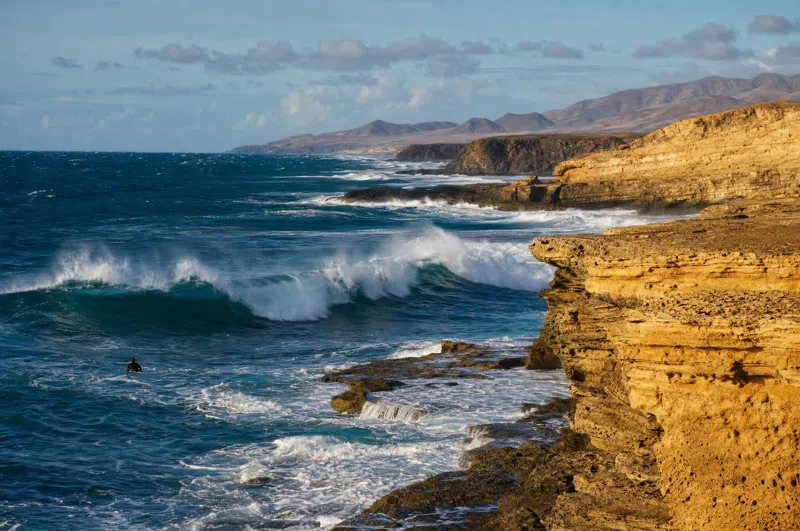
La Pared
For surfers first and foremost, and for anyone who wants a genuinely undeveloped stretch of coast within reach of Costa Calma. Not a base for anyone who wants restaurants, shops or nightlife on their doorstep.
A small, low-key settlement on the wild west coast named for the old wall that once divided the island's two pre-conquest kingdoms. There's little here beyond a powerful, consistent beach break and a scattering of houses; no promenade, no real centre, no facilities on the beach itself.
Where to stay A handful of small guesthouses and rental apartments; most visitors base in Costa Calma, twenty minutes east, and drive in for the surf.
Morro Jable / Jandía
A good fit for travellers who want resort comforts but also want to walk to dinner, the harbour and nightlife without a car; the far south also means the longest drive back to the airport and northern beaches, which matters on a short trip.
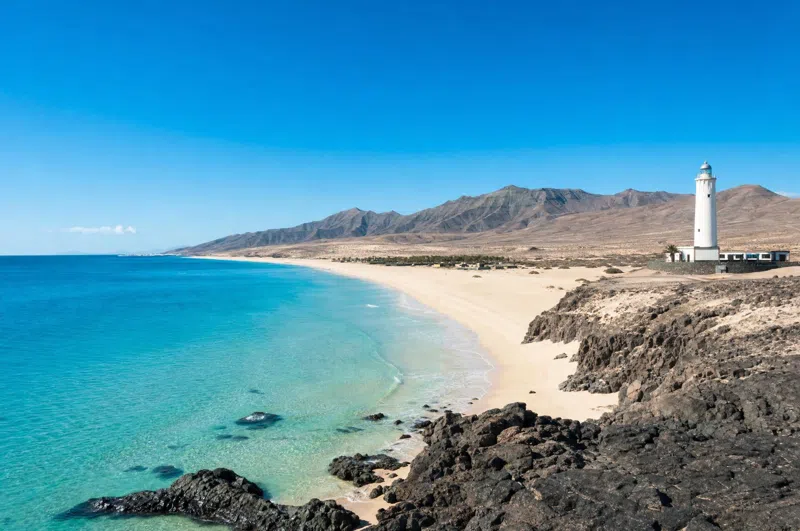
The island's southern anchor, a former fishing village turned into one of Fuerteventura's largest resorts, fronted by the long Playa del Matorral and backed by a genuine old town of pedestrianised streets, tapas bars and a working harbour that still sends out whale and dolphin-watching boats. It carries more local texture than Caleta de Fuste despite its resort scale.
Where to stay Large beachfront resort hotels dominate the Jandía strip; smaller hotels and apartments sit closer to the old town and harbour for a more local base.
Stay in Morro Jable / Jandía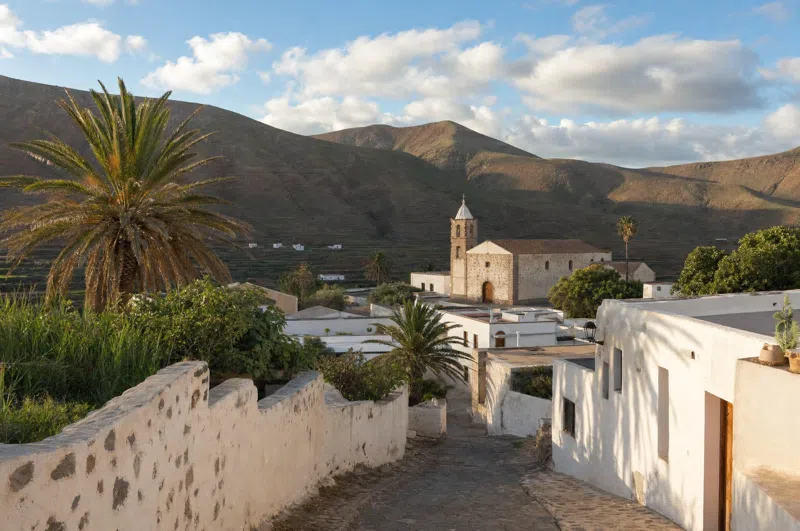
Betancuria
Essential for anyone who wants to understand the island's history rather than just its beaches, best visited as a half-day or full-day inland trip rather than a base; there's no beach here and almost nowhere to stay overnight.
The island's first and oldest capital, founded in 1404, set deep in a volcanic valley with whitewashed houses and cobbled lanes that have barely grown past 700 residents. It is the one neighbourhood on this list with real historic weight: a working church, an old convent and an archaeological museum all within a few minutes' walk of each other.
Where to stay A very small number of rural guesthouses in the surrounding valley; most visitors see Betancuria on a day trip from the coast.
Stay in BetancuriaBook before you land
Top-rated tours and tickets in Fuerteventura, with live prices from Viator.

Volcanic Discovery PREMIUM eBike Tour: 35 km
from $67

Private Pro Photoshoot in Fuerteventura
from $283

Coast to Coast PREMIUM eBike Tour; moderate level - 45 km
from $74

Private Pro Photoshoot in the Dunes of Corralejo
from $283

Get Wet Snorkeling Tour to Isla de Lobos from Corralejo
from $59

Scuba Diving Baptism in Caleta de Fuste
from $117

Indoor Golf Simulator at The Golf Cove
from $23

Fuerteventura The Ultimate Private most complete island tour
from $682
Prices from Viator; we may earn a commission when you book — at no extra cost to you. Tours are sold and operated by Viator, the merchant of record. Ratings are collected by Viator and Tripadvisor.
Book direct
Book a hotel in Fuerteventura
Loading live availability and real-time prices…
The Fuerteventura guide
Where to eat, drink and look, how to get around, and what locals expect of you. Open any chapter.
Where to eat
Dining
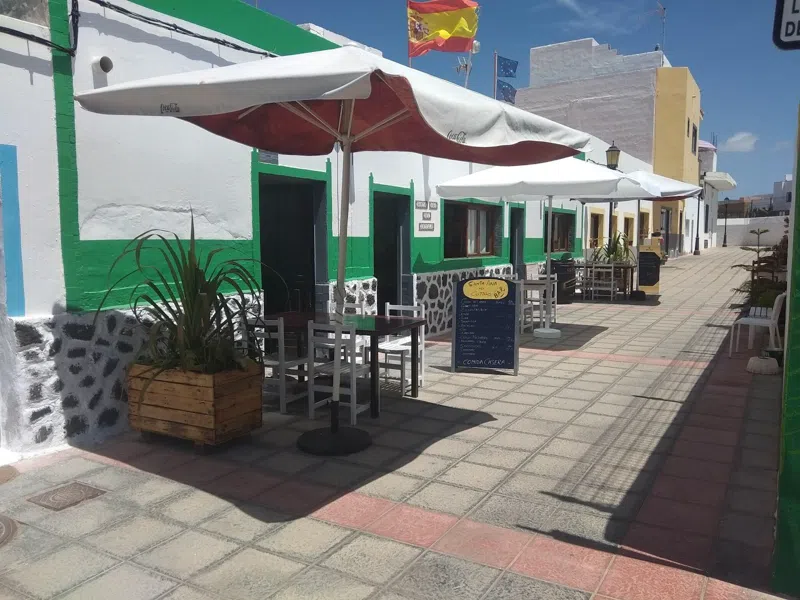
Santa Ana del Cotillo
A harbourside fixture that draws the heaviest review count in the village for a reason: straightforward grilled fish and seafood rice served right by the fishing boats it comes off.
Signature: grilled catch of the day
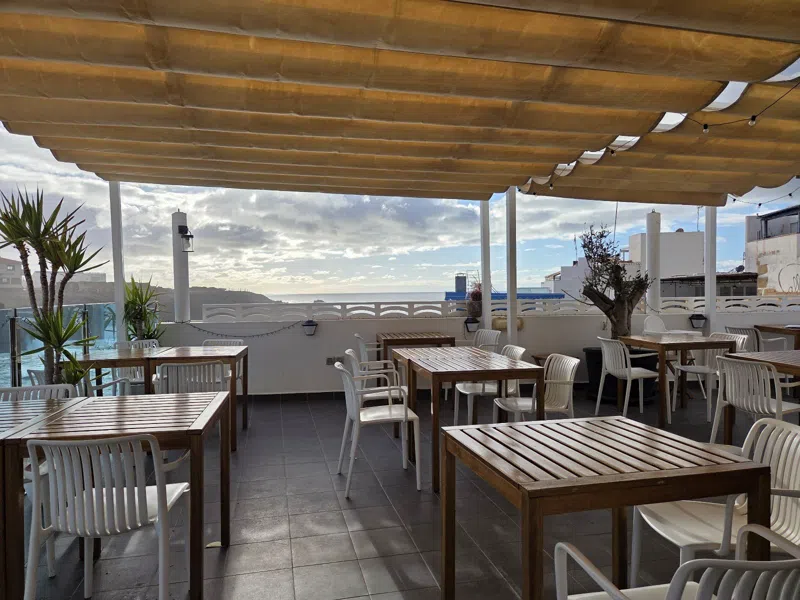
Pez Gordo Fuerteventura
A smaller, chef-driven room on Calle Requena that treats the day's catch with more technique than the harbourfront spots, without losing the fish-market freshness.
Signature: market fish of the day
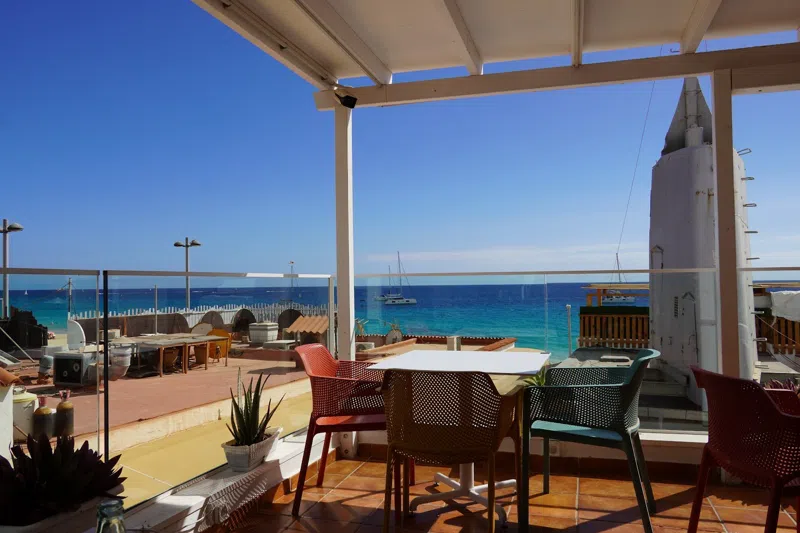
Restaurante La Puntilla Casa Menso
The old town's go-to taverna, pulling in fish caught that same morning in the harbour just below it and serving it with none of the fuss of the resort-strip places.
Signature: fresh-caught fish of the day
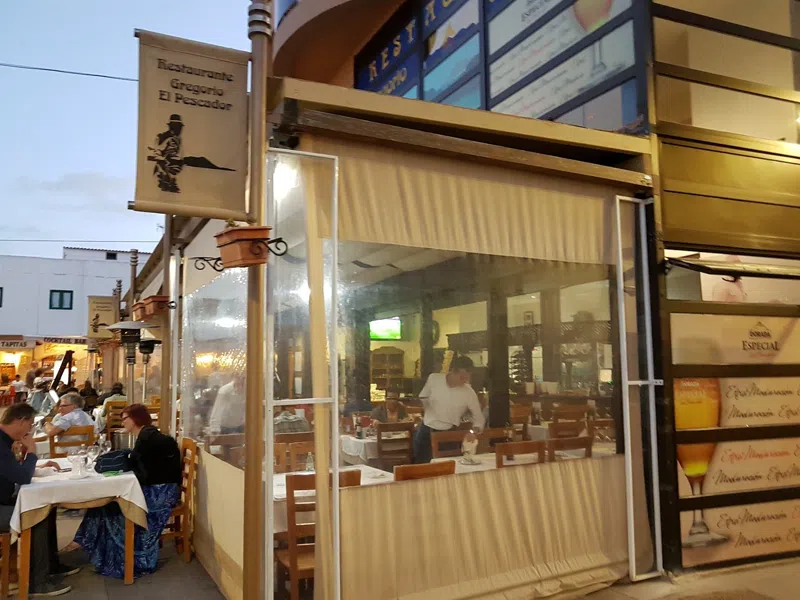
Gregorio El Pescador
A long-standing fisherman's-name restaurant known for a generous, well-made paella and simply grilled seafood at fair prices, away from the music-square crowds.
Signature: seafood paella
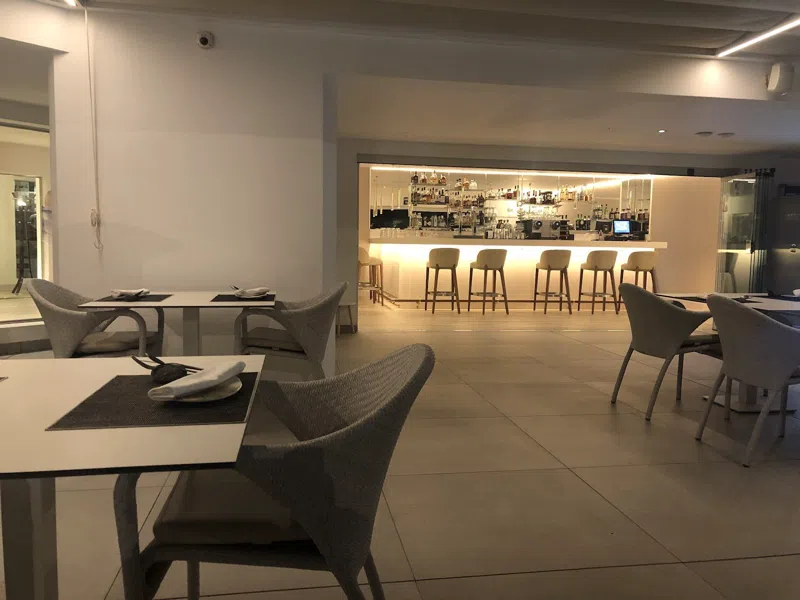
El Pellizco by Rigoberto Almeida
The restaurant that brought Fuerteventura back into the Michelin Guide after ten years out, run by a Cuban chef with Canarian roots who plates Caribbean technique over Majorero ingredients, including a cured-fish tomato jelly and a goat leg cured with a 'goat-bushi' method.
Signature: Pez en el agua (cured fish in majorero tomato jelly)
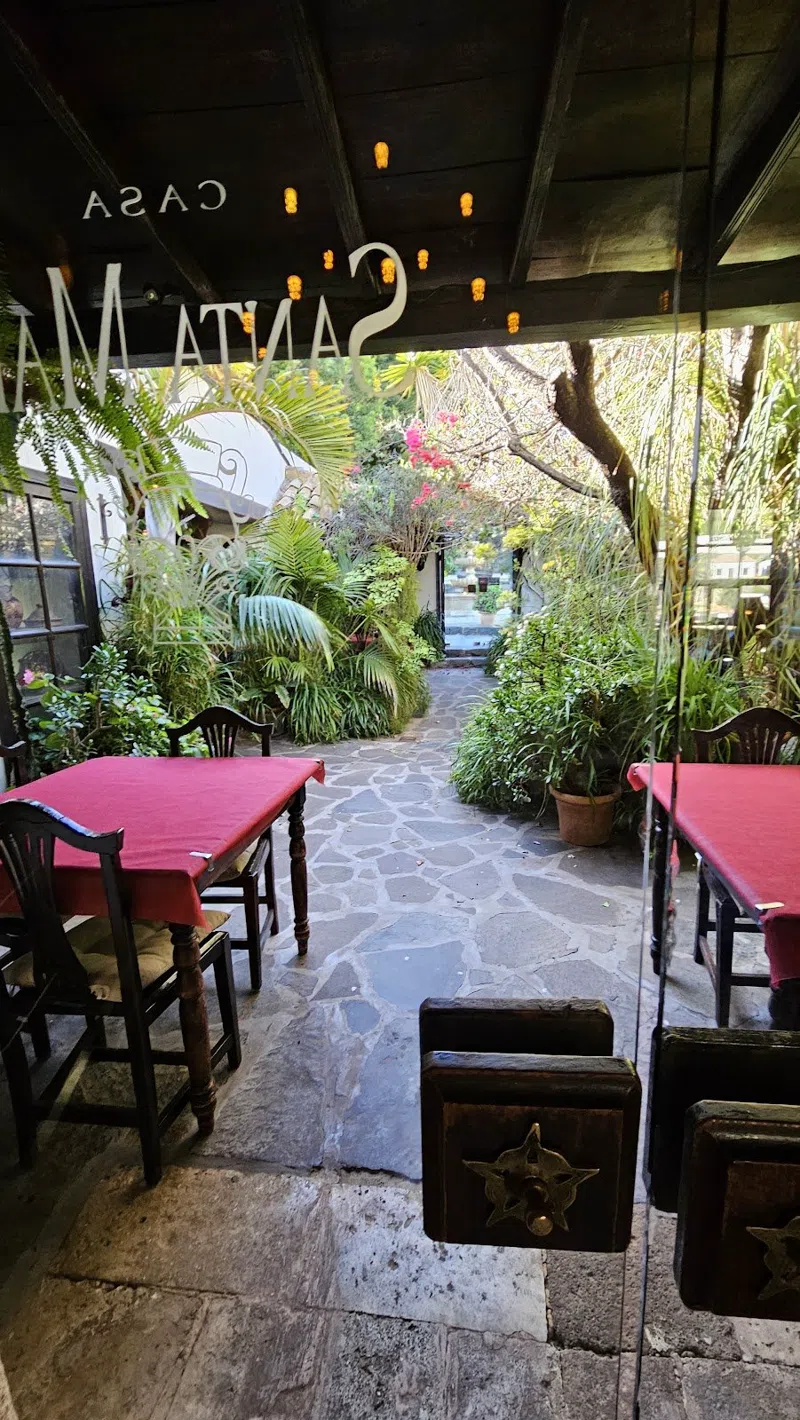
Casa Santa Maria
Set in a 500-year-old farmhouse in the island's old capital, long flagged by Michelin as the most charming address on the island for traditional Canarian cooking served with real ceremony in a walled garden courtyard.
Signature: traditional Canarian tasting menu
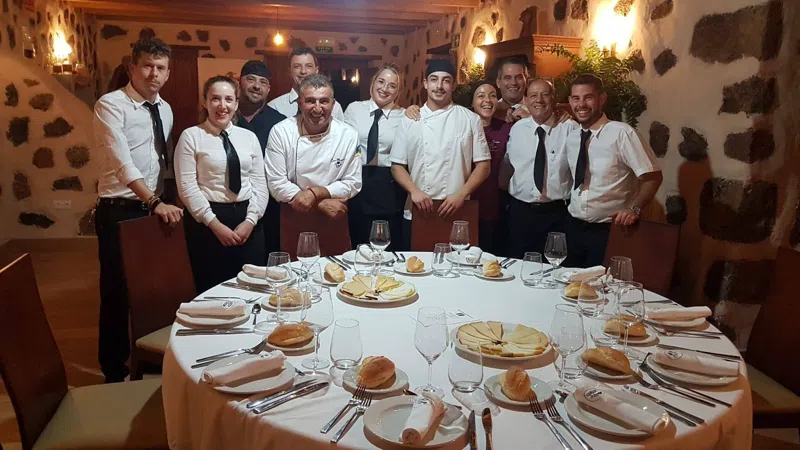
Casa Marcos
A former Michelin Bib Gourmand holder built around a huge wood-fired grill, serving Canarian country cooking with vegetables from its own garden in a converted old farmhouse setting.
Signature: wood-grilled Canarian meats
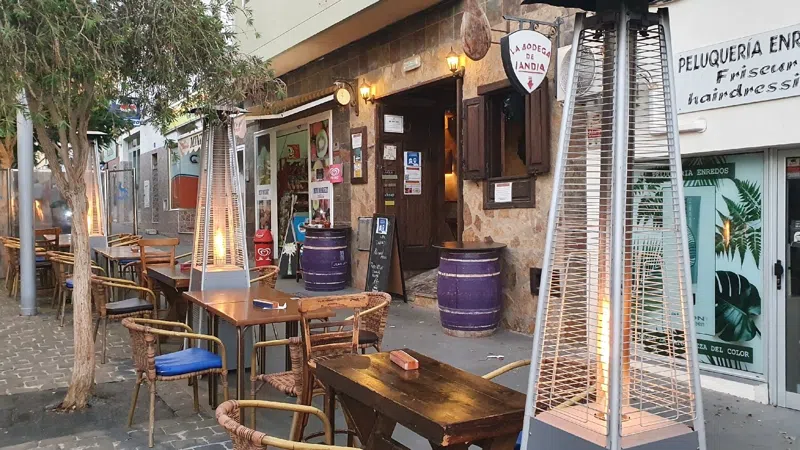
La Bodega de Jandia
A small dinner-only wine bar that fills fast and rewards booking ahead, known among locals for gofio mousse and a genuinely well-chosen regional wine list to go with its tapas.
Signature: mousse de gofio
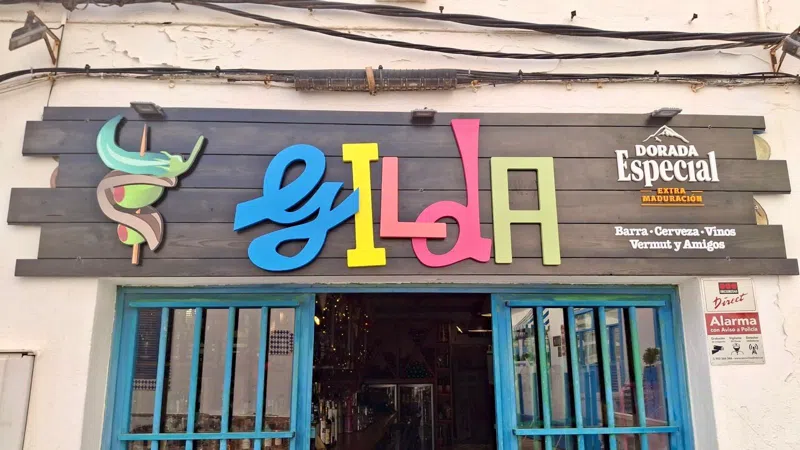
Gilda Casa de Pinchos & Tapas
A family-run pintxos-and-tapas bar away from the touristic centre that locals point to as the honest, fairly priced alternative to the music-square restaurants.
Signature: pintxos selection
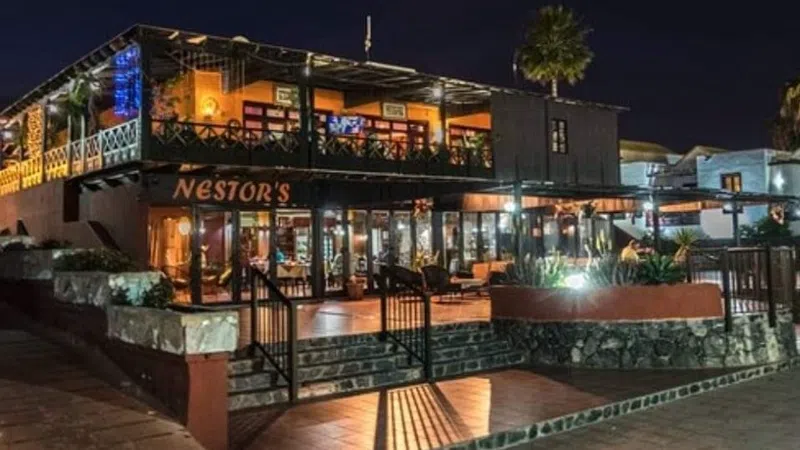
Nestor's Restaurant & Steakhouse
A long-running, consistently well-reviewed grill on Calle El Greco known for generously sized cuts served without pretension.
Signature: grilled steak cuts
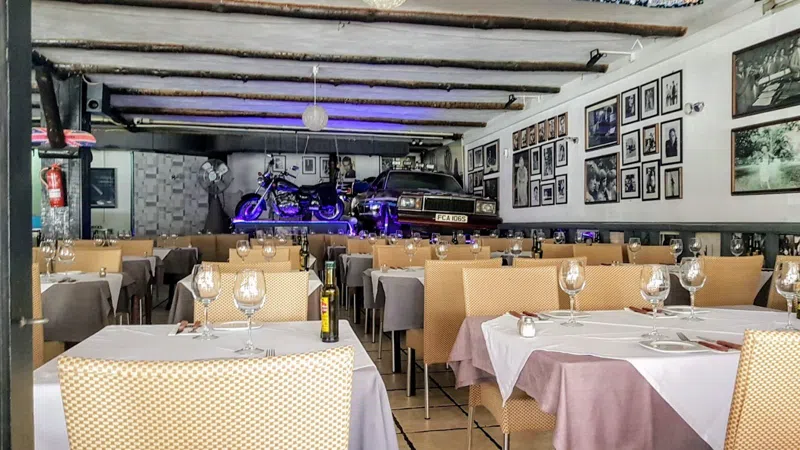
Fado Rock Steak House
A Portuguese-run steakhouse with a varied barbecue menu that has built a loyal following among resort regulars for its char-grilled meats.
Signature: mixed barbecue grill
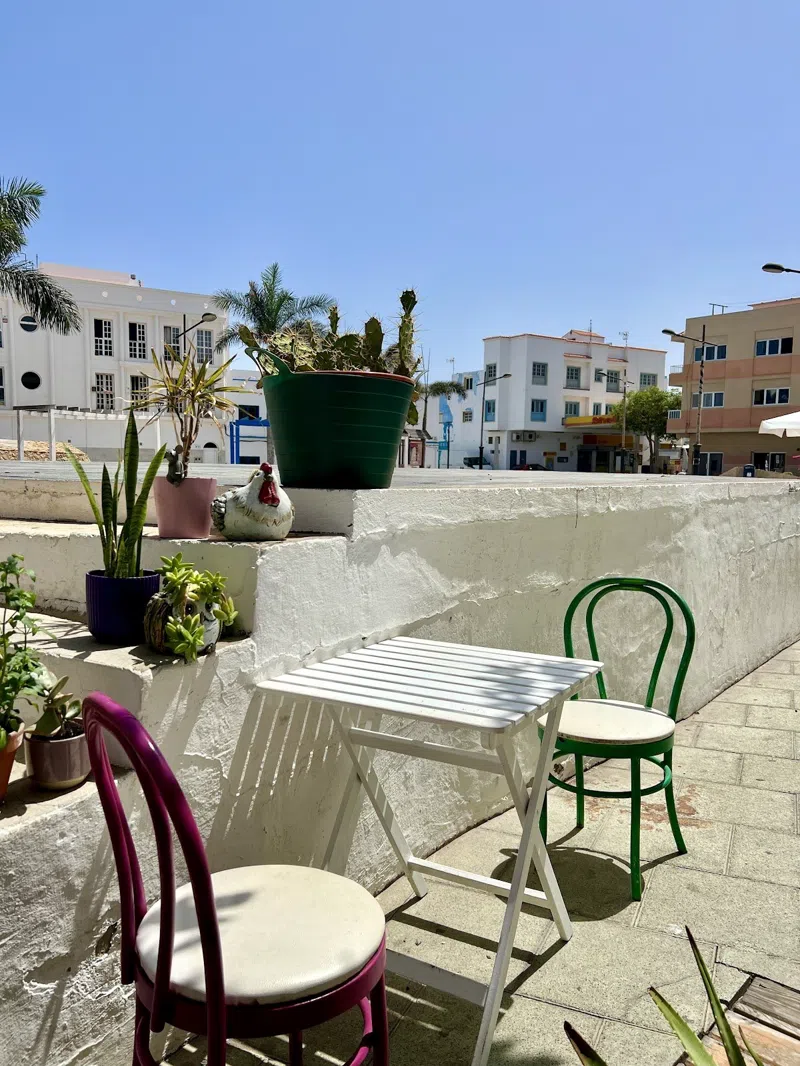
H2O Juice Bar & Vegan Cafè
A tiny terrace café near Plaza Patricio Calero built around fresh juices and smoothies, with a short vegan menu of burgers, salads and bowls that regulars rate above its size suggests.
Signature: fresh fruit and vegetable juices
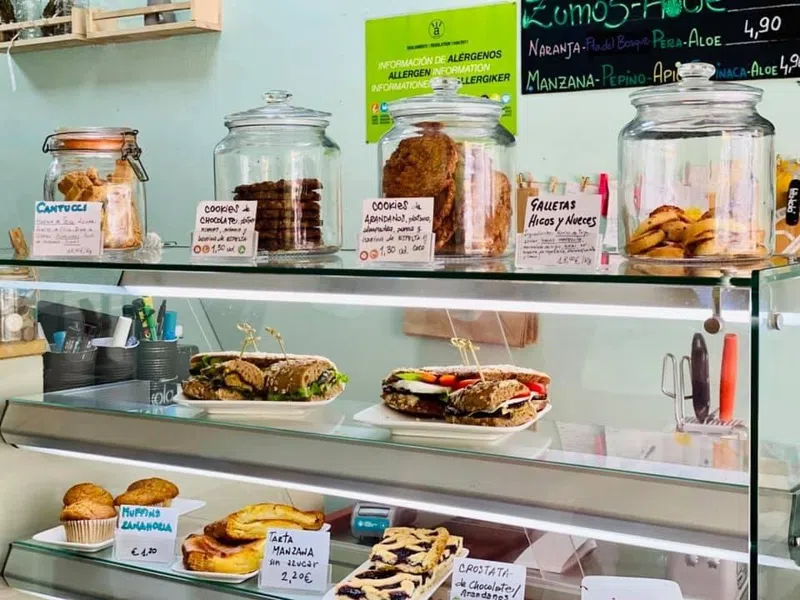
Ceci Cafe
A relaxed café with a genuinely wide vegetarian and vegan selection and staff well versed in allergen questions, used by long-stay residents as much as visitors.
Signature: vegetarian bowls and salads
After dark
Nightlife
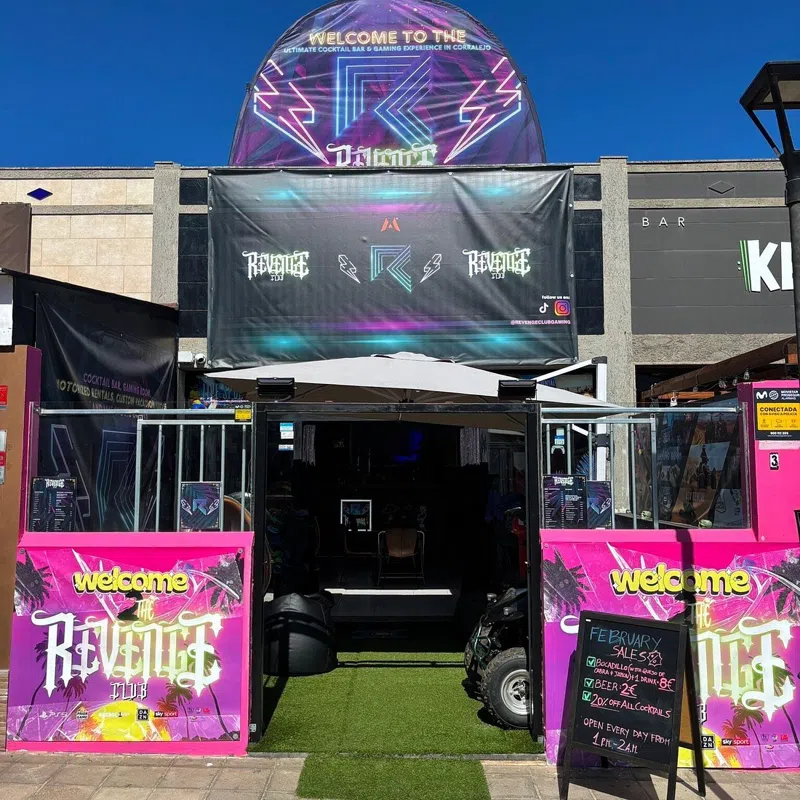
Revenge Club
Named the island's best club by Restaurant Guru, it pairs a dancefloor with an arcade and gaming lounge, drawing a mixed crowd that stays for the games as much as the music.

Tortuga Fuerteventura
Widely regarded as the liveliest dancefloor in the south, playing mostly Latin music with cheap drinks and a reliably busy late crowd.
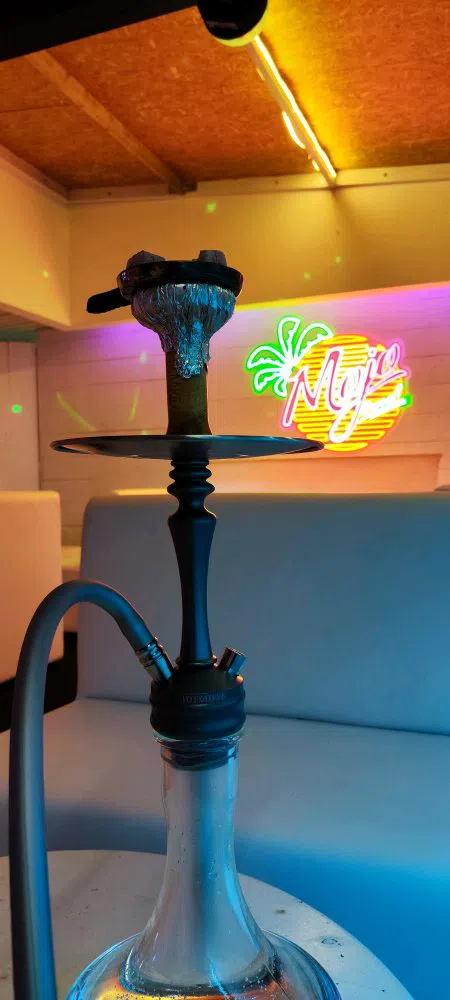
Mojo Beach Club
Runs two distinct rooms, one reggaeton and dembow, one house, letting the same late-night crowd move between sounds without leaving the building.
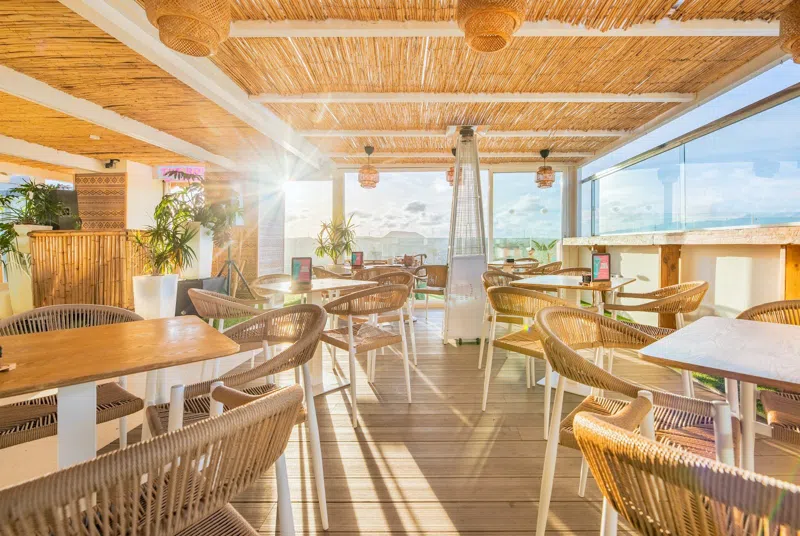
The Roof Chill Out
A relaxed rooftop built for the long golden-hour wind-down, with Atlantic views over the town and a cocktail list longer than the food menu.
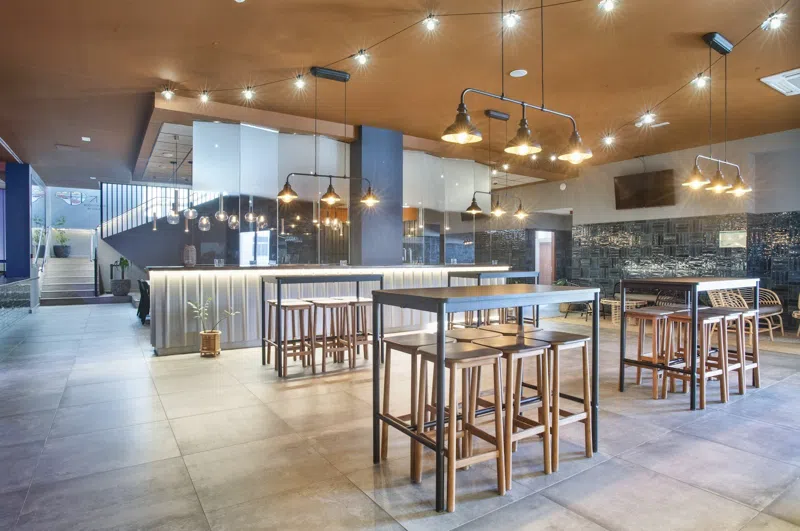
Solar Restaurant & Rooftop Bar
An open-air rooftop over the bay that doubles as a live-music venue, giving it the best sunset sightline in the village alongside its cocktails.
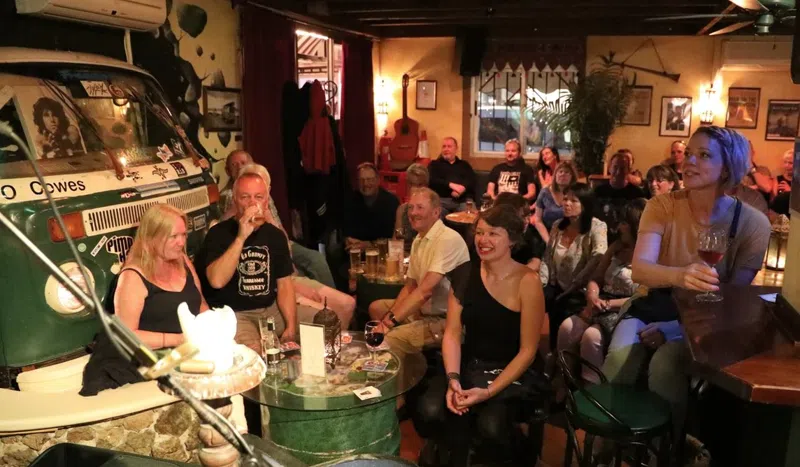
Rock Island Bar
Corralejo's longest-running live venue, built around unplugged acoustic sets across rock, blues and Celtic music rather than backing-track karaoke nights.
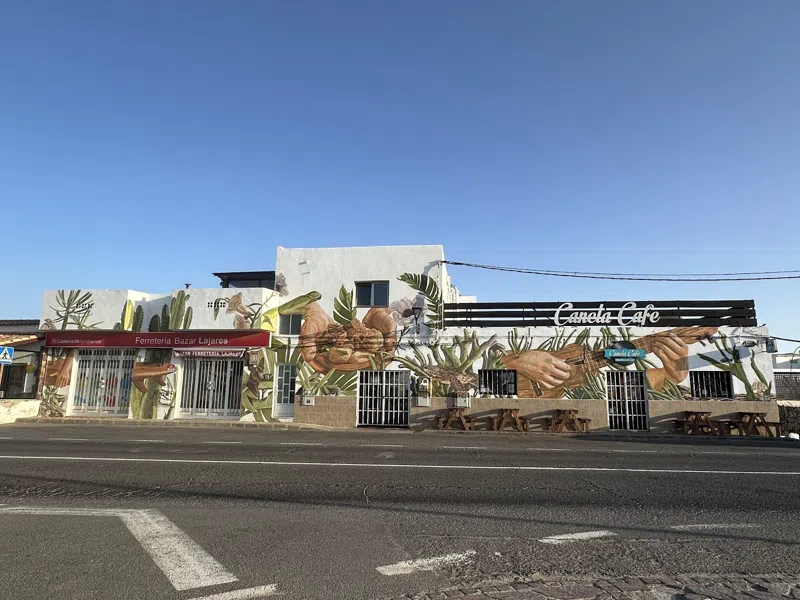
Canela Cafe
Host of the village's Wednesday jam session, where surf instructors, farmers and long-stay travellers turn up with instruments and the night runs on whoever shows.
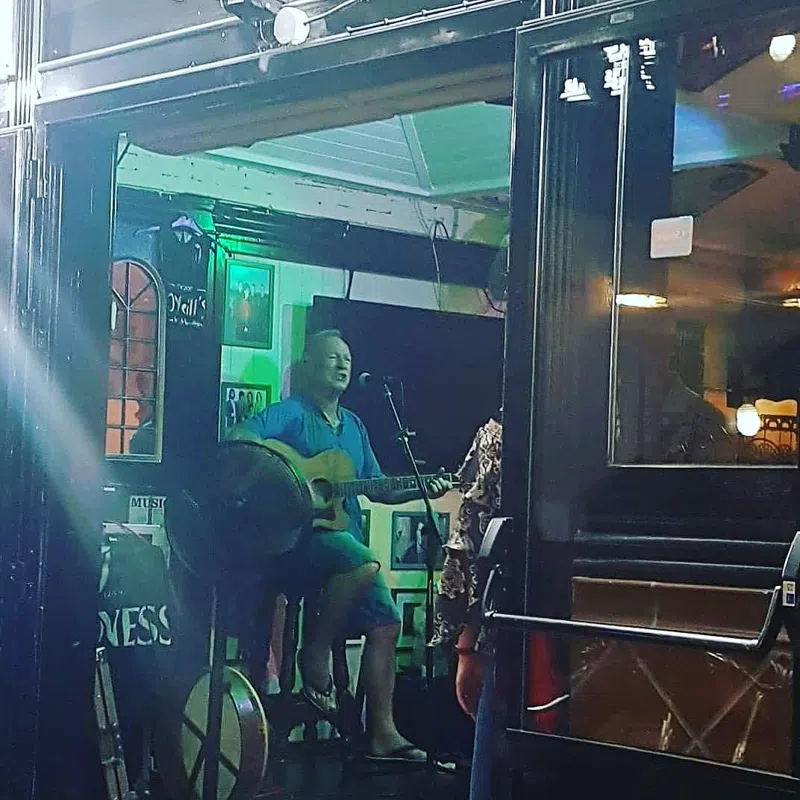
O'Neill's Irish Pub
A long-running Irish bar in the Atlántico shopping centre with live musicians most nights, a strong Guinness pour and GAA and rugby on the screens for homesick fans.
Art & history
Culture
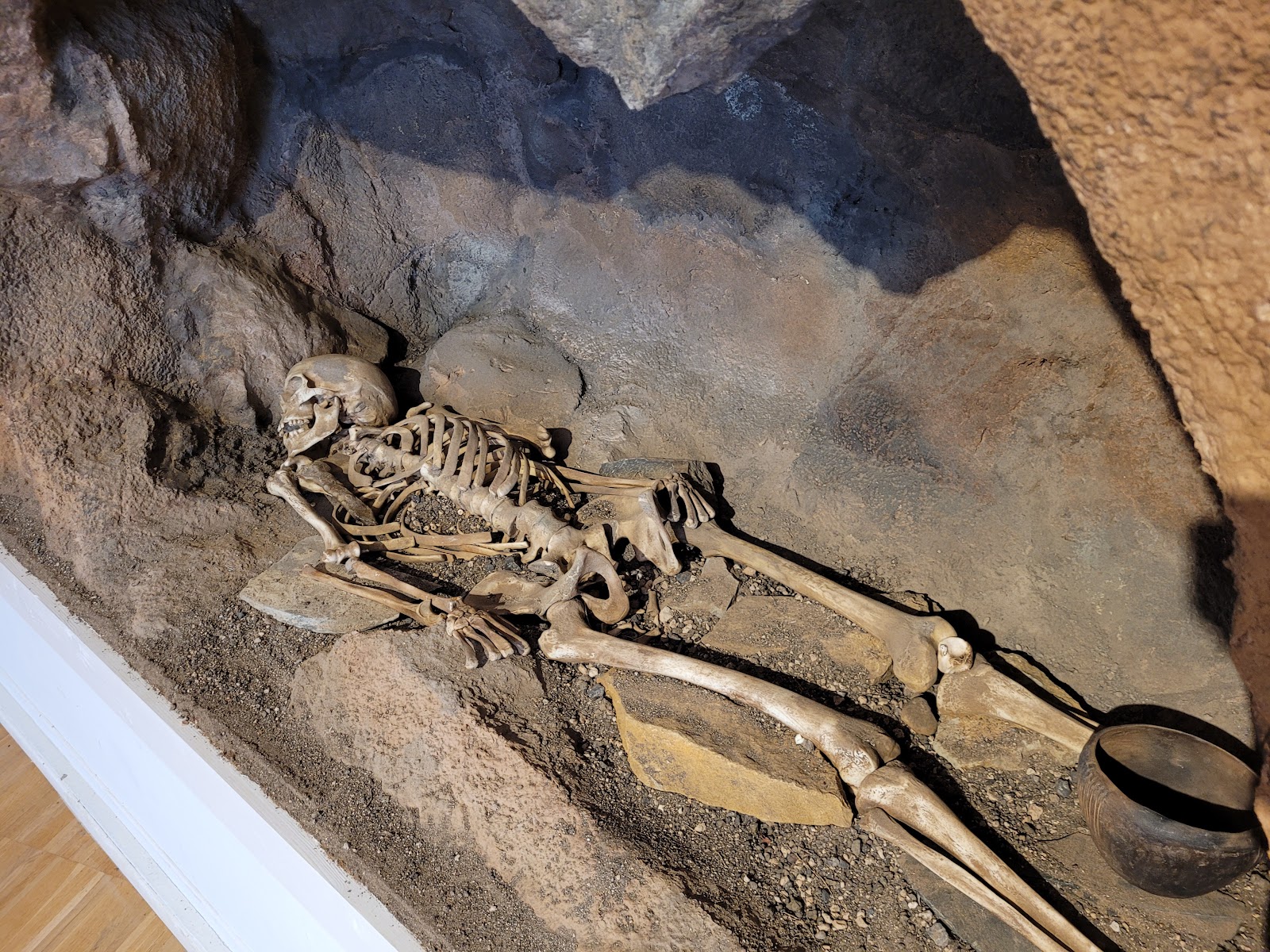
Museo Arqueológico de Fuerteventura
Covers the pre-conquest Majo culture and the first European expeditions to the islands, set in the town that was the result of that conquest.
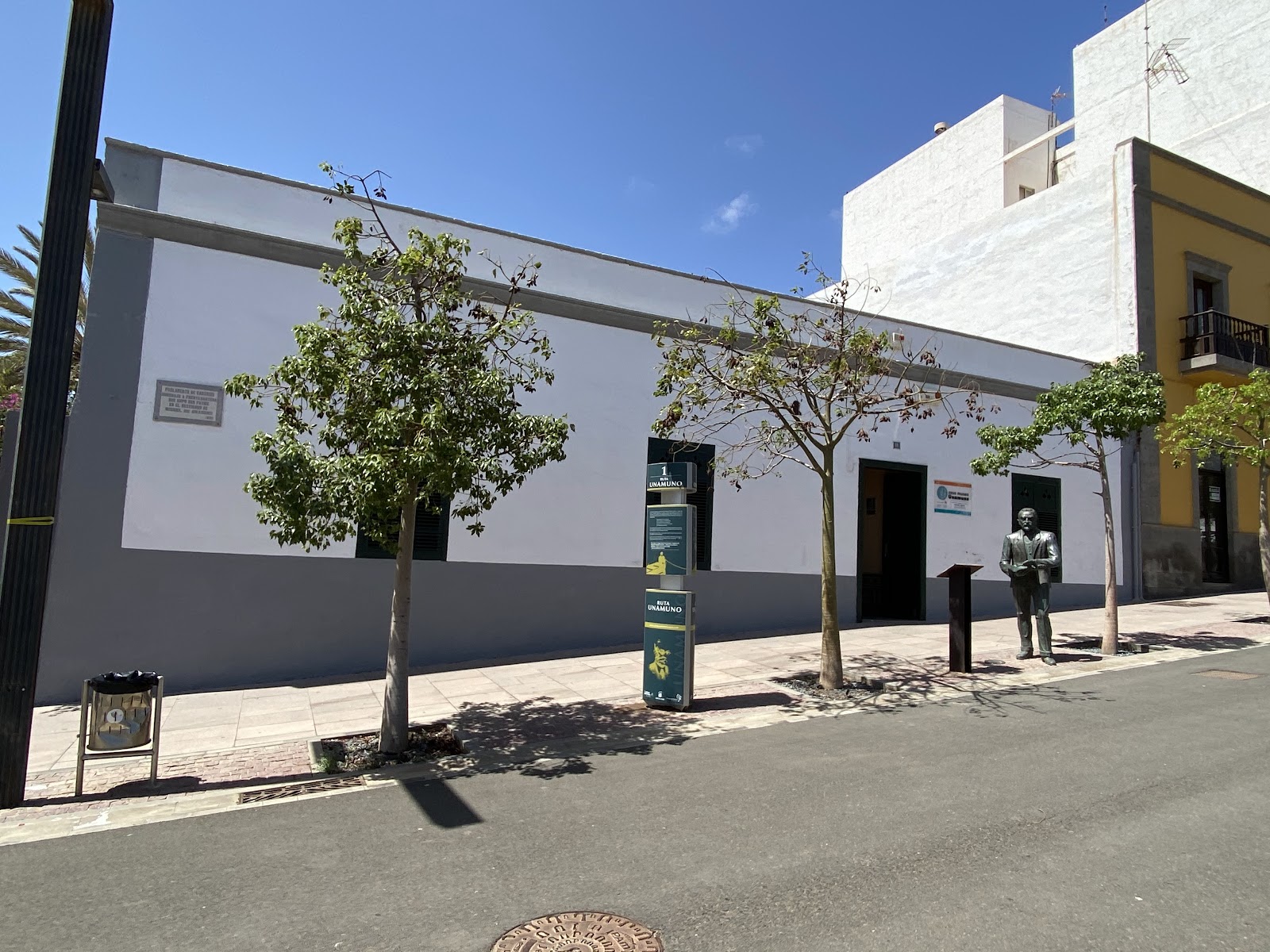
Casa Museo Miguel de Unamuno
The recreated former home of the exiled Spanish writer Miguel de Unamuno, whose writings about the island are credited with first bringing it international attention.
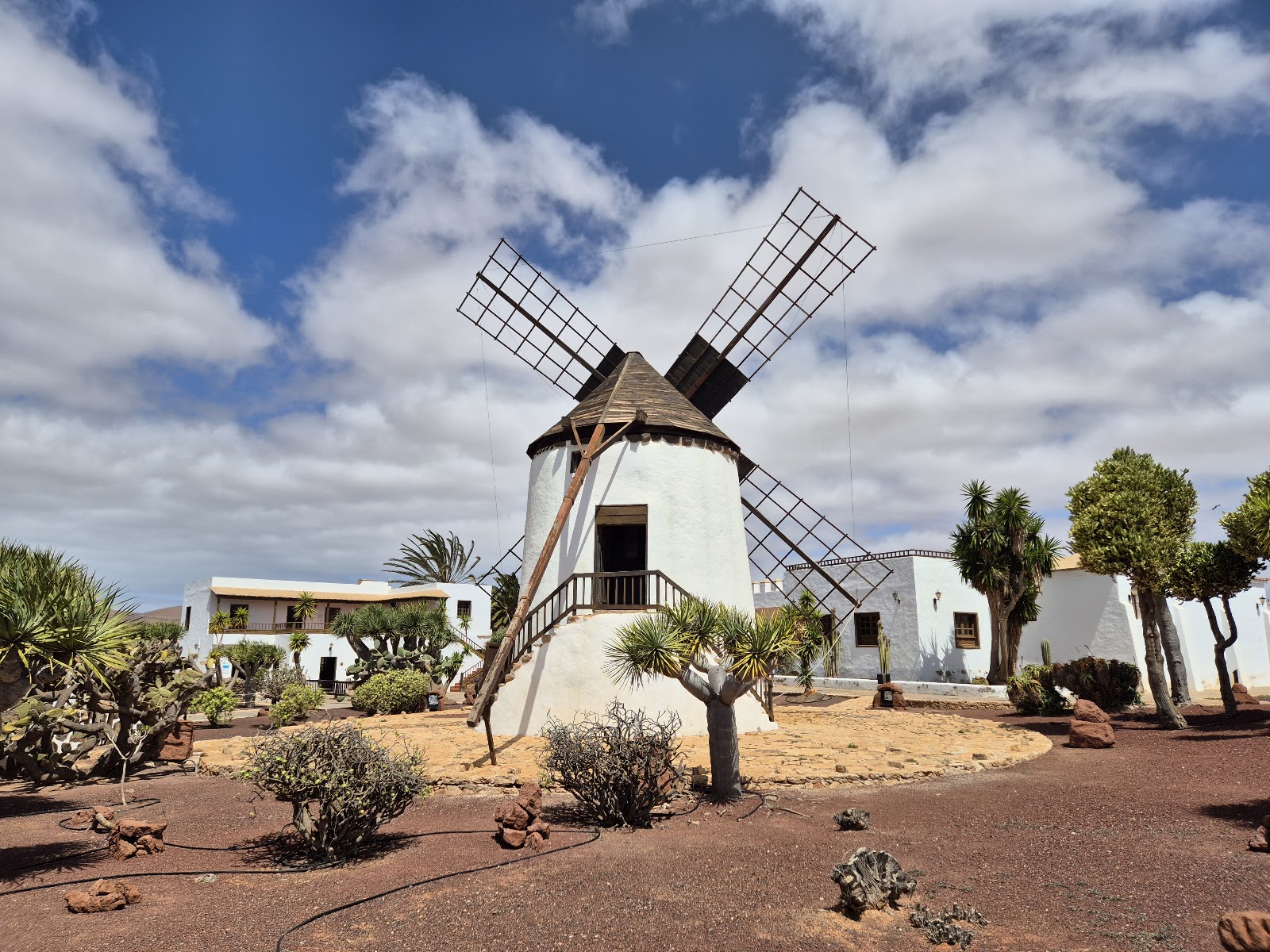
Molino de Antigua Craft Centre
Built around a restored gofio mill, it traces the island's agricultural and craft history with working demonstrations of grinding and weaving.
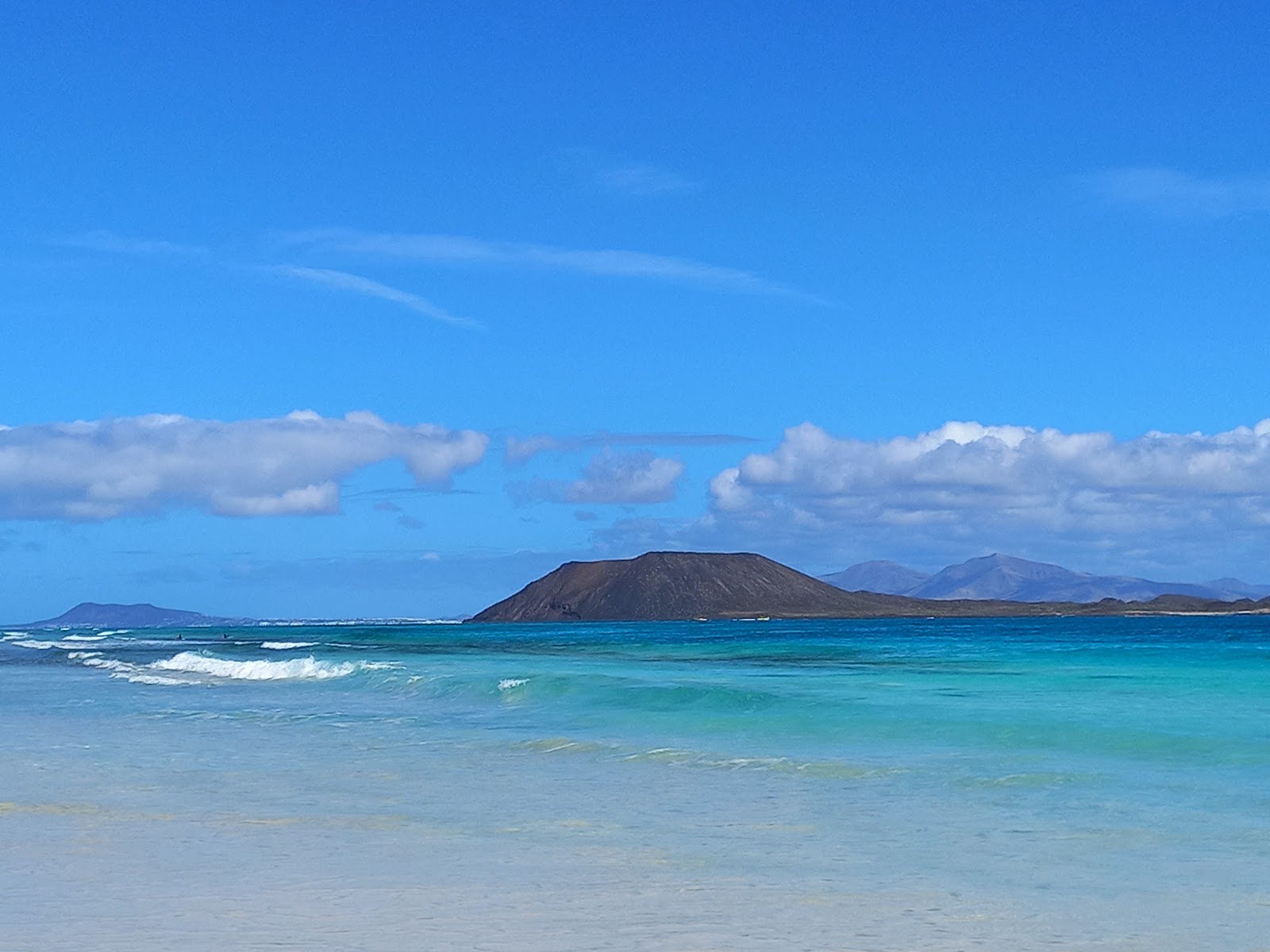
Corralejo Natural Park dunes
The Canaries' largest dune field, built by the same relentless trade winds that power the island's water sports, running for kilometres behind the Grandes Playas.
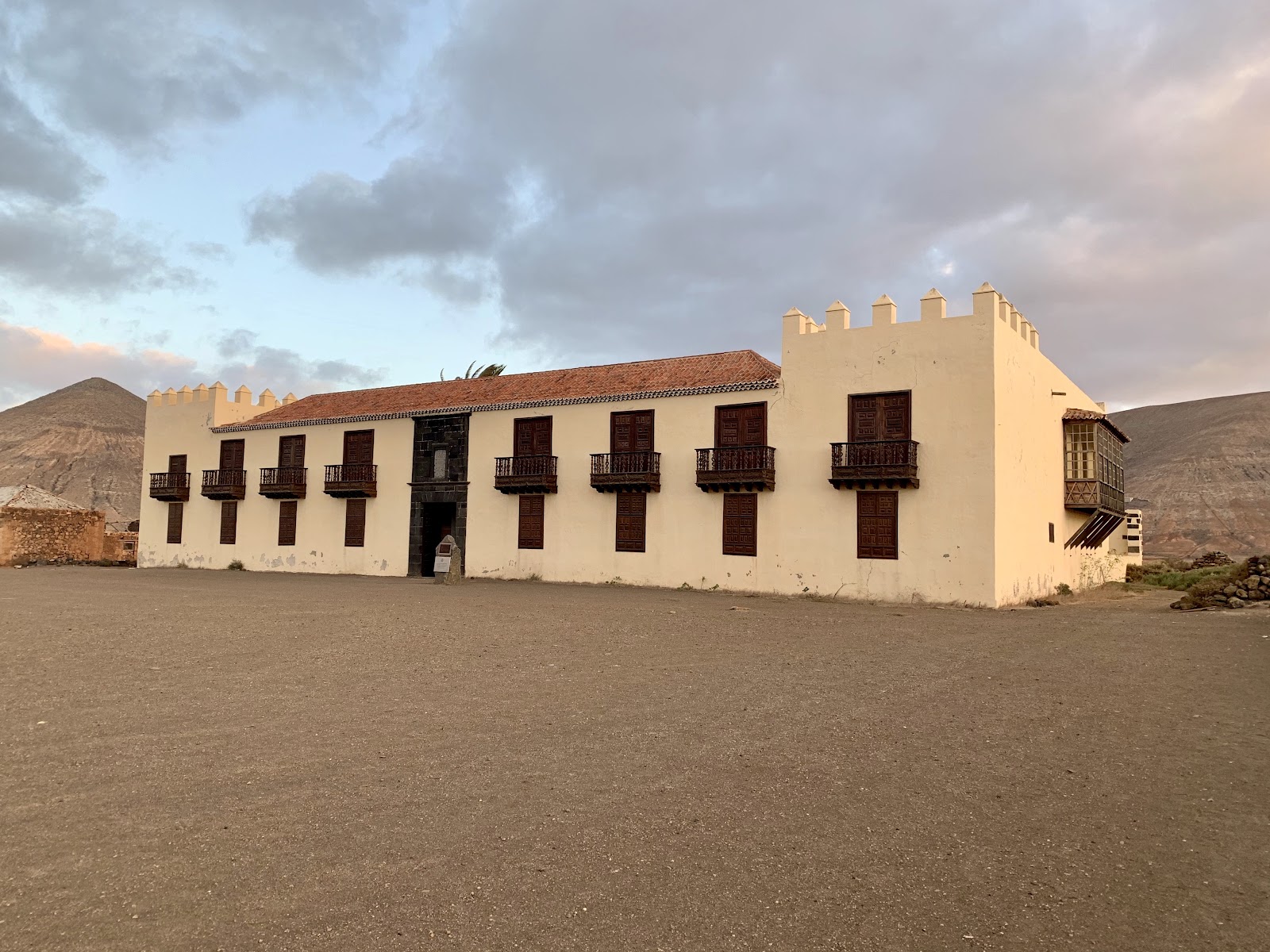
Casa de los Coroneles
A fortified 17th-century mansion that was the seat of the island's military governors, the largest and most imposing civil building Fuerteventura built before tourism.
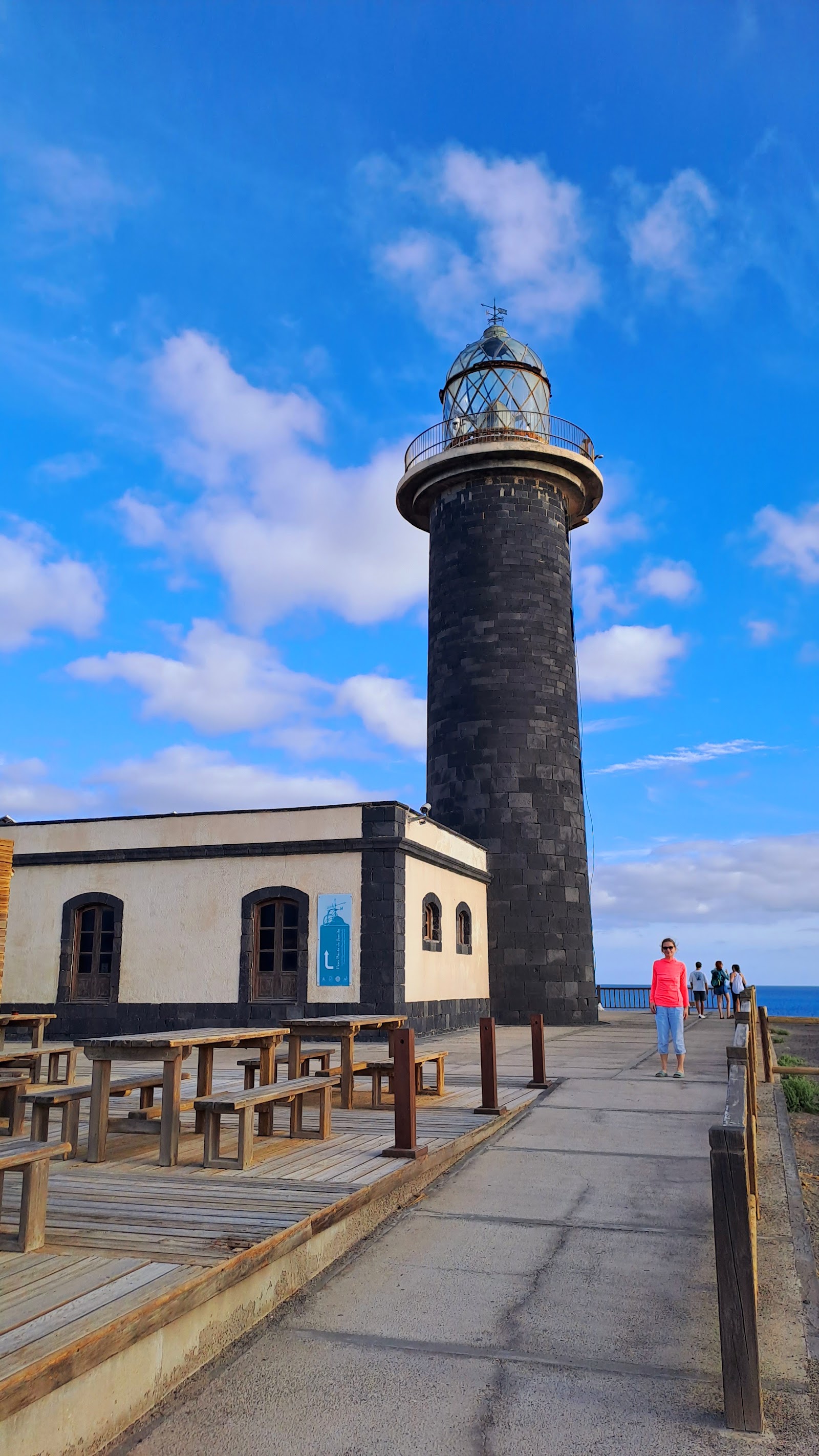
Punta de Jandía Lighthouse
A stone tower from 1864 marking the island's southernmost point, reached by a rough track that is itself part of the attraction, with the Atlantic open on three sides.
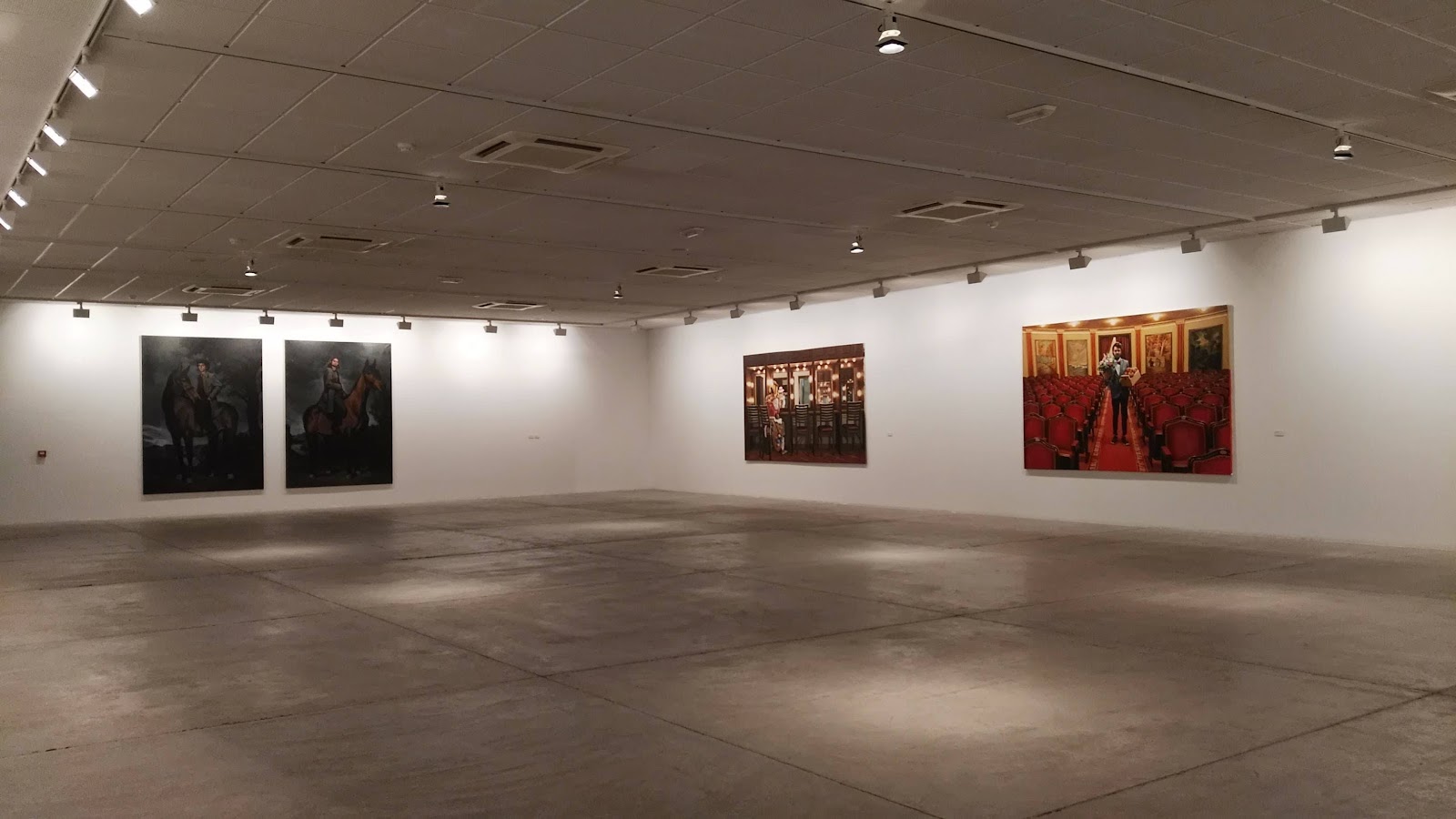
Centro de Arte Juan Ismael
Named for the island's own surrealist painter and poet, with a plain exterior that opens into a port-view gallery mixing his work with contemporary Canarian and mainland Spanish artists.
Centro de Arte Canario
Sits between the Casa de los Coroneles and the old church, showing permanent and rotating collections of island and archipelago-wide contemporary art in landscaped grounds.
Timing
When to visit
Spring (March-May)
Daytime highs around 22-24°C, the greenest the arid interior gets after any winter rain, and reliable wind without summer's peak heat. Carnival season runs into early March in Corralejo and Puerto del Rosario. A good compromise month for hiking the interior before it gets too hot.
Summer (June-September)
Hottest and sunniest, with highs around 27-29°C and sea temperatures climbing to the low twenties. The Sotavento windsurf and wingfoil world championships run through July, and the resort coasts are at their busiest and priciest. Calima dust events, when they happen, are more common in this window.
Autumn (October-November)
Sea is at its warmest for swimming, crowds thin out after the summer peak, and wind remains dependable for kite and windsurf schools. The island's International Kite Festival fills the skies over Corralejo and El Cotillo in November, free to watch and one of the better reasons to time a trip around an event.
Winter (December-February)
Mild rather than cold, with highs still around 20-21°C, making it one of Europe's reliable winter-sun islands and its busiest season with UK and German charter traffic. Surf swells from the north and west peak in these months, which is why the north-coast surf camps run flat out.
What it costs
Budgeting
Logistics
Getting around
From the airport
Fuerteventura Airport sits just south of Puerto del Rosario, a few kilometres from the capital and roughly 35-45 minutes by road from Corralejo in the north or Caleta de Fuste just down the coast; Costa Calma and Morro Jable in the south are closer to an hour away. Car hire desks are at the terminal and renting there, rather than through a resort kiosk, generally gives the widest choice. Tiadhe buses and taxis both run from outside arrivals, but buses are infrequent enough that a car or pre-booked transfer suits most itineraries better.
Public transit
Tiadhe is the island's sole bus operator, running around 18 routes that link Puerto del Rosario to every main town: north to Corralejo, south through Caleta de Fuste, Gran Tarajal and Costa Calma down to Morro Jable, and inland to Betancuria and La Oliva on lighter schedules. Services are built for commuters and school runs rather than tourists, so they thin out sharply on weekends and in low season, and a same-day return to a far-flung village can mean a long wait.
Passes & tickets
There's no tourist travel pass worth buying; fares are paid per journey and stay cheap, with short hops costing a couple of euros and the longest cross-island run to Morro Jable still landing in low single figures. A multi-trip card exists for residents and regular users rather than visitors, so it's not worth the hassle for a short stay.
On foot
Each resort town is walkable once you're there: Corralejo's old town and seafront, El Cotillo's harbour lanes, and Morro Jable's promenade are all compact and pedestrian-friendly. The island as a whole is not walkable between towns, distances are long, pavements vanish outside the resorts, and the interior roads have no shoulder and fast traffic, so plan point-to-point movement by car or bus rather than on foot.
Local etiquette
Safety & etiquette
- Cover shoulders and knees when visiting a church, and don't wear beachwear in village centres or restaurants away from the sand; it reads as careless rather than relaxed.
- Expect shops and some restaurants to close for a few hours in the early-to-mid afternoon, especially outside the main resort strips; plan errands around it rather than against it.
- Rounding up the bill or leaving 5-10% in restaurants is appreciated but not expected; tipping in bars and cafés is a matter of loose change rather than a percentage.
- Greet shopkeepers and bar staff with a simple 'buenos días' or 'buenas tardes' before ordering; it's a small courtesy that's noticed in villages more than in resort bars.
Travel smart
Practical tips
- Rent your car at the airport rather than through a resort desk; selection and prices are both better there, and it avoids a separate transfer cost on arrival.
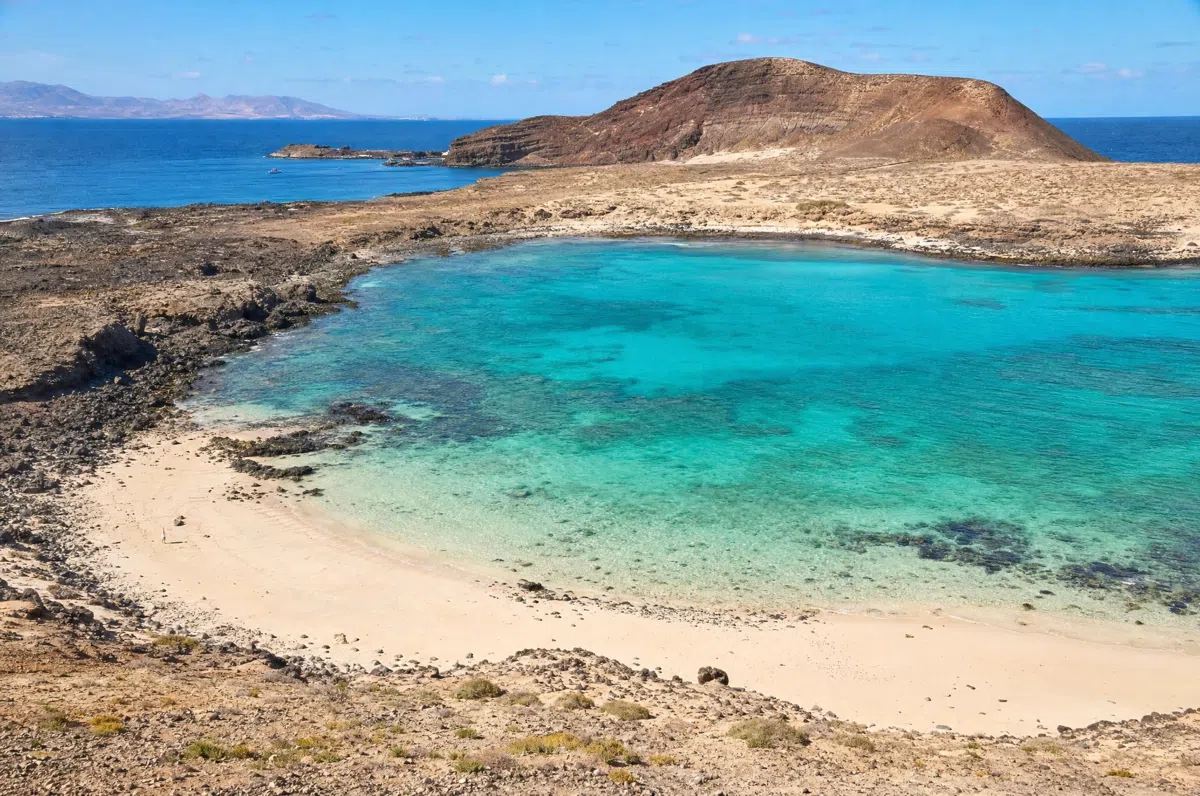
- Book Isla de Lobos permits as soon as your dates are fixed; the 400-visitor daily cap fills during school holidays and peak season weeks ahead.
- Fill up on petrol before driving into the interior; stations are common around the resort towns and Puerto del Rosario but sparse past Betancuria and the central villages.
- Treat the trade wind as a planning factor, not a footnote; it's strongest and most reliable on the north and west coasts, which is exactly why those coasts are the surf and kite bases and the east coast resorts are calmer for swimming.
- Reserve a table at smaller, well-reviewed restaurants like La Bodega de Jandia or Pez Gordo rather than turning up; they're small rooms that fill fast on good nights.
- Keep cash on hand for small cafés and some village restaurants; a few genuinely good spots, including some vegan cafés in Corralejo, don't take cards.
- If visiting in July, expect Sotavento and the surrounding Costa Calma area to be at its busiest and most expensive, since the windsurf and wingfoil world championships draw crowds well beyond the usual summer peak.
Before you go
Fuerteventura FAQs
Do I need a car on Fuerteventura?
If you're staying put at one beach resort, no. For anything more, seeing Betancuria, the Ajuy caves, Lajares or more than one coast, a car is close to essential, since the Tiadhe bus network is built for residents and runs too thin for flexible sightseeing.
Is Fuerteventura good for a family holiday?
Yes, particularly Caleta de Fuste, whose sheltered horseshoe bay keeps the water calm for young children, and the wider island's low crime rate and easy, flat beaches suit families well; just budget real driving time if you want to explore beyond your resort.
What's the best area to stay for surfing?
El Cotillo and Lajares both put you within a short drive of the north coast's best beginner and intermediate breaks, while La Pared and Costa Calma serve the south's stronger, more consistent swells; Corralejo works too but its breaks are more crowded.
Is the water warm enough to swim year-round?
Yes, sea temperatures rarely drop below 18°C even in the coolest months of January to March, rising to a comfortable 21-24°C from June to October, so swimming is realistic in any season, just with a wetsuit worth considering outside summer.
How do I get to Isla de Lobos and do I need to book ahead?
Boats run the short crossing from Corralejo harbour, but access to the island itself is capped at 400 visitors a day split across two four-hour windows, so the free Lobos Pass permit needs booking online in advance, especially around school holidays.
Is Fuerteventura cheaper than other Canary Islands?
Generally yes; accommodation and dining both tend to run below equivalent options on Tenerife or Gran Canaria, which combined with reliable weather is a large part of why it has built such a loyal package-holiday following.
What should I pack that's easy to overlook?
A proper windbreaker or light wetsuit for watersports regardless of season, since the trade wind that makes the island famous for kitesurfing also makes beach afternoons cooler than the air temperature suggests.