
Island guide
El Hierro
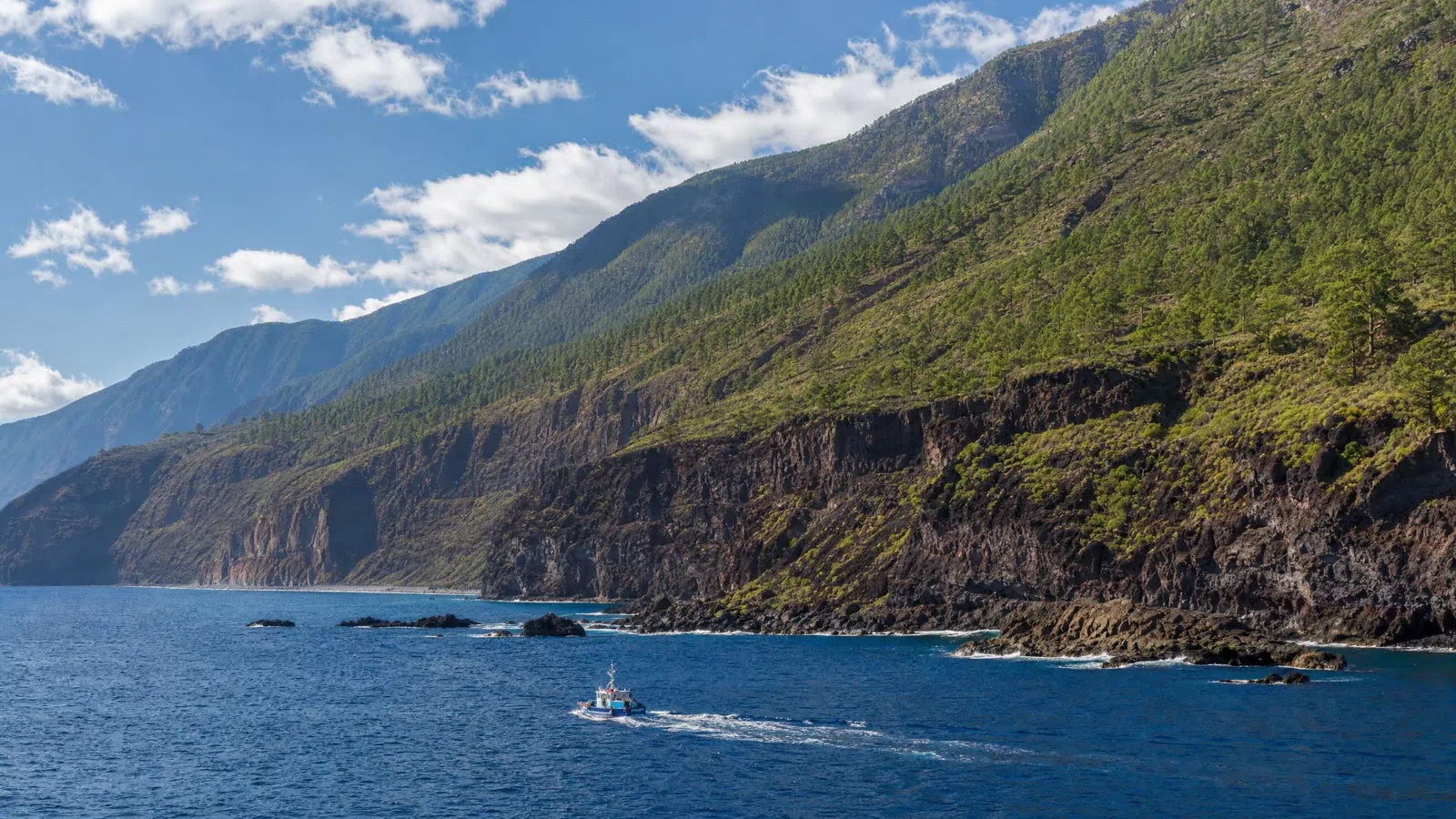
El Hierro has more volcanoes than people have patience to count: over 500 open craters on a patch of land 268 square kilometres wide, the youngest and smallest of the inhabited Canary Islands.
Plan your El Hierro trip
Live prices from our booking partners.
Guests & rooms
Free cancellation on many rooms. We may earn a commission when you book.
An insider’s read on El Hierro
The Bimbaches arrived from North Africa around the second century and built a life on an island with no rivers, relying in part on the Garoé, a tree in the hills above Valverde that condenses the trade-wind clouds into dripping water. Norman conqueror Jean de Bethencourt took the island in the early 1400s; the Bimbaches put up little resistance and were absorbed into the new Canarian peasant population rather than wiped out, which is part of why the island's indigenous memory is woven into daily life rather than sealed off in a museum case.
Drought shaped everything after that. Herreños emigrated in waves, above all to Venezuela in the twentieth century, and the island only got an electrical grid in the 1970s. That recent, hard-won modernity explains why El Hierro feels unfinished in places and intensely proud in others: the Gorona del Viento wind-and-hydro plant that now runs the island for days on renewables alone is the same impulse that once sent islanders out looking for water under a sacred tree.
The Bajada de la Virgen de los Reyes, a procession of the island's patron saint from a shrine in the far west to Valverde, happens only once every four years and still draws every village out in traditional dress, walking the same ridge route pilgrims have used for centuries. That slow, four-year rhythm, rather than an annual festival calendar, says something true about how El Hierro keeps time: it doesn't perform for visitors, it just keeps doing what it has always done, and visitors are welcome to watch.
You arrive via Tenerife or Gran Canaria, by a small inter-island plane or a car ferry that takes over two hours
From our El Hierro guide
Eight neighbourhoods, eight ways to stay
Pick the neighbourhood first and the trip follows. Each one opens its own guide, with the hotels inside it.
Valverde
Best for travellers who want a working base with services close by and don't mind a short drive to reach the coast, diving or the best natural pools; it is the most practical first and last night on the island.
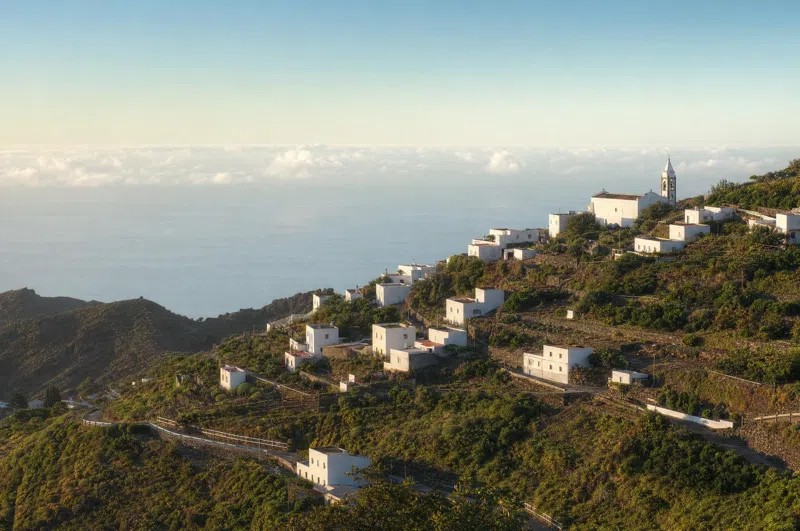
The only Canarian capital not on the coast, built up in the hills to dodge historic pirate raids, with a tight maze of steep streets around an eighteenth-century church and a population small enough that everyone seems to know the bus driver by name. It has the island's only real concentration of shops, offices and year-round restaurants.
Where to stay A handful of small hotels and guesthouses in the old centre, plus the island's main backpacker hostel, make Valverde the easiest place to arrive without a reservation sorted weeks out.
Stay in Valverde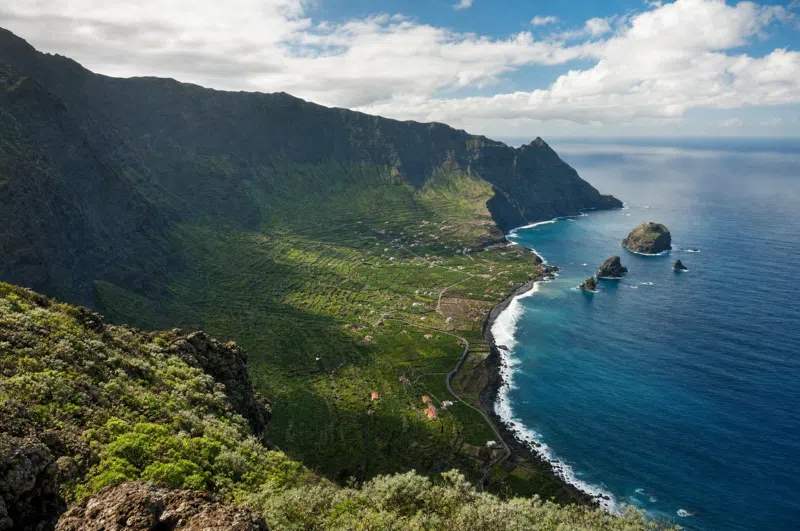
Frontera and Tigaday (El Golfo valley)
Suits travellers who want to be close to natural pools, the Ecomuseo de Guinea and the island's wine country without basing themselves in the capital; the trade-off is a 25-40 minute drive to reach La Restinga or the airport.
A green, terraced valley cupped inside a vast prehistoric landslide scarp, with vineyards, banana plots and the island's main shopping street in Tigaday running along the valley floor beneath a mile-high cliff. It feels more lived-in and agricultural than scenic-postcard, which is exactly its appeal.
Where to stay Rural hotels and guesthouses built into old Herreño farmhouses are concentrated here, generally better value and more characterful than anything in Valverde.
Stay in Frontera and Tigaday (El Golfo valley)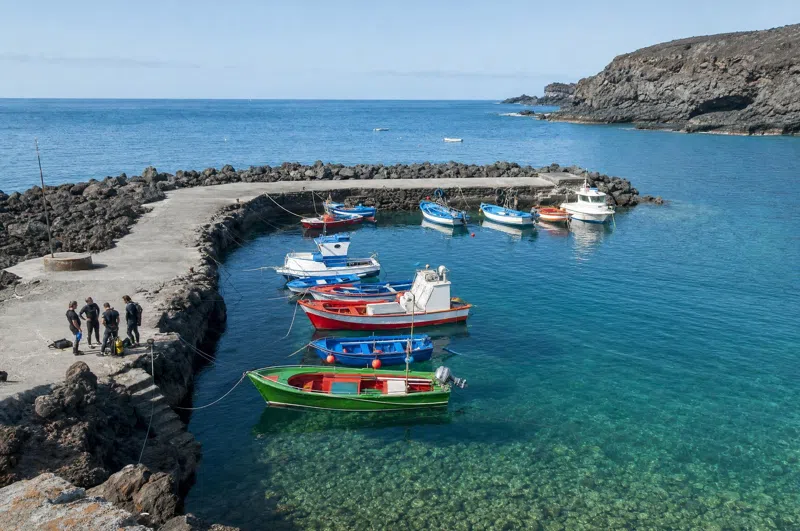
La Restinga
Essential for divers chasing some of the clearest water in Europe and worth a night for anyone keen on a boat trip into the marine reserve; skip it if you want scenery or a choice of restaurants beyond fresh fish.
A working fishing harbour at the southernmost point in Spain, built up mid-century by fishing families and now doubling as the island's dive hub, facing the Mar de las Calmas marine reserve. It is unpretentious almost to a fault: concrete low-rise, a few dive shops, a short seafront with a handful of tascas.
Where to stay Simple apartments and guesthouses geared toward dive groups rather than resort comfort; book through a dive centre if you're here to dive.
Stay in La Restinga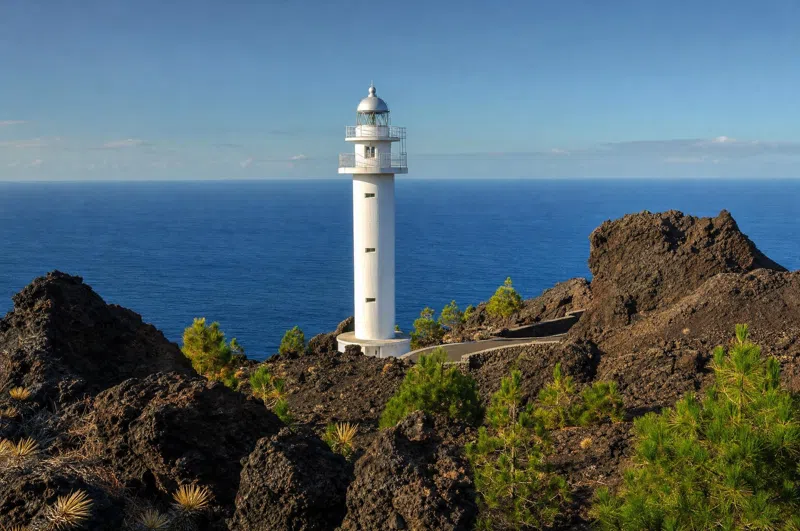
El Pinar and the south
Good for hikers and anyone chasing the island's darkest night skies or its remotest lighthouse; there is little to do in the village itself after dark.
Pine forest and volcanic badlands stretching south from the island's spine toward Punta de Orchilla, with the village of El Pinar itself a modest rural town surrounded by almond and fig trees, and over 80 percent of the municipality under some form of protection.
Where to stay A thin spread of rural houses and small guesthouses; most visitors treat El Pinar as a day base from Valverde or La Restinga rather than a place to sleep.
Stay in El Pinar and the south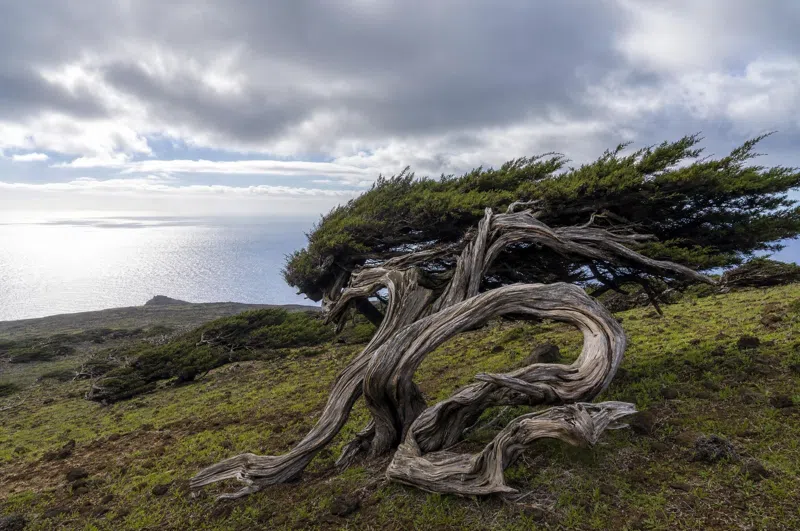
Sabinosa and La Dehesa
Suits travellers chasing real solitude or the mineral-water spa treatments at Pozo de la Salud; there is nowhere nearby to eat beyond the hotel itself, so plan meals around it.
The remote western end of the island, home to the only working spa resort in the Canary Islands and the wind-twisted sabina juniper trees that give the area its name, with the land tapering out toward cliffs and the shrine that starts the Bajada procession.
Where to stay Hotel Balneario Pozo de la Salud is effectively the only option, a three-star spa hotel built directly over the medicinal spring.
Stay in Sabinosa and La Dehesa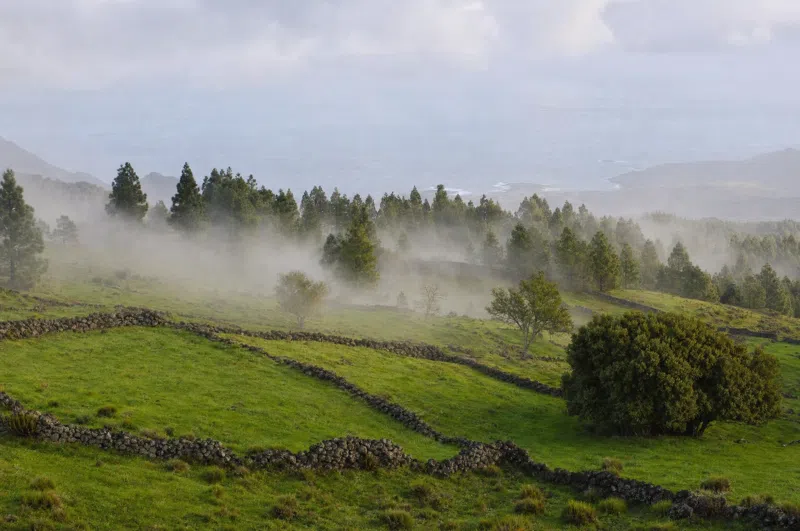
San Andrés and the central highlands
Good for a lunch stop between the Mirador de Bascos ridge and Valverde, or a rural-house stay away from both coasts; not a base for anyone without a car.
A scatter of farming hamlets along the island's spine, cooler and greener than the coast, where the Garoé tree still stands and small bar-restaurants serve some of the island's best home cooking to a mostly local crowd.
Where to stay A few restored lava-stone rural houses, generally quiet and well away from any nightlife or shops.
Stay in San Andrés and the central highlands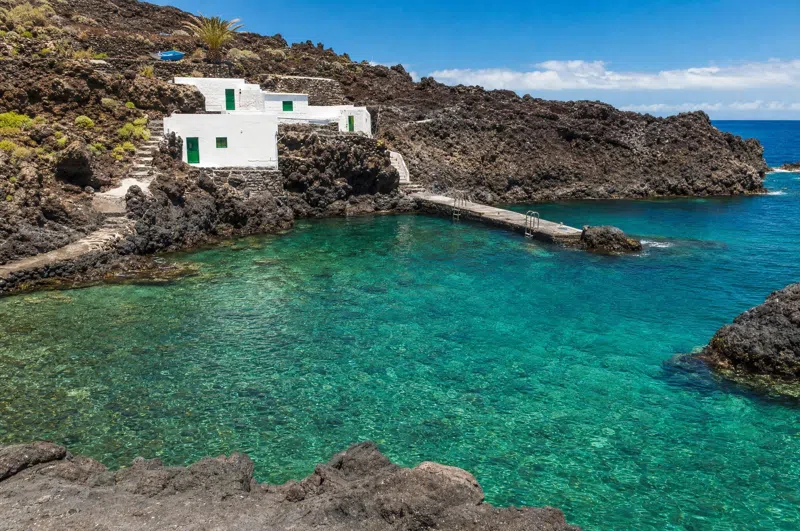
Tamaduste and the north coast
A good half-day or evening trip from Valverde for a swim and a drink by the water; not set up as an overnight base.
A small seafront settlement a few minutes from Valverde, built around a calm, rock-walled swimming cove rather than a sand beach, with the thatched-roof fishing hamlet of Pozo de las Calcosas a short walk further along the coast.
Where to stay A scatter of holiday apartments rather than hotels; most visitors stay in Valverde and drive the short distance down.
Stay in Tamaduste and the north coast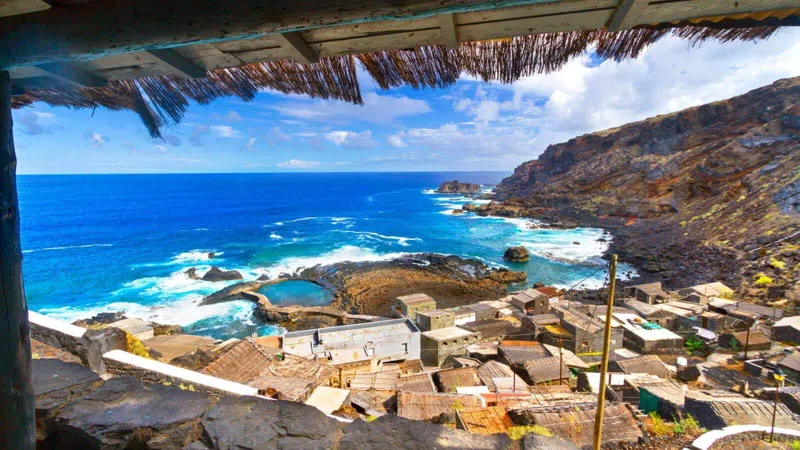
Pozo de las Calcosas
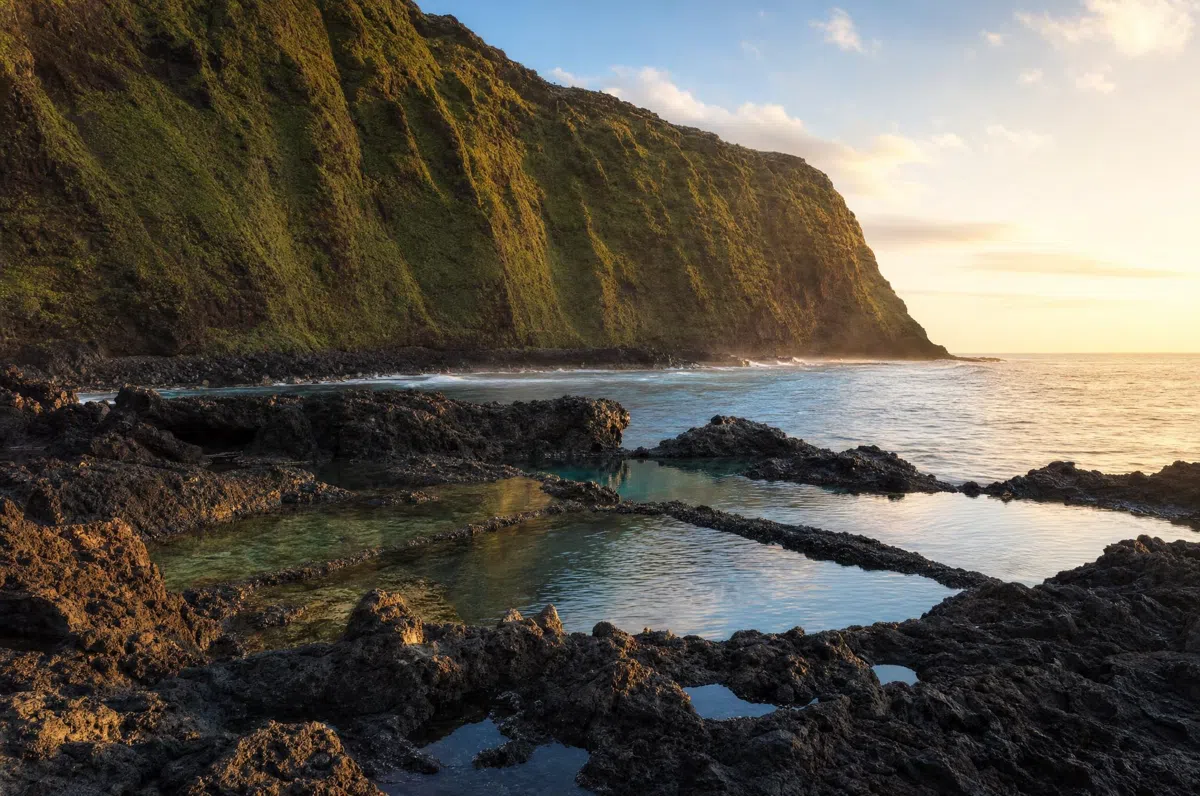
One of El Hierro’s signature postcard places, combining a cliffside hamlet of traditional thatched stone houses with natural swimming pools and ocean views. Most enjoyable in calm weather from May to October; check sea conditions before swimming because the approach is exposed.
Stay in Pozo de las CalcosasBook direct
Book a hotel in El Hierro
Loading live availability and real-time prices…
The El Hierro guide
Where to eat, drink and look, how to get around, and what locals expect of you. Open any chapter.
Where to eat
Dining
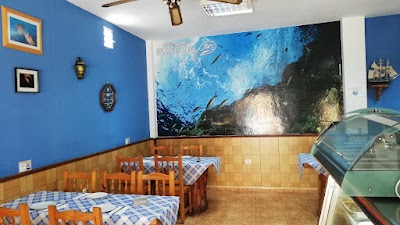
Restaurante Casa Juan
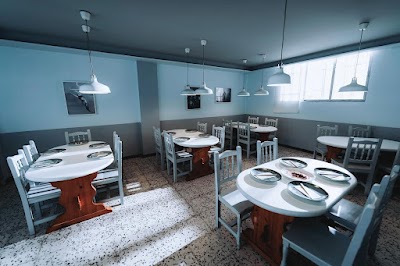
A fusion-leaning fish kitchen that turns the day's catch into limpet soup, cured octopus and a made-to-order paella, pulling in regulars who'd otherwise just eat at the harbour's tascas.
Signature: Limpet soup and made-to-order paella
Restaurante El Refugio
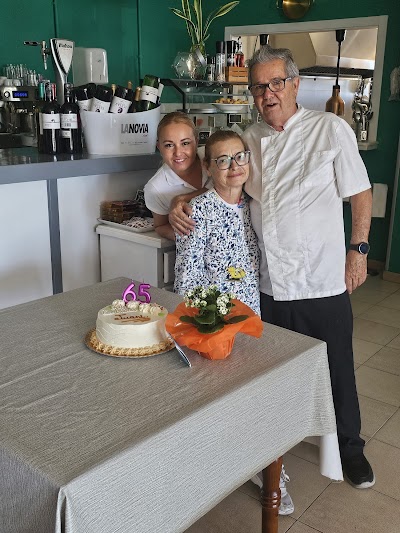
The harbour's most consistent name for straightforwardly grilled fish, with barnacles as a starter and burro fish or prawns cooked plainly enough to let the quality show.
Signature: Grilled burro fish and barnacles
Tasca Restingolita
A seafront tasca that stays open later than most of the harbour, popular with the dive crews coming off the boats for a simple plate of fish and a beer.
Signature: Fresh grilled catch of the day
Kiosco La Maceta
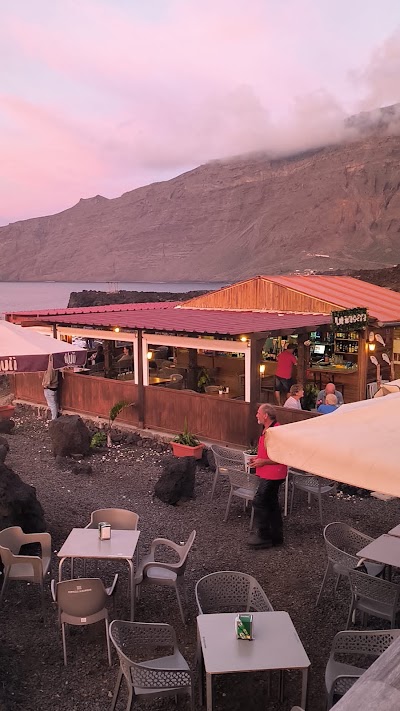
A small open-sided dining room perched over the natural pools of La Maceta, facing the Roques de Salmor, best booked for the sunset rather than the food alone.
Signature: Fresh fish facing the Salmor rocks
Casa Goyo
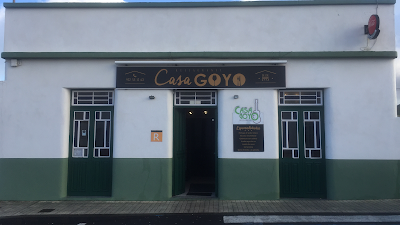
A village institution known island-wide for its stuffed chicken breast and a honey-roasted cheese that keeps people driving in from the coast, with a kitchen fast enough to turn tables quickly at lunch.
Signature: Pechuga rellena and honey-roasted cheese
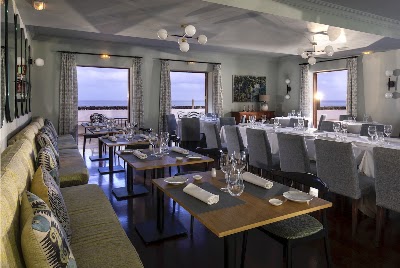
Restaurante Tamizia
The Parador's in-house restaurant serves the most formally plated version of Herreño cooking on the island, from a herreño cheese broth starter to goat stewed in mojo, looking straight out over the Atlantic.
Signature: Herreño cheese broth and stewed goat in mojo
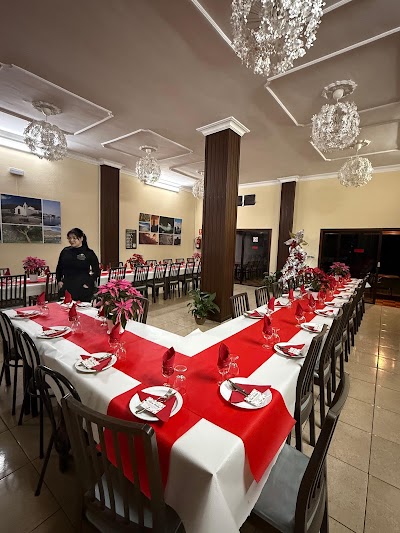
Restaurante Frontera
An unpretentious, all-day bar-restaurant on Tigaday's main street doing onion-smothered cod and roast chicken at prices aimed squarely at locals, open from breakfast to midnight.
Signature: Bacalao encebollado (onion-smothered cod)
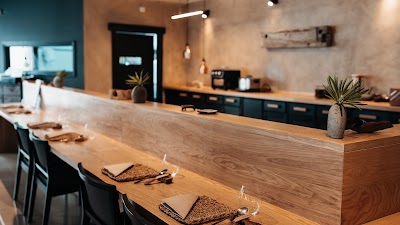
8Aborigen
Set inside the old Casino building, this is the island's most storytelling kitchen, building tasting menus around Bimbache-era ingredients and techniques with a chef who talks guests through each course.
Signature: Tasting menu rooted in Bimbache-era ingredients
8Aborigen
The island's most ambitious table, reworking pre-conquest Bimbache ingredients into a modern tasting menu inside the former Casino de Valverde, best booked ahead on a visit focused on food.
Signature: Multi-course Bimbache-inspired tasting menu
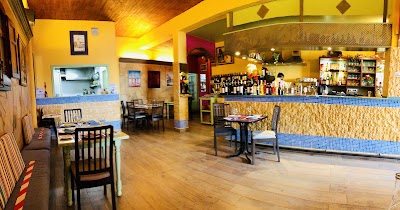
La Mirada Profunda
A 35-seat dining room run by a chef with Barcelona and Balearic experience, serving no fixed menu so the kitchen can work with whatever is best that day, a rarity on an island this small.
Signature: Daily-changing chef's menu, no printed carte
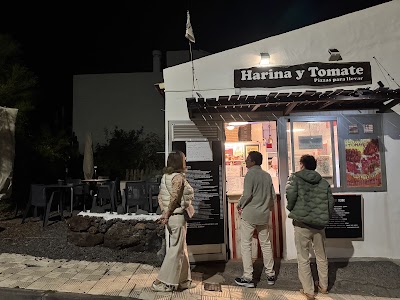
Pizzeria Harina y Tomate
A reliably good, inexpensive pizzeria on Calle San Juan that locals treat as the default cheap dinner option in the capital.
Signature: Wood-style pizza
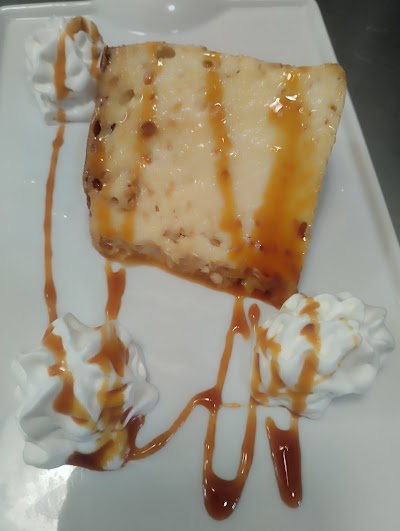
Bar Tamaduste Casa Pujo
A family-run bar on the cove serving tapas from early until late, the default stop for a cheap bite and a gin and tonic after a swim at Tamaduste.
Signature: Tapas and gin and tonic by the swimming cove
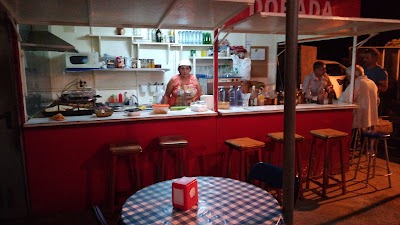
Kiosco Las Bolas
A terrace at the end of Tigaday's rambla doing sandwiches and grilled meat at low prices, with a boules court alongside for a long, cheap evening.
Signature: Grilled meat sandwiches
Casa Goyo
A meat-forward village restaurant that is nonetheless explicitly vegetarian-friendly with gluten-free options on request, useful given how few alternatives exist inland.
Signature: Vegetarian-adapted Herreño plates on request
After dark
Nightlife
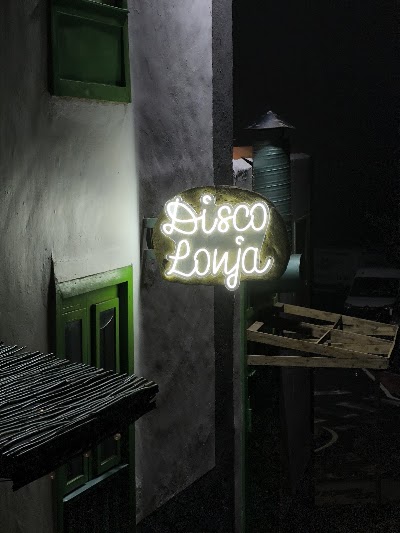
Pub La Lonja
The closest thing the island has to a proper club, a weekend disco on Calle San Francisco that also hosts occasional live reggae nights, pulling in most of the capital's younger crowd on a Friday or Saturday.
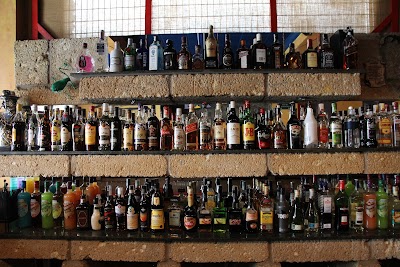
Bar El Chavelazo
A dance-floor bar open only Thursday to Saturday nights, informal enough that visitors and residents end up mixing within the first half hour.
Kiosco La Maceta
An open-sided terrace over the La Maceta pools facing the Roques de Salmor, the island's most reliable spot to watch the sun drop into the Atlantic with a drink in hand.
Tasca Restingolita
A seafront tasca that keeps serving later than most of the harbour, the default evening stop for dive crews decompressing after the day's last boat.
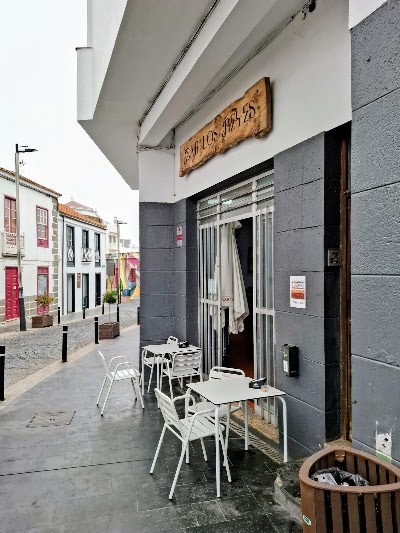
Los Reyes Bar Cafetería
A busy counter-service bar on Calle San Francisco that doubles as the capital's standard evening meeting point, pulling a loyal local crowd in for cold beer, fresh orange juice and simple plates like grilled chicken and jamón at democratic prices.
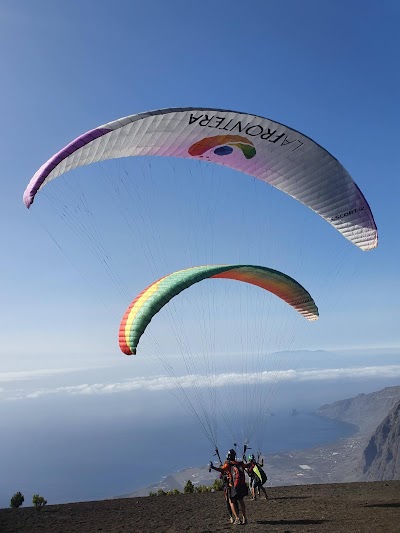
HeroFest venues, La Frontera
The island's main live-music weekend, a free, multi-day festival bringing touring Spanish and international acts to outdoor stages in La Frontera each September.
Casino de Valverde
A historic cultural centre that programmes concerts, DJ nights and craft fairs through the year, doubling as the capital's main indoor venue for anything beyond a bar gig.
Art & history
Culture
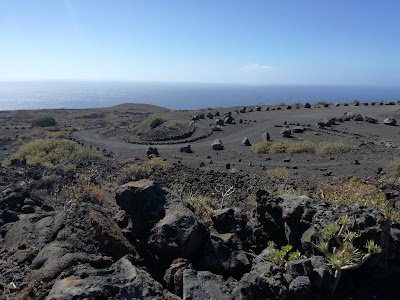
Centro de Interpretación del Geoparque
Uses sound and light effects to recreate the 2011 underwater eruption of the Tagoro volcano just offshore, the clearest way to understand why this island has more craters than almost anywhere else on earth.
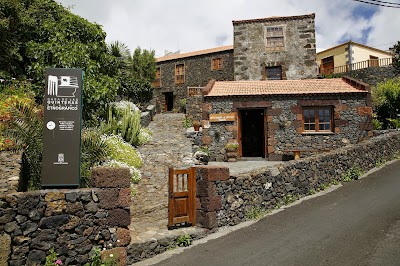
Museo Etnográfico Casa de las Quinteras
A cluster of stone houses turned into a rural-life museum, with a working loom and blacksmith's forge, plus a craft shop stocking genuinely locally made baskets and pottery.
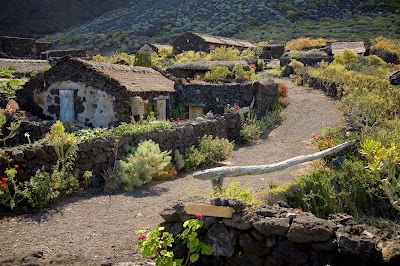
Ecomuseo de Guinea
A guided walk through a preserved Bimbache and colonial-era settlement over a 90-metre lava tube, paired with the on-site recovery centre for the critically endangered El Hierro giant lizard.
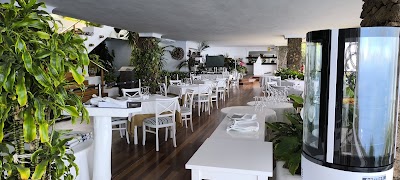
Mirador de la Peña
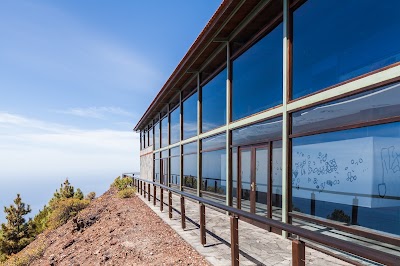
A clifftop viewpoint building designed by César Manrique, using local stone and huge windows to frame the entire El Golfo valley without the structure itself intruding on the view; the attached restaurant has been closed for renovation, so check ahead before counting on a meal.
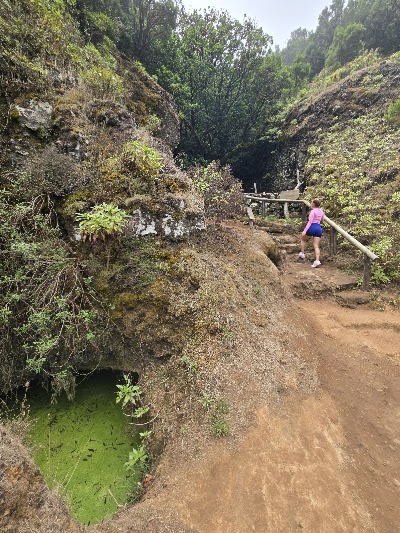
Árbol Garoé
The replacement linden tree on the site of the legendary water-giving tree that the Bimbaches relied on through drought, still condensing trade-wind cloud moisture the way the original did until a storm felled it in 1610.
El Julan rock-art panels (Los Letreros and Los Números)
Around a hundred panels of pre-conquest carvings, pecked into lava flows and aligned with the horizon in ways still studied for their astronomical intent, on a remote southern hillside almost nobody outside the island visits.
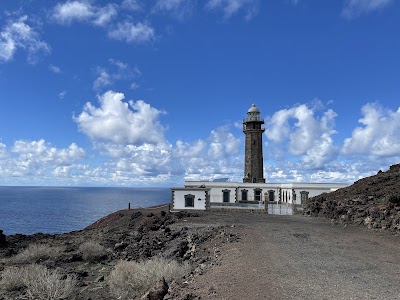
Faro de Orchilla
An active lighthouse from 1933 marking one of the most westerly points in the old world, remote enough that reaching it feels like the end of a journey rather than a quick stop.
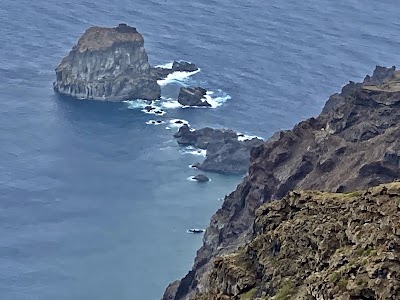
Roques de Salmor
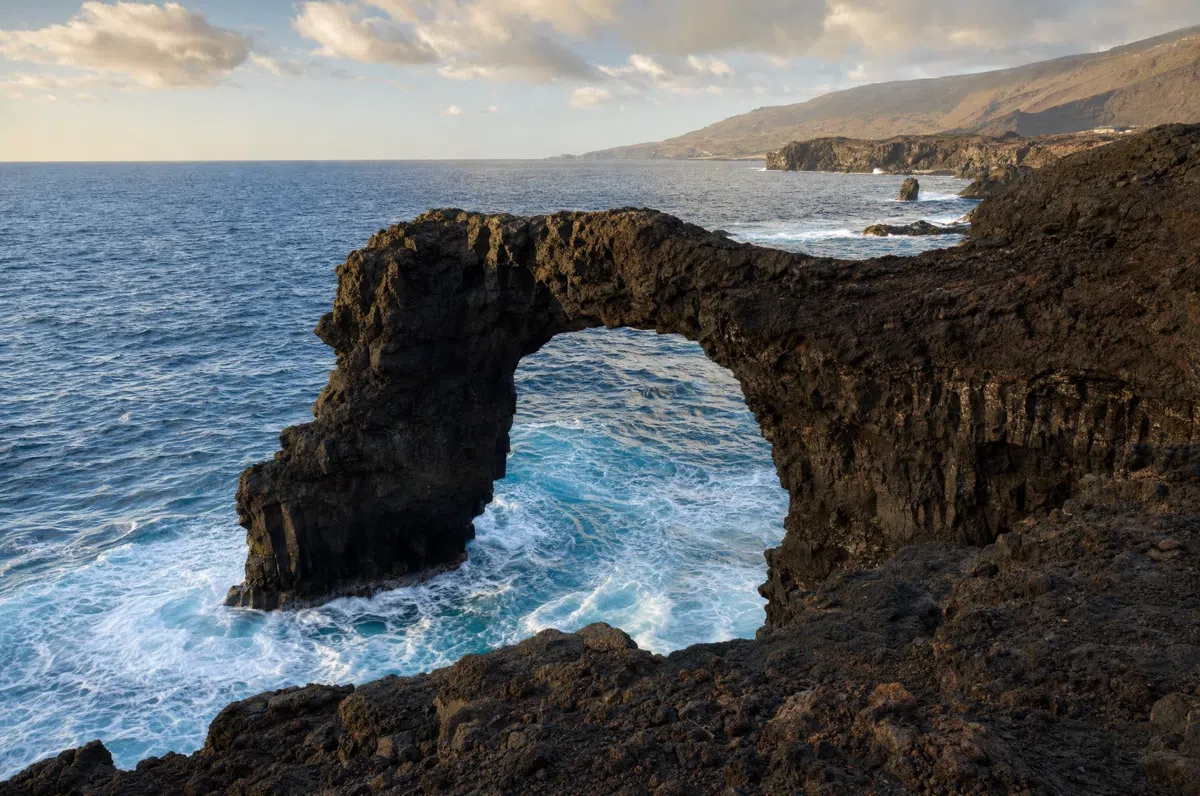
Sea-carved rock stacks just offshore, historically the last redoubt of the El Hierro giant lizard before the captive breeding programme, now a protected nature reserve viewed from the coast rather than landed on.
Timing
When to visit
Spring
March to May brings mild days in the low-to-mid 20s°C, wildflowers on the hiking trails, and calmer seas building toward the best whale and dolphin watching window out of La Restinga. Accommodation is easier to find than summer.
Summer
June to August is the driest stretch, often with no rain at all in July, warm days up to the high 20s°C, and the busiest period for Spanish mainland visitors and the HeroFest live music weekend in La Frontera. Book ferries and rural hotels ahead.
Autumn
September to November stays warm into the mid-20s°C with the sea at its warmest for diving, then rain picks up from November. This is a quiet, good-value window with the island still mostly to yourself.
Winter
December to February is the wettest period, concentrated at higher altitude and on the north-facing slopes, with daytime highs around 20°C and rougher Atlantic swell that can delay ferries and boat trips. Every four years, the Bajada de la Virgen de los Reyes falls in early July instead, so check the cycle before planning around it.
What it costs
Budgeting
Logistics
Getting around
From the airport
El Hierro Airport (VDE) sits a few kilometres southeast of Valverde and only handles flights from Tenerife North and Gran Canaria, operated by Binter Canarias and CanaryFly. A taxi into Valverde takes under 15 minutes; a local bus line also connects the airport to town on a limited daily schedule, so most visitors either pre-book a taxi or pick up a hire car on arrival, since most of the island's accommodation and activities need a car anyway.
Public transit
Transhierro runs the island's guagua (bus) network on around a dozen routes linking Valverde to Frontera, La Restinga, El Pinar, Sabinosa and the smaller villages, but services are infrequent, sometimes a handful of departures a day, and not built around tourist timings. The daily car ferry between Puerto de la Estaca and Los Cristianos on Tenerife is the island's other transport backbone, carrying both foot passengers and vehicles on a crossing of roughly two and a half hours.
Passes & tickets
Transhierro sells multi-trip cards on top of the standard single fare, cheap bundles of 10, 20 or 30 journeys that make sense only if you're commuting by bus daily rather than touring; most visitors will get far more value from a hire car than any bus pass.
On foot
Valverde's old core is small and walkable in under half an hour end to end, with steep, narrow streets that reward wandering on foot. Frontera and Tigaday in the El Golfo valley sprawl along the valley floor and need a car or bike to link up. La Restinga and El Pinar are each walkable within themselves but are 30-45 minutes by road from anywhere else on the island.
Local etiquette
Safety & etiquette
- Greet shopkeepers and bar staff with a buenos días or buenas tardes before ordering; it is noticed on an island this small.
- Many family-run restaurants close firmly between lunch and dinner service, so don't expect all-day dining outside Valverde.
- Respect the protected status of the natural pools and nature reserves; removing marine life or rock samples is taken seriously here.
- If you're invited to a village fiesta, dress modestly for any church-related procession and let locals lead the dancing before joining in.
Travel smart
Practical tips
- Book your hire car before arrival, especially around the summer months and any Bajada year, since the island's rental fleet is small and sells out.
- Fill the tank whenever you pass a petrol station; they exist only in Valverde, Frontera and El Pinar, with long stretches of road between them.
- Reserve a table at 8Aborigen or La Mirada Profunda days ahead if you want a serious meal in Valverde; both are genuinely small rooms.
- Check the Mirador de la Peña restaurant's reopening status before planning a meal there; it has been closed for a lengthy interior renovation.
- Build a buffer day into any ferry-dependent itinerary; Atlantic swell occasionally delays or cancels the Puerto de la Estaca crossing.
- Bring cash for small village bars and rural kiosks; card readers are not universal outside Valverde and Frontera.
- If you're hiking the GR131 or visiting El Julan independently, tell someone your route; mobile signal drops out in parts of the southern badlands.
- Pack layers even in summer; temperatures at altitude on the central ridge run noticeably cooler than down at the coast.
Before you go
El Hierro FAQs
Do I need a car on El Hierro?
Effectively yes. Bus services are infrequent and built around residents' schedules rather than tourist sightseeing, and the island's best natural pools, viewpoints and villages are spread far enough apart that a hire car is the only practical way to see them.
How do I get to El Hierro?
There are no direct international flights. Most visitors fly into Tenerife or Gran Canaria and take a short inter-island flight on Binter Canarias or CanaryFly, or take the daily car ferry from Los Cristianos on Tenerife to Puerto de la Estaca, a crossing of around two and a half hours.
Is El Hierro good for a beach holiday?
Not in the conventional sense. There is very little sand; the island's swimming spots are volcanic rock pools like Charco Azul and the Tamaduste cove, calm and striking but nothing like a resort beach.
When is the best time to dive El Hierro?
Late spring through early autumn brings the calmest seas and warmest water for diving and whale watching out of La Restinga, though the Mar de las Calmas reserve's resident marine life can be seen year-round.
What is the Bajada de la Virgen de los Reyes?
A four-yearly procession carrying the island's patron saint from a shrine in the far west to the capital, Valverde, along the island's central ridge; it is El Hierro's single biggest cultural event but does not happen annually, so check the cycle before planning a trip around it.
Is El Hierro expensive?
No, it is one of the more affordable Canary Islands, since there is little large-scale tourism infrastructure to push prices up; the main added cost is the car hire most visitors will need and the inter-island flight or ferry to reach it.
Can I day-trip to El Hierro from Tenerife?
It is not recommended. Ferry schedules typically land around mid-afternoon and depart again within an hour, leaving no real time to see anything; treat El Hierro as a multi-day stay rather than a day trip.
What should I pack for El Hierro?
Sturdy walking shoes for volcanic terrain and hiking trails, a layer for cooler evenings at altitude, and reef-safe sun protection; swimwear is for rock pools rather than sandy beaches.