
Island guide
Tenerife
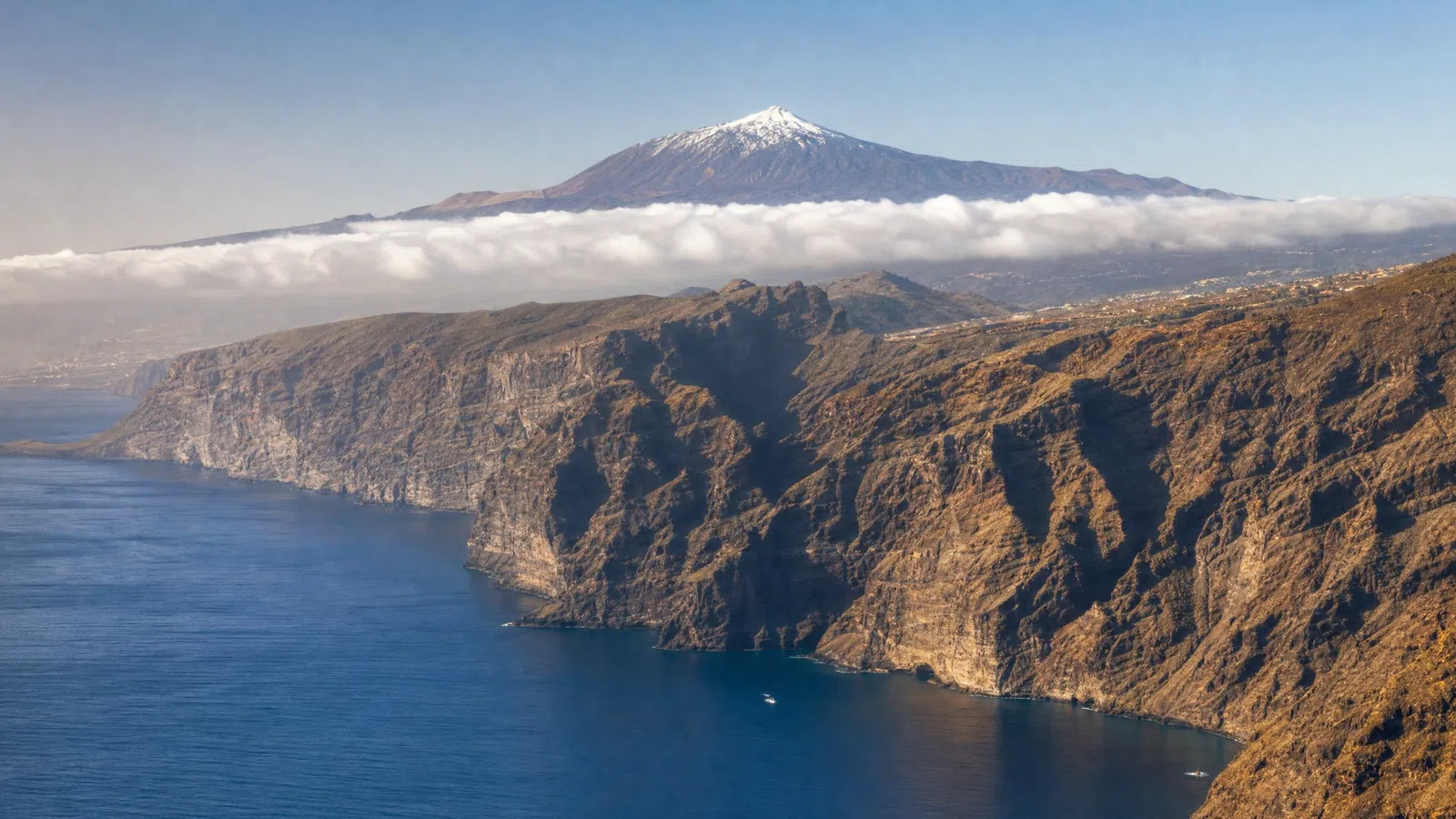
Fly into Tenerife South and the plane banks low over scorched, terraced hillsides before the resort strips appear: swimming pools cut into black volcanic rock, English breakfasts advertised in neon two minutes from a square where old men play dominoes in Spanish.
Plan your Tenerife trip
Live prices from our booking partners.
Guests & rooms
Free cancellation on many rooms. We may earn a commission when you book.
An insider’s read on Tenerife
Tenerife was the last of the seven Canary Islands to fall to Castilian conquest, in 1496, and the Guanches who held out longest did it from the mountains above what is now La Laguna and the Orotava valley. Their defeat ended an independent way of life that had lasted more than a thousand years, but it didn't erase it: Guanche place names, farming terraces and a stubborn sense of not-quite-Spanish identity all survived the conquest and still shape how the island thinks of itself.
That identity was reinforced by geography rather than politics. Sitting closer to Africa than to mainland Spain, and for centuries a stopover point on the Atlantic trade and emigration routes, Tenerife absorbed waves of Latin American influence, particularly from Venezuela, alongside its Spanish and Guanche roots. Carnival in Santa Cruz, one of the largest in the world outside Rio de Janeiro, is as much a Latin American import as a Spanish one, and it says more about how Tenerife sees itself than any single monument does.
The tourism economy that now dominates the south coast is comparatively recent, built from the 1960s onward around guaranteed sun rather than culture. It has not reached the north and interior in the same way, which is why the island still reads, convincingly, as two places occupying one landmass.
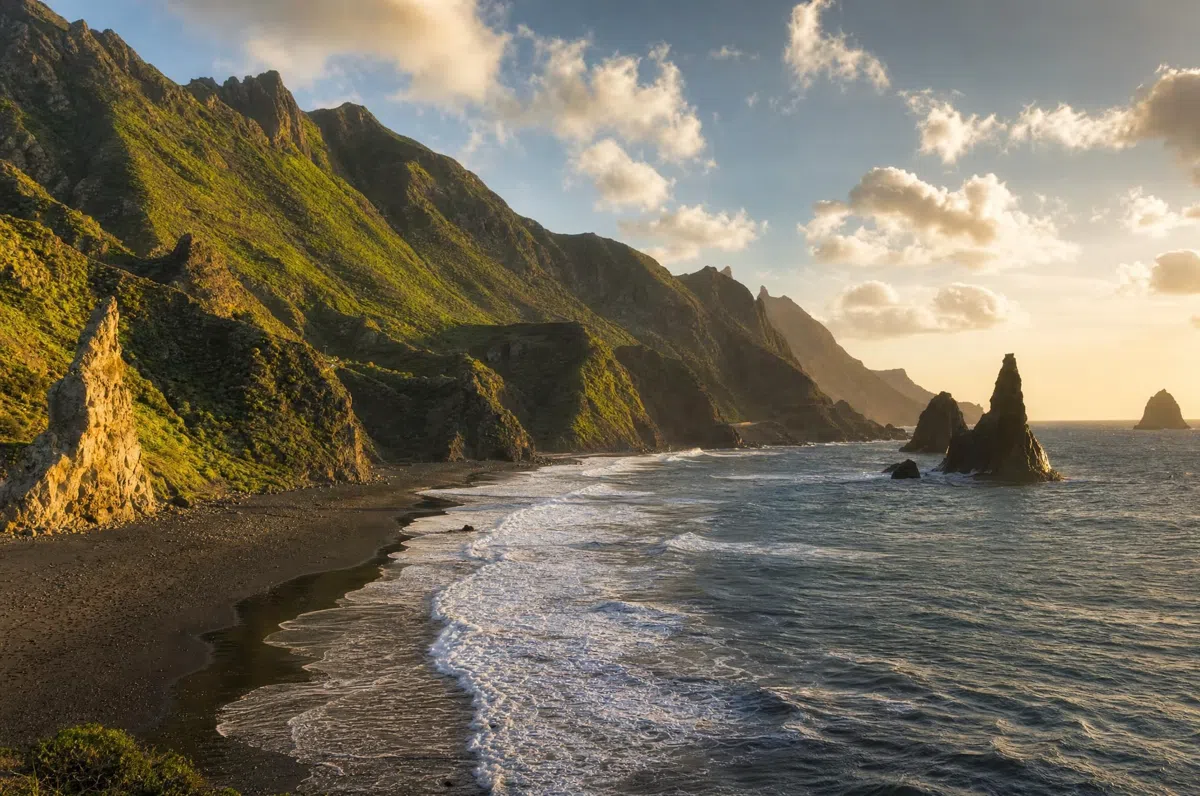
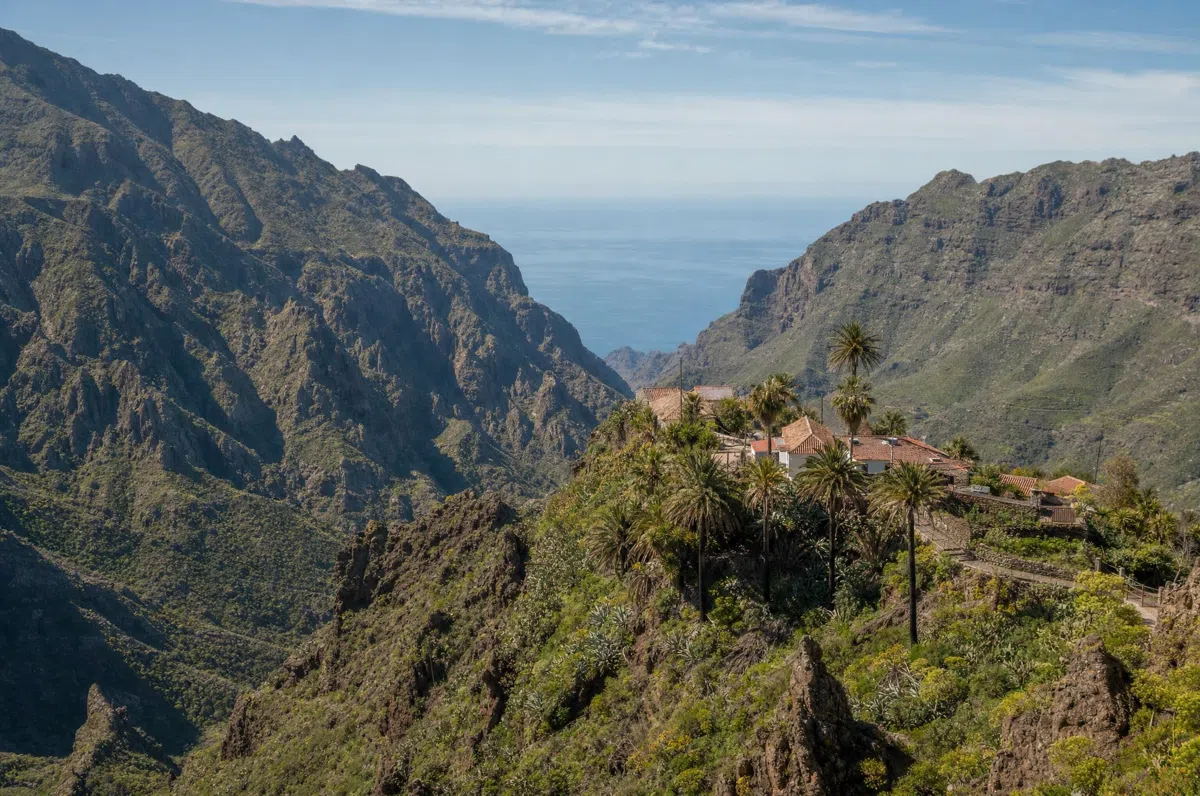
Mount Teide sits in the middle of all this, visible from almost every town on the island
From our Tenerife guide
Nine neighbourhoods, nine ways to stay
Pick the neighbourhood first and the trip follows. Each one opens its own guide, with the hotels inside it.
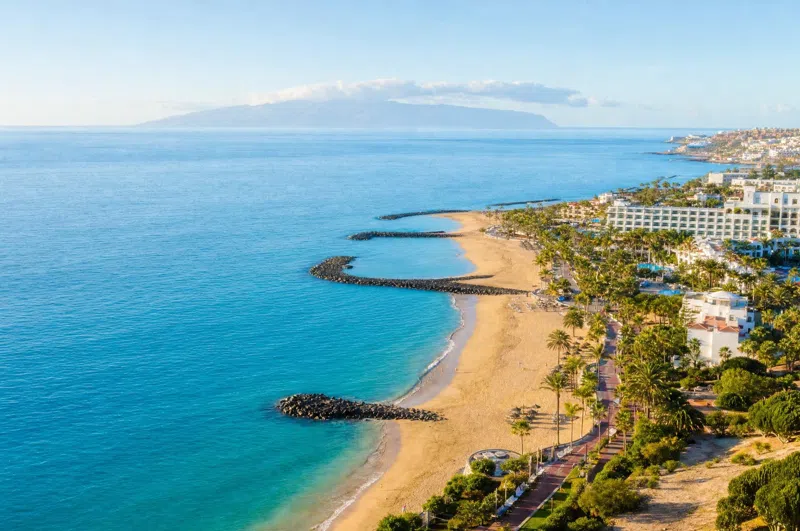
Costa Adeje
Good for couples and travellers who want reliable sun and comfort and are willing to pay resort prices for it; there's very little independent local life outside the hotel grounds.
The island's polished southwest coast: sheltered beaches, a seafront promenade running for kilometres, and the highest concentration of Michelin-starred kitchens in the Canary Islands, nearly all of them tucked inside five-star hotels.
Where to stay Beachfront five-star hotels around Playa del Duque and La Caleta for a splurge; smaller aparthotels set further back from the water for less.
Stay in Costa Adeje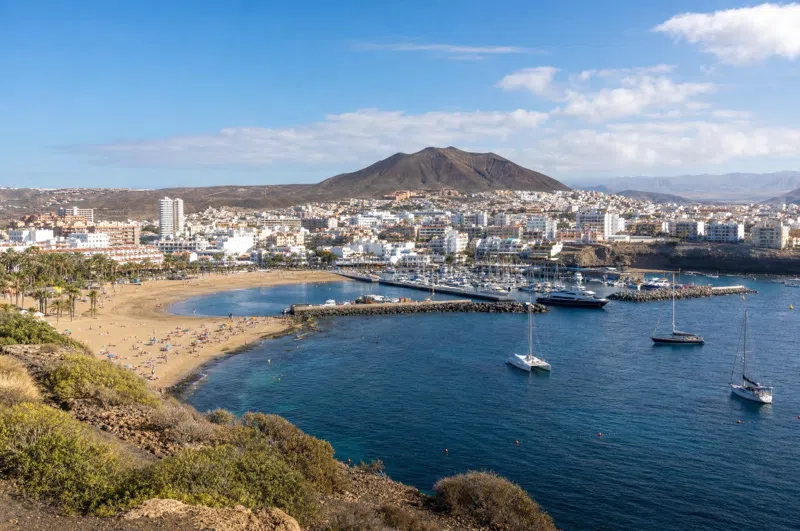
Los Cristianos & Playa de las Américas
Good for families at the Los Cristianos end and for a big night out at the Las Américas end; not the place for anyone chasing an authentic Canarian atmosphere.
The island's purpose-built package-holiday engine, blurring into one long strip from the harbour at Los Cristianos to the clubs of Veronicas Strip in Las Américas — loud, built for volume, and unapologetic about it.
Where to stay Los Cristianos for a quieter, more family-geared base near the ferry port; Las Américas if the nightlife is the actual point of the trip.
Stay in Los Cristianos & Playa de las Américas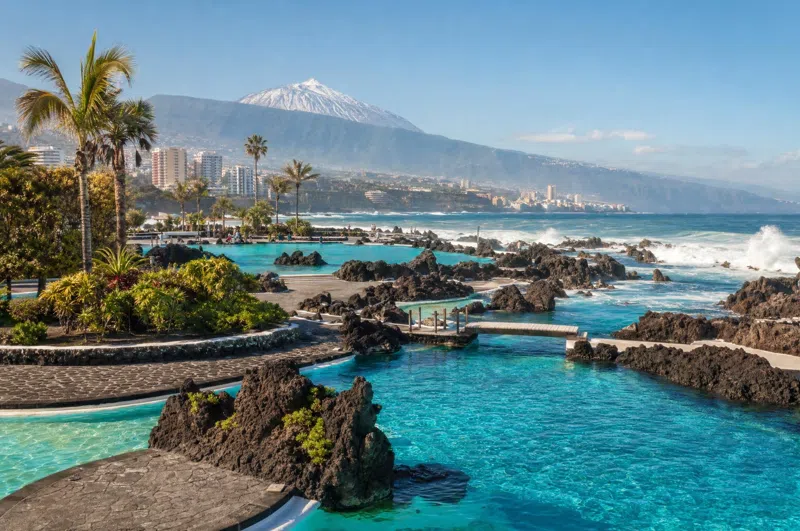
Puerto de la Cruz
Good for travellers who want character and real streets over an all-inclusive strip, and who don't mind a cooler, cloudier north-coast climate than the south.
The oldest resort on the island and still a real town: a working fishing harbour, the Plaza del Charco for an evening beer, and a black-sand municipal beach built into volcanic rock rather than trucked-in sand.
Where to stay Family-run hotels around Plaza del Charco or near Playa Jardín keep you in the old town on foot, away from the larger package hotels on the edges.
Stay in Puerto de la Cruz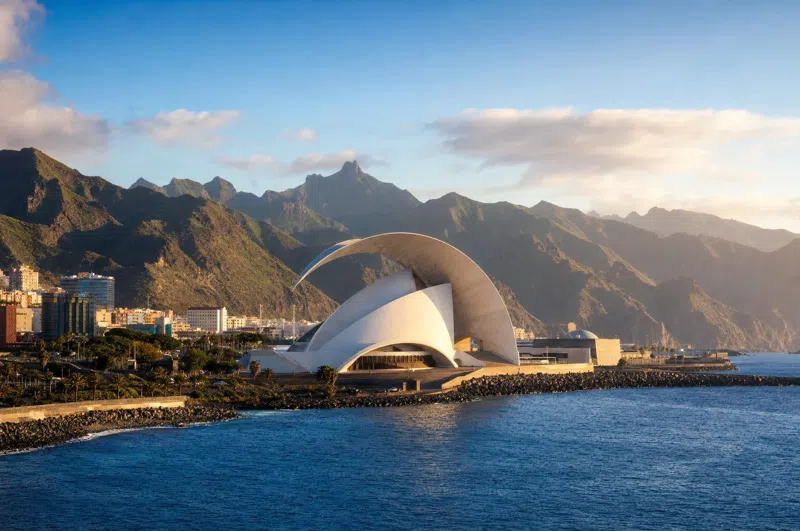
Santa Cruz de Tenerife
Good for travellers who want a functioning Spanish city rather than a beach strip, and don't mind a tram or bus ride to reach any beach at all.
The island's working capital: a real port city with container cranes and rush-hour traffic, not a resort. Calatrava's Auditorio and the volcanic-concrete TEA arts centre sit a few streets from the cruise terminal, and Carnival every February turns the whole city inside out.
Where to stay City hotels near Plaza de España or La Rambla put you within walking distance of the tram line to La Laguna and both of the city's museums.
Stay in Santa Cruz de Tenerife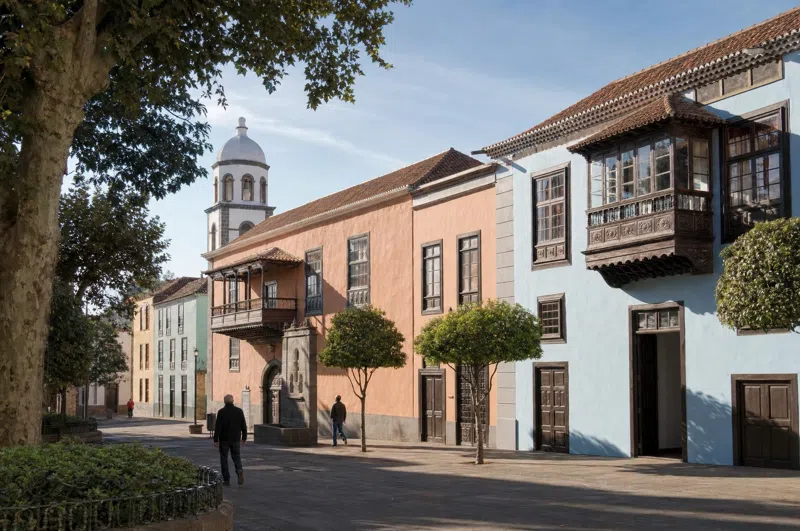
La Laguna
Suits travellers who want nightlife with history attached and don't need a beach on the doorstep; the coast is a tram-and-bus ride away.
A UNESCO-listed former capital a few tram stops uphill from Santa Cruz, built on a grid of sixteenth-century streets, kept loud on weeknights by its university, and noticeably cooler and cloudier than the coast below it.
Where to stay Boutique conversions of old merchant houses inside the historic grid put you walking distance from the best tapas bars in town.
Stay in La Laguna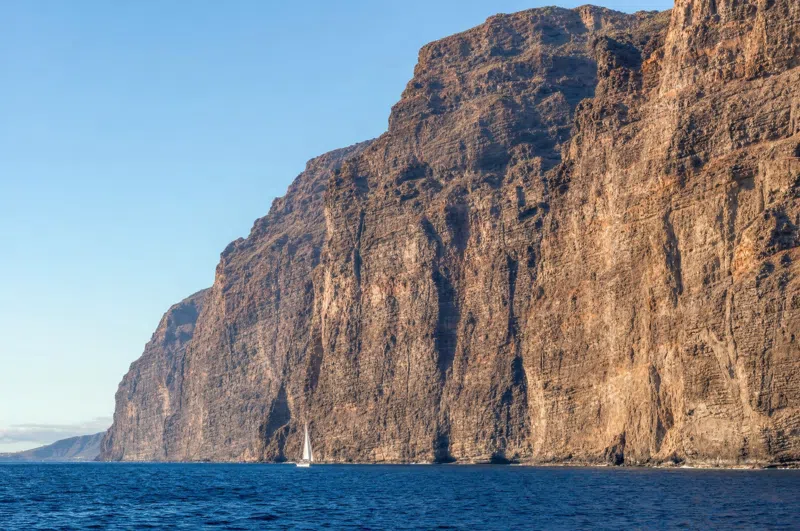
Los Gigantes
Good for travellers who want dramatic scenery and boat trips without full-strip nightlife; there's little to do after dark beyond a sunset drink.
A small marina town dwarfed by the 600-metre basalt cliffs it's named for, with whale-watching boats leaving most mornings and a noticeably calmer pace than the resorts further east.
Where to stay Apartments and small hotels along the cliff-top promenade, most with sea views given the local topography.
Stay in Los Gigantes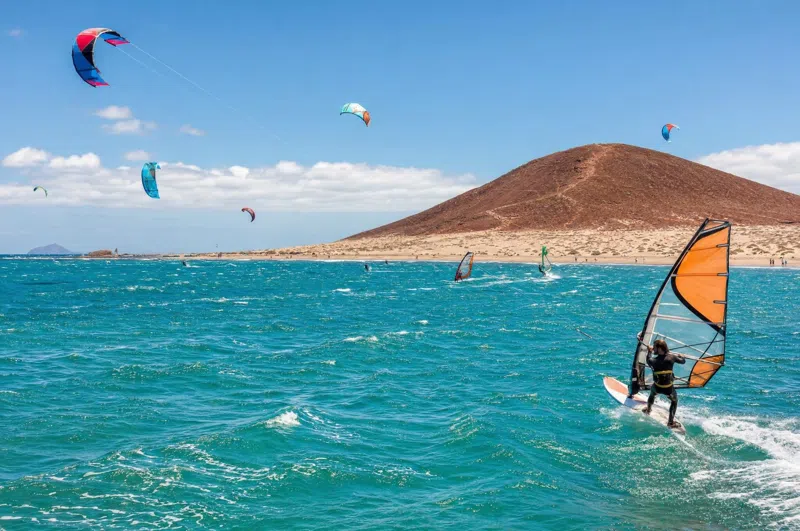
El Médano
Good for wind-sport travellers and anyone who wants a real small-town feel this close to the airport; the wind that makes it great for sport can make sunbathing bracing.
A windsurfing and kitesurfing town at the island's southern tip, five minutes from Tenerife South airport, with a laid-back, sporty crowd that skews local and long-stay rather than package-holiday.
Where to stay Small hotels and surf hostels right on the Playa del Médano beachfront, walkable to everything in town.
Stay in El Médano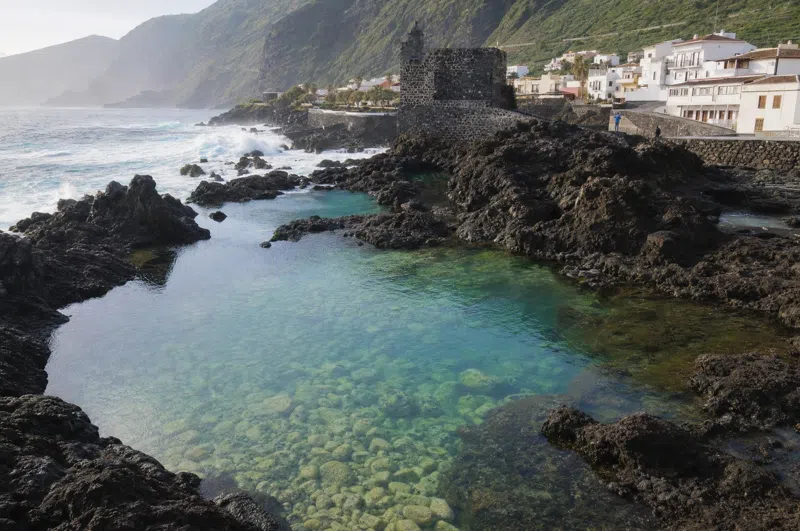
Garachico
Good for a quiet overnight or a day trip for history and a swim; there's no real nightlife and limited beach beyond the lava pools.
A north-coast town largely rebuilt after a 1706 volcanic eruption buried its original harbour in lava, with white-and-green colonial houses, a fortress that survived the flow, and natural seawater pools formed by the same lava field.
Where to stay A handful of small guesthouses in the old centre, best suited to travellers who want one quiet night away from the resorts.
Stay in Garachico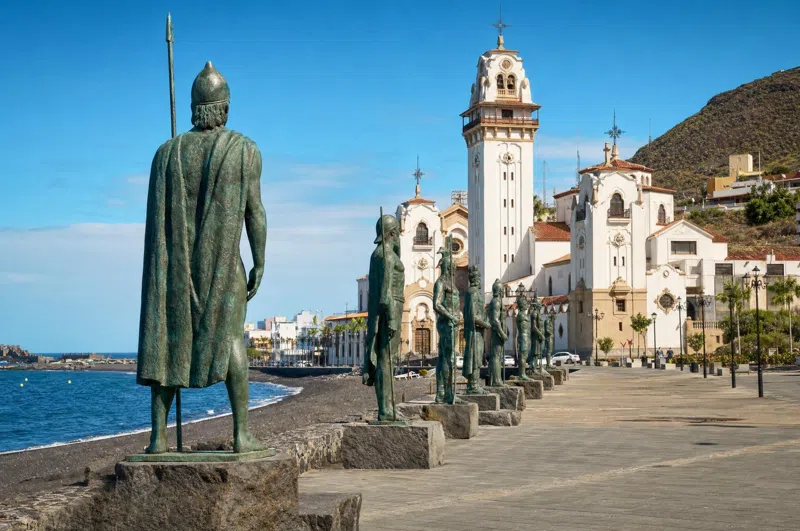
Candelaria
Good as a quiet, cheaper base between the north and south, or a half-day stop for the basilica; it isn't a beach destination in its own right.
A working east-coast town south of Santa Cruz, known across the islands for the basilica housing the statue of the Virgin of Candelaria, patron saint of the whole archipelago, and for the pilgrimage that fills the seafront every August.
Where to stay A small number of mid-range hotels near the seafront square, mainly used by travellers who want to be outside the main resort price zone.
Stay in CandelariaBook before you land
Top-rated tours and tickets in Tenerife, with live prices from Viator.

RECREATIONAL DIVE (certified divers only) : Explore Canarian Sealife
from $108

TRY SCUBA DIVING with a Dedicated Instructor
from $137

Tenerife: Los Cristianos Small-Group Scuba Diving Experience
from $91

Small-Group Half-Day Canyoning in La Orotava
from $91

"Stargate" Tenerife stargazing
from $74

3 Hour VIP Private Luxury Boat Charter in Tenerife
from $488

Electric City Bike Rent Tenerife
from $171

Personal chef at your villa
from $113
Prices from Viator; we may earn a commission when you book — at no extra cost to you. Tours are sold and operated by Viator, the merchant of record. Ratings are collected by Viator and Tripadvisor.
Book direct
Book a hotel in Tenerife
Loading live availability and real-time prices…
The Tenerife guide
Where to eat, drink and look, how to get around, and what locals expect of you. Open any chapter.
Where to eat
Dining
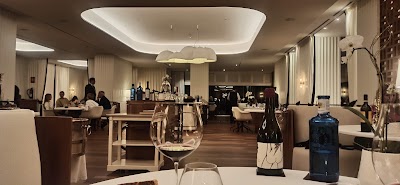
M.B.
Martín Berasategui's outpost inside the Ritz-Carlton Abama, run day-to-day by chef Erlantz Gorostiza, holds two Michelin stars for a tasting menu built on technique and produce rather than spectacle.
Signature: Multi-course tasting menu built on technique and Canarian produce
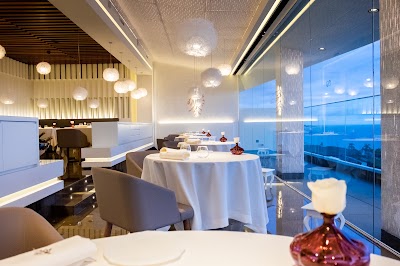
El Rincón de Juan Carlos
Brothers Juan Carlos and Jonathan Padrón run the island's other two-star kitchen, cooking creative, produce-led menus tied closely to Canarian ingredients rather than imported technique.
Signature: Tasting menu built around Canarian fish and island vegetables
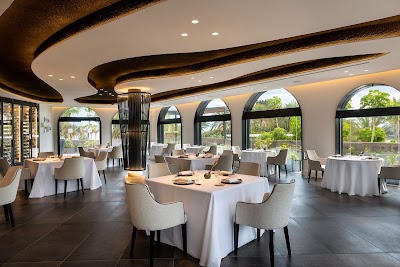
Haydée by Víctor Suárez
Chef Víctor Suárez named the restaurant for his grandmother and built the tasting menu on her cooking from La Gomera, regaining a Michelin star after moving the restaurant from La Orotava to the coast.
Signature: Tasting menu rooted in La Gomera home cooking
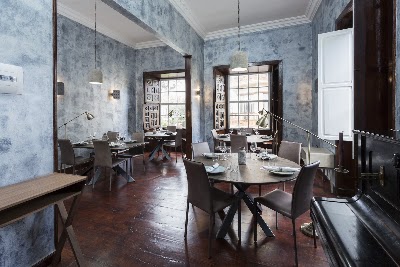
Nub
A one-star kitchen inside Bahía del Duque, led by Andrea Bernardi and Fernanda Fuentes-Cárdenas, built on precise technique rather than big Canarian flavours.
Signature: Tasting menu with a strong technical backbone
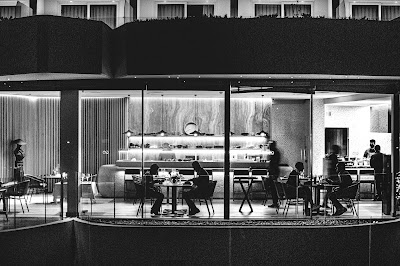
San-Hô
A one-star kitchen that runs Japanese, Peruvian and Canarian produce through the same menu, the kind of cooking that only works when the fish is genuinely this good.
Signature: Japanese-Peruvian-Canarian tasting menu built around raw fish
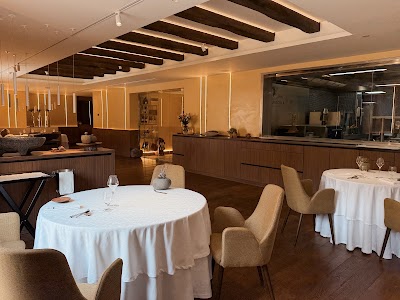
Taste 1973
Chef Diego Schattenhofer's one-star kitchen inside Hotel Villa Cortés looks backward on purpose, building a modern tasting menu out of the island's own history and produce.
Signature: Tasting menu built around Tenerife's own culinary history
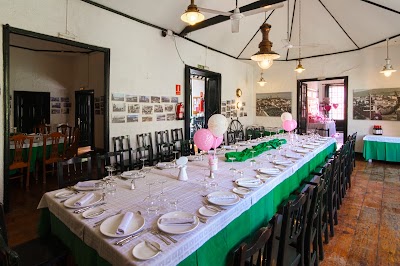
El Pescador
A harbourside institution built on the daily catch, known for soupy rice dishes and stews rather than anything plated for show.
Signature: Rice and seafood stews made with the day's catch
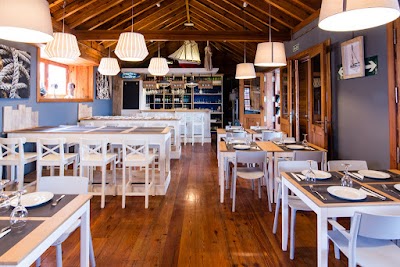
Cofradía de Pescadores
Run out of the fishermen's association building on the harbour, so the fish arrives straight from the boats tied up outside rather than from a supplier.
Signature: Fish cooked a la espalda, butterflied and grilled
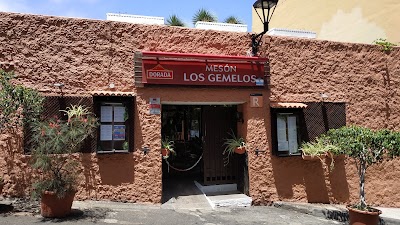
Mesón Los Gemelos
A long-running family seafood restaurant built as much on the escaldón de gofio as on the fresh fish, a combination that marks it as cooking for locals first.
Signature: Escaldón de gofio and fresh grilled fish
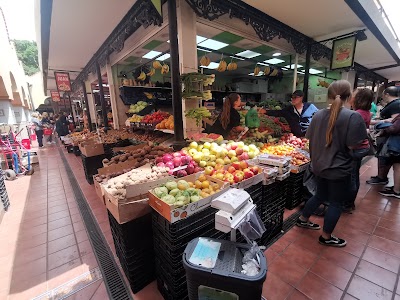
Bokanka
A terrace restaurant looking straight out over the Santa Cruz coastline, built around Mediterranean-leaning seafood rather than the heavier Canarian stews found further north.
Signature: Seafood plates with a Mediterranean lean, eaten on a sea-view terrace
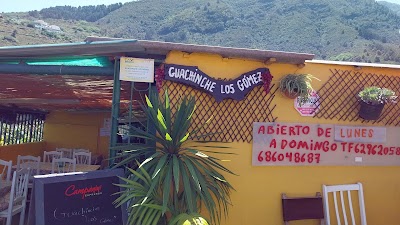
Guachinche Los Gómez
One of the most established guachinches in the Orotava valley, serving the family's own wine alongside grilled meat and papas arrugadas in a working farm setting.
Signature: Grilled meat and papas arrugadas with the house wine
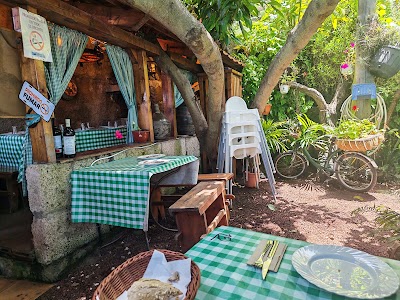
Guachinche El Romance
A terrace guachinche with valley views, known for home-made croquettes and wood-grilled meats; busy enough that booking ahead is sensible.
Signature: Home-made croquettes and wood-grilled meat
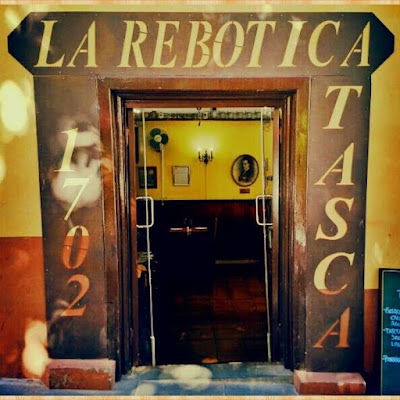
Tasca La Rebotica
A courtyard tasca under a large tree in the old town, built on Iberian pork, croquetas and tuna with potatoes rather than tourist-facing tapas.
Signature: Iberian pork and tuna with potatoes
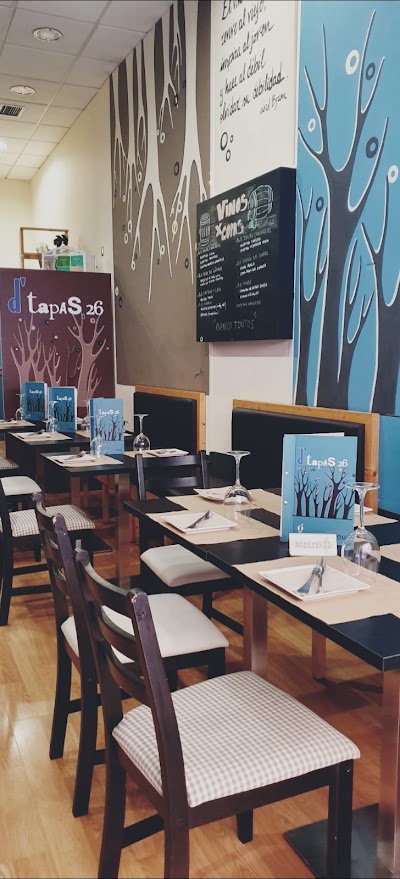
D'Tapas, 26
A reliable, inexpensive tapas bar in the capital where small plates and a short wine list do the work instead of a long menu.
Signature: Small plates of Spanish tapas
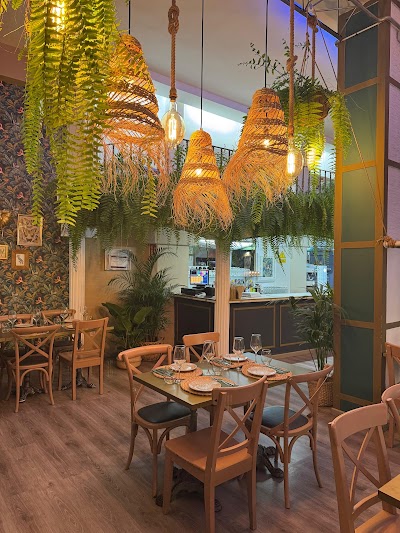
San Cristóbal Gastrobar
Sits in the middle of La Laguna's historic grid, popular with students for cheap, generous tapas rather than a polished dining room.
Signature: Generous tapas plates aimed at a student crowd
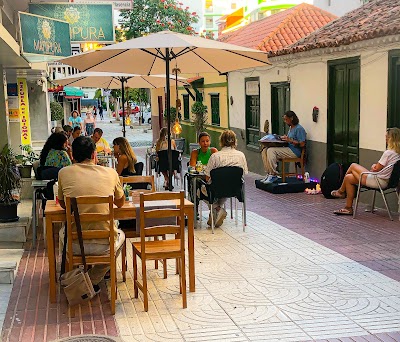
Manipura
A modern plant-based kitchen in the old town built around seitan and a changing international menu rather than a fixed Canarian one.
Signature: Seitan mushroom stack
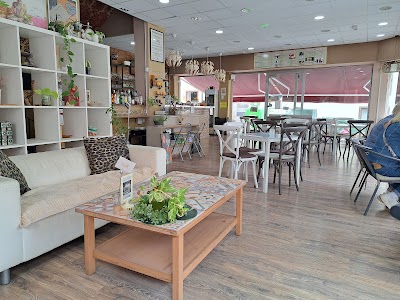
Roots Tenerife
A café a short walk from the bay doing fully plant-based breakfasts, smoothie bowls and brunch plates, built for a slow morning rather than a quick coffee.
Signature: Smoothie bowls and plant-based brunch plates
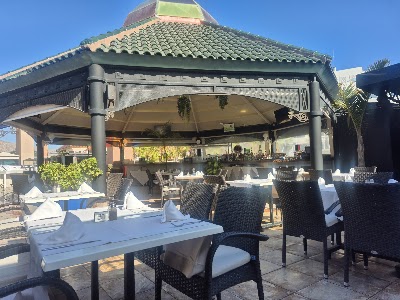
La Martina Grill
An Argentinian steakhouse built around a wood-burning grill and well-aged beef, with tango shows most nights that make clear who the room is performing for.
Signature: Wood-grilled Argentinian steak
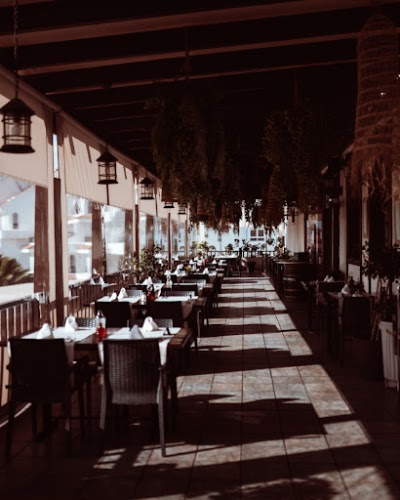
Argentinian Steakhouse
A long-running, no-frills grill that locals and regulars return to for straightforward, well-cooked steak rather than atmosphere.
Signature: Grilled Argentinian beef cuts
Taurus Argentine Grill
Runs Argentinian steak and Italian cooking on the same menu, a combination that works because both kitchens are treated seriously rather than as filler.
Signature: Argentinian steak alongside Italian pasta dishes
After dark
Nightlife
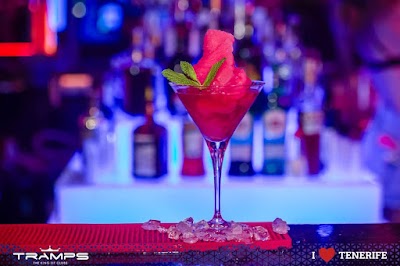
Tramps
The anchor club of Veronicas Strip for more than three decades, three rooms running house, R&B and reggaeton until 6am.
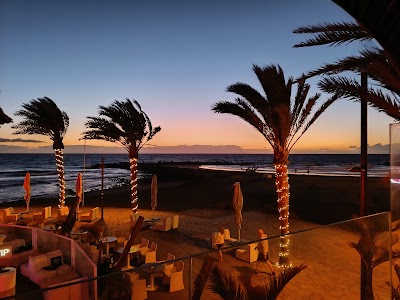
Papagayo Beach Club
A beach club that turns into a high-end nightclub after dark, with a sound system and international DJ bookings that have put it on global club rankings.
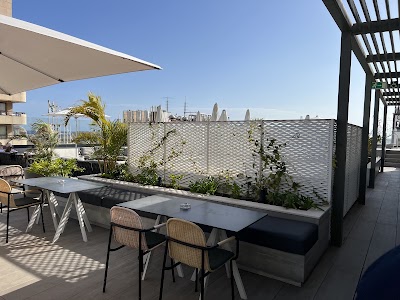
Azotea del 31
A sixth-floor pool bar on top of the AC Hotel by Marriott with a genuine outdoor swimming pool, not just a view, looking over the city and the port.
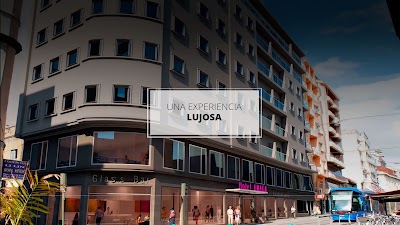
Urban 180
An exclusive rooftop at Hotel Urban Anaga with panoramic views over the capital, built for a dressed-up evening rather than a casual drink.
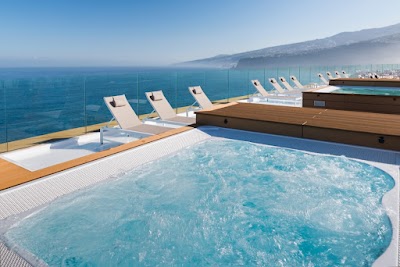
Vertigo Pool Club & Lounge
A tenth-floor rooftop with pool, ocean and Mount Teide views at once, running DJs and dance performers into the evening.
La Azotea de Benito
A casual rooftop built around tapas and a wide wine and craft beer list rather than cocktails alone, with a noticeably friendlier atmosphere than the hotel rooftops.
Café Teatro Rayuela
An intimate jazz club and theatre in the capital with live jazz sets several nights a week, closer to a listening room than a bar.
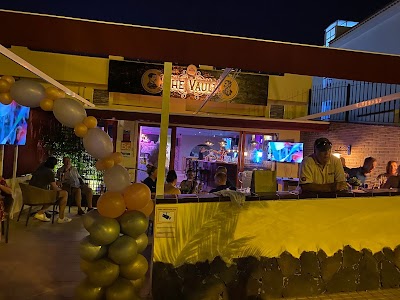
Cassette GinBar & Concert
A bar built around a rotating line-up of live acts and open-mic nights, drawing on La Laguna's student population for both performers and audience.
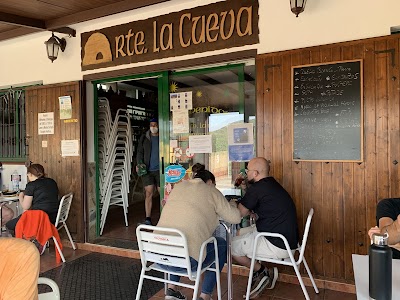
La Cueva
A low-key bar favouring traditional Canarian music alongside contemporary bands, with a noticeably more local crowd than the student bars nearby.
Art & history
Culture
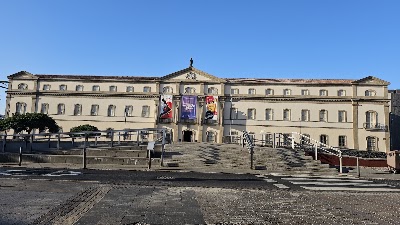
Museo de la Naturaleza y Arqueología (MUNA)
Holds the Guanche mummies and skulls that are the best physical record of the island's pre-conquest population, alongside its geology and the eruption history of Teide itself.
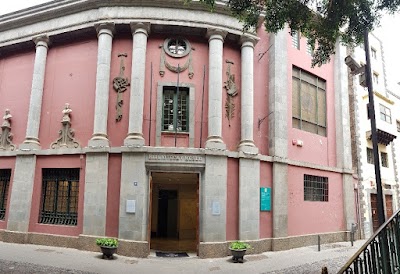
Museo de Bellas Artes
A fine-art collection spanning local and wider Spanish painting, used as much for its workshops and artist talks as for the permanent collection.
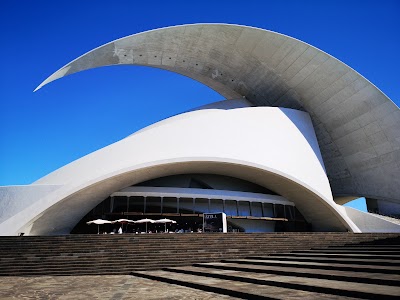
Auditorio de Tenerife
Santiago Calatrava's cobra-hood concert hall on the Santa Cruz waterfront, the building most people picture when they picture the island's capital.
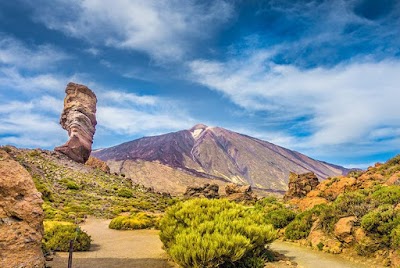
Teide National Park
Spain's highest peak and a UNESCO World Heritage site, with a cable car running most of the way up and a landscape of petrified lava fields spread out below it.
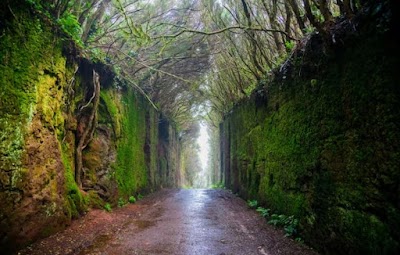
Anaga Rural Park
A primary laurel forest covering the island's oldest, wettest mountains, barely touched by the development further south.
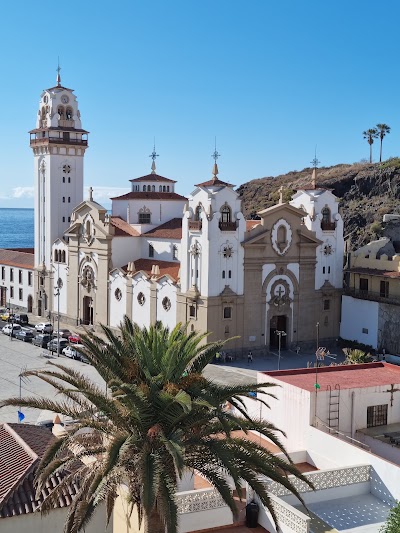
Basílica de Candelaria
Houses the statue of the Virgin of Candelaria, patron saint of the whole Canary archipelago, and draws a major pilgrimage every August.
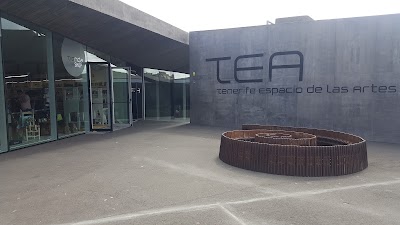
TEA Tenerife Espacio de las Artes
Herzog & de Meuron's volcanic-concrete building holds a permanent collection of Surrealist painter Óscar Domínguez alongside touring contemporary shows.
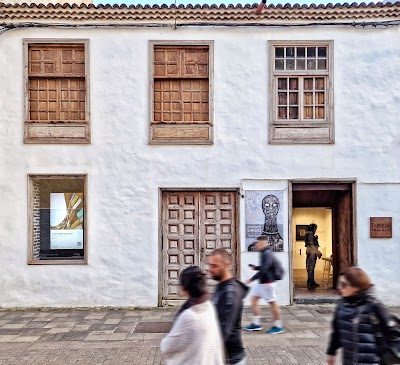
Galería Artizar
Running since 1989, it specialises in Canarian, Spanish and Cuban contemporary art rather than touring international names.
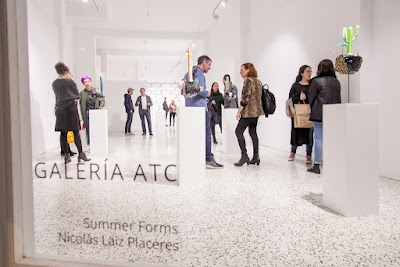
L Contemporary
A smaller project space given over to international and Spanish artists' research-driven shows rather than sellable gallery stock.
Timing
When to visit
Winter (December-February)
Peak season despite the name. Mild coastal temperatures draw the year's biggest crowds and highest prices, this is also the rainiest stretch, and February brings Carnival, which fills Santa Cruz and its hotels well beyond the city's usual capacity.
Spring (March-May)
Reliably warm and dry with thinner crowds and better prices than winter. Wildflowers come out across the Orotava valley and the lower slopes of Teide.
Summer (June-August)
The hottest, driest stretch of the year, when the south coast resorts fill with European school-holiday visitors. Occasional calima dust clouds blow in from the Sahara and can cut visibility and air quality for a few days at a time.
Autumn (September-November)
Warm sea temperatures carry over from summer while the crowds thin out, making September and October two of the better-value months on the island. By November the rains are picking up again.
What it costs
Budgeting
Logistics
Getting around
From the airport
Tenerife has two airports split by coast. Tenerife South (TFS) serves the southern resorts — Costa Adeje, Los Cristianos, El Médano — with TITSA buses taking roughly half an hour to the nearest resorts and closer to an hour to the furthest. Tenerife North (TFN, Los Rodeos) serves Santa Cruz, La Laguna and Puerto de la Cruz, with buses and taxis covering those shorter distances in well under an hour. A direct express bus links the two airports for anyone flying into one and basing themselves near the other, though it's a long ride either way.
Public transit
TITSA runs the island's bus network, and it's extensive enough to reach nearly every town without a car, though frequency drops sharply on the rural west-coast routes. The Metrotenerife tram covers only the short run between Santa Cruz and La Laguna; it doesn't reach the south coast or Puerto de la Cruz at all.
Passes & tickets
A rechargeable Ten+ card knocks a meaningful discount off every bus and tram fare and pays for itself within a handful of rides. A multi-day bono-bus pass is worth it for anyone covering a lot of ground by bus in a short trip.
On foot
Santa Cruz, La Laguna and Puerto de la Cruz are walkable, compact old towns. Costa Adeje and Los Cristianos are walkable along their seafront promenades but spread out inland. The smaller north and west coast villages are walkable in themselves but not to each other — the roads between them are narrow, winding, and built for cars rather than pedestrians.
Local etiquette
Safety & etiquette
- A taxi should run on the meter; agree a price upfront if it doesn't, especially from the airport or late at night.
- Many small shops and some restaurants outside the resorts still close for a few hours in the early afternoon — don't expect everything to be open all day in the smaller towns.
- Dress modestly to visit the Basílica de Candelaria or any working church; swimwear belongs on the beach or by the pool, not in town.
- A kiss on each cheek is the standard greeting between people who know each other, including casual acquaintances, not just close friends.
Travel smart
Practical tips
- Book the Teide cable car and any Masca gorge permit several days ahead — both run on fixed daily quotas that sell out, especially around weekends and holidays.
- Pick your airport by your hotel's coast, not by flight price — Tenerife South serves the southern resorts, Tenerife North serves the capital and Puerto de la Cruz, and the transfer between them takes over an hour.
- Hire a car for at least part of the trip if the north or west coast villages are on the plan — bus coverage thins out fast once you're off the main resort routes.
- Carry a light jacket even in summer if heading up to Teide — the summit runs twenty degrees or more colder than the coast.
- Buy a Ten+ travel card at the airport or any bus station if taking more than a couple of bus rides — it cuts the fare noticeably over paying cash each time.
- Keep to the meter in taxis, or agree a fare before getting in, particularly from the airport or late at night.
- Avoid the San Isidro area near the south airport after dark, and keep bags zipped and in sight around Veronicas Strip and the harbour bars at night.
Before you go
Tenerife FAQs
Do I need a hire car in Tenerife?
Not if staying on one resort coast and sticking to beaches and buses, but a car is close to essential for the north and west coast villages, where bus services run only a few times a day.
Should I fly into Tenerife North or Tenerife South?
Fly into whichever airport is closer to where you're staying — South for Costa Adeje, Los Cristianos and El Médano, North for Santa Cruz, La Laguna and Puerto de la Cruz — since the transfer between the two airports takes over an hour.
Is the north or south of the island better to stay in?
The south has the reliable sun, the beaches and the resort infrastructure; the north is cooler, greener and has the island's real towns and history, including the capital and the UNESCO old town of La Laguna.
Do I need to book the Teide cable car or the Masca hike in advance?
Yes to both — the cable car sells out on clear days, and the Masca gorge trail now runs on a paid, limited daily quota that has to be booked online ahead of time.
What language is spoken, and is English widely understood?
Spanish, with a distinct Canarian accent, is the local language, and English is widely understood in the resort areas but far less so once you're inland or in smaller north-coast towns.
Is Tenerife safe for a solo traveller?
Yes, with the same precautions as any busy tourist destination — avoid walking alone late at night around the main nightlife strips and keep an eye on bags in crowded markets and beaches.
When is the best time to visit Tenerife?
April, May, September and October give warm, reliable weather without the August crowds or prices; winter is actually the busiest season despite the time of year, because the island's climate barely changes and northern Europeans come for exactly that.