
Island guide
Lanzarote
Lanzarote looks the way it does because the island nearly became a different place, and one man talked the authorities out of it.
Plan your Lanzarote trip
Live prices from our booking partners.
Guests & rooms
Free cancellation on many rooms. We may earn a commission when you book.
An insider’s read on Lanzarote
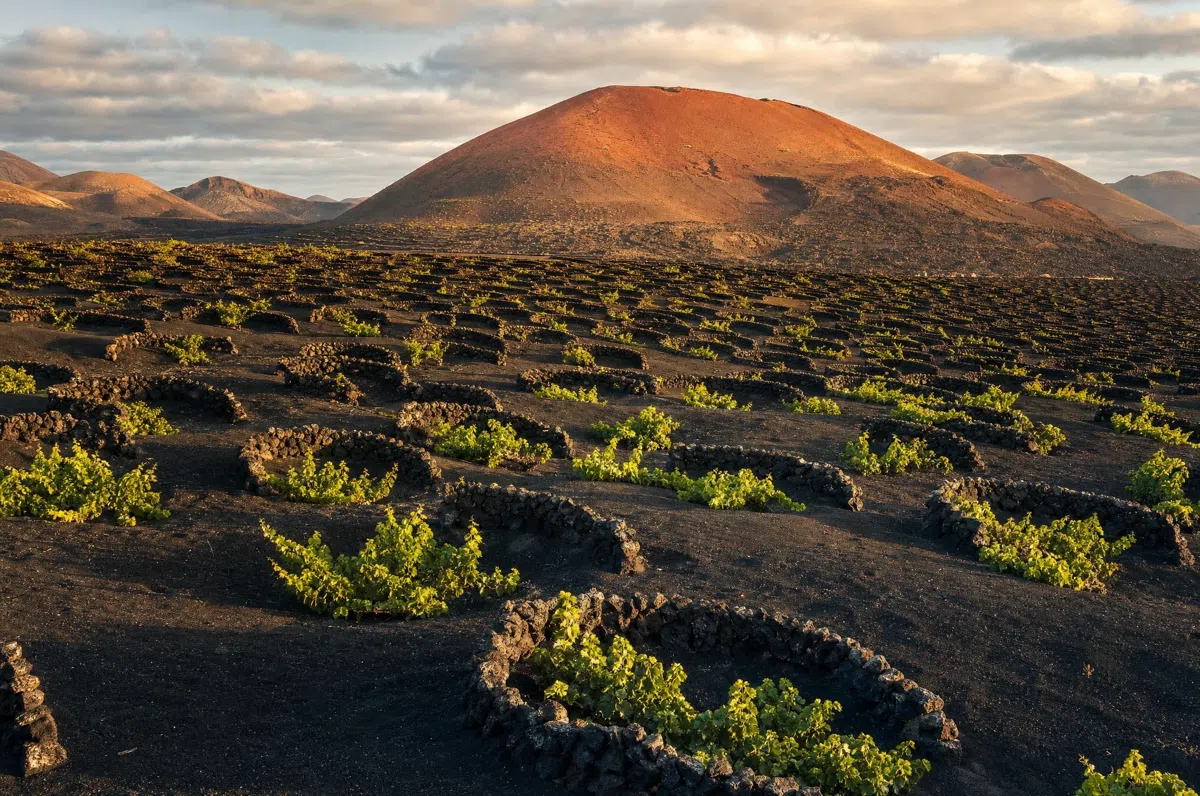
The eruptions of 1730 to 1736, and a second burst in 1824, are still the island's defining fact. They buried a fifth of Lanzarote's farmland under lava and ash, forced entire villages to relocate, and left behind the black, cratered landscape that now draws more visitors than any beach. Farmers adapted rather than left, learning to grow vines and figs in pits hand-dug through the volcanic ash that still define La Geria's vineyards today.
César Manrique's return from New York in 1966 is the island's second defining moment. He came home as a successful painter and spent the rest of his life arguing, successfully, that Lanzarote's volcanic bareness was worth more than conventional resort development, then built the lava-tube centres and cliff viewpoints that are now its main tourist draws himself. That argument, between tourism revenue and the bare landscape that makes the island worth visiting in the first place, is still live in local politics today.
Puerto del Carmen, Costa Teguise and Playa Blanca do the business of package tourism properly: strips of restaurants
From our Lanzarote guide
Seven neighbourhoods, seven ways to stay
Pick the neighbourhood first and the trip follows. Each one opens its own guide, with the hotels inside it.
Arrecife
Suits travellers who want a working Spanish town with cheap tapas bars and a short run to the airport, not a beach on the doorstep; the nearest decent sand is a bus ride to Puerto del Carmen or Playa Honda.
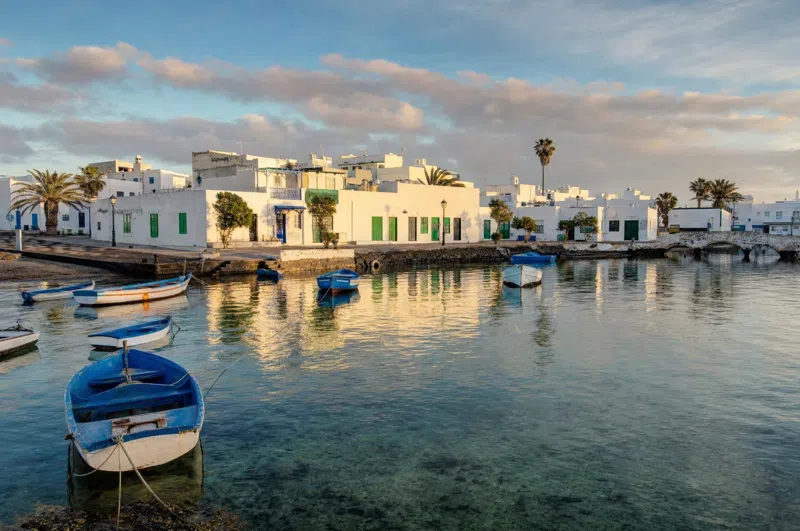
The only part of Lanzarote that functions as a real town rather than a resort: roundabouts, pharmacies, a fish market, office workers on their lunch break. The seafront lagoon of Charco de San Ginés, lined with whitewashed fishermen's cottages, is where the capital turns genuinely pretty once the working day ends.
Where to stay A handful of modest city-centre hotels and apartments near the lagoon; nothing resort-grade, but useful if you land late or want the port close by.
Stay in Arrecife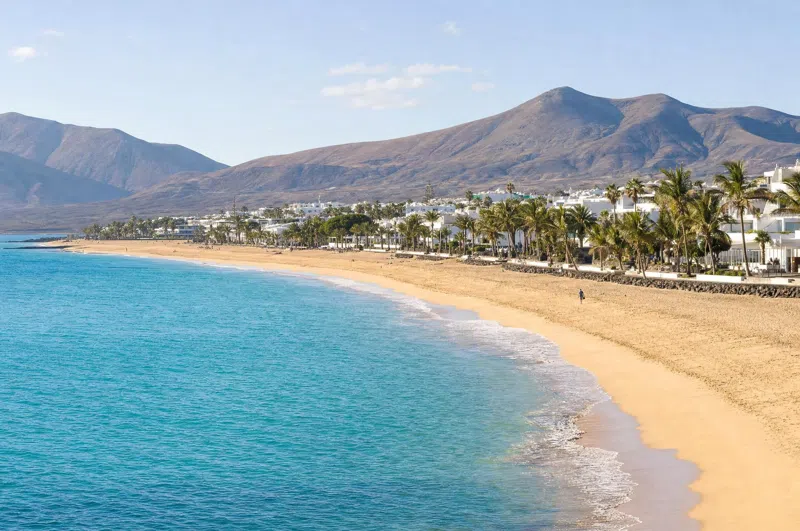
Puerto del Carmen
Suits a lively first or second visit with decent beaches and the widest choice of restaurants and nightlife on the island; skip it if you want quiet, since the strip doesn't properly wind down until the small hours.
The island's biggest resort strip, built along a single coastal road running past Playa Grande and Playa Chica for several kilometres. By day it's sun loungers and dive boats; after dark Avenida de las Playas turns into bars, karaoke and clubs stacked three deep, loudest around the Varadero end.
Where to stay Apartment complexes and mid-range hotels line the strip itself; the old fishing quarter near Playa Chica is calmer and still within walking distance of everything.
Stay in Puerto del Carmen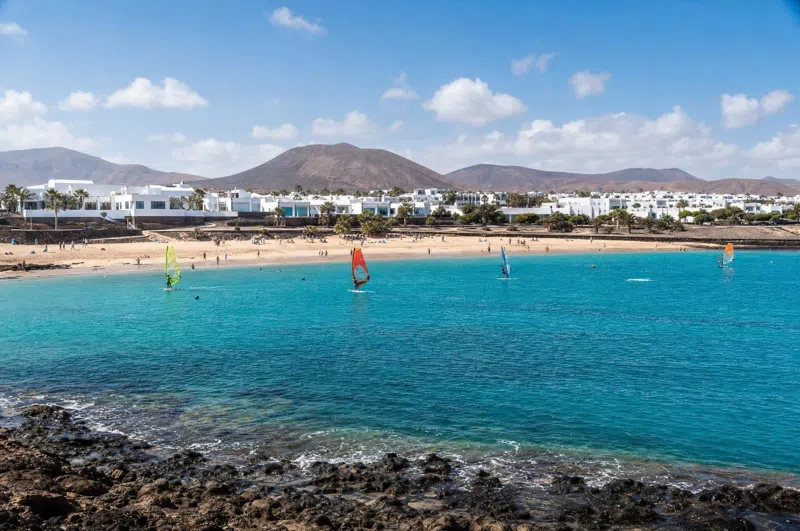
Costa Teguise
Suits families and watersports visitors who want beaches and manageable nightlife without the sprawl of the south; not the place to go looking for atmosphere or local culture.
A planned resort from the 1970s and 80s, laid out with wide avenues and a marina rather than an organic town centre. It's calmer than Puerto del Carmen and leans toward families, windsurfers and returning package-holiday regulars who already know which bar they're heading back to.
Where to stay All-inclusive resort hotels dominate; self-catering apartments near Playa de las Cucharas suit anyone who wants to cook and windsurf rather than be entertained.
Stay in Costa Teguise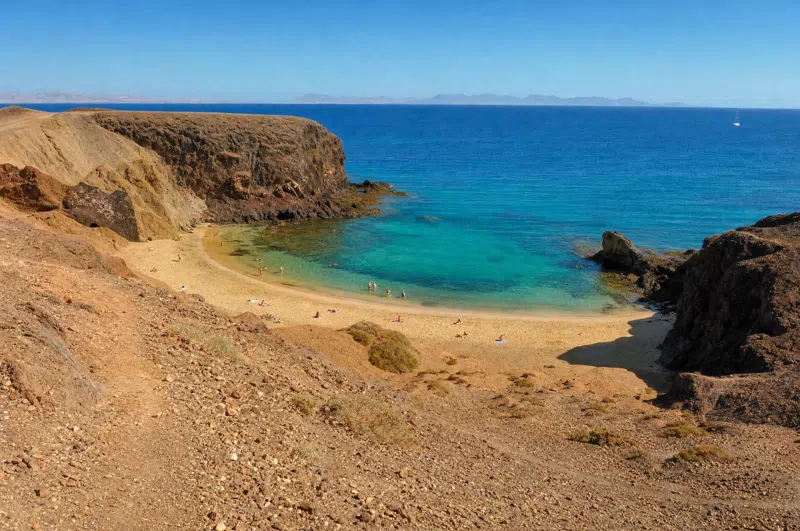
Playa Blanca
Suits families after calm water and polish, and anyone using the ferry to Fuerteventura; it's a drive from the north of the island, so budget for car hire or taxis if you want to see more than the resort.
The newest of the big resorts, built along the island's southern tip facing Fuerteventura across the strait. Development here is tighter and tidier than Puerto del Carmen, with a proper marina, a ferry terminal and a run of upmarket hotels rather than package-tour tower blocks.
Where to stay Five-star beachfront resorts cluster near Playa Dorada and Playa Flamingo; boutique villa complexes sit quieter at the edges of town.
Stay in Playa Blanca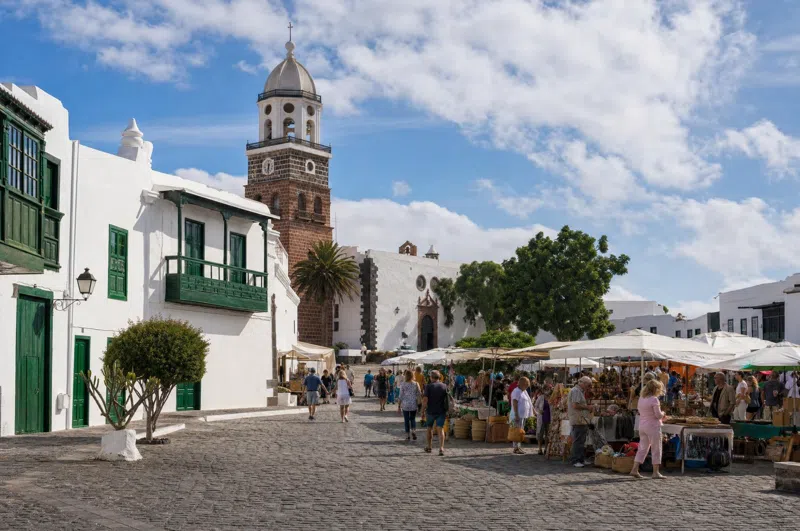
Teguise
Suits anyone who wants to sleep somewhere with real history and drive out to the coast for the day; not for travellers who want a beach outside the front door, since the sea is a drive away.
The former capital, inland and untouched by resort building: cobbled streets, a historic church and merchant houses with carved wooden balconies. Quiet all week, then overrun every Sunday morning when hundreds of market stalls fill the entire old town.
Where to stay A small number of restored townhouses and guesthouses inside the old town; otherwise self-catering in the surrounding farmland.
Stay in TeguiseComing soon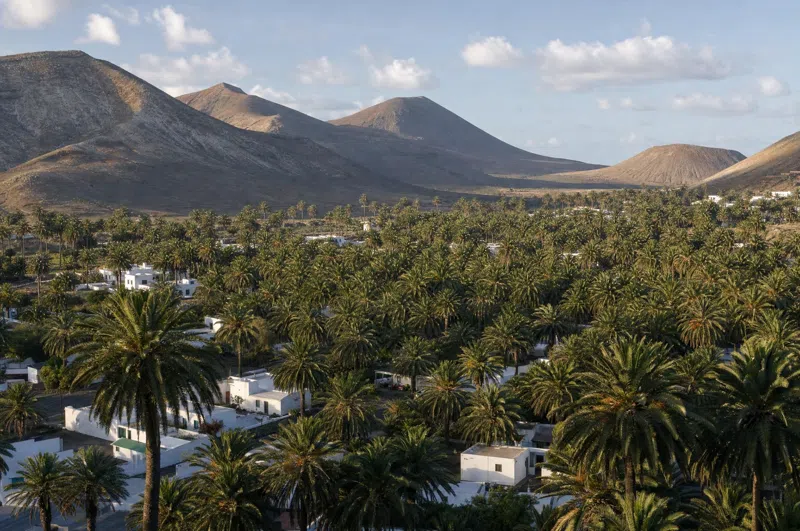
Haría
Suits travellers basing themselves inland to explore the north's cliffs and lava tubes, and anyone who wants mornings without tour buses; it's a 20-30 minute drive from any beach.
A palm-filled valley town in the island's volcanic north, still working farmland between the houses. César Manrique chose to live out his life here rather than in any resort, and the pace he found is still the point: shuttered midday quiet, a Saturday market, mountains on every side.
Where to stay Rural hotels and restored farmhouses in and around the valley; book ahead outside peak season, since rooms are few.
Caleta de Famara
Suits surfers and anyone who wants a genuinely unpolished base; swimming here is for strong swimmers only in places, since the Atlantic swell is real, not resort-pool calm.
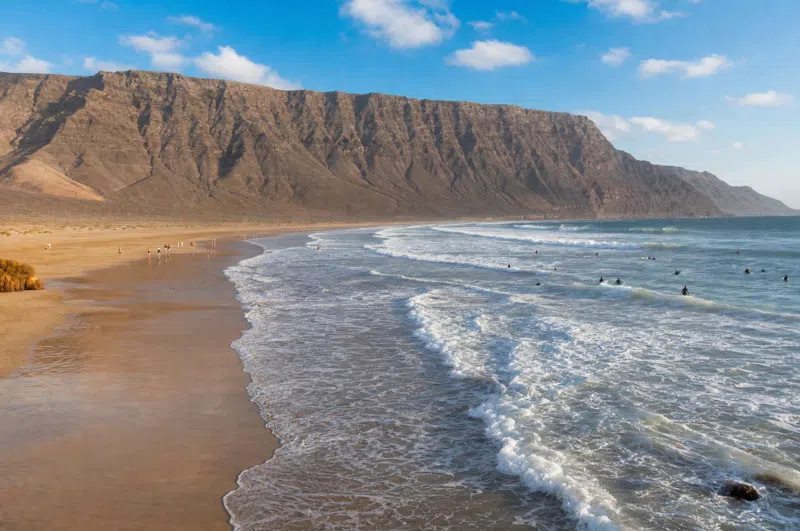
A low-rise fishing village facing a three-kilometre beach and the sheer Famara cliffs, and the centre of Lanzarote's surf culture. No high-rises and no strip of bars, just surf schools, a handful of tapas places and sand blowing across the streets.
Where to stay Surf hostels and small guesthouses in the village itself; no big hotels, which is exactly the point.
Stay in Caleta de FamaraBook before you land
Top-rated tours and tickets in Lanzarote, with live prices from Viator.

Group and private surf classes with a Certified Instructor in Lanzarote
from $66

Snorkel in Lanzarote with Guide
from $63

Open Water Diver Course in Lanzarote
from $535

Scuba Diving (Basic Diver - 2 dives)
from $160

Private Pro Photoshoot in Lanzarote
from $325

North Tour, Viewpoint, Brunch, White beach & lava pools
from $147

Single Dive for qualified divers from shore, region Puerto del Carmen.
from $53

2 Hours Surfing Lesson in Lanzarote
from $57
Prices from Viator; we may earn a commission when you book — at no extra cost to you. Tours are sold and operated by Viator, the merchant of record. Ratings are collected by Viator and Tripadvisor.
Book direct
Book a hotel in Lanzarote
Loading live availability and real-time prices…
The Lanzarote guide
Where to eat, drink and look, how to get around, and what locals expect of you. Open any chapter.
Where to eat
Dining
Kamezí
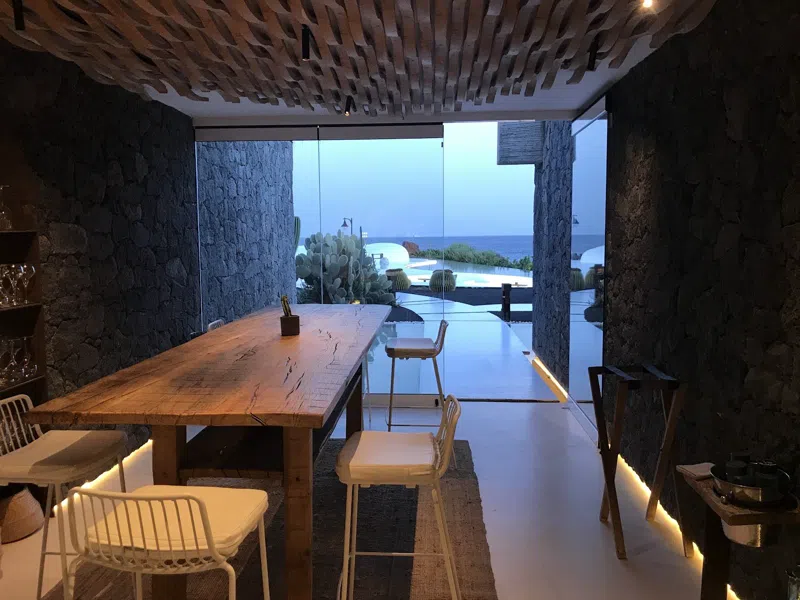
The island's only Michelin-starred kitchen, built around a tasting menu that works almost entirely from Lanzarote and Canarian producers, with its own bread baked on site.
Signature: tasting menu built around the day's Lanzarote catch and produce
SeBE
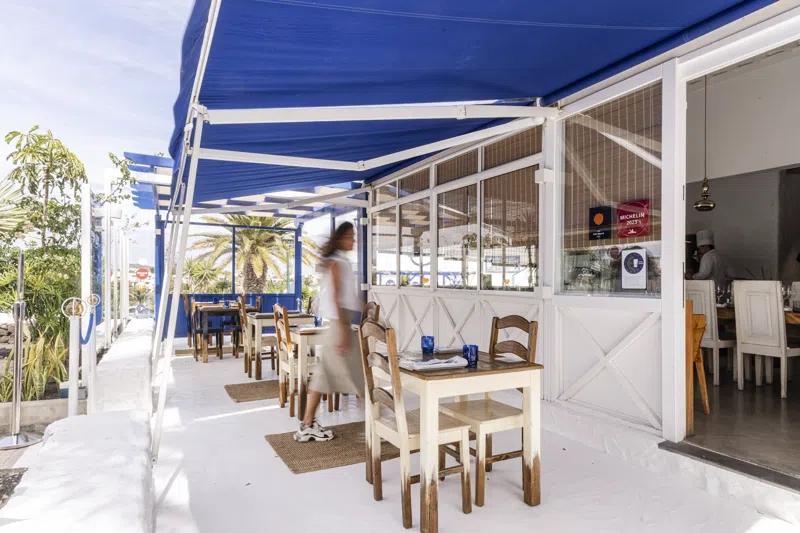
A tight menu built around whatever the boats bring in that day, best known for rice dishes made with giant local carabinero prawns from La Santa.
Signature: carabinero prawn rice
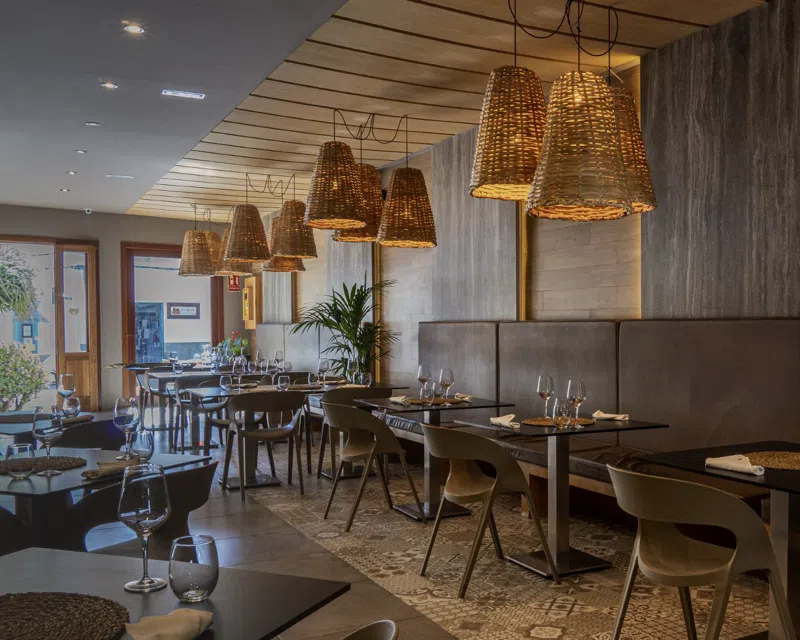
Tacande
Fuses Canarian staples with Asian, Peruvian and Moroccan technique under low-temperature cooking, in a Michelin-recommended kitchen that reads like nowhere else on the island.
Signature: low-temperature meats and tempura Atlantic fish
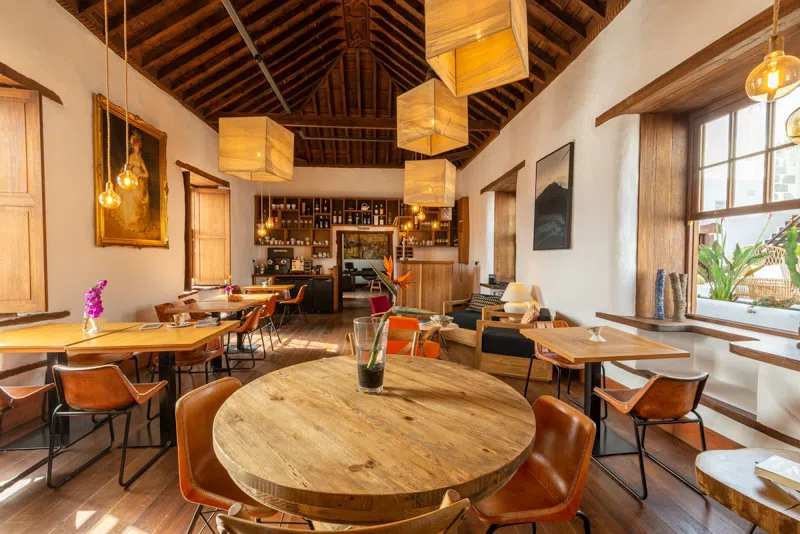
Palacio Ico
Takes plain island staples like Uga-smoked salmon and black Canarian pig and turns them into a seasonal tasting menu, backed by a wine list built around the island's volcanic vineyards.
Signature: vanguard Canary tasting menu
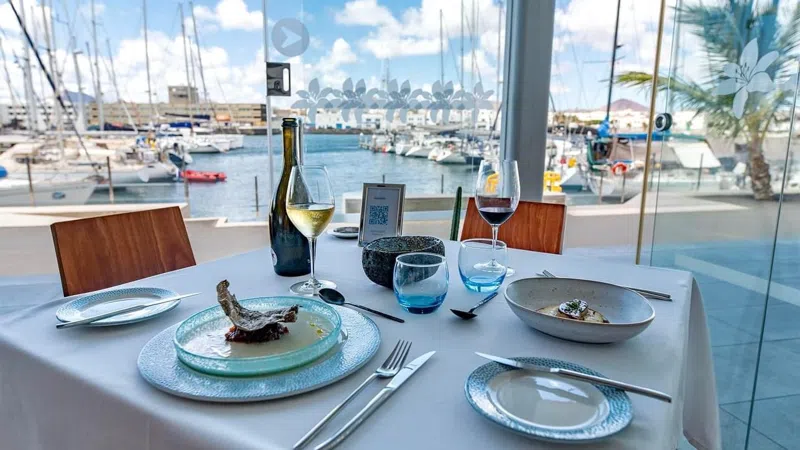
Lilium
A husband-and-wife kitchen on the marina that earned a Michelin Bib Gourmand for serious cooking at a price that doesn't match the setting.
Signature: seasonal market tasting plates
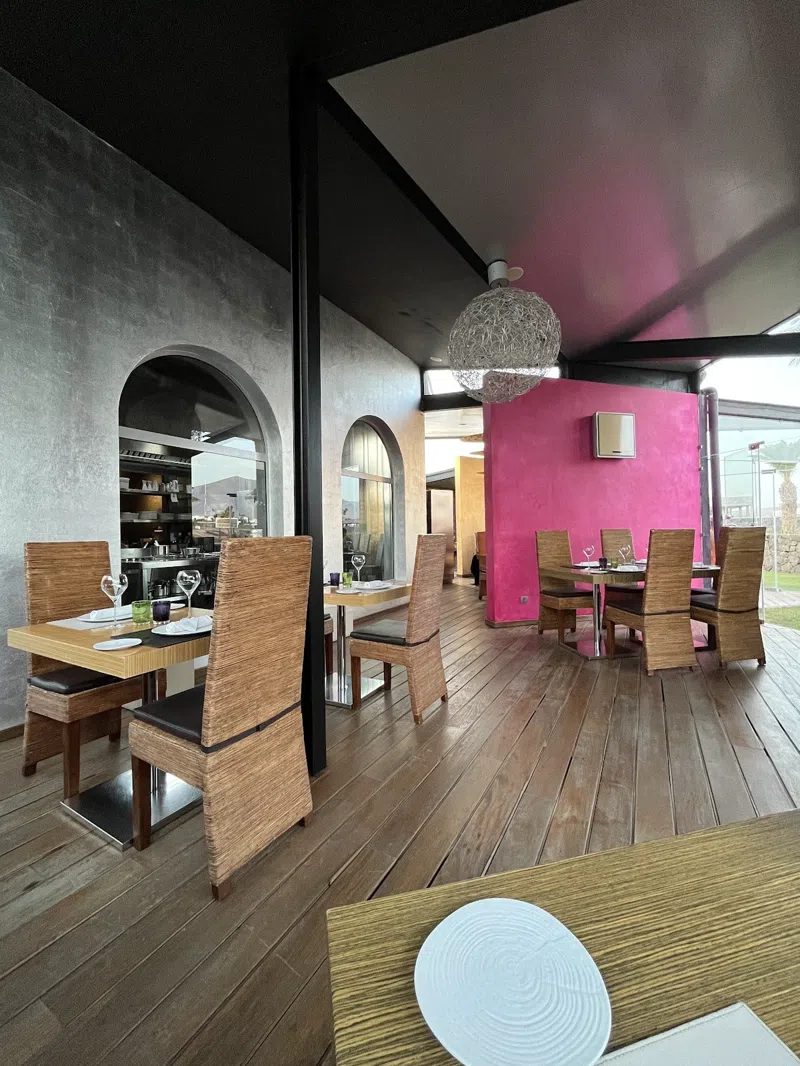
La Cocina de Colacho
Chef Colacho cooks alone behind an open kitchen window, four evenings a week, on a single tasting menu built on island ingredients; book ahead, tables are few.
Signature: chef's single nightly tasting menu
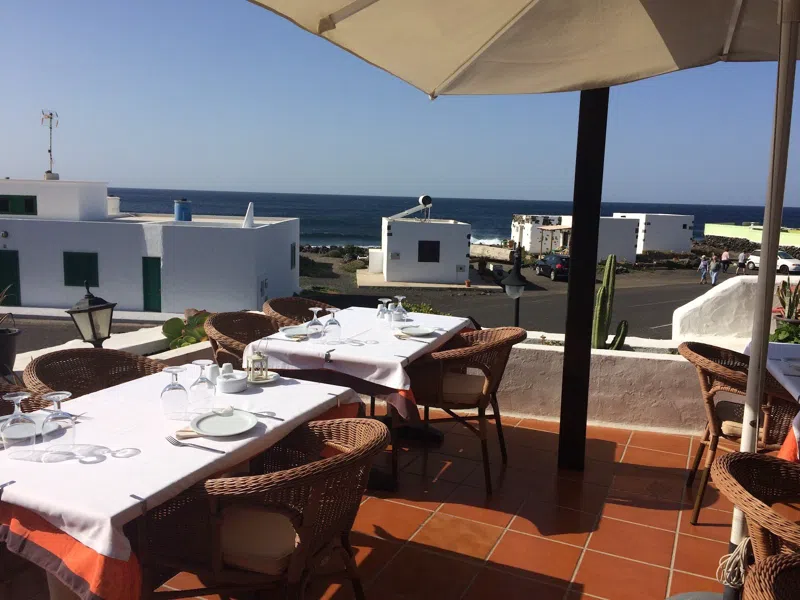
Casa Rafa Restaurante De Mar
A harbourside institution of over eighteen years, serving whatever the boats land that morning with no pretence beyond getting the fish right.
Signature: fresh grilled catch of the day
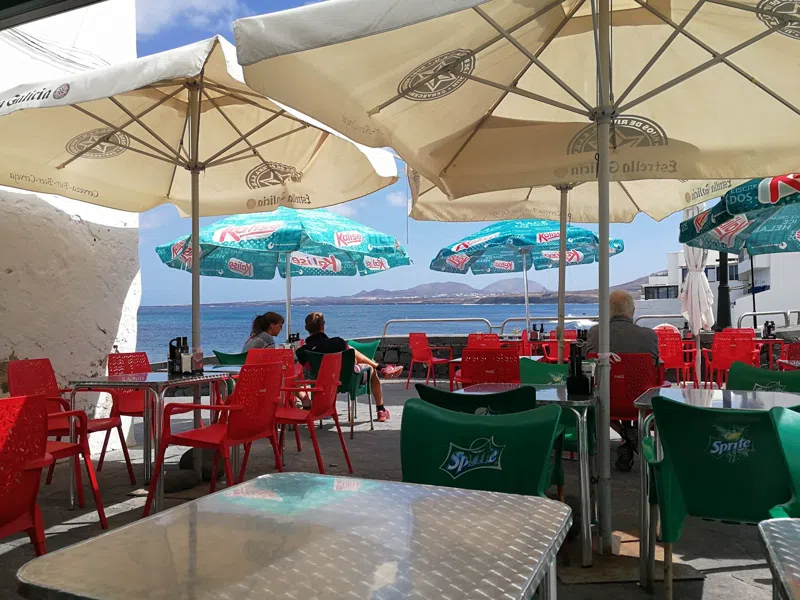
El Pisquito
A small, usually-full dining room right on the water, known locally for the freshest fish on the north coast and simple Canarian sides.
Signature: grilled local fish with papas arrugadas
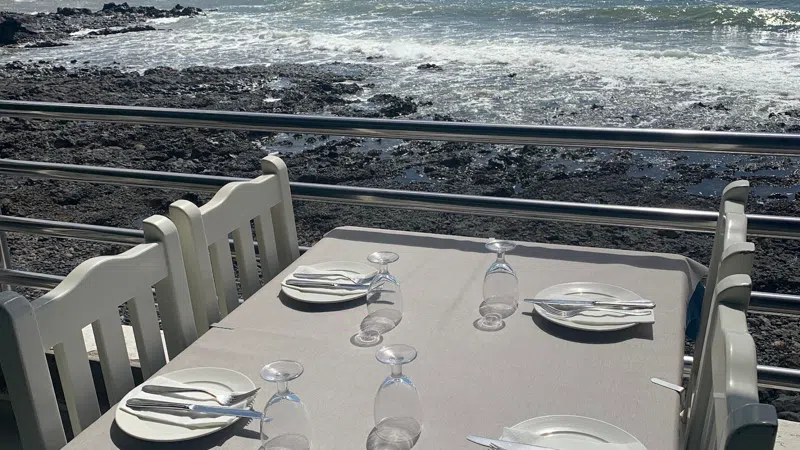
Restaurante Amanecer
A harbourfront fixture praised for the freshness of its catch and for staff who'll talk you through exactly what came in that day.
Signature: fish of the day
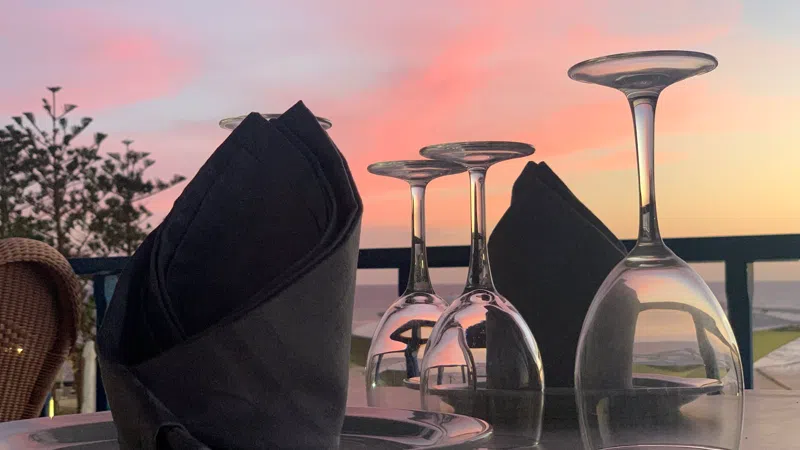
Restaurante Mar Azul Casa Luis
One of the row of seafood terraces above El Golfo's black lagoon, solid rather than showy, built on whatever's fresh that week.
Signature: grilled seafood platter
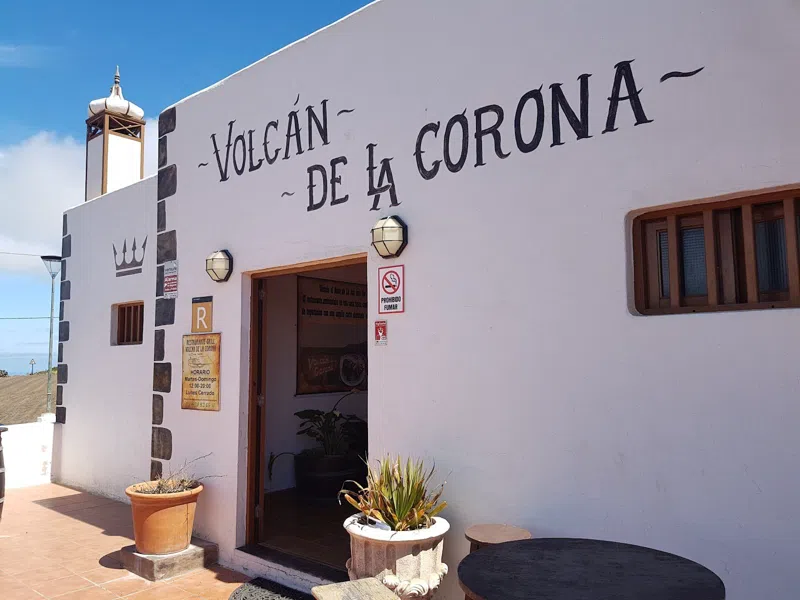
Grill Asador Volcán de la Corona
A no-frills grill near Mirador del Río rated by locals as the best meat on the island, cooked straight over charcoal with little else to distract from it.
Signature: charcoal-grilled T-bone and Iberian pork
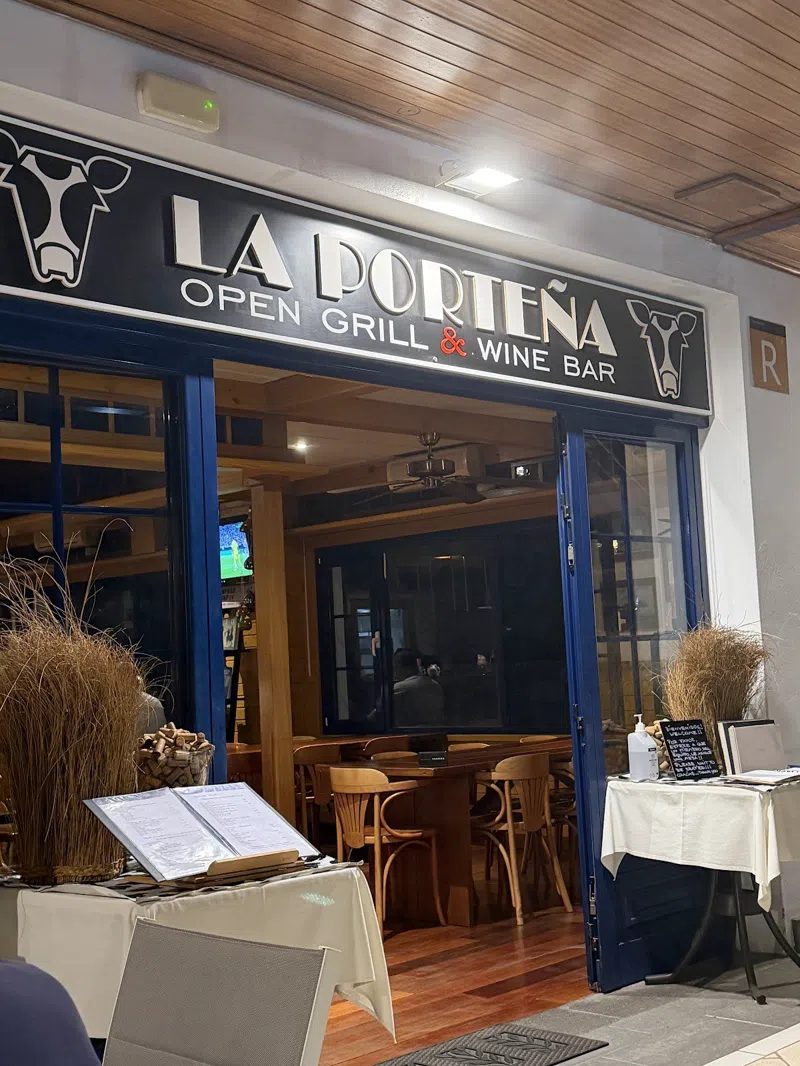
La Portena
An Argentinian steakhouse on the marina built around a wood-fired grill, with a chimichurri recipe the kitchen treats as a family secret.
Signature: Argentinian fillet steak with chimichurri
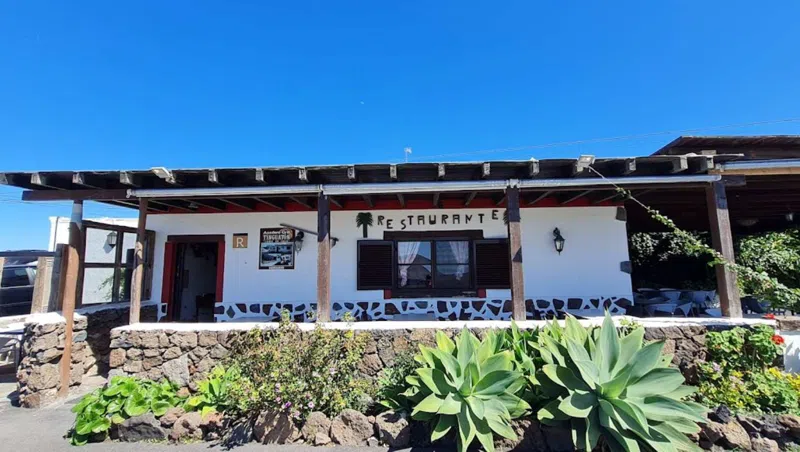
Casa Satorno Asador Grill
A grill tucked among the volcanoes well off any tourist route, known for grilled octopus and sunset views from the terrace rather than polish.
Signature: grilled octopus and charcoal-grilled meats
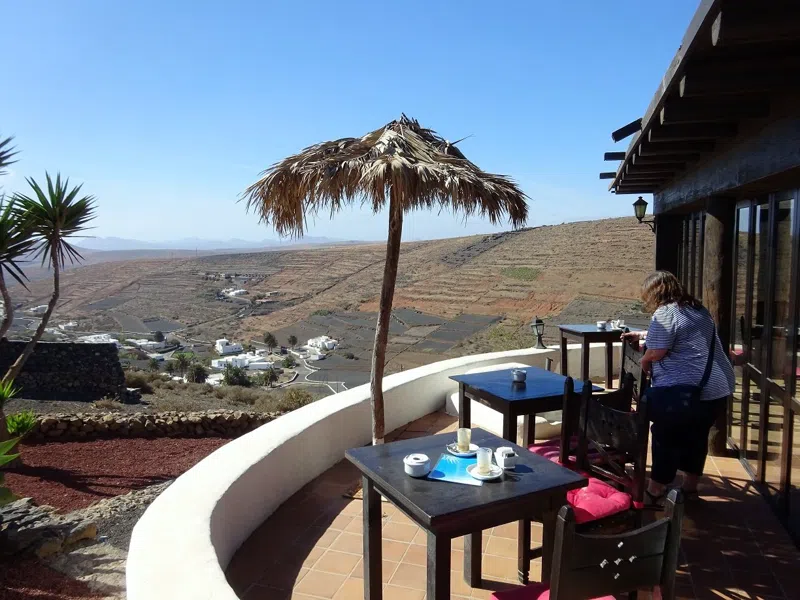
Restaurante Mirador de Los Valles
A hillside dining room above the north valleys, known island-wide for its goat stew and a view that competes with the food.
Signature: goat stew (cabrito)
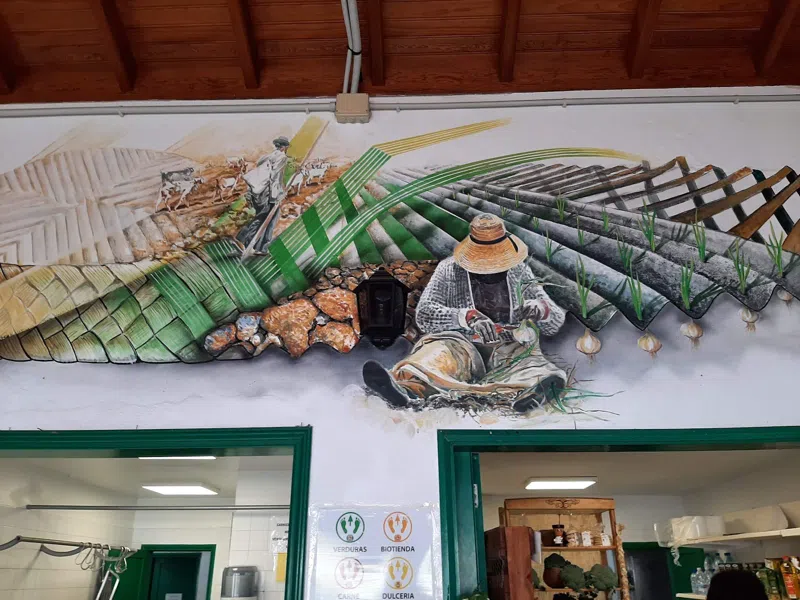
Mercado Municipal de Abastos de Haría
An indoor market hall where stallholders cook Canarian classics with a personal touch, goat stew and mojo-doused octopus among the standouts.
Signature: market-stall goat stew and octopus with mojo
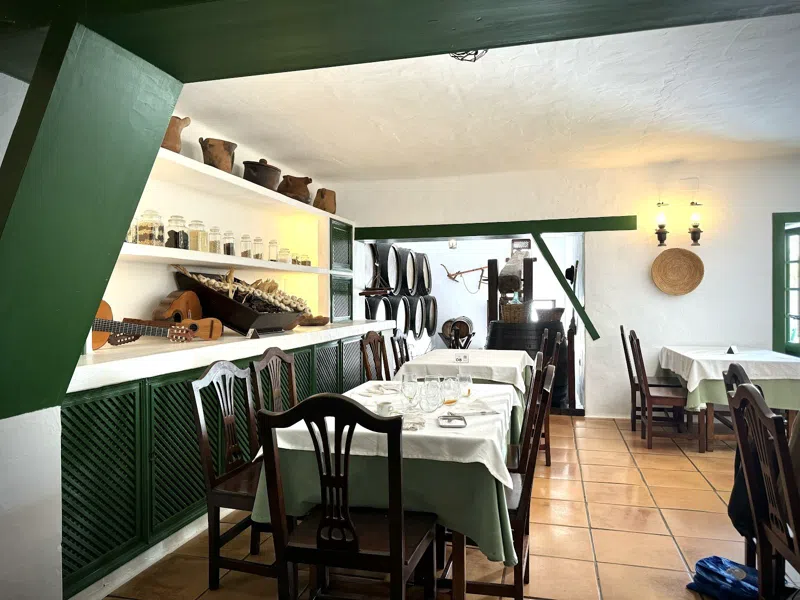
Casa-Museo del Campesino restaurant
The restaurant attached to César Manrique's farmers' monument, serving plain, old-fashioned island cooking to a mostly local lunch crowd.
Signature: traditional Canarian stews and gofio
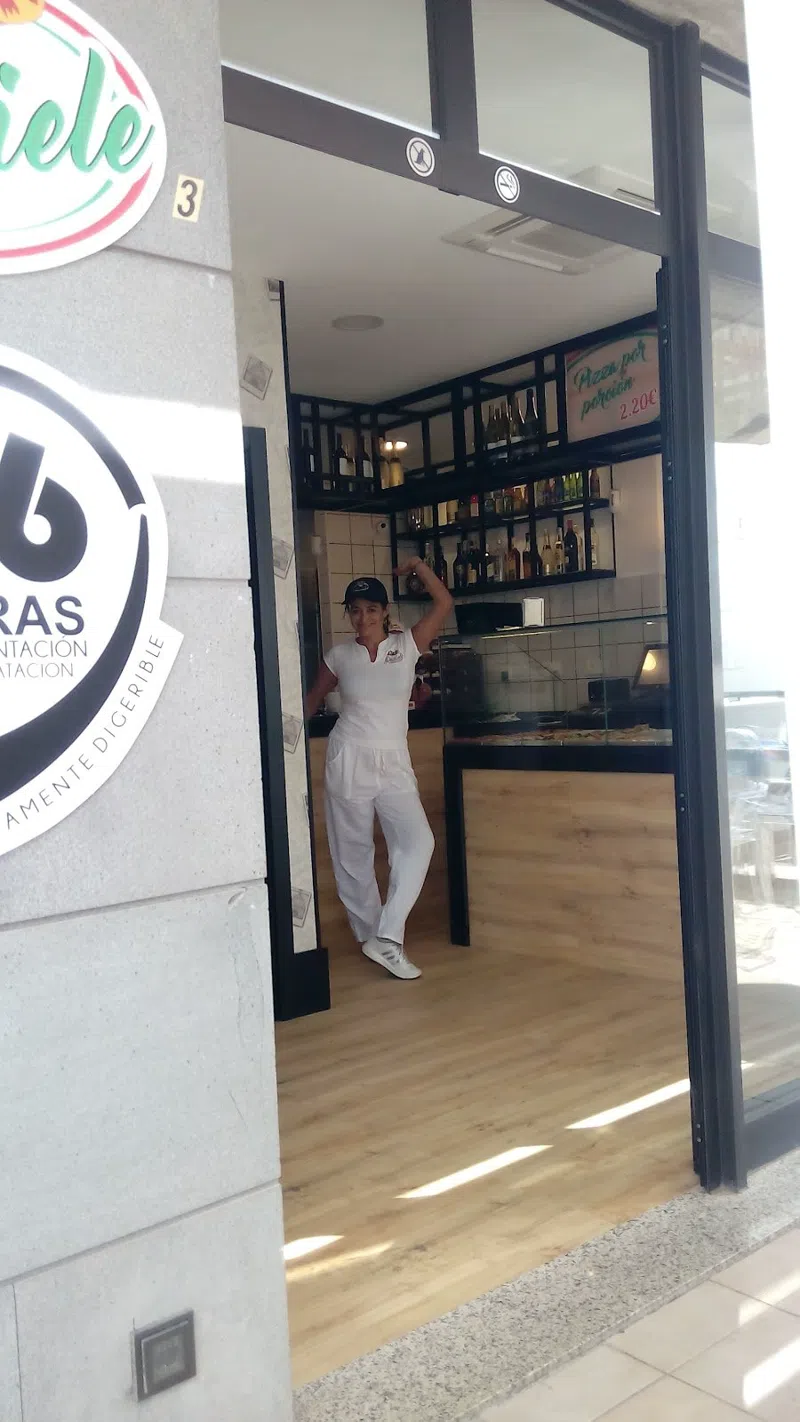
Daniele Pizza al Taglio
A pizza-by-the-slice counter with a 96-hour dough ferment, rated the best pizza on the island by a wide margin for the price.
Signature: pizza al taglio by weight
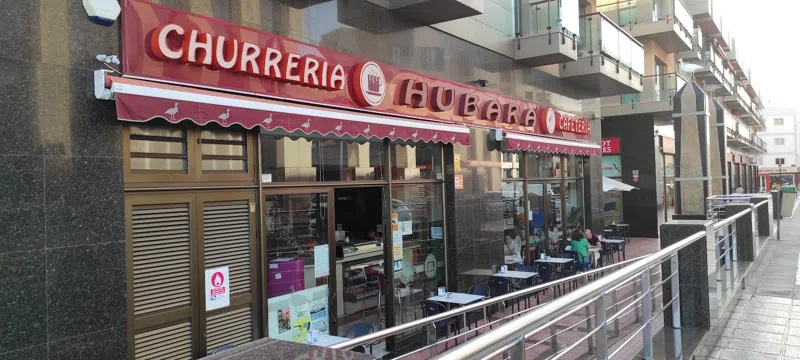
Churrería Hubara Cafetería
A plain, local churros counter in the capital; service can be brusque when busy, but the churros and chocolate are the real thing and cost next to nothing.
Signature: churros con chocolate
La Carmencita del Puerto
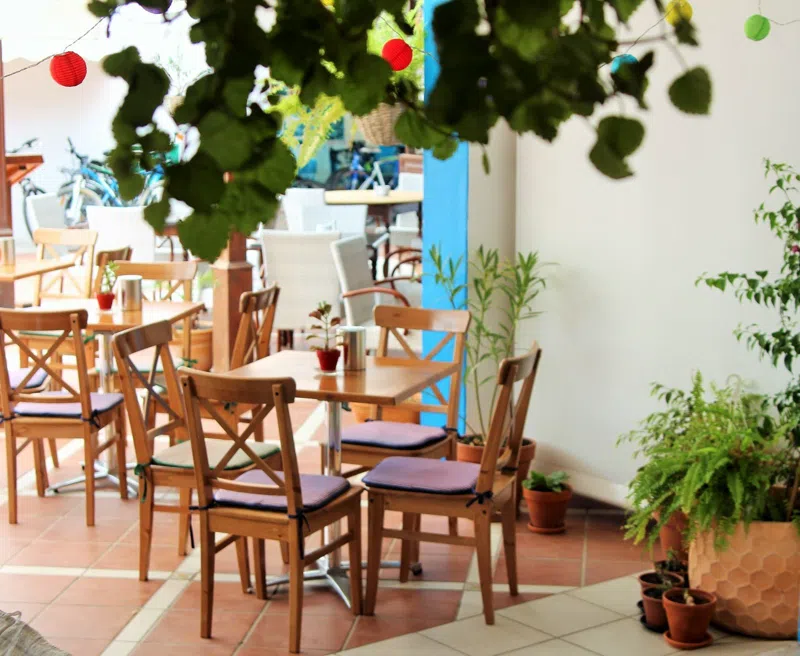
A tapas bar locals actually use for a cheap plate of Canarian classics by the lagoon, rather than a menu aimed at day-trippers.
Signature: Canarian tapas plates (enyesques)
Restaurante Hespérides
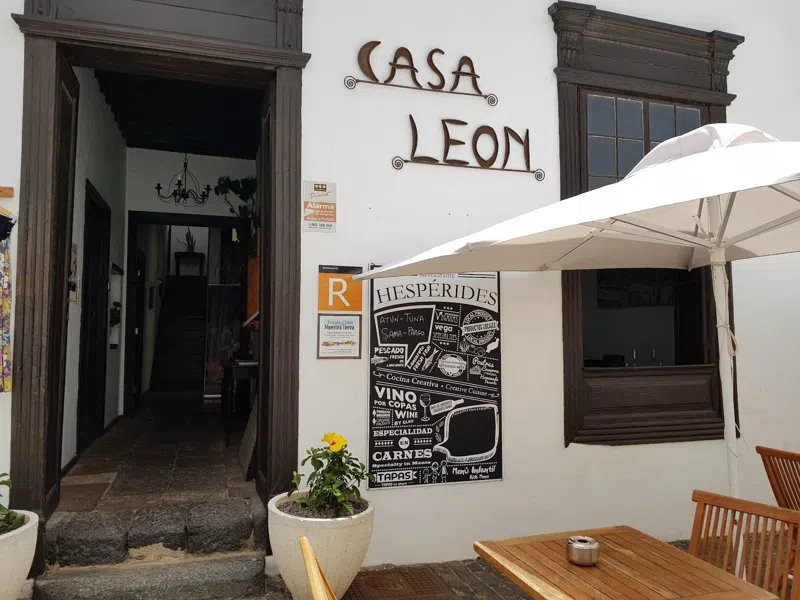
Housed in a characterful old building with an attached wholefood shop, and the closest thing the island has to a dedicated vegan kitchen, with a genuinely large meat-free menu.
Signature: vegan tapas and falafel
Surf Corner Cafe Bar
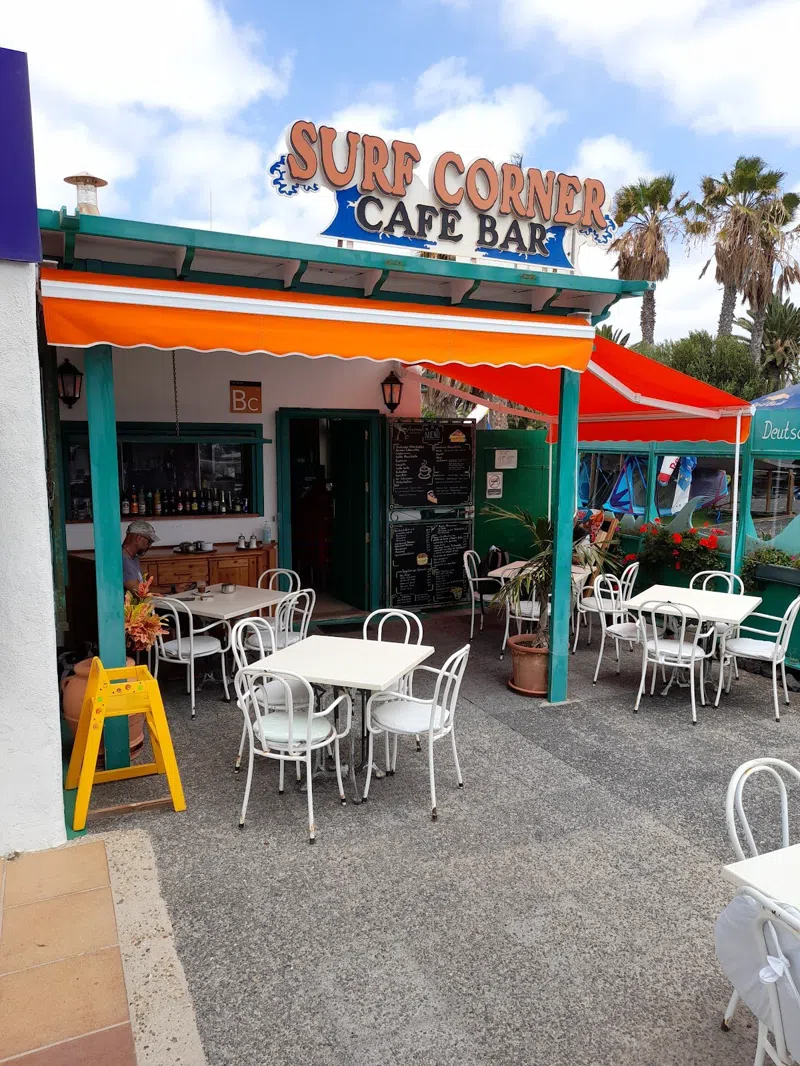
A beachfront cafe-bar that goes out of its way to make its lentil burgers and wraps vegan on request, in a resort where that's rare.
Signature: homemade lentil burger
After dark
Nightlife
Lanzarote Palace
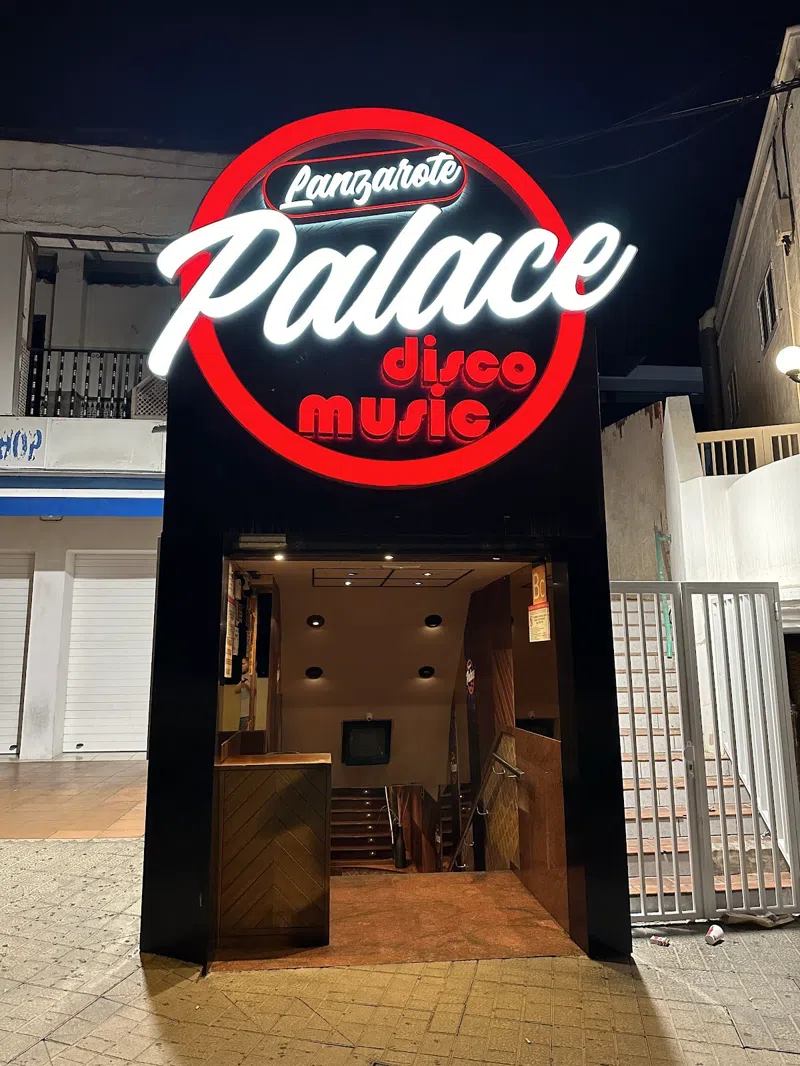
The island's best-known late club, with resident DJs and a dance floor that doesn't properly fill until well past one in the morning on weekend nights.
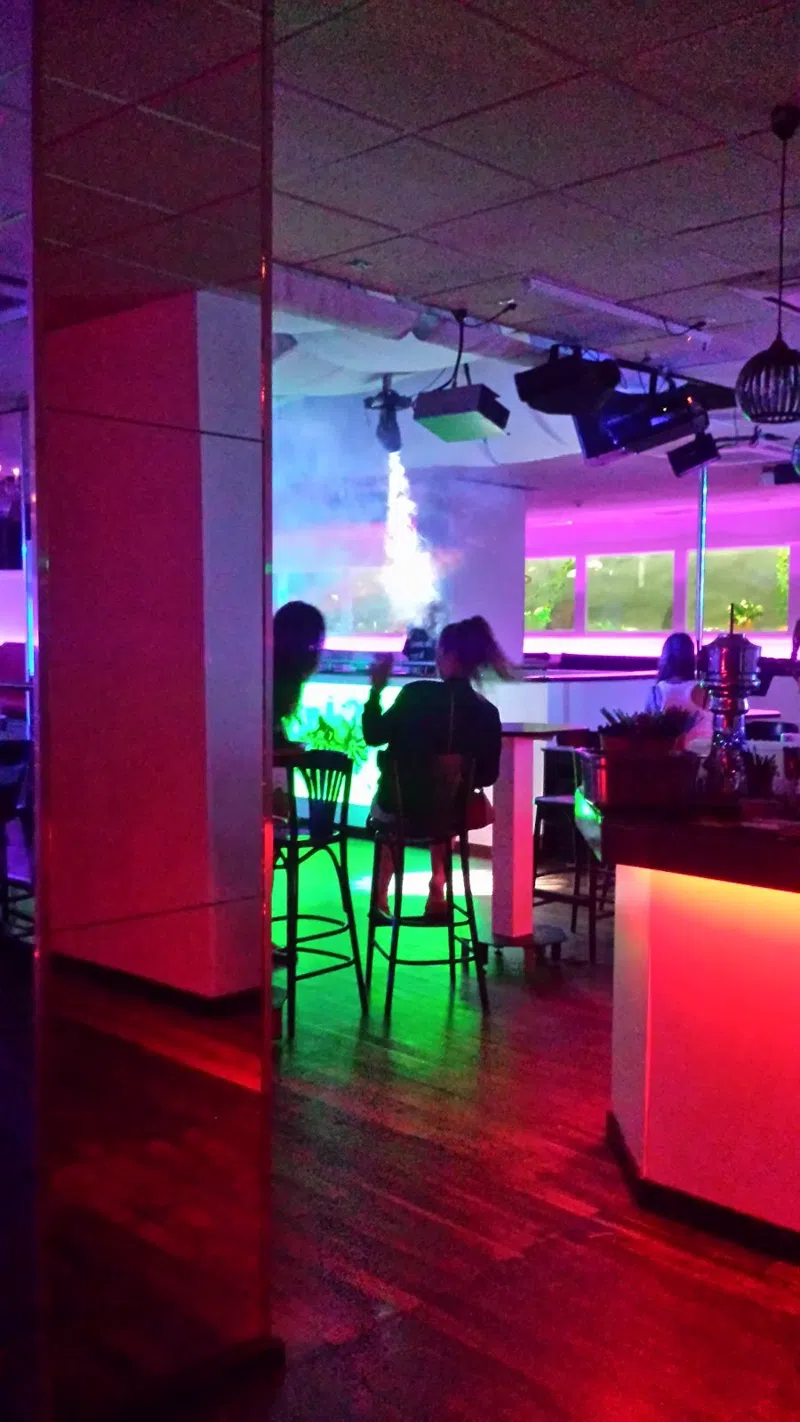
Paradise Disco Bar
A long-running disco with a wall-sized aquarium behind the bar and a crowd that leans toward returning regulars rather than a one-night stop.
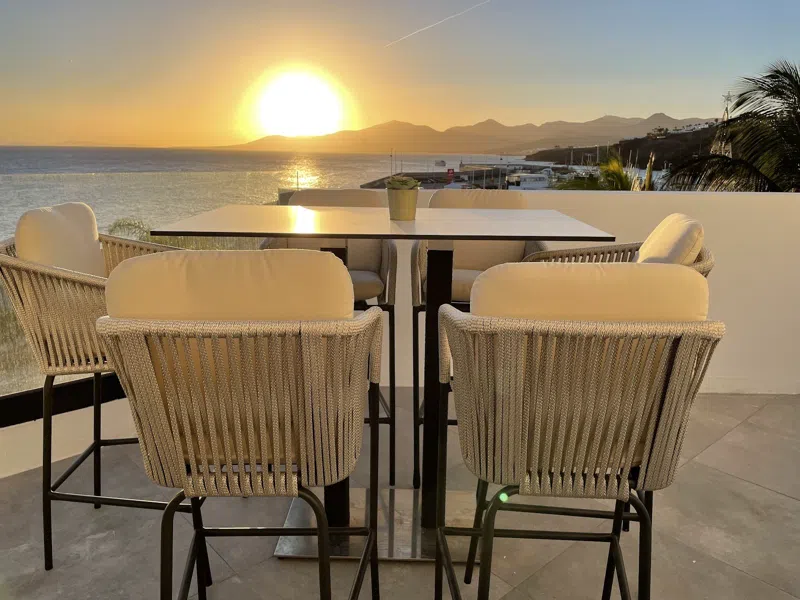
Las Amigas Rooftop Bar
Opened by two Dutch owners above the old town, with a view built for sunset cocktails rather than crowds, and occasional live sets.
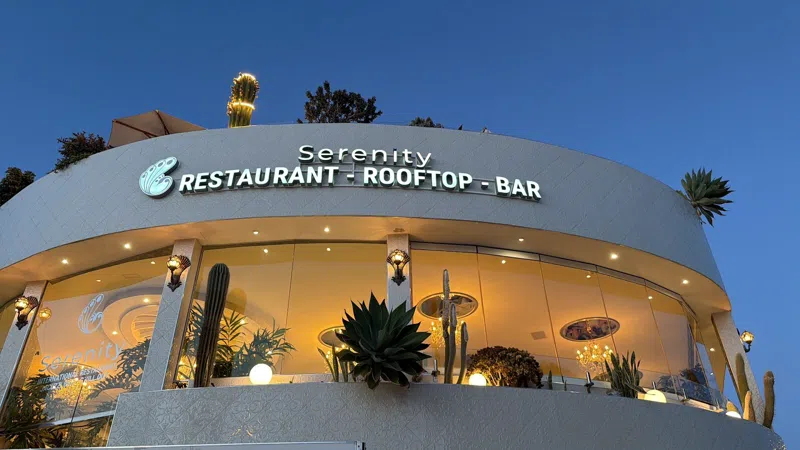
Serenity
Splits into a relaxed rooftop above and a more formal restaurant below, so the evening can go either way depending on how you feel.
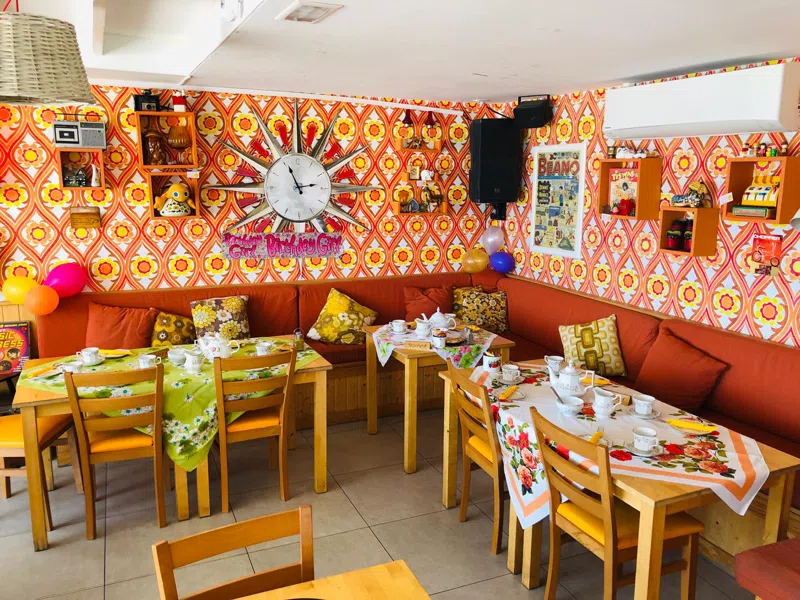
The Good Old Days Bar & Kitchen
A sea-view terrace with nightly live music and a cocktail list that changes with daily specials rather than sticking to a fixed card.
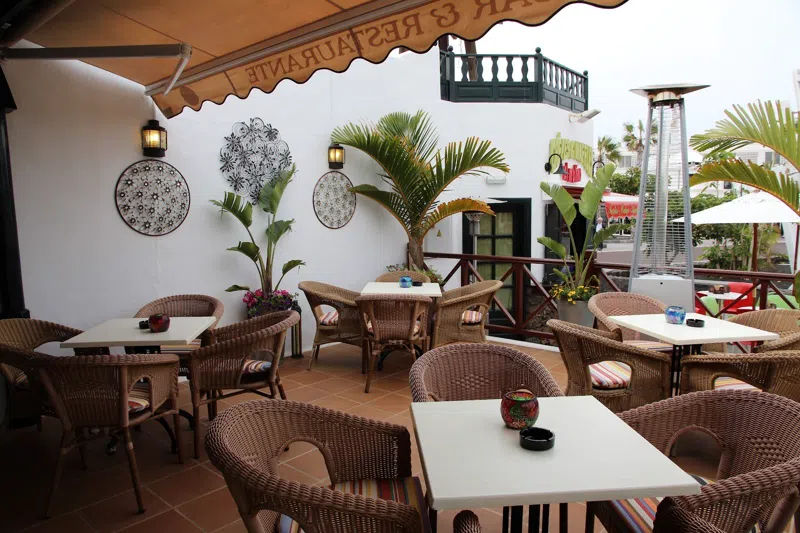
The Lighthouse Bar
An all-day bar that turns into the resort's main evening draw after dark, with a long cocktail list and live acts most nights.
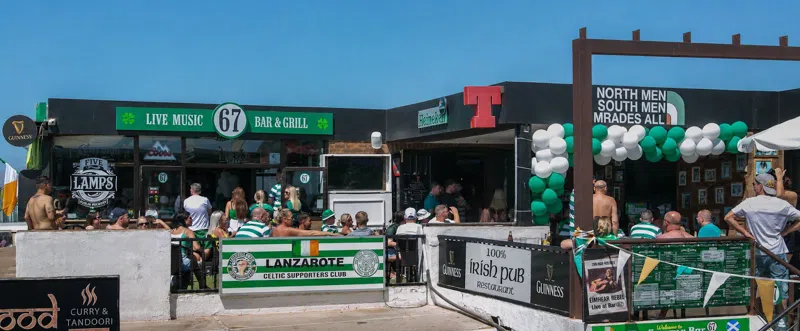
Bar 67
Run by Dublin brothers, with live Irish music every night of the year and a crowd of regulars who treat it as a local.

Electric Island Live Music Bar
A three-piece house band plays a full three-hour rock set six nights a week, requests included, to a crowd that knows the words.
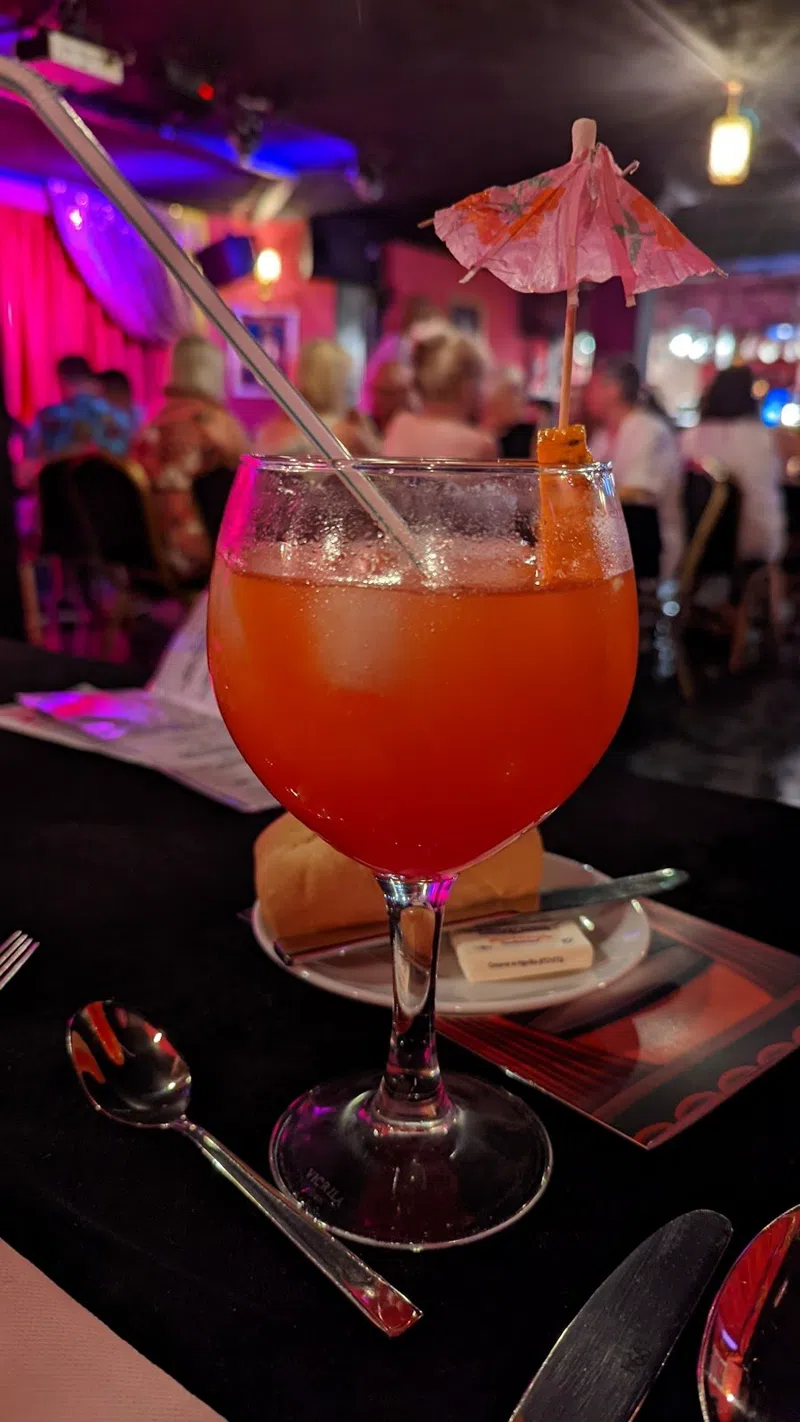
MHT Lanzarote
A comedy drag dinner show that's been running for more than three decades, built on singing and audience participation rather than a straight gig.
Art & history
Culture
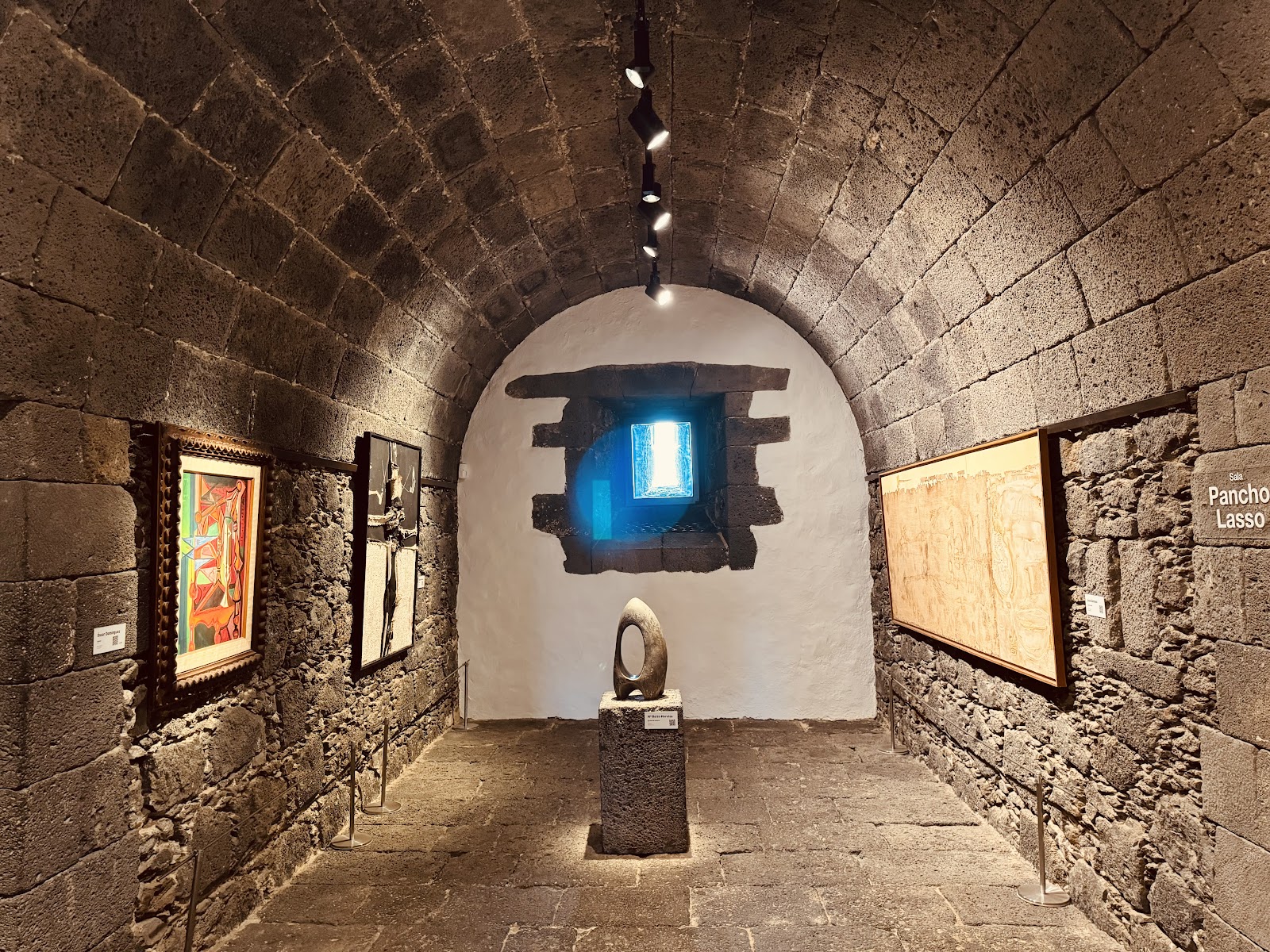
MIAC – Castillo de San José
An 18th-century fort that Manrique convinced the island to turn into a contemporary art museum, holding 20th-century work by Picasso, Miró, Chillida and Tàpies inside the old stone walls.
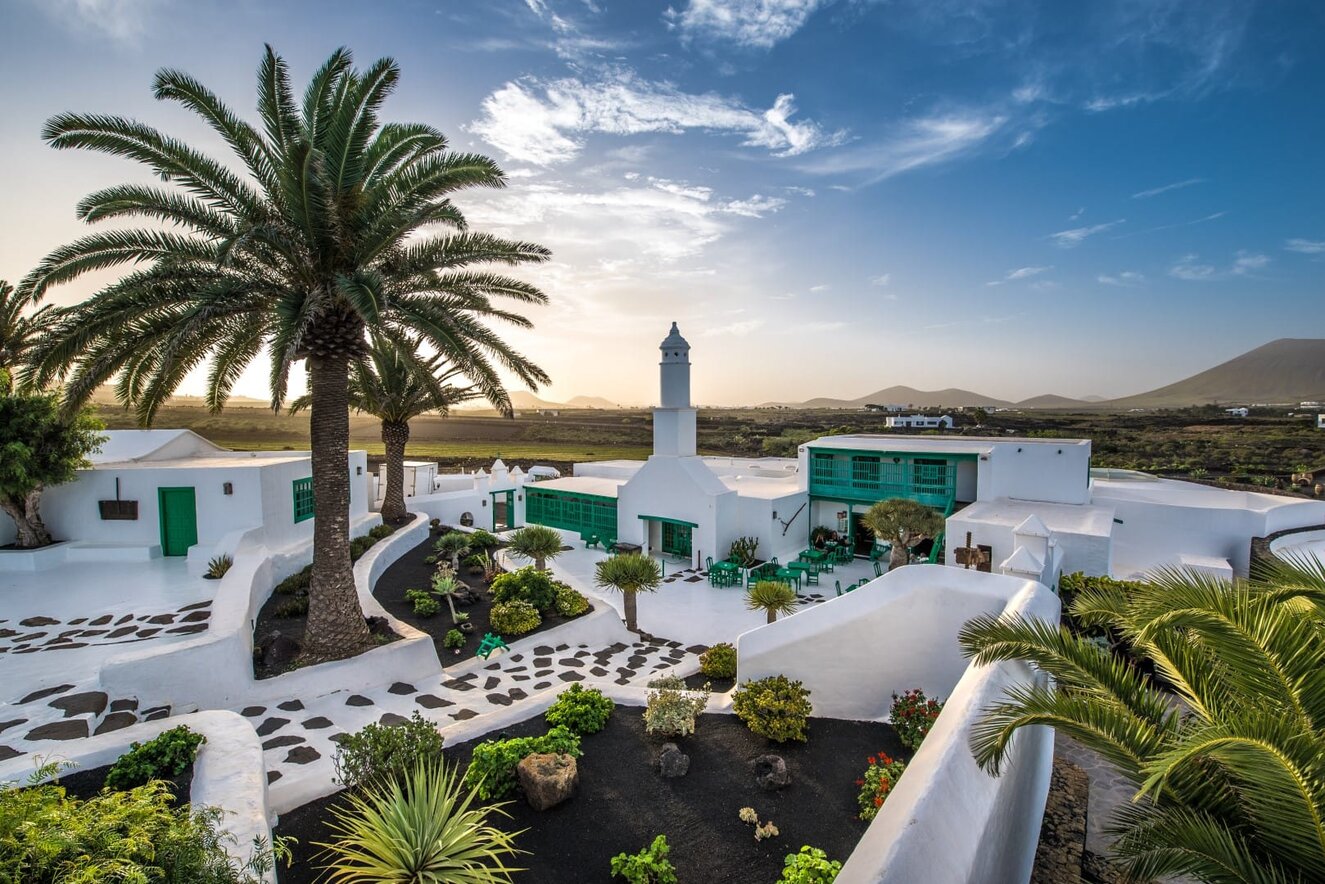
Casa-Museo del Campesino
A working monument to the island's farmers, built by Manrique from old ship tanks, with a house-museum of tools and crafts attached.
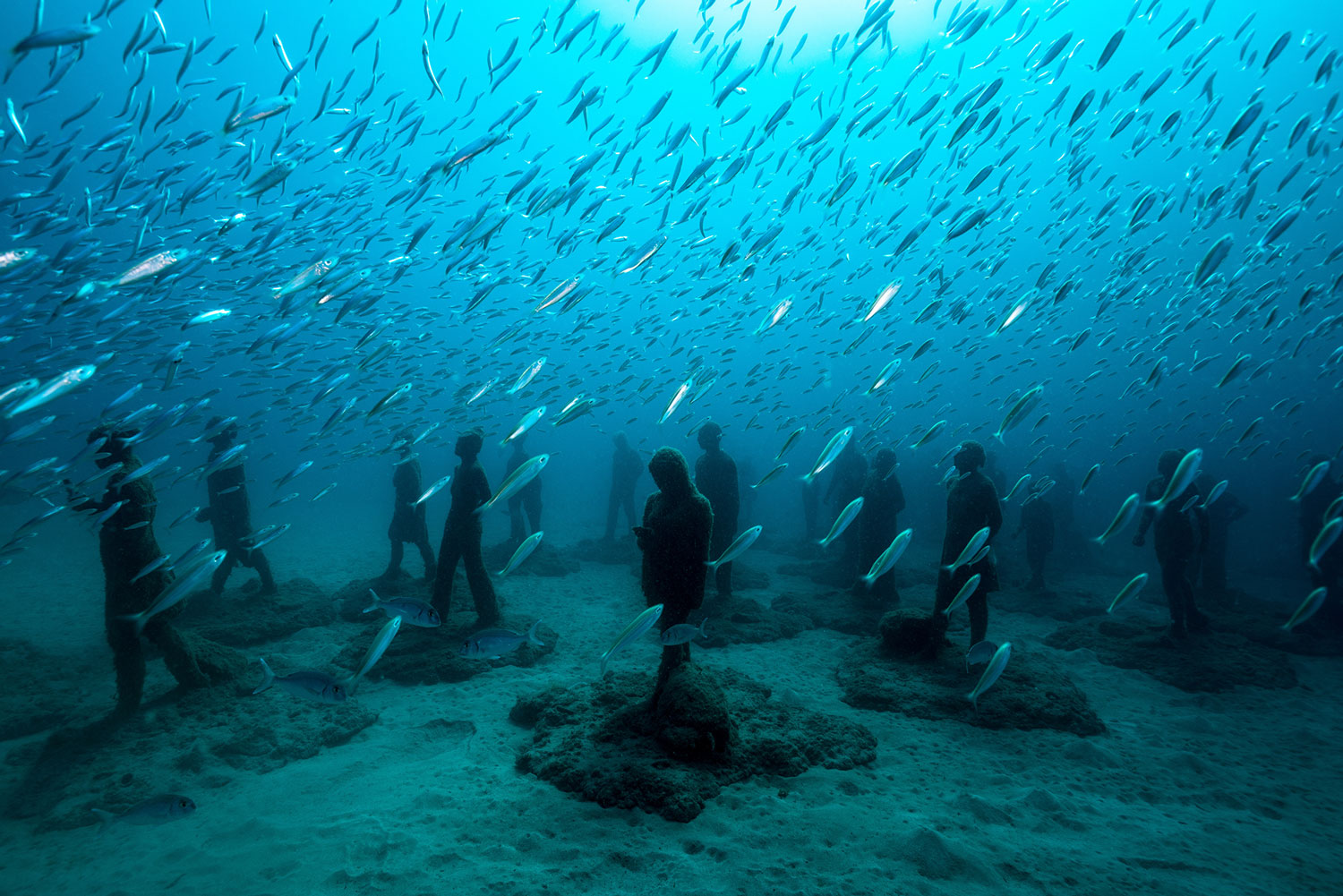
Museo Atlántico
Europe's first underwater sculpture museum, over three hundred cast figures including the Rubicon procession, sunk 12-14 metres down as an artificial reef.
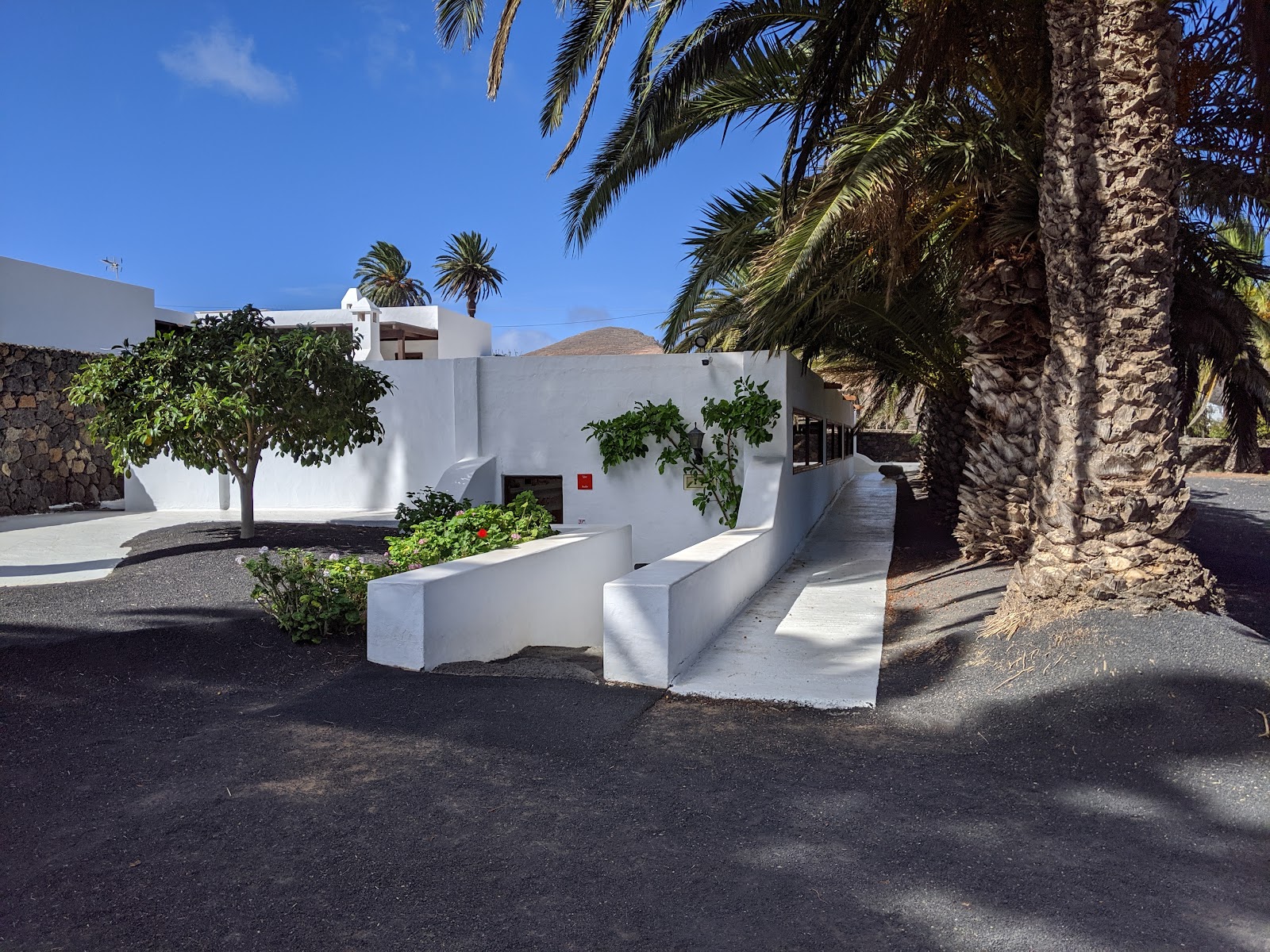
César Manrique's home (Fundación César Manrique, Haría house)
The house Manrique designed for his own last years, built into the valley rather than against it, now a small museum of his domestic architecture.
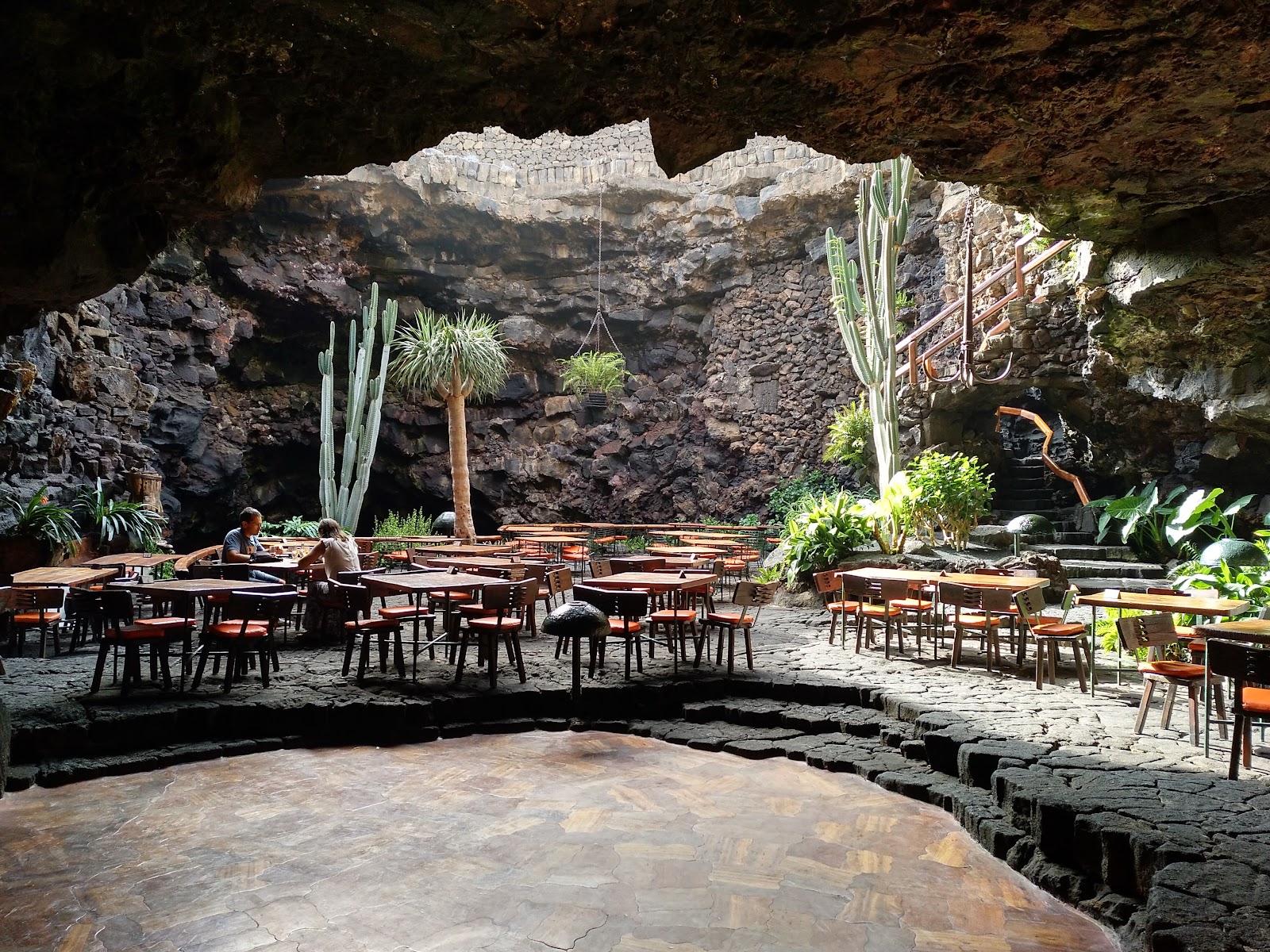
Jameos del Agua
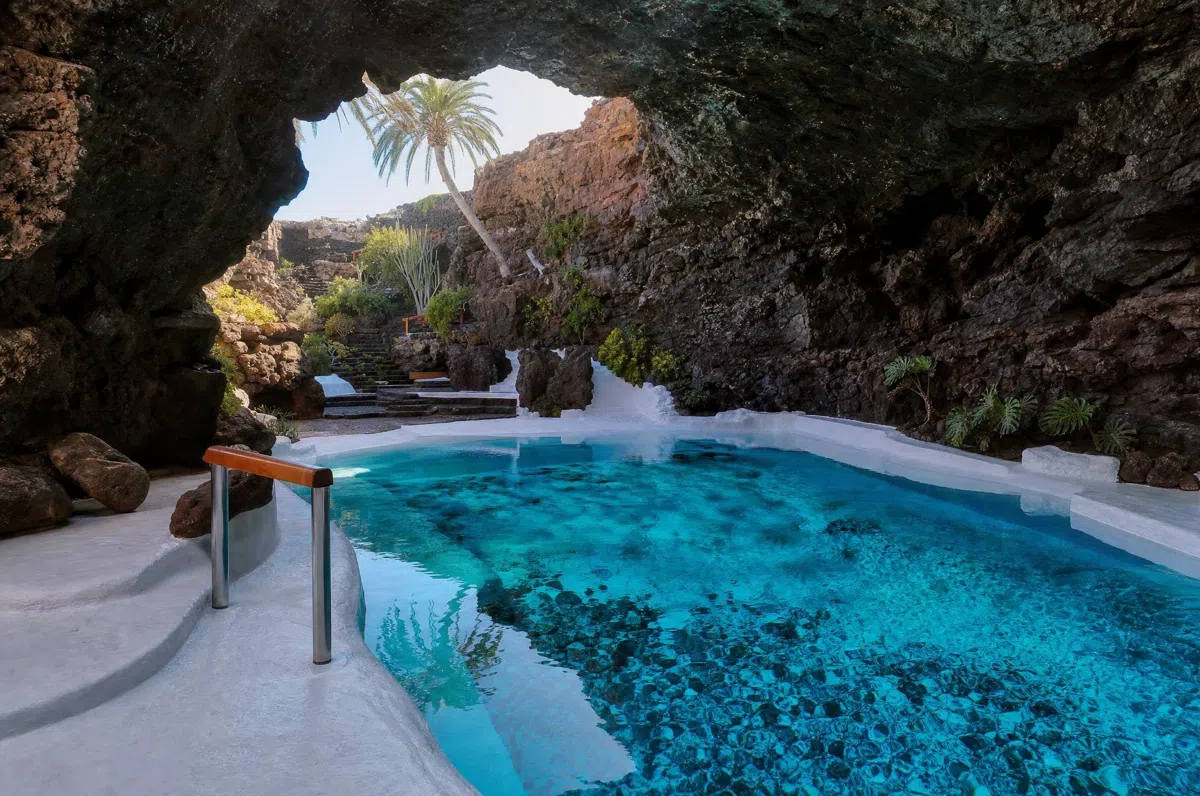
A collapsed lava tube turned concert hall and garden by Manrique in 1968, with a sunken lagoon and a 600-seat auditorium carved from the rock.
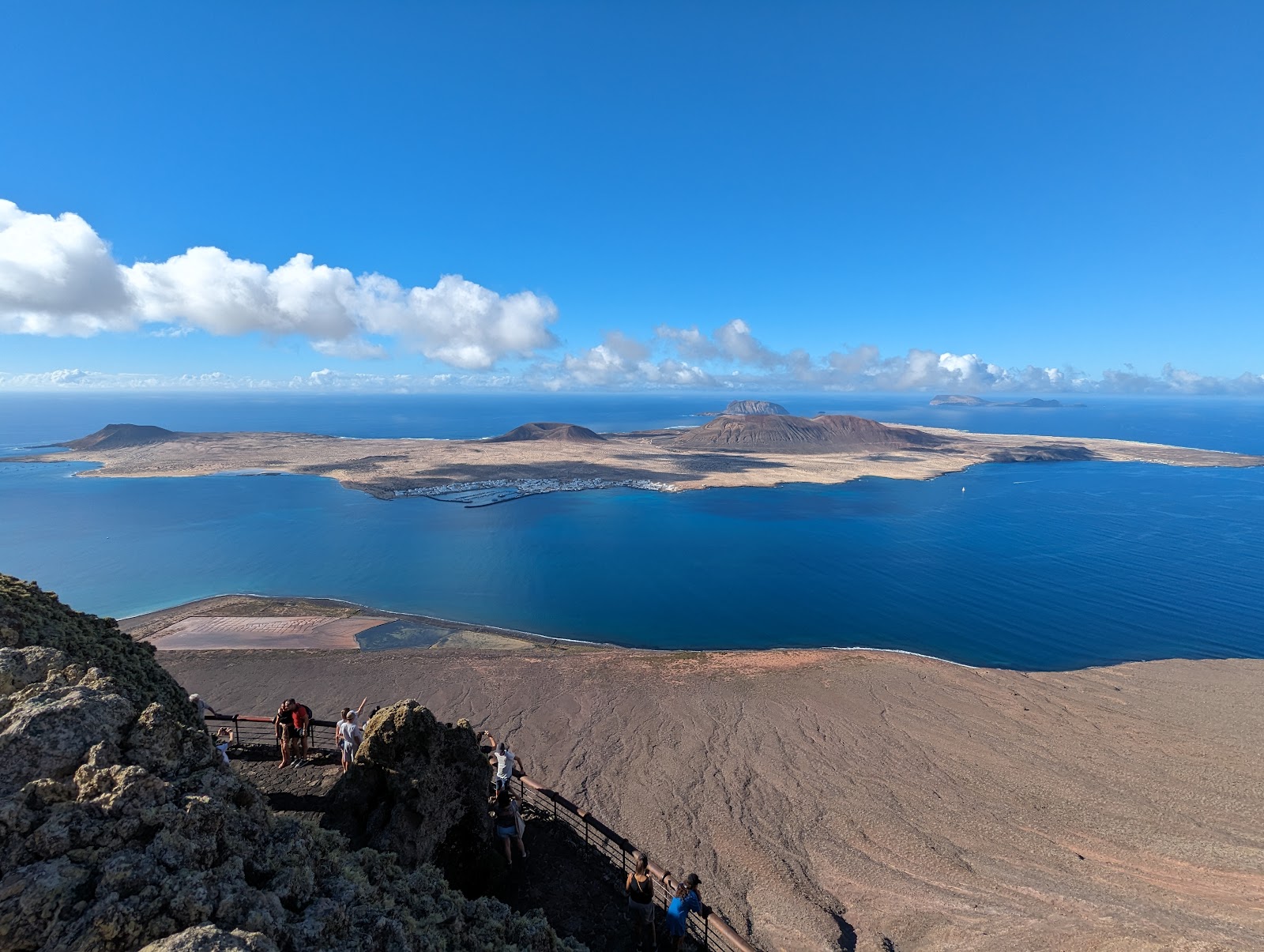
Mirador del Río
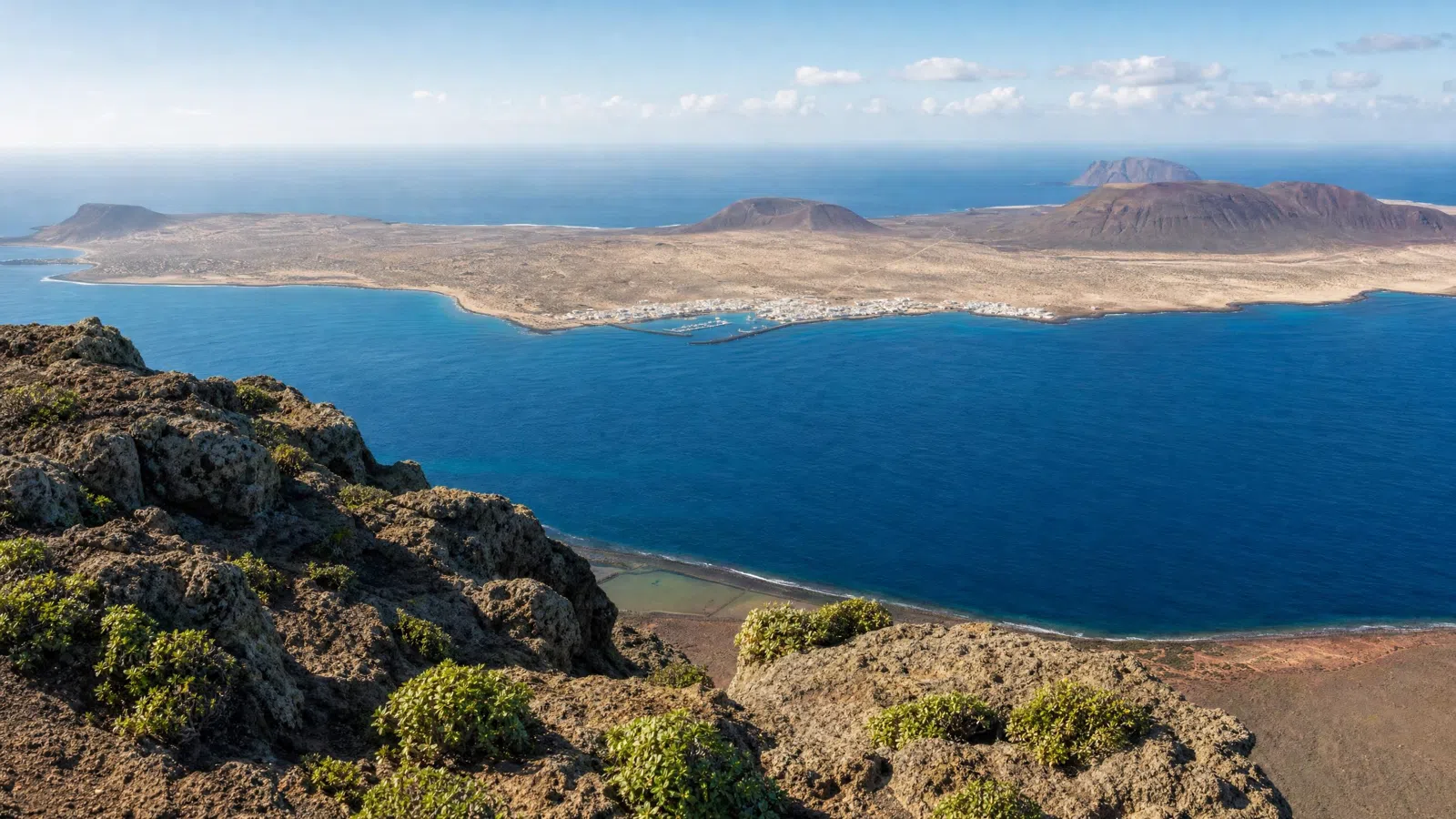
A lookout Manrique dug into the Famara cliffs, framing La Graciosa and the strait below through curved glass rather than a simple platform.
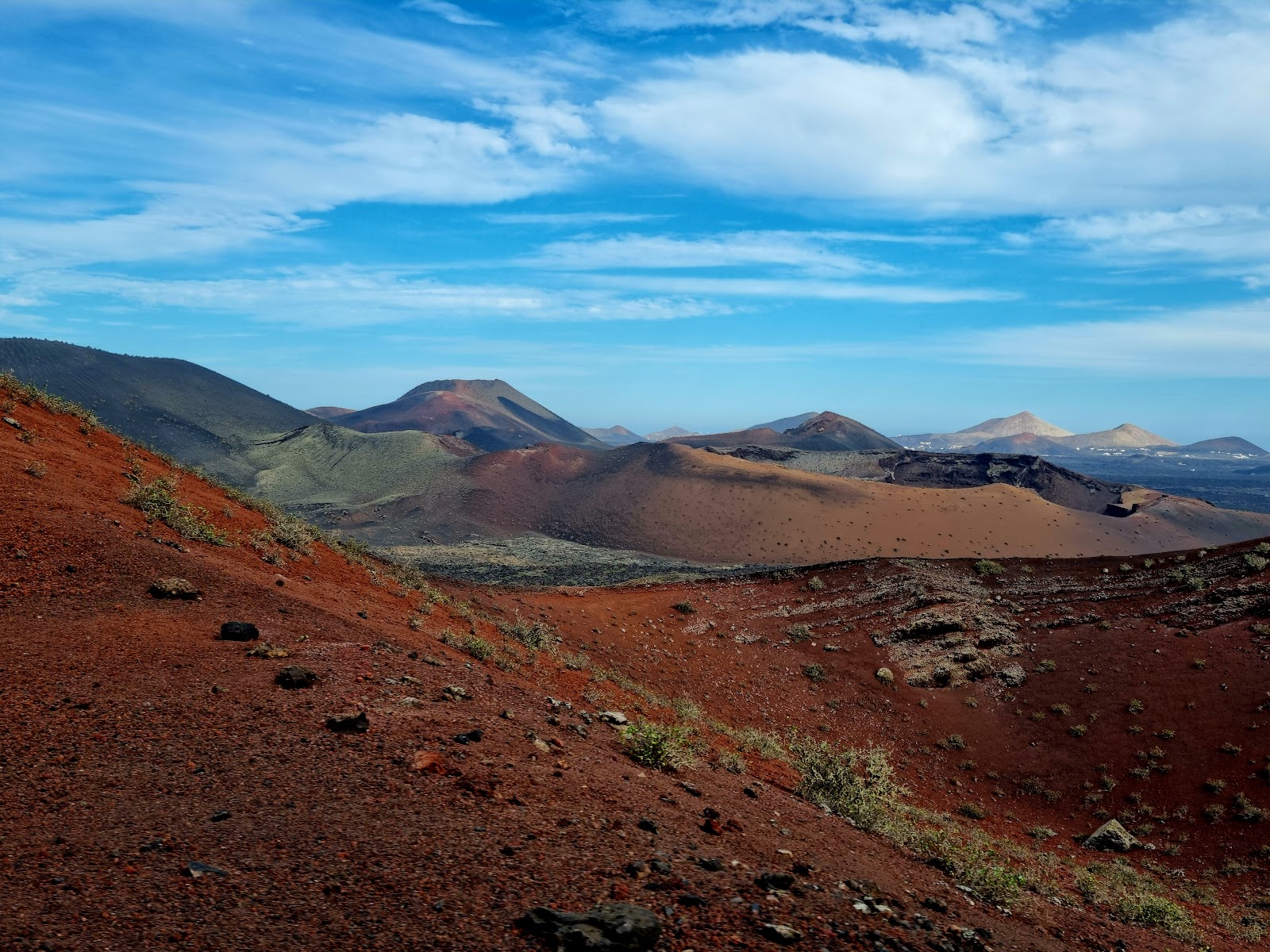
Timanfaya National Park (Montañas del Fuego)
The still-warm result of a six-year eruption in the 1730s, crossed only by a guided bus route since walking it unsupervised isn't allowed.
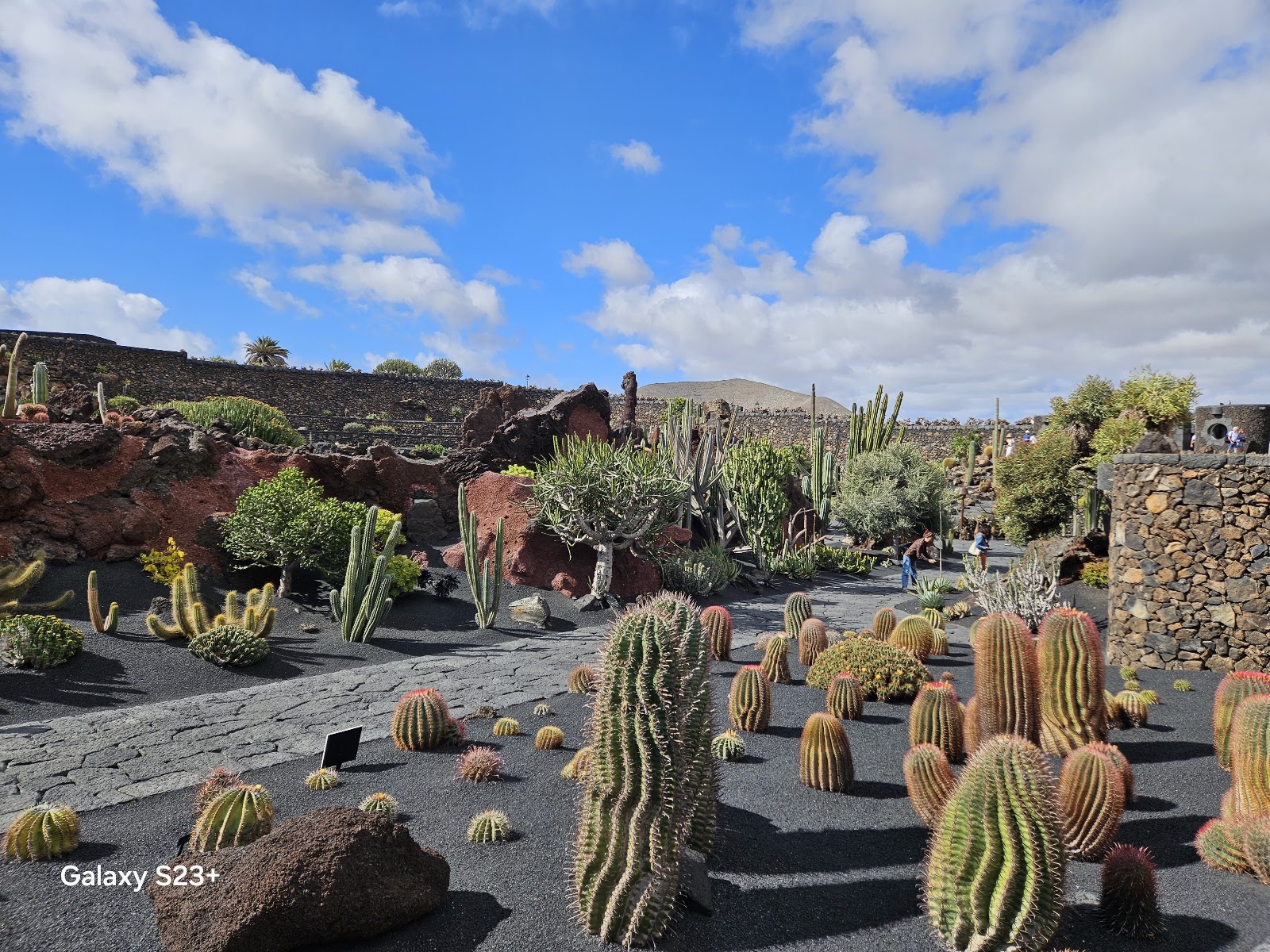
Jardín de Cactus
Manrique's last project, an old quarry terraced with around 4,500 cacti from across the world, with a restored windmill at its centre.
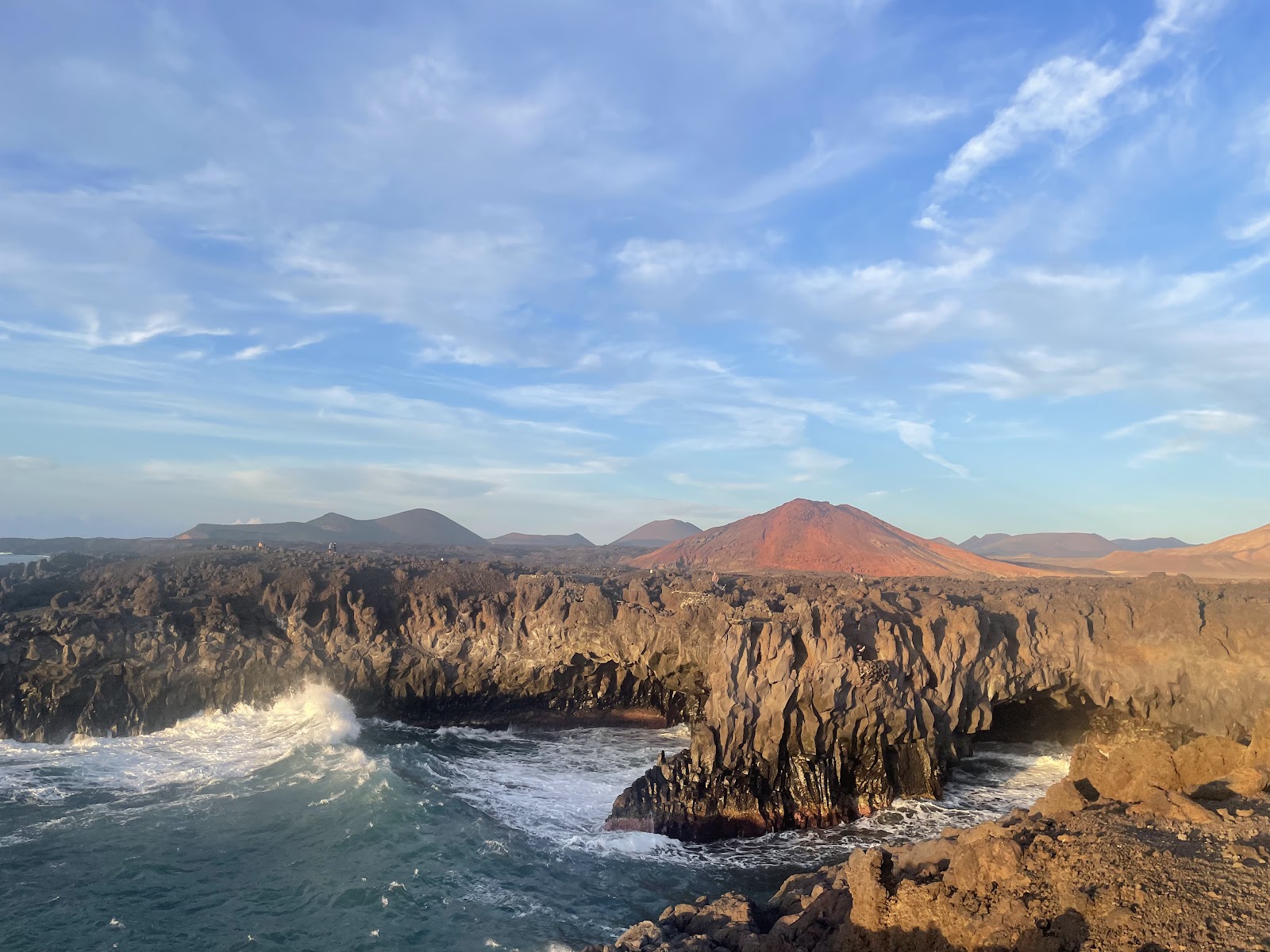
Los Hervideros
Waves force themselves through old lava tunnels on the cliff edge here hard enough to sound like boiling water, right on Timanfaya's southern edge.
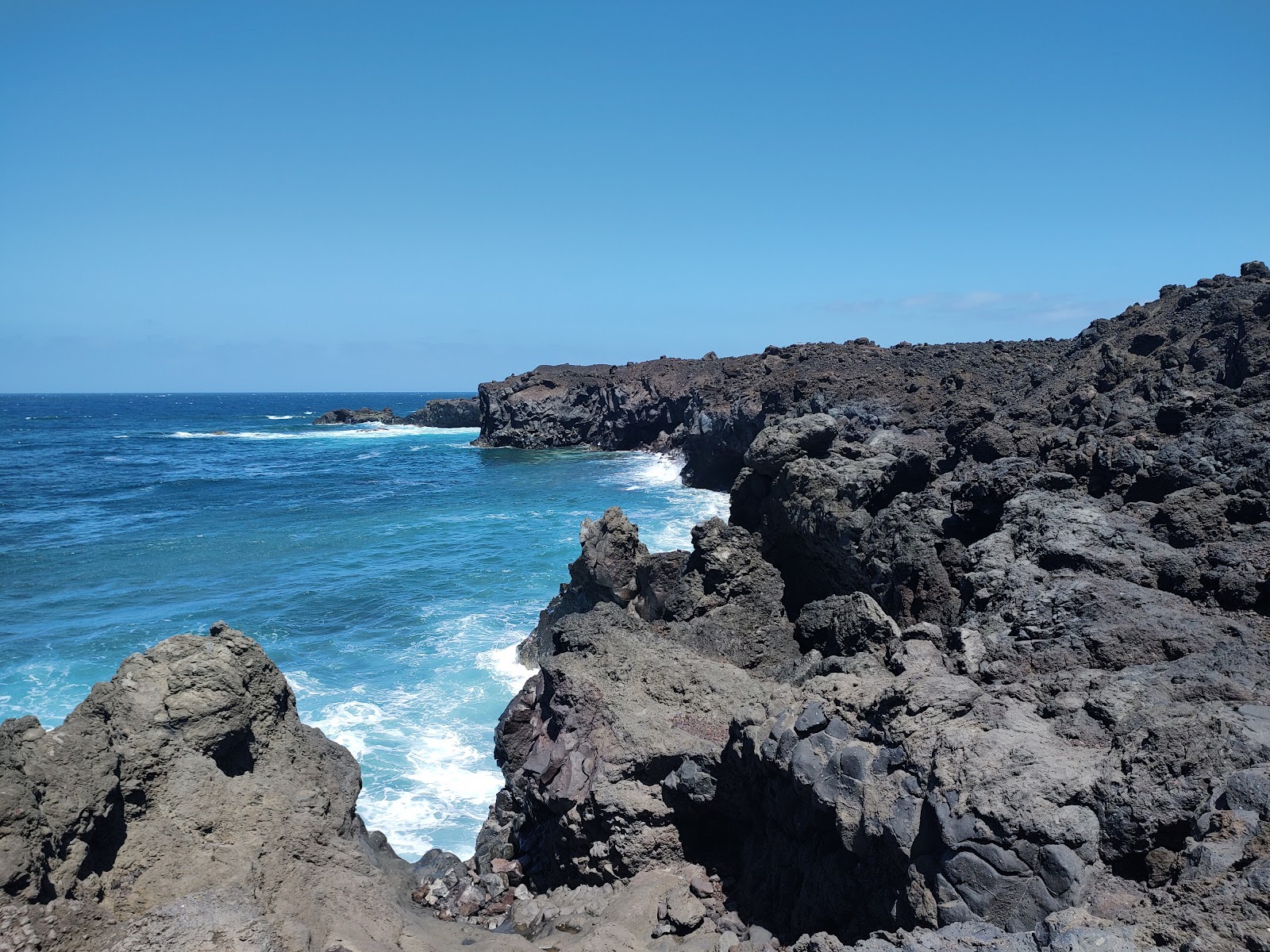
Salinas de Janubio
The Canaries' largest salt pans, still worked by hand, laid out in geometric pink and white pools against black volcanic ground.
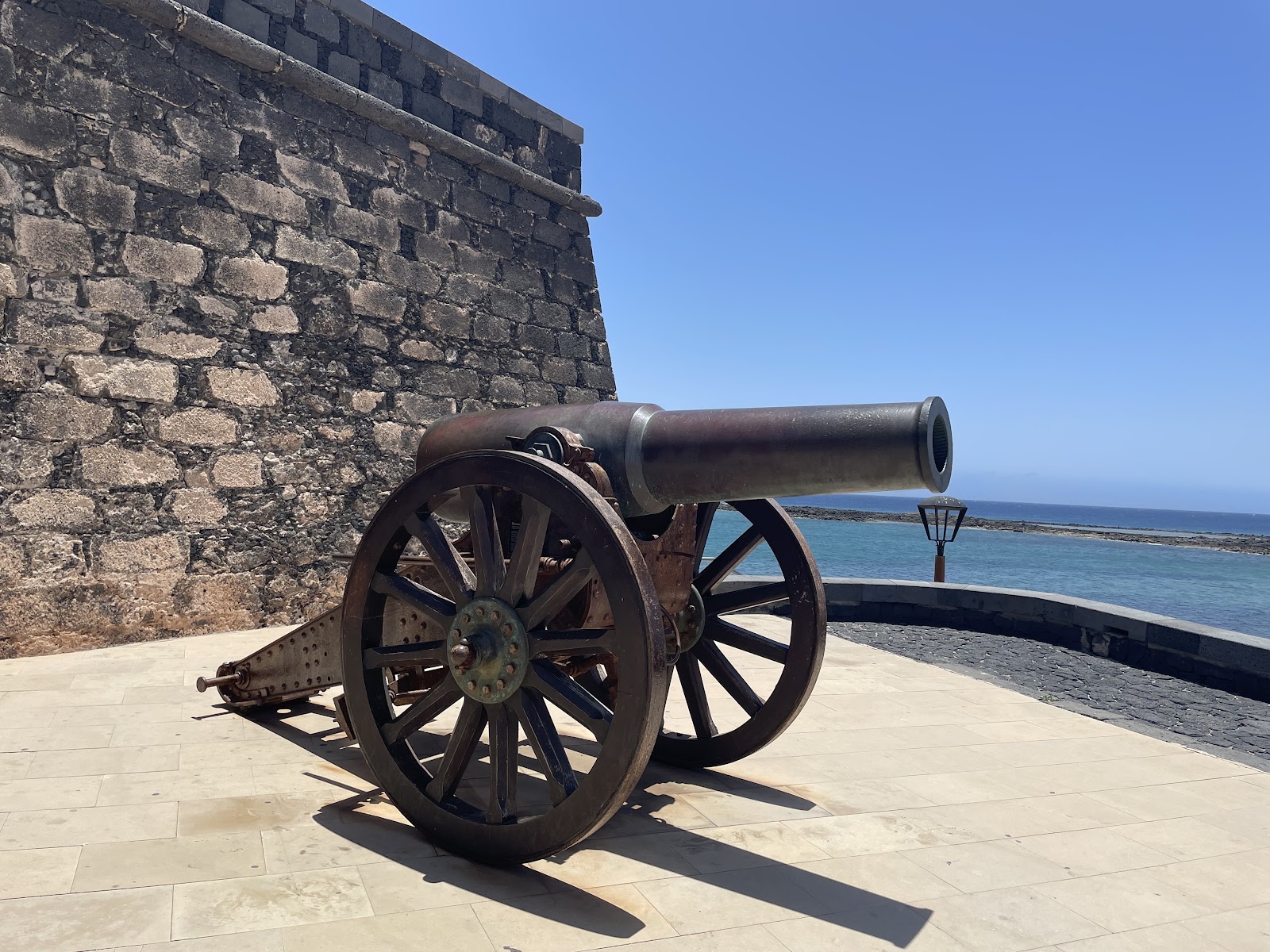
Castillo de San Gabriel
The older of Arrecife's two forts, built to defend the capital before Castillo de San José was added to reinforce it.
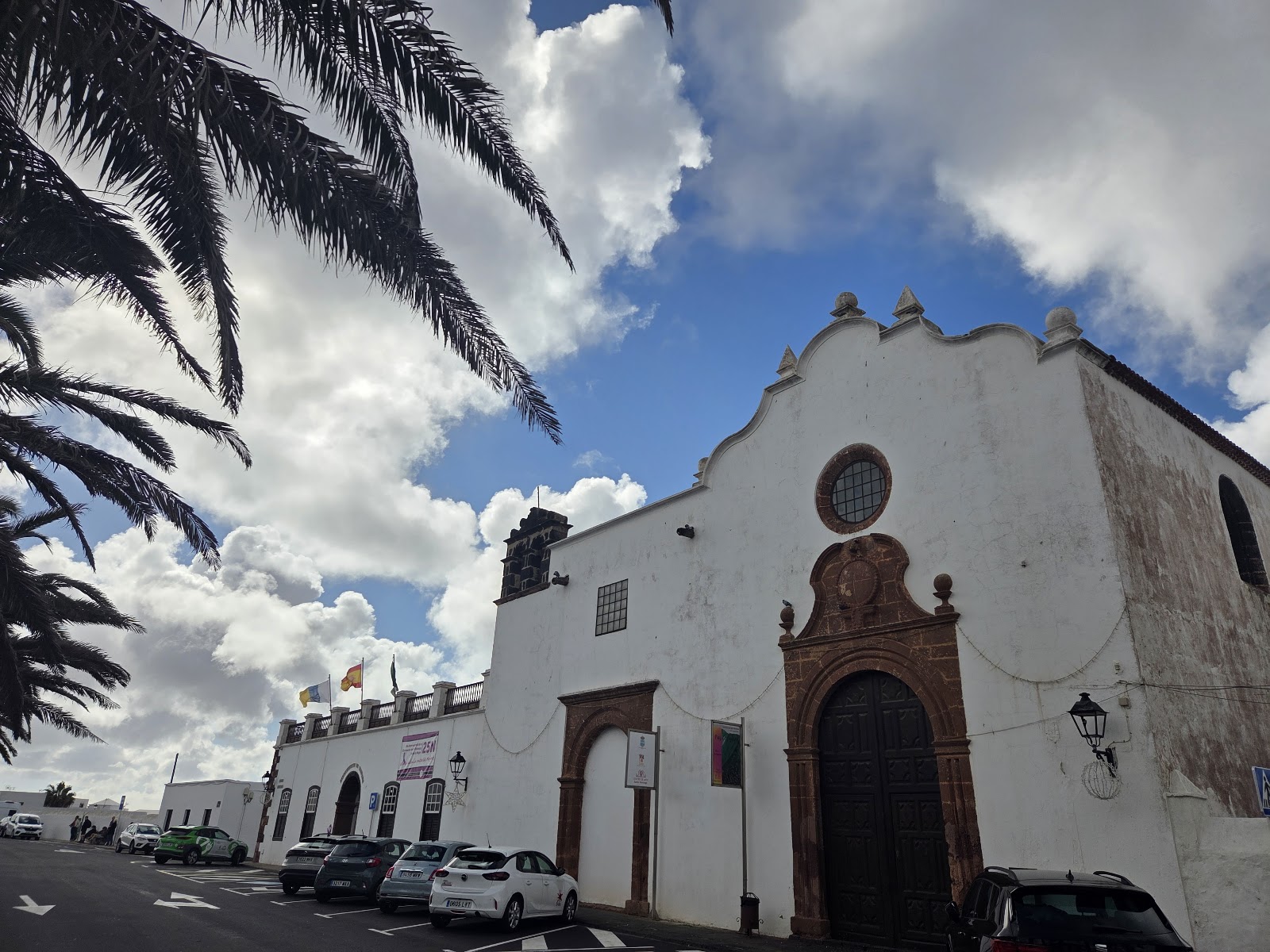
Convento Santo Domingo art gallery
An 18th-century convent in the old capital given over to rotating contemporary shows, free to enter and usually quiet outside market Sundays.
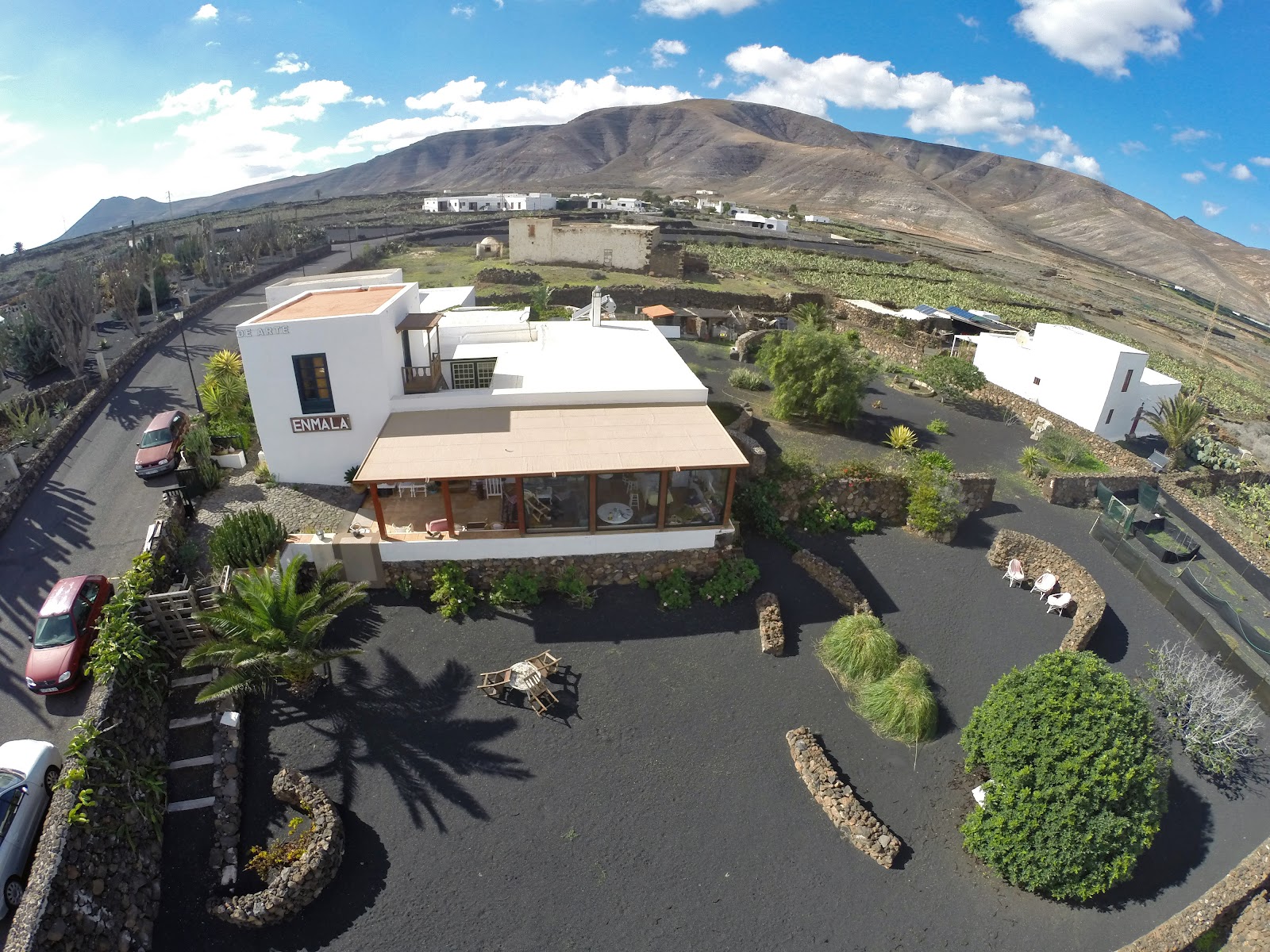
Enmala Art Gallery
A private gallery in a restored building in the valley, showing local and visiting artists away from any resort circuit.
Timing
When to visit
Winter
Mild rather than cold, typically 18-21°C by day. This is peak winter-sun season for visitors escaping colder climates, so the main resorts stay busy and book up well ahead.
Spring
Warm, sunny and markedly quieter than summer, with the sea still cool from winter. April and May are widely reckoned the best value-for-weather months on the island.
Summer
The hottest and busiest stretch, with August at full capacity island-wide and inland highs pushing into the low 30s. Book well ahead and expect the resort strips at their loudest.
Autumn
The sea is at its warmest in September, crowds thin steadily through October, and the trade winds that define the island's climate are at their most reliable for surfers and windsurfers.
What it costs
Budgeting
Logistics
Getting around
From the airport
Lanzarote Airport (ACE) sits a few kilometres south of Arrecife. A taxi to Arrecife takes about 10-15 minutes, to Puerto del Carmen around 15-20, and to Playa Blanca or Costa Teguise 25-35 minutes. Intercity buses run from outside arrivals to the main resorts roughly from 7am to 11pm, and car hire desks sit in the arrivals hall for anyone picking up straight away.
Public transit
Intercity's bus network covers Arrecife, Puerto del Carmen, Costa Teguise, Playa Blanca and the inland towns, but services thin out fast once you're off the main coastal routes and stop running by late evening. Fares are paid to the driver or by contactless card; there's no metro or tram, this is the whole network.
Passes & tickets
There's no island-wide travel pass worth buying for a short stay. Single fares are cheap enough that a rechargeable bus card only pays off if you're staying weeks and relying on buses alone, which most visitors don't.
On foot
Arrecife's old town around Charco de San Ginés and Puerto del Carmen's beachfront strip are both genuinely walkable. Costa Teguise and Playa Blanca are walkable within their own resort zones but spread out between them. Everywhere else, including Teguise, Haría and the volcanic landmarks, needs a car or an organised tour; there's no practical way to string the island's highlights together on foot or by bus.
Local etiquette
Safety & etiquette
- Lunch runs 1-3pm and dinner from 8pm; turning up for dinner at 6pm will mostly find empty restaurants.
- A greeting of buenos días or buenas tardes before ordering is expected, even in a quick bar.
- Tipping isn't obligatory; rounding up or leaving 5-10% in a sit-down restaurant is normal, not required.
- Small inland villages close up at lunchtime and on Sundays outside Teguise's market; don't plan a meal there without checking first.
Travel smart
Practical tips
- Book a hire car before you land rather than at the airport desk; prices climb fast once you're standing at the counter.
- Fuel stations thin out once you're inland and in the north; fill up before a day exploring Haría or Timanfaya.
- Book Kamezí, Casa Rafa and other named-chef or harbour restaurants a few days ahead; the good tables go fast, especially at weekends.
- Carry some cash for village bars and market stalls; not every inland spot takes cards.
- Pack a light jacket even in summer; the trade wind that keeps the island mild also makes evenings cooler than the daytime temperature suggests, especially on the north coast.
- If you're swimming at Famara or anywhere on the north coast, check for lifeguard flags; the Atlantic swell there is nothing like the sheltered resort beaches in the south.
- Sundays mean Teguise market and little else inland; plan an inland lunch for a different day of the week.
Before you go
Lanzarote FAQs
Do I need a hire car on Lanzarote?
For anything beyond your resort, yes. Buses connect the main towns but run infrequently to the interior, and most of the island's best landmarks, villages and beaches sit well off the bus routes.
Which resort should I base myself in?
Puerto del Carmen for the widest choice of restaurants and nightlife, Costa Teguise for a calmer family base with watersports, Playa Blanca for polish and the Fuerteventura ferry, and inland Teguise or Haría if you'd rather sleep somewhere with history than a beach outside the door.
Is Lanzarote good for families?
Yes; Costa Teguise and Playa Blanca both have calm beaches, shallow pools and resort infrastructure built around children, and Timanfaya and the lava tubes work well for older kids too.
Can I see La Graciosa in a day?
Yes, the ferry from Órzola takes about 25 minutes and most people do it as a day trip, since accommodation on the island is scarce and books up fast.
Is Lanzarote expensive?
Not especially once you're off the resort strip; hotel restaurants and five-star stays push the average up, but a menu del día lunch, local asadores and hire-car travel keep daily spend well below what those resort prices suggest.
When should I avoid visiting?
August is the hottest and busiest month island-wide; aim for May, June, September or October instead for quieter beaches and lower prices without losing warm weather.
Do I need to book Timanfaya in advance?
In peak season yes, since the guided bus route through the national park is the only way in and coach groups fill it fast; outside July and August you can often turn up and get a slot the same day.