

El Hierro neighbourhood guide
El Pinar and the South, El Hierro: Where the Pine Forest Runs Out of Island
On El Hierro's southern third — a Canary pine ridge, a fishing port with world-class diving, and a lighthouse standing where the maps used to end.
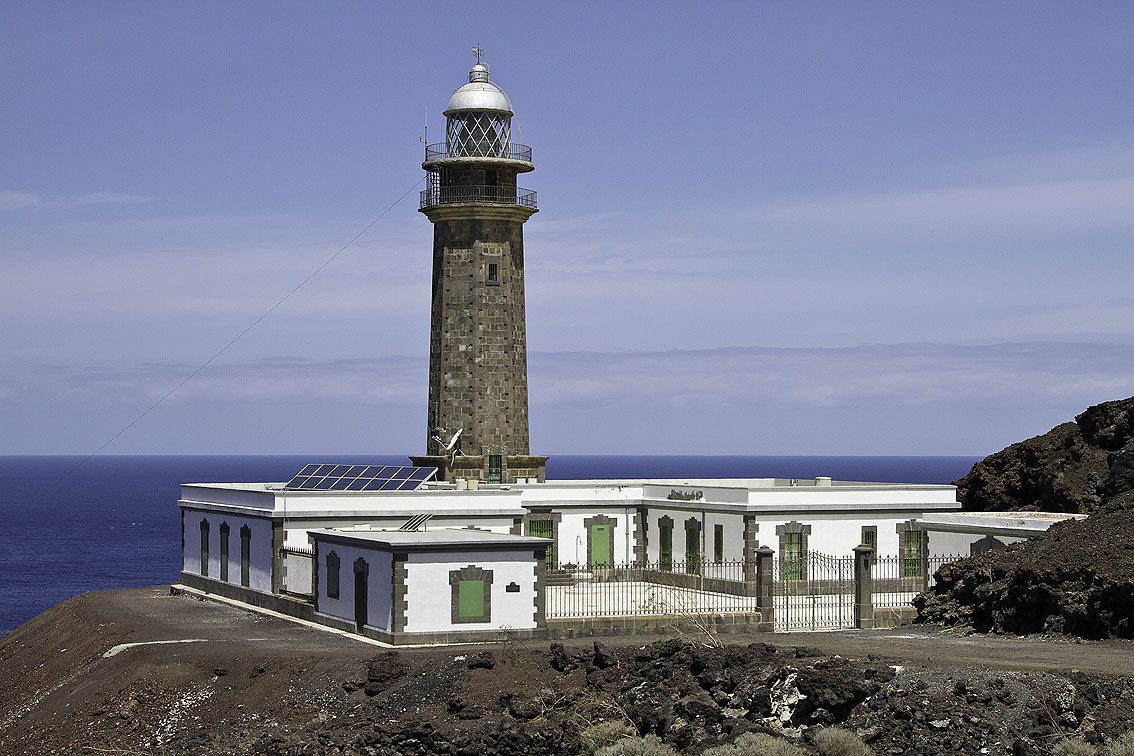
At Faro de Orchilla the tarmac gives out, the volcanic rock carries on for a few hundred metres, and then it simply stops. No cliff path, no viewing platform, no next thing — a stone jetty, a lighthouse, and the open Atlantic heading west for a very long time. Mapmakers once ran the Prime Meridian through this spot, which makes it an odd place to stand: the old edge of the measured world, now reachable by hire car, with the sun going down into water that has nothing in it at all.
This is the southern third of El Hierro, and it is the quiet end of an island that is already the quietest in the Canaries. El Pinar and the south is a belt of Canary pine that runs downhill into La Restinga, a working fishing port that happens to sit beside one of the best dive sites in Spain. There is no promenade. There is no strip. There is weather, rock, pine, goats and fish — and a short list of places that each do one thing properly, which is a different kind of abundance.
Pine ridge, then the sea stops dead
El Pinar is the newest of El Hierro's three municipalities, carved out in 2007 from the southern third of the island, and it still reads as two different places stitched together rather than one town with a centre. Up top, a belt of Canary pine and twisted sabina — Phoenician juniper, bent into shapes by decades of trade wind — covers the high ground around Taibique and Las Casas, the two villages that make up El Pinar proper. The altitude does something useful: the forest stays cool enough that August visitors arriving from the baked coast find themselves reaching for a layer at dusk. Woodsmoke, resin, cold stone, terraced plots, dogs that bark once and then lose interest.
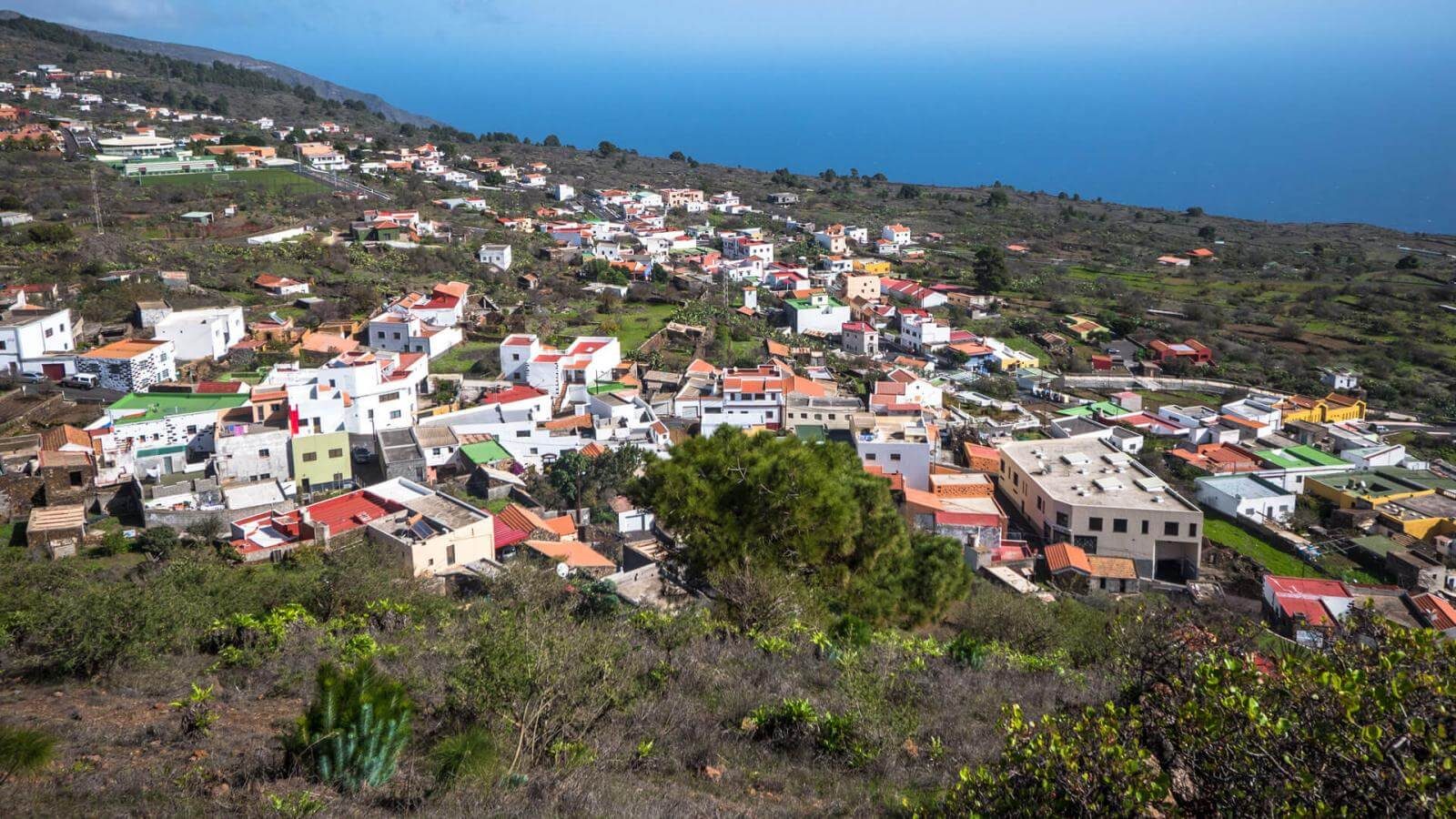
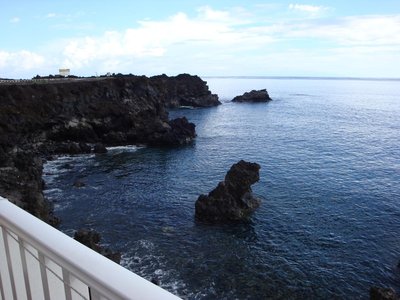
Then the land tips south and keeps tipping. The pine thins, the colour drains out of the ground into blacks and rust-reds, and the road drops to La Restinga, flat and low and white at the island's southern tip. The port is the whole reason the village exists — boats, ice, nets, a harbour wall, and beyond it the Mar de las Calmas, the sea of calms, a marine reserve whose name is a reasonably honest piece of advertising.
It is worth being blunt about who this suits, because El Pinar does not pretend otherwise. It is for certified divers and people who want to learn, pulled here by the reserve. It is for hikers who like the idea of pine forest, volcanic coast and a juniper grove all within a short drive of one another. And it is for travellers who already find El Hierro quiet and want the quietest corner of it. It is emphatically not for anyone without a hire car — the sights are spread out and barely served by buses — and not for anyone hoping for nightlife, shopping, or much choice of restaurant after dark.
Wood-fired pizza inland, the morning's catch at the port
Food here splits cleanly by altitude, and the split is sharper than the twenty-odd minutes of driving between the two ends would suggest.
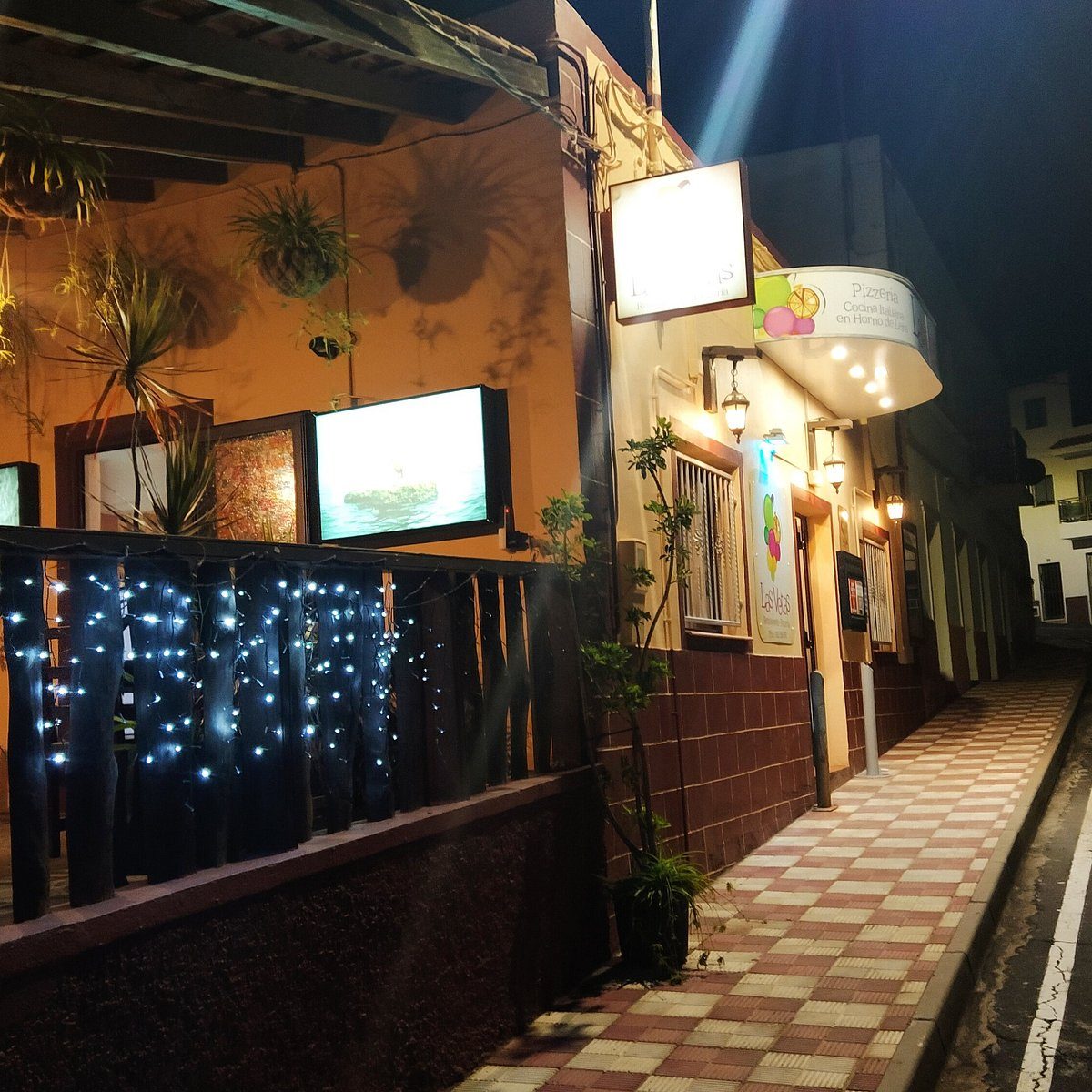
Up in the village, Las Vetas has been the reservations-only pizzeria for years, and the reputation is local rather than imported: a wood-fired oven turning out a Margherita that people on this island will rate above anywhere else on it, then tiramisu and gelato to finish. Turn up on a weekend without having booked and you should expect the apologetic shrug. Book, and you get the thing El Pinar does best — a small room, a hot oven, no sense whatsoever that anyone is performing for visitors.
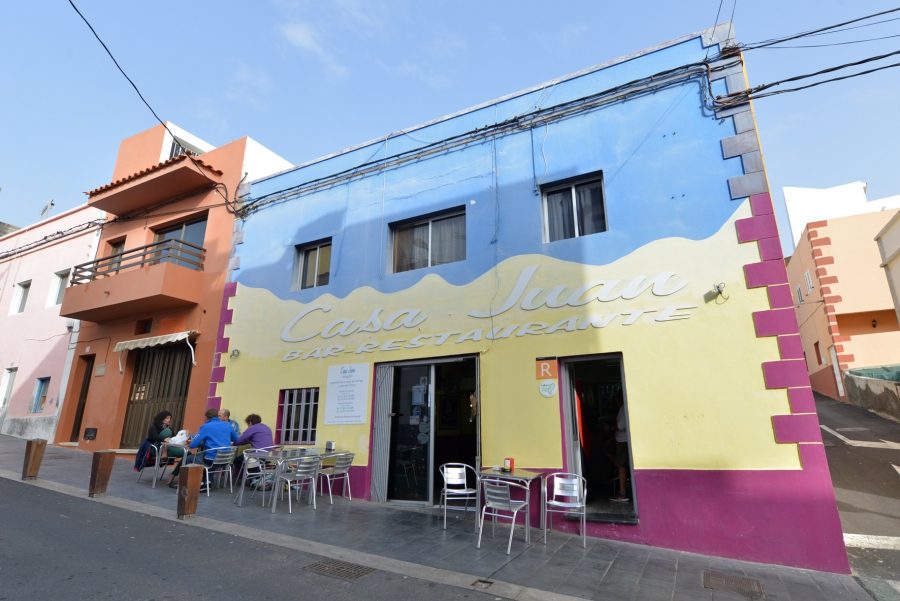
Down at the harbour, the register changes entirely and the menus start depending on what came off the boats that morning. Restaurante Casa Juan sits right on La Restinga's harbour with a nautical-themed dining room — the kind of decor that would read as kitsch three hundred kilometres away and reads as simple accuracy here, given the fishing fleet parked outside the window. The fish is bought off the day's boats, which is both the pitch and the reason you ask what there is rather than reading down a list.
A few doors along the same waterfront, El Refugio has been family-run since 1988 and goes one step further: it has its own fishing boat. That shows up on the plate as seafood paella and whatever the plancha is handling that day, grilled hard and fast and served without ceremony. Prices across the south are cheap by Canary Islands standards — this is rural casas and harbour-front fish dinners, not resort pricing, and nobody is charging a view tax for the harbour wall.
As for going out: there isn't any, and it would be dishonest to dress the absence up. Kitchens close early, the villages go dark, and the compensation is overhead — on a clear night up in the pines, the sky does the work that a bar district does elsewhere. If you need a late drink and a crowd, you want the other end of the island, or another island.
Dive the calmest water in the Canaries, or walk to where the maps used to end
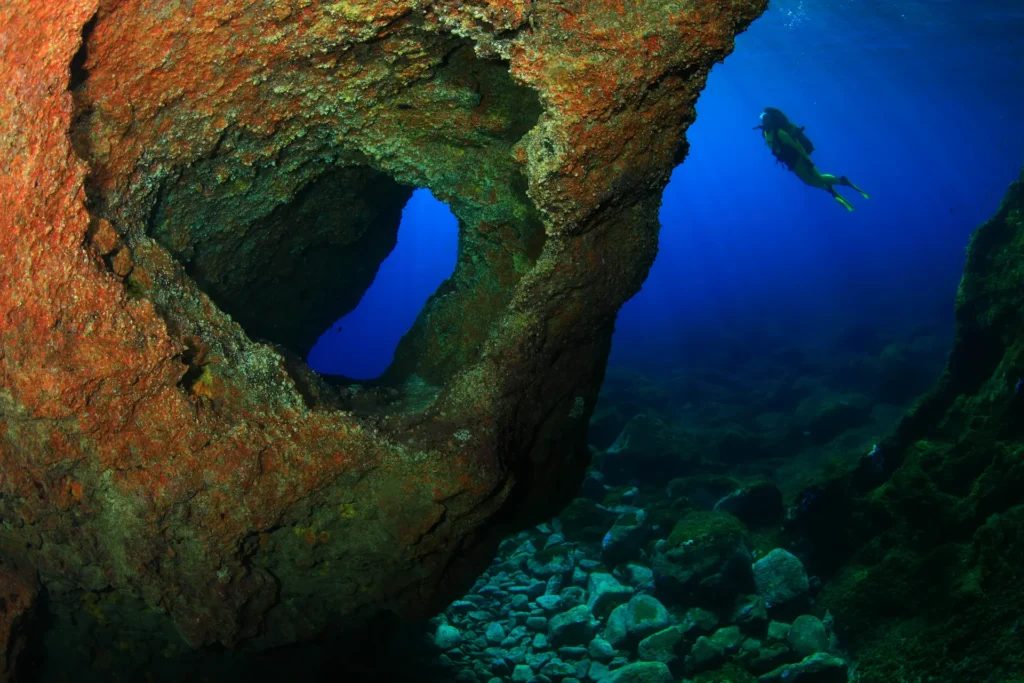
La Restinga's reason for existing these days is as much diving as fishing. Centro de Buceo El Hierro has been running boats out of this harbour since 1978, which makes it one of the oldest operators on the island, and it still works the Mar de las Calmas reserve daily: volcanic walls dropping away into clear blue, caves, arches, the geology of a young island seen from underneath. Divers who have worked the Mediterranean tend to come up quiet.
One caveat, because the name invites complacency: the sea beyond the reserve's shelter is not as calm as Mar de las Calmas implies. Inside, you are in a pocket of exceptional conditions. Outside it, you are in the open Atlantic, and it behaves accordingly.
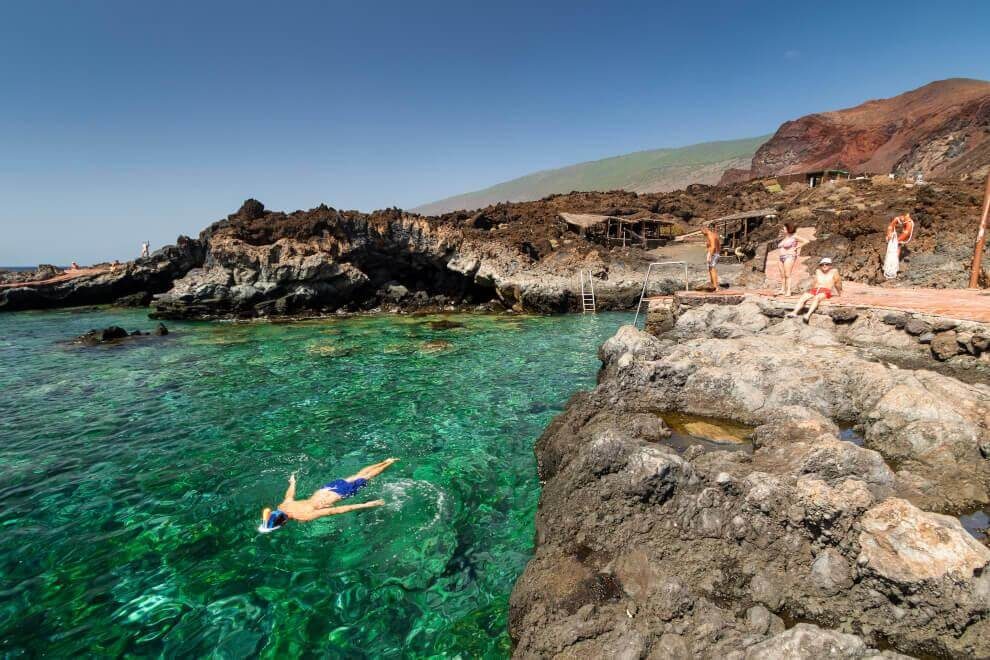
For swimming rather than diving, locals go to Tacorón — sheltered natural rock pools along the southern coast, with picnic tables set back from the water and a shade cave for the hours when the sun is unreasonable. It is the kind of place where a family turns up at noon with a cooler and is still there at seven.
The coast road west carries you out to Faro de Orchilla. Go for the last hour of light. The lighthouse, the stone jetty, the rock that just ends, the Atlantic taking the sun — it is the single most memorable thing in the south, and it costs nothing but petrol and the willingness to drive back in the dark.
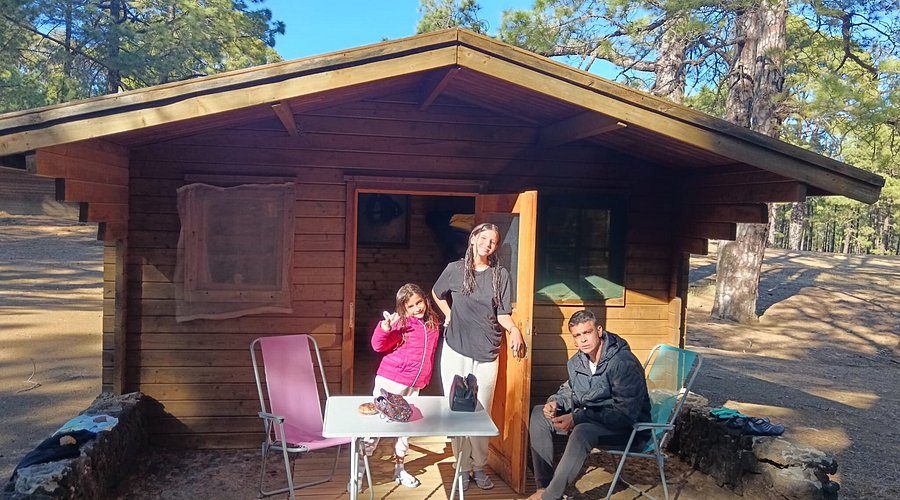
Back up in the trees, Hoya del Morcillo is the island's only official campsite and the obvious trailhead if you came to walk: pine-forest paths leading out toward El Sabinar, where the sabina trees have been wind-wrenched into the shapes that end up on every postcard of El Hierro. You can be under pine in the morning and on black volcanic coast by mid-afternoon without ever driving more than half an hour.
A practical note that matters more here than almost anywhere: the coast road out toward Orchilla and El Julan is unlit and narrow in places. Daylight for the first run, and a torch in the glovebox.
Don’t miss in El Pinar and the south
Faro de Orchilla, one of the most westerly points in the Canaries
El Julan's Los Letreros and Los Números rock-art panels
Hoya del Morcillo stargazing in the Starlight Reserve
Goat's cheese, made where the goats are
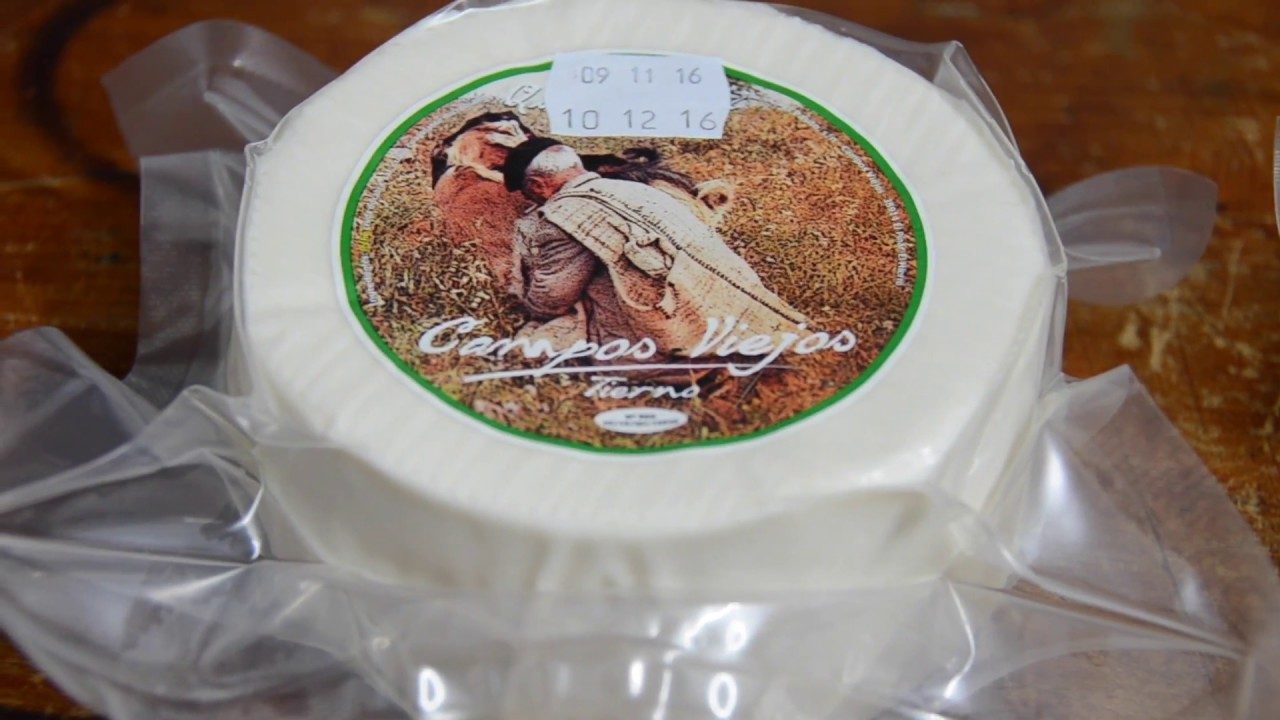
There is no shopping strip in El Pinar, and inventing one would be a disservice — this is a fishing and farming municipality, not a boutique town. The one thing genuinely worth carrying home is the cheese. Quesería Campos Viejos, up in El Pinar, is a small working dairy that milks its own herd of goats and turns the milk into queso herreño on site, which is to say the distance between the animal and the wheel in your bag is measured in metres. Buy more than you think you need; it will not survive the ferry.
Where to stay in El Pinar and the south
Staying up here means a straight trade: you give up restaurant choice and nightlife — there is essentially none of either — and you get quiet, forest air, and a head start on the island's best diving and hiking. For a lot of people that is an easy deal.
Hotel Lua Boutique, on Travesía del Pino in Taibique, is the area's standout and the obvious first call: small, family-run, with a rooftop solarium that is exactly the right place to sit with a bottle of something after a day of pine trails and salt water. Around it, the rural casas scattered through El Pinar and Las Casas handle the rest of the demand, and they put you closest to both the Mar de las Calmas and the Orchilla coast. The honest counterweight is distance — Valverde's shops and the ferry port are both 30 to 45 minutes away.
Where to stay here
Hotels in El Pinar and the south
Our best-rated stays in this neighbourhood. Prices are approximate “from” rates — confirmed at the provider when you continue. We may earn a commission if you book through our partners — at no extra cost to you.


Buses run thin — most people hire a car
El Pinar has no town to be central in. It is three villages and a port strung along one road, and the island bus network — the guaguas, run by Transhierro — connects them on a timetable built for commuters rather than tourists. Line 2 runs Valverde to El Pinar six times a day, and there are several daily runs between El Pinar and La Restinga, so with patience and planning you can move between the inhabited points.
What you cannot reach is the good stuff. Tacorón, Faro de Orchilla and El Julan are on no bus route at all, and taxis are scarce once you are outside the two villages. Hire a car at the airport and the whole south opens up: it is 15 to 20 minutes down to La Restinga, 30 to 40 minutes up to El Pinar. Flights come mostly via Tenerife, and the ferry from Tenerife docks at the island's port on the far side, that same 30 to 45 minutes away.
The area is very safe; the risks are logistical rather than human. Fuel up, take the narrow coast road slowly, and give yourself the extra day. El Pinar does not reward hurrying — that is more or less its entire argument.
Good to know
El Pinar and the south — your questions
Is El Pinar and the south a good area to stay in El Hierro?
Yes, if diving, hiking or quiet are the priority. Hotel Lua Boutique in Taibique and the rural casas around El Pinar put you closest to the Mar de las Calmas and the Orchilla coast. It's a weaker choice if you want restaurant variety or to be near Valverde's shops and the ferry port, both 30 to 45 minutes away.
Do you need a car to get around El Pinar and La Restinga?
Practically, yes. The island bus (Transhierro) covers Valverde–El Pinar and El Pinar–La Restinga several times a day, but Tacorón, Faro de Orchilla and El Julan aren't on any bus route, and taxis are scarce outside the two villages.
Where should I eat in El Pinar and La Restinga?
Up in the village, Las Vetas is the wood-fired pizzeria locals rate for its Margherita and tiramisu — book ahead, especially at weekends. On La Restinga harbour, Restaurante Casa Juan serves fish bought off the day's boats in a nautical-themed dining room, and El Refugio, family-run since 1988 with its own fishing boat, does seafood paella and plancha-grilled catch.
Is there any nightlife in El Pinar and the south?
Essentially none. This is a fishing and farming municipality where kitchens close early and the villages go dark — travellers wanting nightlife, shopping or restaurant variety after dark should base themselves elsewhere. What you get instead is exceptional quiet and very dark skies.
Gallery