
Fuerteventura neighbourhood guide
Sand in Your Coffee: A Long Weekend in Corralejo, Fuerteventura
A former fishing port on Fuerteventura's northern tip where ten kilometres of dunes meet a harbour that still lands fish — and the trade winds set the daily agenda.
The grit finds your coffee before you've finished it. Sit on a harbour terrace in Corralejo on a windy morning and a fine film of sand will settle on the crema of your cortado, blown in off a dune field that begins at the edge of town. Locals curse it. They also know those same trade winds are the reason this former fishing port on Fuerteventura's northern tip became a water-sports town rather than a quiet quay with a few boats tied up — the reason Flag Beach, three kilometres northeast, has a windsurf school older than most of the people now flying kites off it. The harbour still lands fish. The beach beyond it runs into ten kilometres of dunes that look lifted straight from the Sahara. Corralejo is both of those things at once, and the trick to the place is refusing to choose between them.
What Corralejo is known for
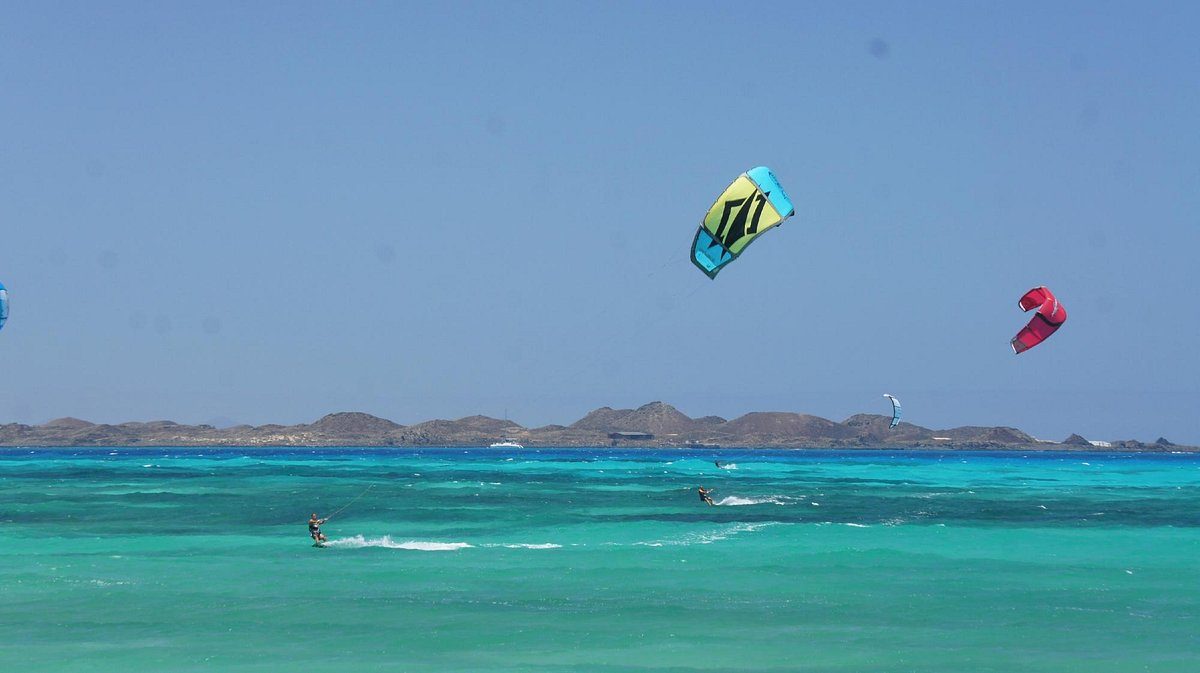
Wind, first and last. The town's reputation was built on it, and it still organises the day here: what you do, where you eat, which side of a wall you sit on. Flag Beach — El Burro, if you're asking a local — sits about three kilometres northeast of the centre, inside the boundary of the natural park, and it has run as a windsurf centre since 1988. Nearly four decades on it rates as one of the most consistent kitesurf and wingfoil spots in Europe, because the trade winds blow with a reliability that starts in spring and simply keeps going. You don't check a forecast here so much as confirm one.
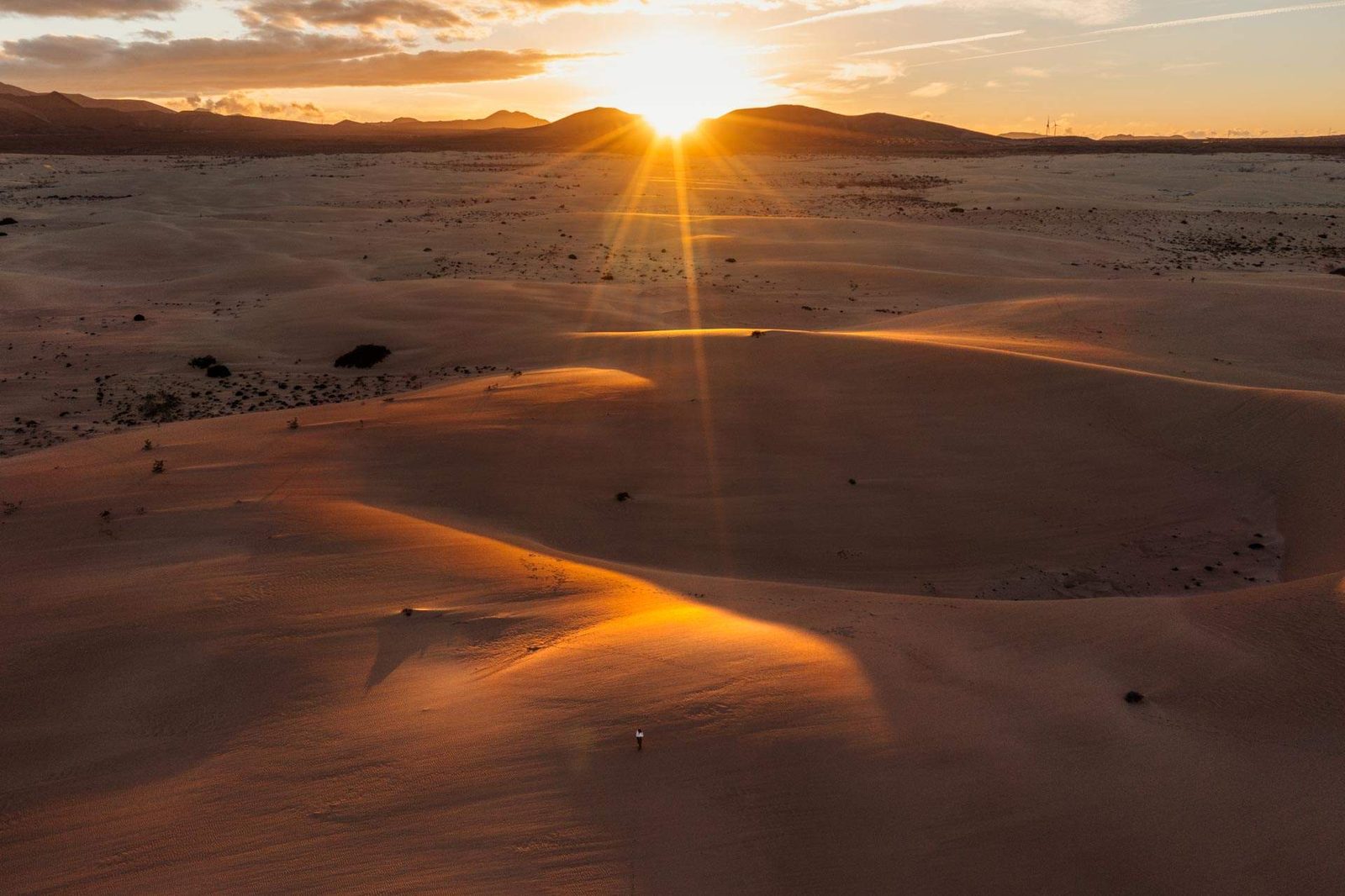
The other half of the town's fame is geological. The Parque Natural de Corralejo starts almost at the edge of the last buildings and rolls south in pale ridges and bowls, a protected dune system that swallows sound and makes people walk more slowly than they intended. At its far end stands Montaña Roja, a squat red volcanic cone with a path to the summit that takes twenty to thirty minutes of honest effort. From the top you look back over the whole dune field with Isla de Lobos sitting low on the water beyond it — the single view that explains the geography of northern Fuerteventura in one glance.
This is a town for surfers, windsurfers and kitesurfers; for families who'd rather have a real town centre with beaches attached than an all-inclusive compound with a gate; for day-trippers heading to Isla de Lobos or the dunes; and for anyone who prefers a walkable harbour town to a purpose-built resort. It is not a town for big-club nightlife, because there isn't any. And if you want to see the rest of the island fast, you'll want a car or a lot of patience with bus timetables.
Where to eat and drink
For a town this size, Corralejo eats remarkably well and remarkably internationally. The density is concentrated in the old-town streets near Playa de Corralejo Viejo, then spills inland toward El Campanario, and the gap between the best tables and the merely convenient ones is wide enough to be worth planning around. Casual mains and tapas plates run roughly €10–20, which makes the town comfortably mid-range; the serious dinners cost more and want booking.
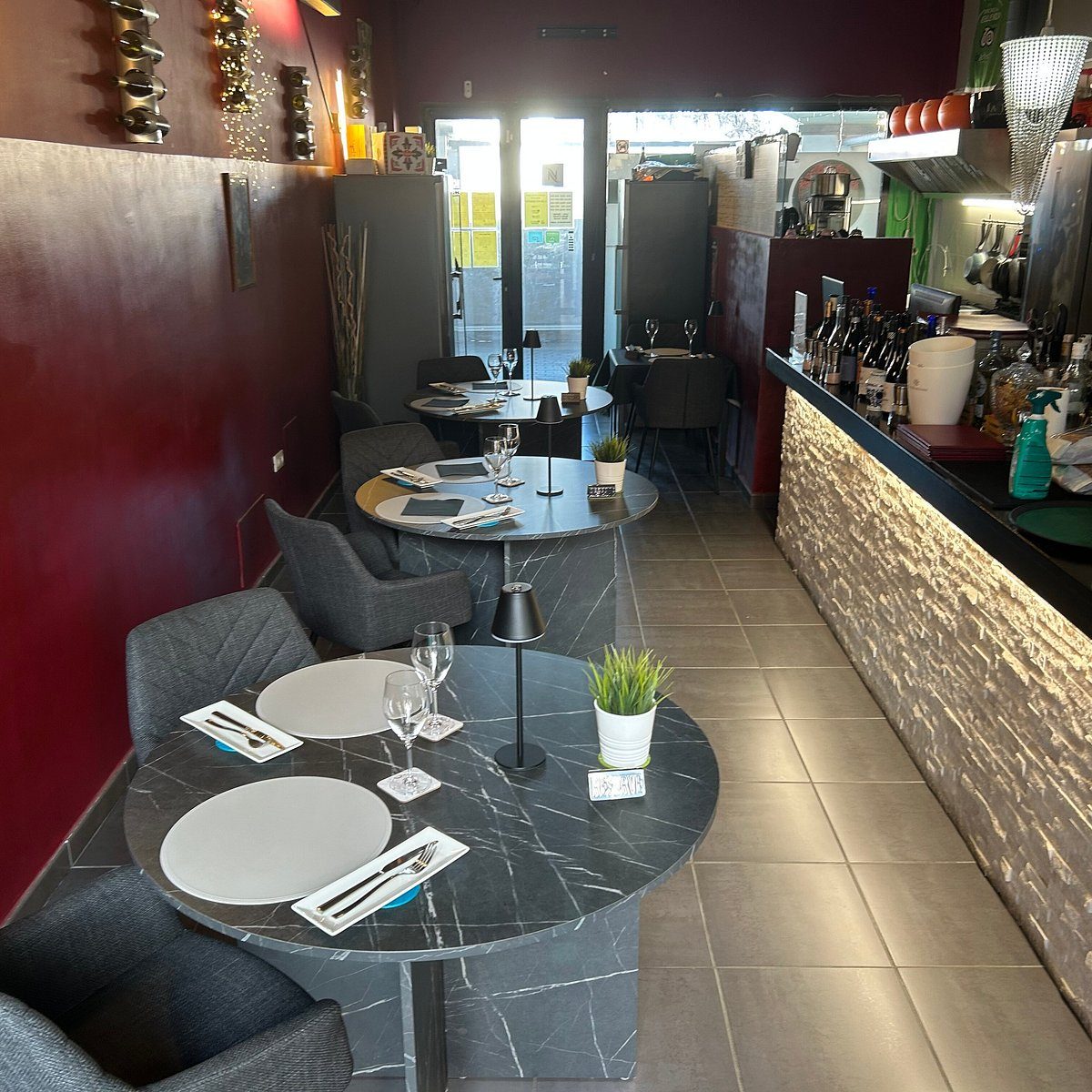
The name that comes up first, always, is 3 Calici. It's a tiny Italian room that takes reservations only, and it has held its position as the town's top-ranked restaurant for something like ten years running — an unusually long reign in a place with this much seasonal churn. Fresh pasta and fish, a 4.9 rating, and a dining room small enough that walking in hopefully is a waste of a walk. Book it before you fly, not when you land.
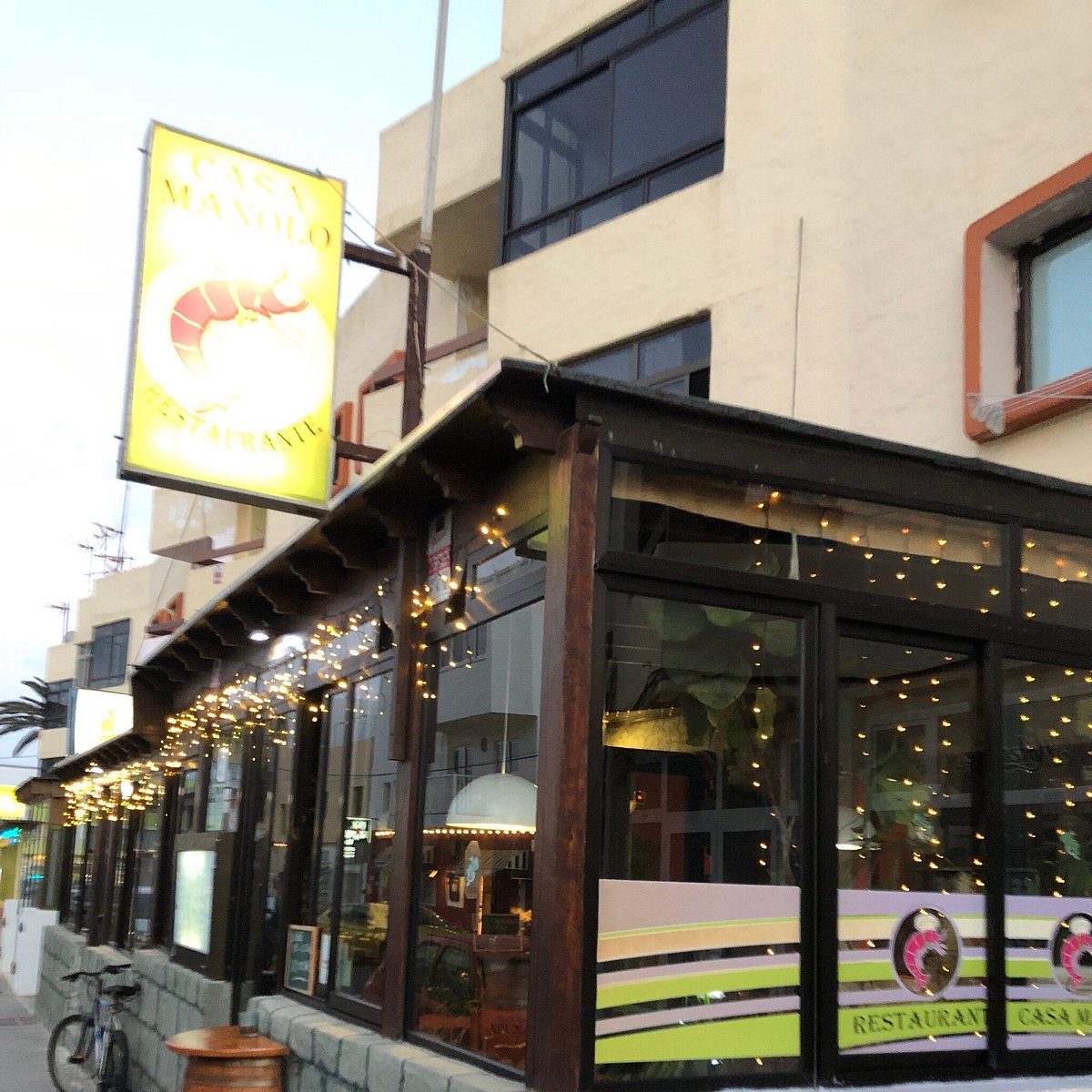
Casa Manolo plays an entirely different game and plays it just as well: family-run, deep in the old town, open weekdays only, and routinely sold out. Paella is the reason to go and the reason you can't get in. Rated 4.8 by the people who managed it, which tells you the booking effort is rewarded rather than merely rumoured.
Over at El Campanario, Bistrot del Mar makes the case for shellfish with a straight face — oysters, prawns, lobster, a 4.6 rating and the kind of menu that suits a long lunch rather than a quick one. And for something you genuinely won't find elsewhere on the island, Me Gustas Tu runs Polish-Canarian fusion tapas: pierogi on the same menu as local octopus and goat cheese, which sounds like a dare and reads, at 4.7, like it works. That combination is Corralejo in miniature — a fishing town that absorbed everyone who came for the wind and kept some of their cooking.
Nightlife
After dark, Corralejo is mellow by Canary Islands standards. There is no strip, no superclub, no coach-party pipeline. What there is instead is a tight run of bars around the harbour and the old-town lanes that fill from sunset and stay comfortable rather than frantic, with drinks landing somewhere in the €6–9 range.
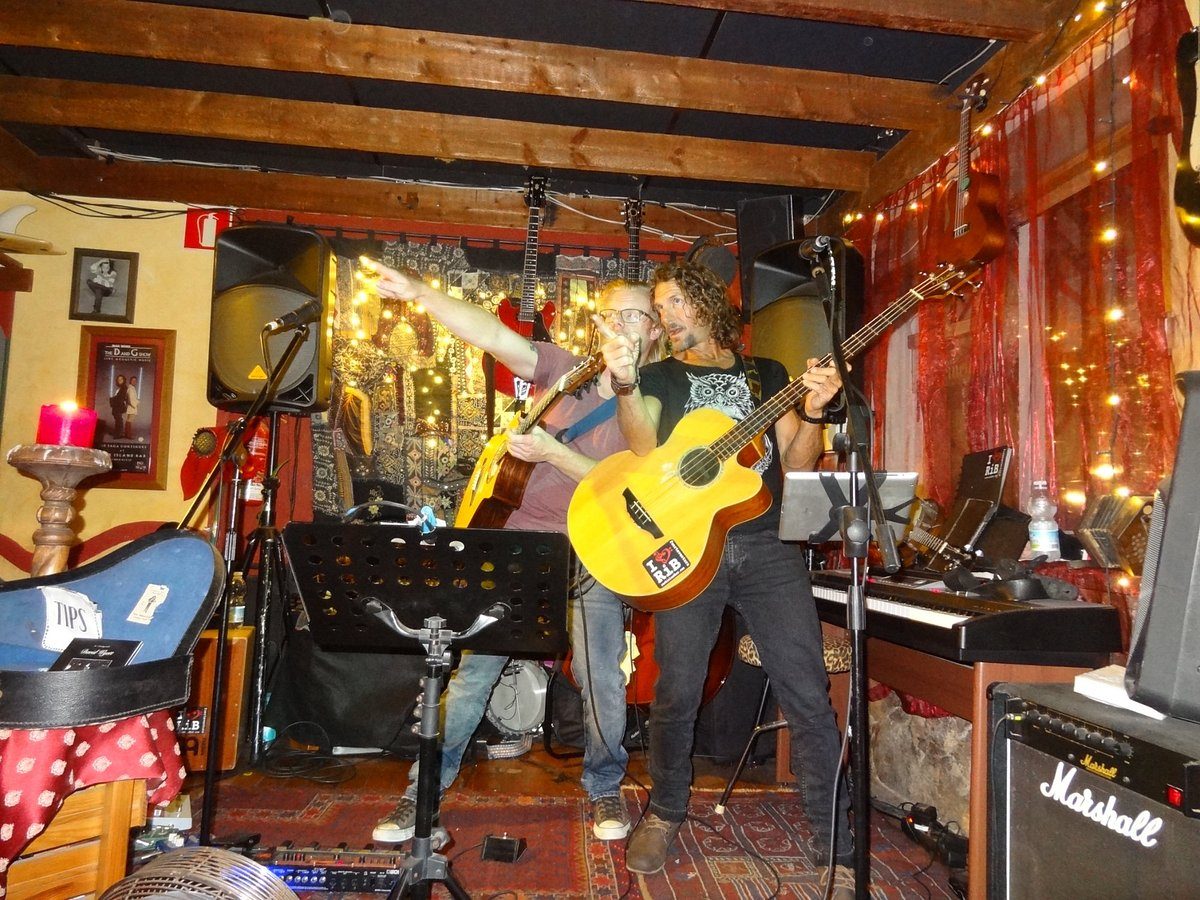
Rock Island Bar is the institution: a small live-music pub, among the town's top-reviewed bars at 4.6, running a weekly schedule of rock cover bands. It's loud, it's unpretentious, and it has been a local favourite long enough that the crowd is a genuine mix of residents and visitors rather than one or the other.
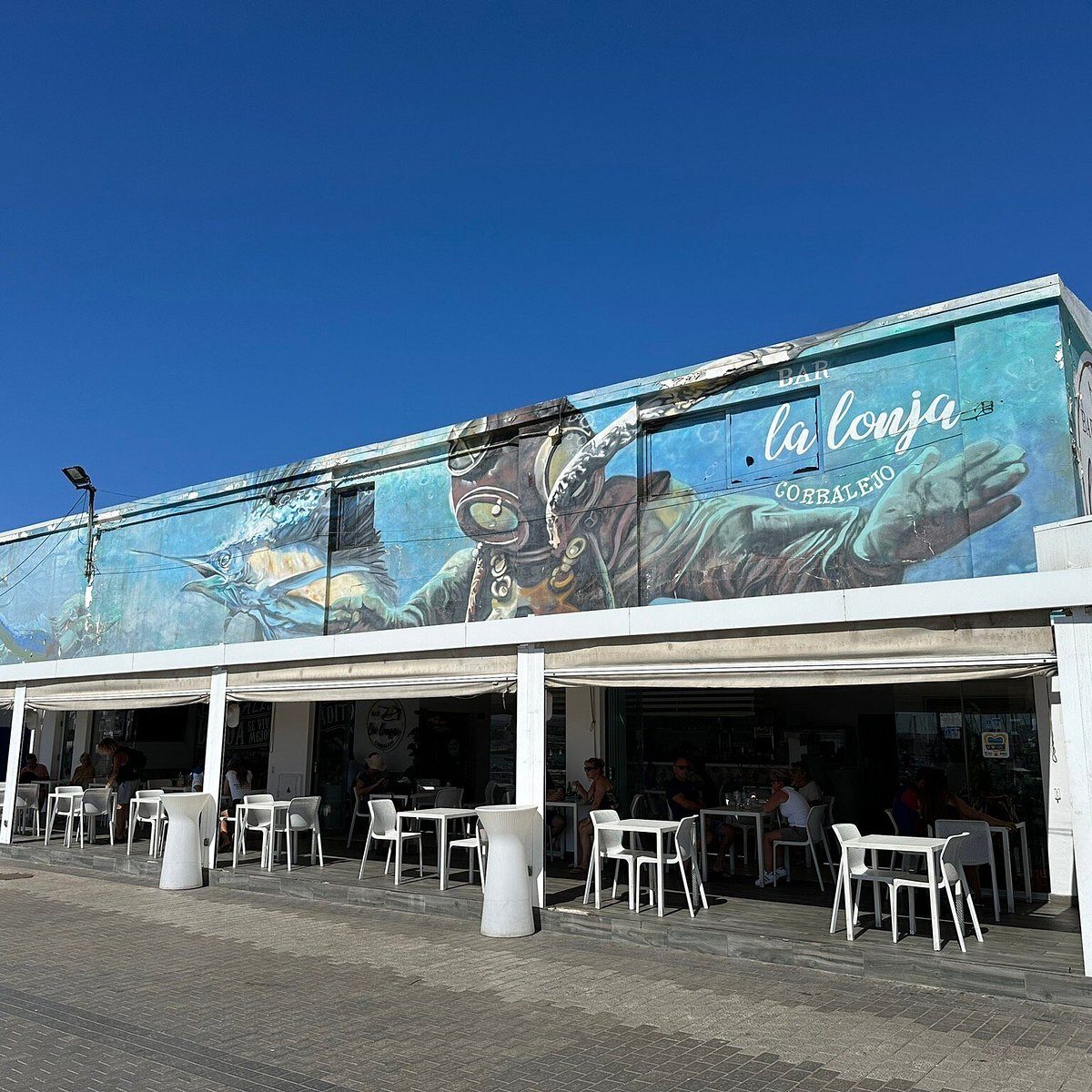
Down at the water, La Lonja takes the opposite approach — a harbour-front terrace almost at sea level, fresh fish and gin cocktails, and a position that does a great deal of the work. Its 3.8 rating is the lowest of anywhere named here, and it's fair to say people come for the terrace and the gin rather than a flawless service record. Go at the hour when the boats are coming in, order the gin, and judge it on its own terms.
Things to do
Lead with the water, because the water is why the town exists in its current form. Flag Beach Windsurf & Kitesurf Centre is the longest-established school working the beach it's named after — operating since 1988 and now covering surf, windsurf, kite, SUP and wing foil for beginners through advanced. Several other operators work the same stretch of sand, so it's worth walking the beach and comparing before you commit; two-hour beginner group lessons typically start around €40.
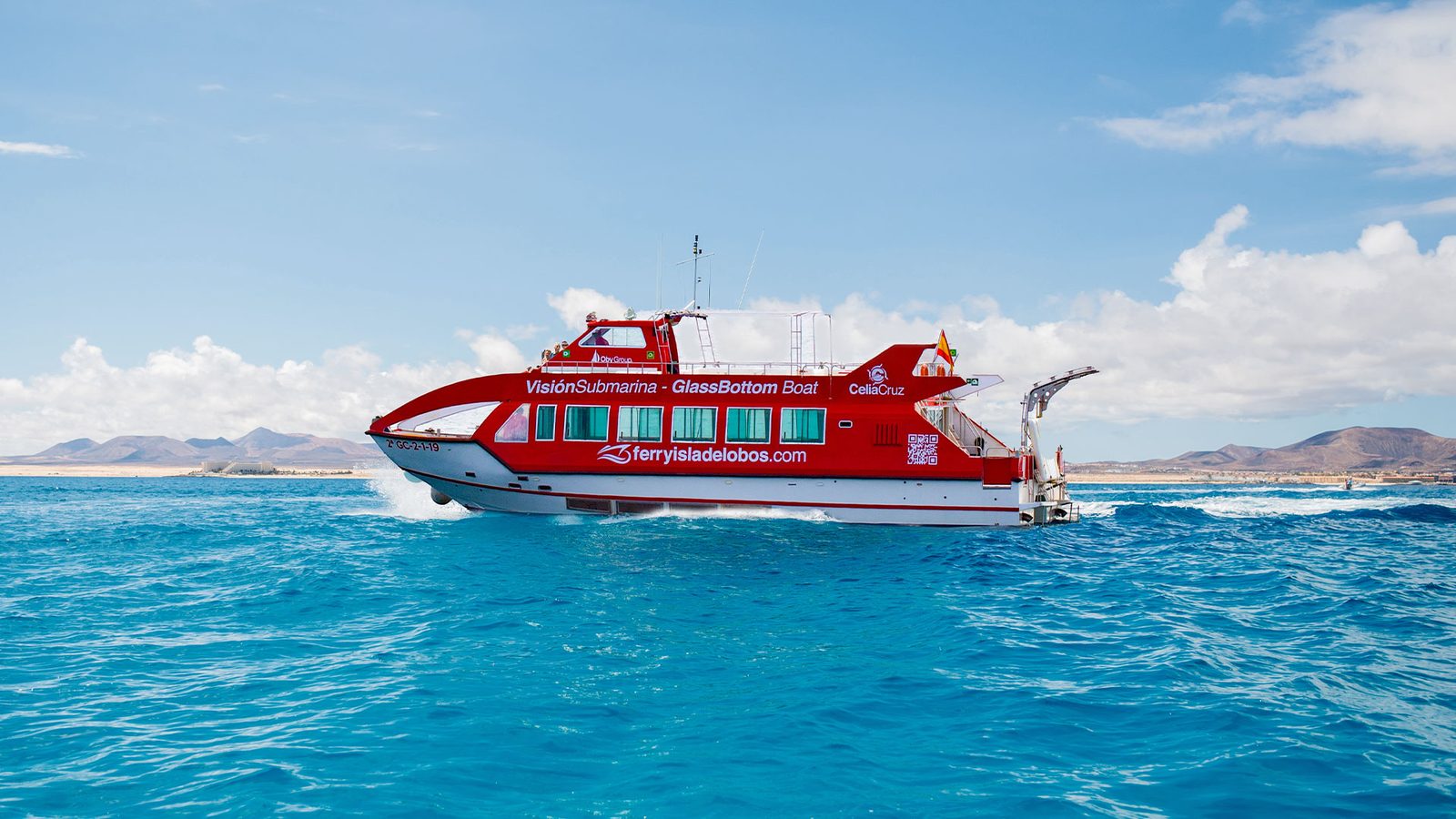
The other essential is a boat. The Isla de Lobos ferry leaves straight from Corralejo's harbour and takes about fifteen minutes, with departures running from roughly 9:45am to mid-afternoon and times shifting with the season. Daily visitor numbers to the island are capped, which is the single best thing anyone has done for it — the result is an islet that stays genuinely quiet even in August, with clear snorkelling water and a flat walking loop that suits anyone with an hour or two and no interest in a climb.
On land, the dune park and Montaña Roja are the day's best free entertainment: walk south out of town into the sand, keep going, and give the cone its twenty to thirty minutes when you reach it.
Don’t miss in Corralejo
Corralejo Natural Park dune field
Plaza Félix Estévez (Music Square)
harbour ferry to Isla de Lobos
Shopping
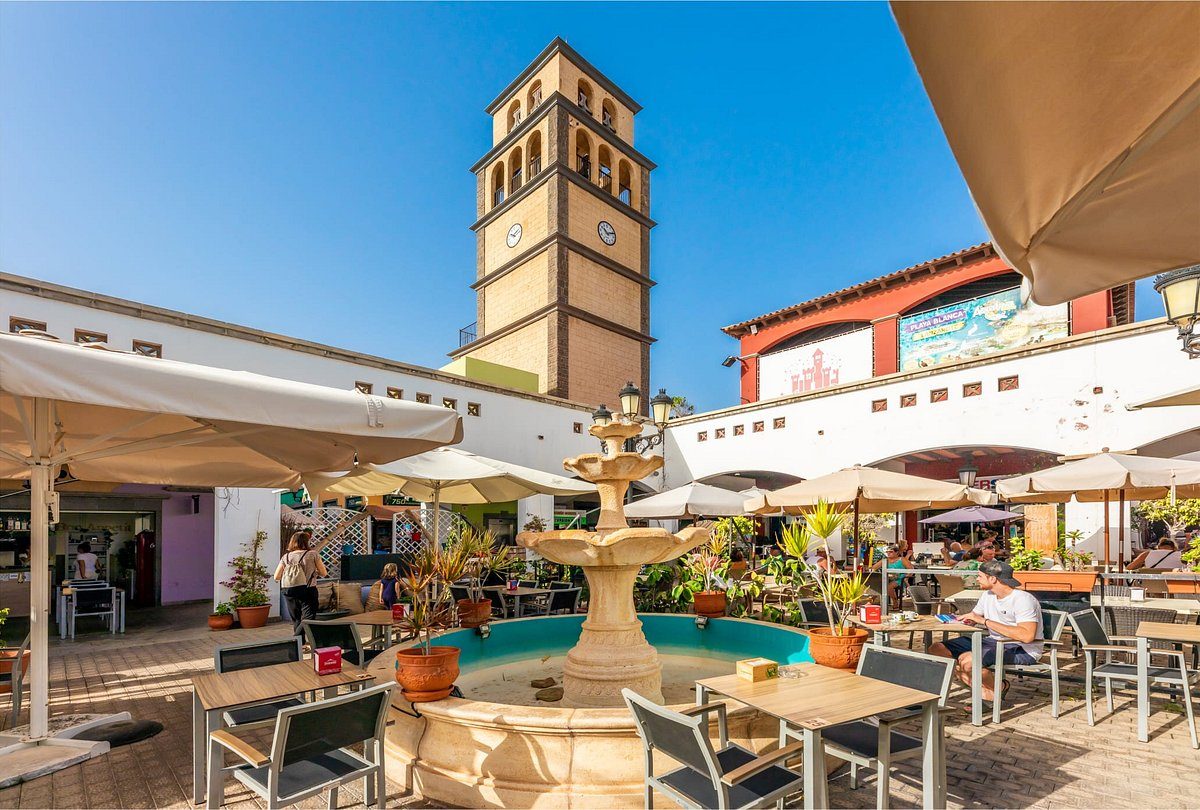
Shopping in Corralejo has a landmark, and you can see it from several streets away. El Campanario Shopping Village sits on Avenida Gran Canaria, cutting through central Corralejo — a two-storey open-air complex of around forty shops arranged beneath a twenty-five-metre bell tower. The mix is honest about what it is: fashion chains including Springfield, Women's Secret and Intersport, alongside souvenir shops, a pharmacy and places to sit down. Intersport is the practical stop if the wind has outlasted your gear; the rest is pleasant browsing on an afternoon when the sand is being unkind.
Where to stay in Corralejo
The town splits cleanly into two accommodation pockets, and picking the wrong one is the most common mistake visitors make here. The old town and harbour — the whitewashed streets around Calle La Iglesia and Playa de Corralejo Viejo — put restaurants, bars and the ferry dock on your doorstep. It's flat, walkable, and the right call if you don't want a car and do want somewhere to go in the evening.
The second pocket is the hotel strip running south of the centre, which trades that walkable evening scene for a position directly on the dune beaches. If your holiday is mostly sand, water and sunset, that proximity is worth more than a five-minute walk to dinner. Either way, Corralejo is a low-crime tourist town — the harbour and old-town streets are well lit and busy into the evening, and the real risks here are Atlantic currents and the sun, not crime.
Where to stay here
Hotels in Corralejo
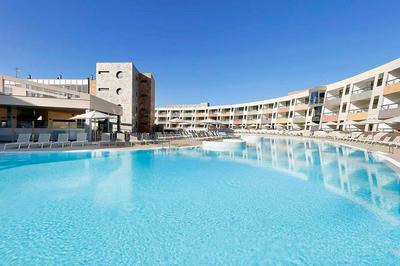
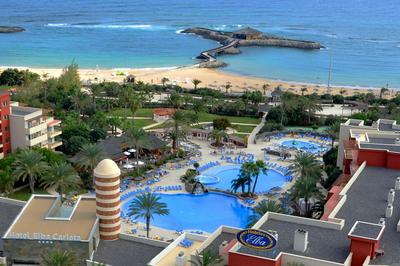
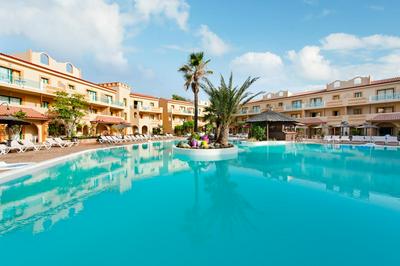
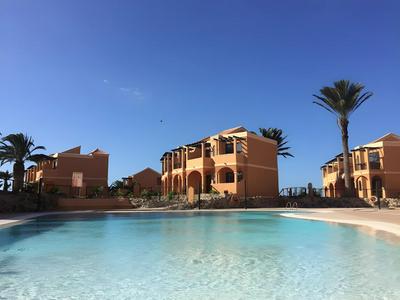
Our best-rated stays in this neighbourhood. Prices are approximate “from” rates — confirmed at the provider when you continue. We may earn a commission if you book through our partners — at no extra cost to you.


Getting around
On foot, mostly. The old town and harbour are flat and almost everything that matters in town is within ten to fifteen minutes' walking. Flag Beach is the main exception at around three kilometres northeast — a thirty-to-forty-minute walk along the coast, or a short taxi or bus ride if you're carrying a board. The dune park and Montaña Roja run south from the centre and are reachable on foot if you're willing to commit to the distance.
A car earns its keep the moment you want to leave: Montaña Roja without the walk, the island's southern beaches, or Betancuria inland. Island bus connections are slow and involve transfers, so day trips without wheels eat a lot of clock. Arriving, you'll fly into Fuerteventura Airport (FUE), then take a taxi or transfer — thirty-five to forty-five minutes — or the Tiadhe bus, lines 3 and 6 with a change at Puerto del Rosario, which runs sixty to eighty minutes. Day ferries also link Corralejo's harbour to neighbouring islands, which is how a lot of people arrive without ever seeing the airport at all.
Good to know
Corralejo — your questions
Is Corralejo a good area to stay in Fuerteventura?
Yes, if you want beaches, water sports and a walkable town centre rather than a self-contained resort. It's the main base in the north of the island: the old town and harbour give you restaurants, bars and the ferry on foot, while the hotel strip to the south puts you directly on the dune beaches.
Do you need a car to stay in Corralejo?
Not if you're in or near the old town — it's flat and walkable, and both Flag Beach and the harbour ferries are reachable by bus or a short taxi ride. A car helps for Montaña Roja, the island's southern beaches or Betancuria, since island bus connections are slow and involve transfers.
How do you get to Isla de Lobos from Corralejo?
By ferry from Corralejo's harbour — about a 15-minute crossing, with daily departures running roughly 9:45am to mid-afternoon and times shifting seasonally. Daily visitor numbers to the island are capped, so it stays uncrowded even in peak season.
Is Corralejo good for beginners learning to surf or kitesurf?
Yes. Flag Beach, just northeast of town, has hosted surf and windsurf schools since 1988 and now has multiple kite, wingfoil and SUP operators working the same stretch of sand, with two-hour beginner group lessons typically starting around €40.
Gallery