
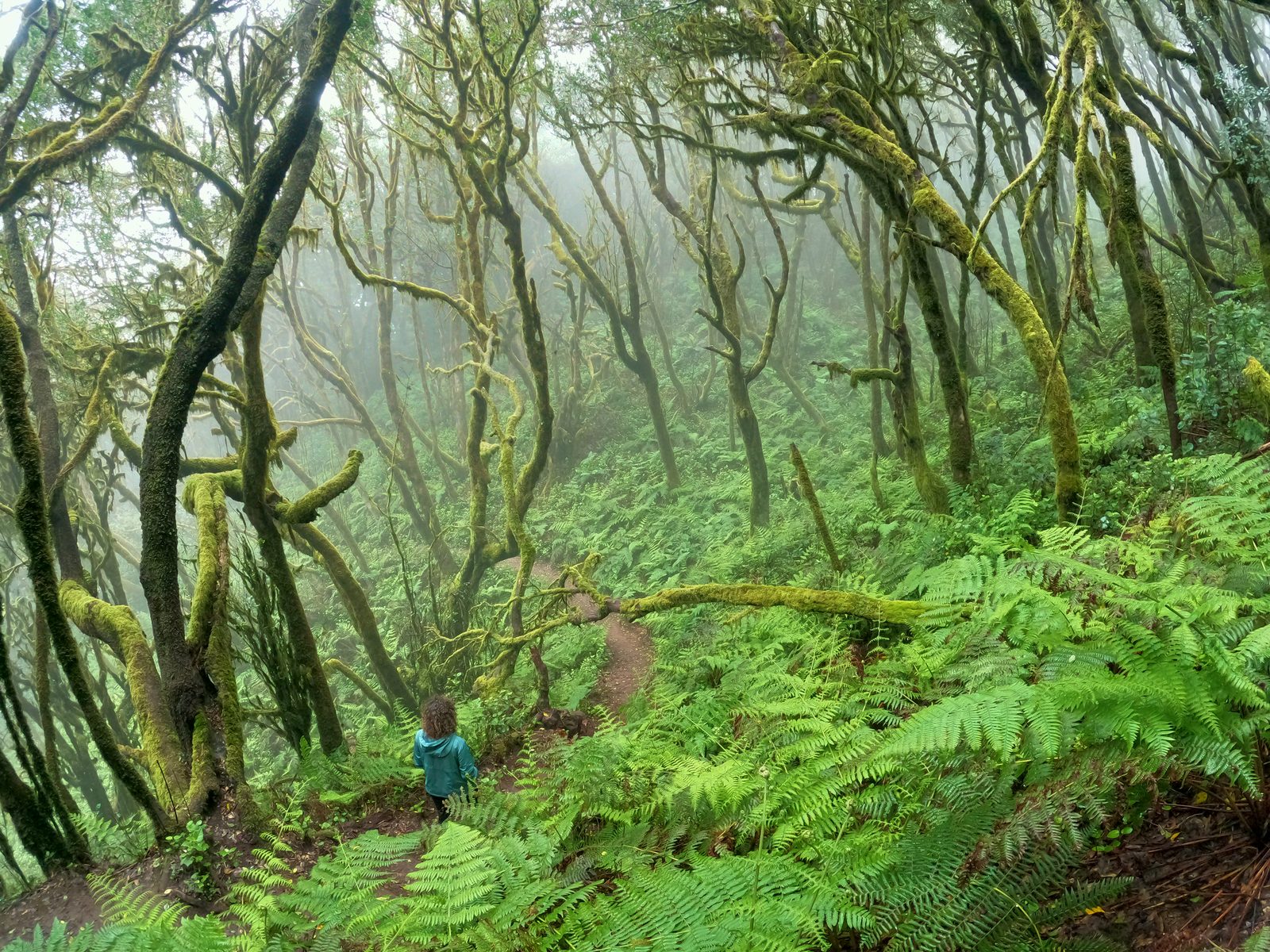
La Gomera neighbourhood guide
Walking La Gomera's Garajonay National Park and its rim villages
Forty-five minutes through laurel forest gets you to the island's highest ground. The viewpoints along the GM-2 cost nothing, and the park's western rim does a fixed vegetarian lunch.
The climb from the El Contadero car park to the top of Alto de Garajonay takes 45 minutes through laurel forest. The summit is 1,487 m and costs nothing to reach. The cloud that feeds the forest erases the view by mid-morning.
The summit climb from El Contadero
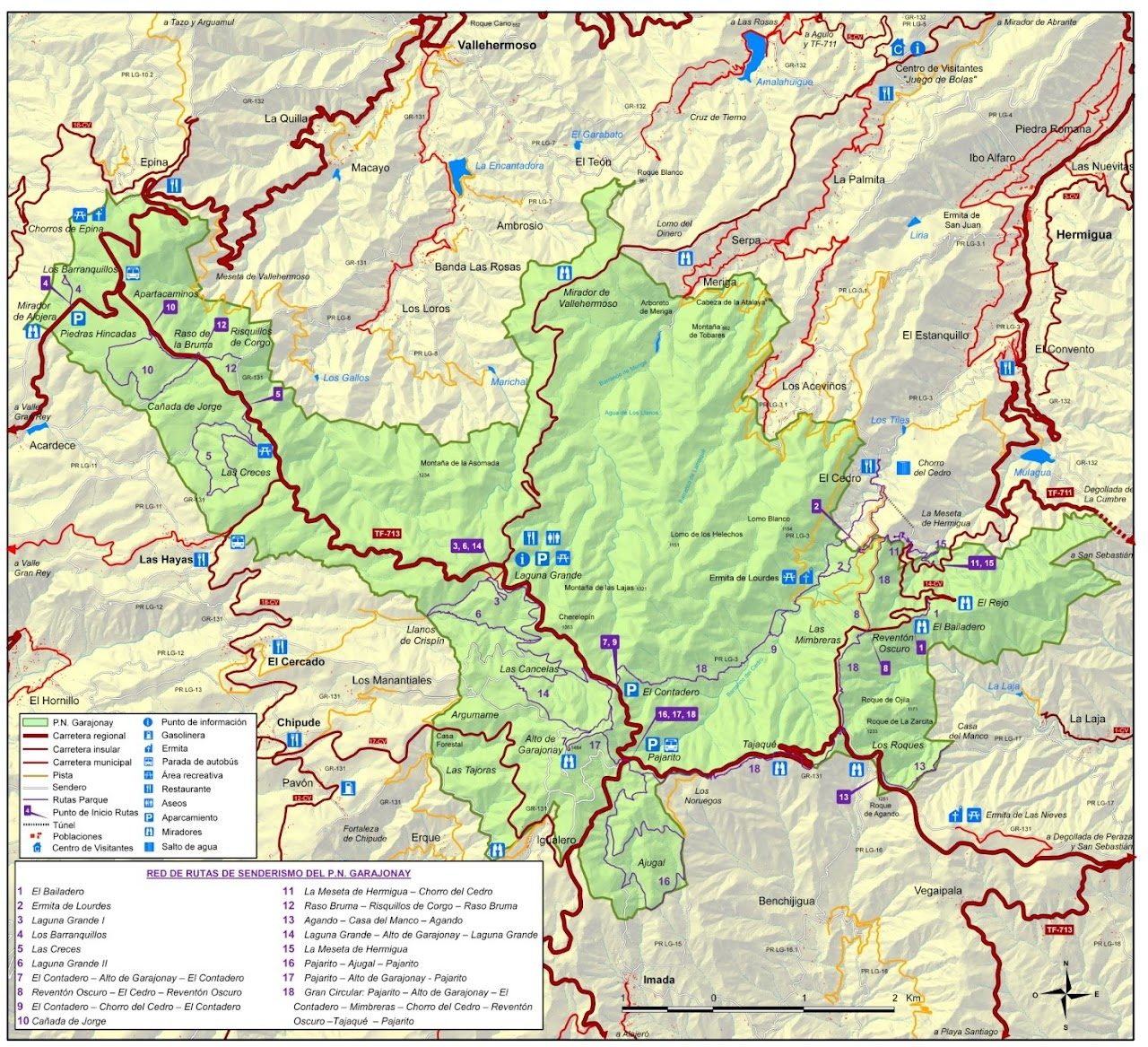
Alto de Garajonay (El Contadero and Pajarito trailheads, GM-2) needs no ticket and no booking. The path climbs through laurel forest, then the trees give way to wind-clipped heath and lichen for the last stretch. At the top you stand on a circular stone platform with an orientation plaque, and the view runs a full 360 degrees, the only one on the island.
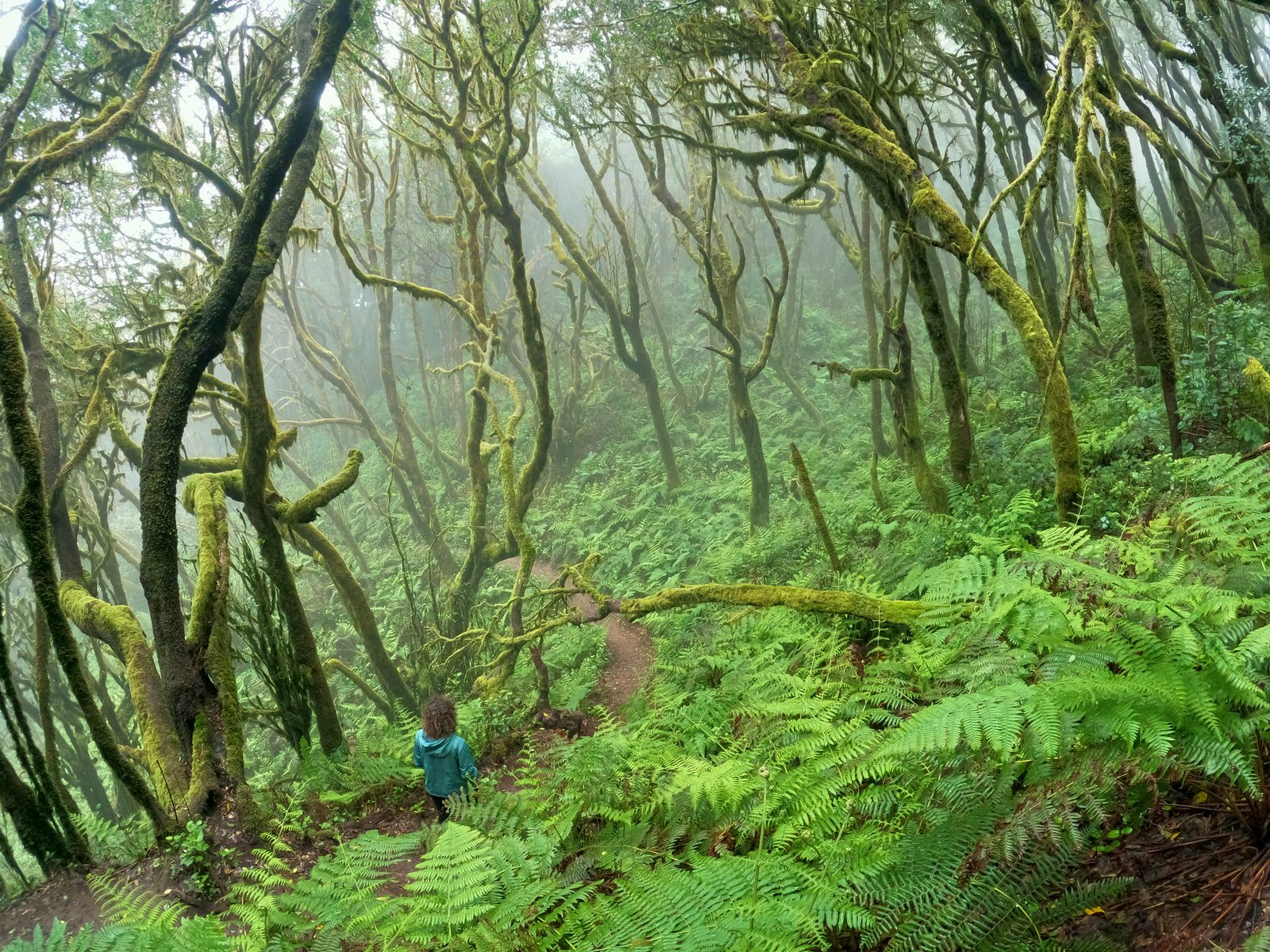
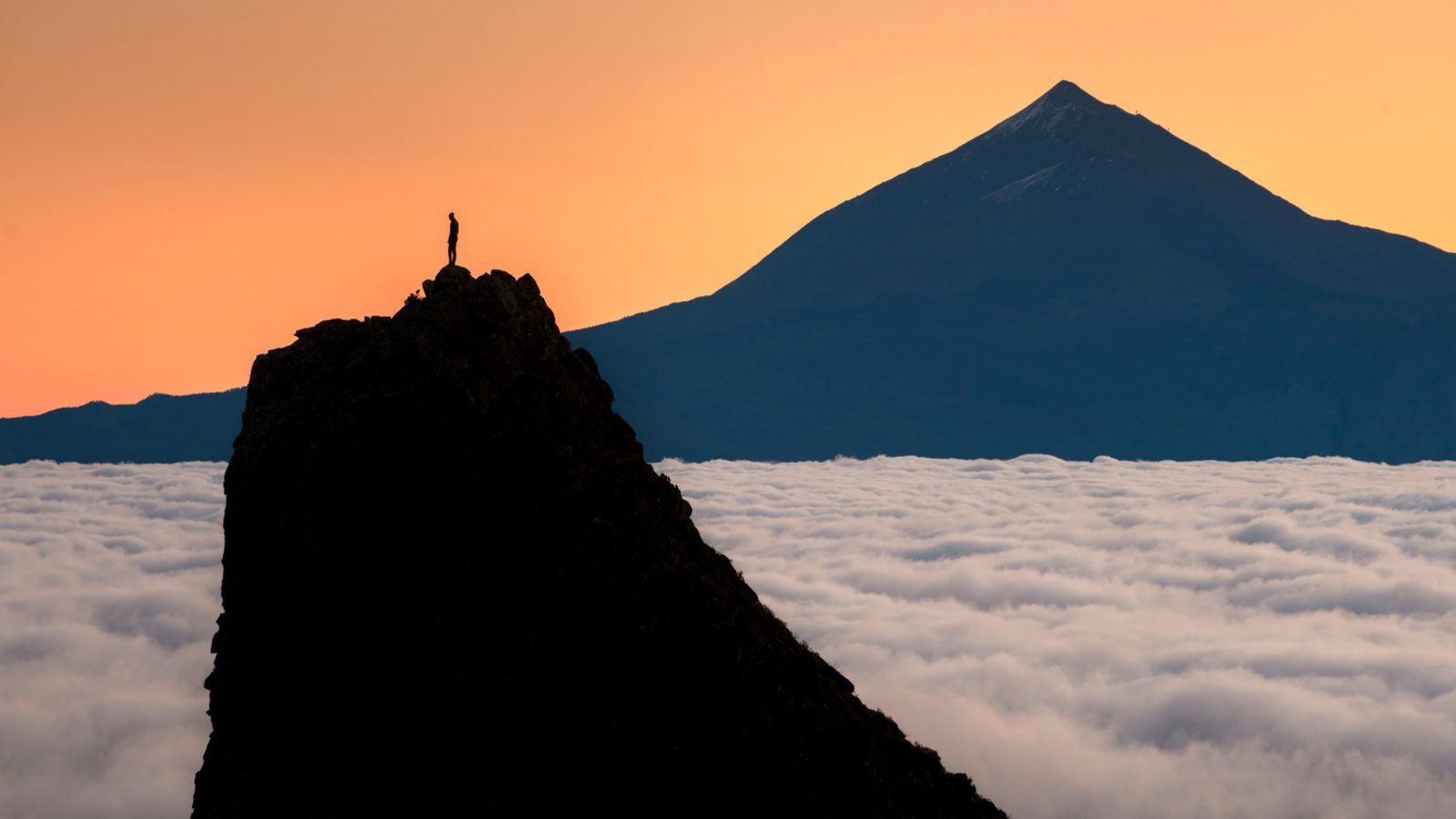
I go early. On a clear morning the valleys below fill with a white sea of cloud and Teide's cone floats above it; an hour later the same cloud is around your boots. Both trailhead car parks are small.
Roque de Agando on the GM-2
Mirador de Los Roques (GM-2, the park's eastern gate) is an unstaffed layby with a low stone-and-metal railing, and the rock behind it is a 180 m phonolite plug rising straight out of a forested ridge. Its sister rocks, Ojila and Zarcita, stand behind, and a deep barranco drops away to the south. Entry costs nothing and the parking takes coaches.
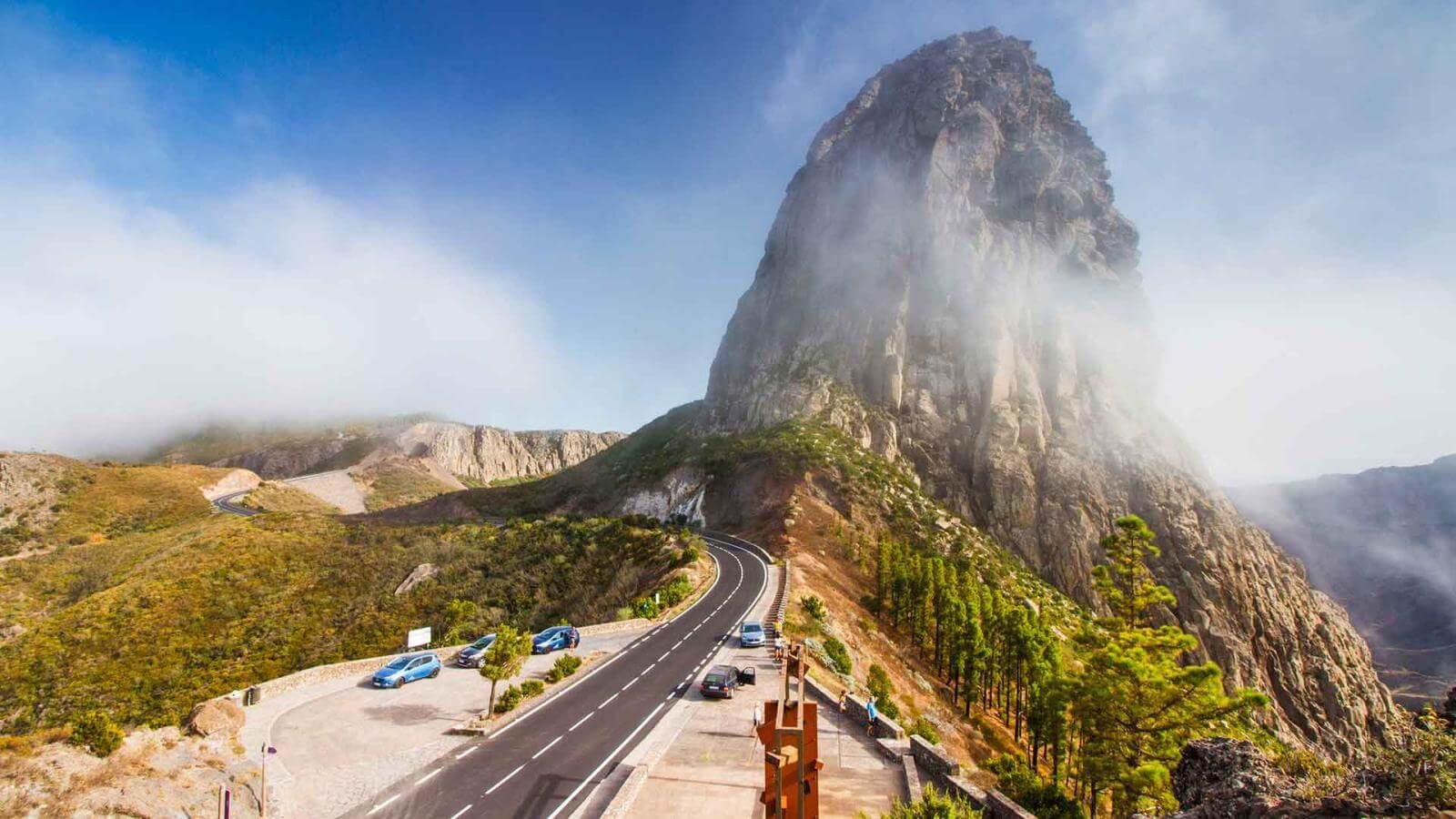
Every island tour stops here, and mid-afternoon is the quieter window. Roque de Agando is a protected natural monument and climbing it has been banned for decades. Look from the railing.
Juego de Bolas and the free guided walks
Centro de Visitantes Juego de Bolas (La Palmita, above Agulo) opens 09:30 to 16:30 daily, free, with a café, toilets and coach parking. Low whitewashed pavilions with terracotta-tiled roofs sit in terraced gardens of native Canarian flora. Indoors there is a large relief scale model of the whole island; outside, the Casa de la Memoria ethnographic cottage and a walkway viewpoint over the Hermigua valley.
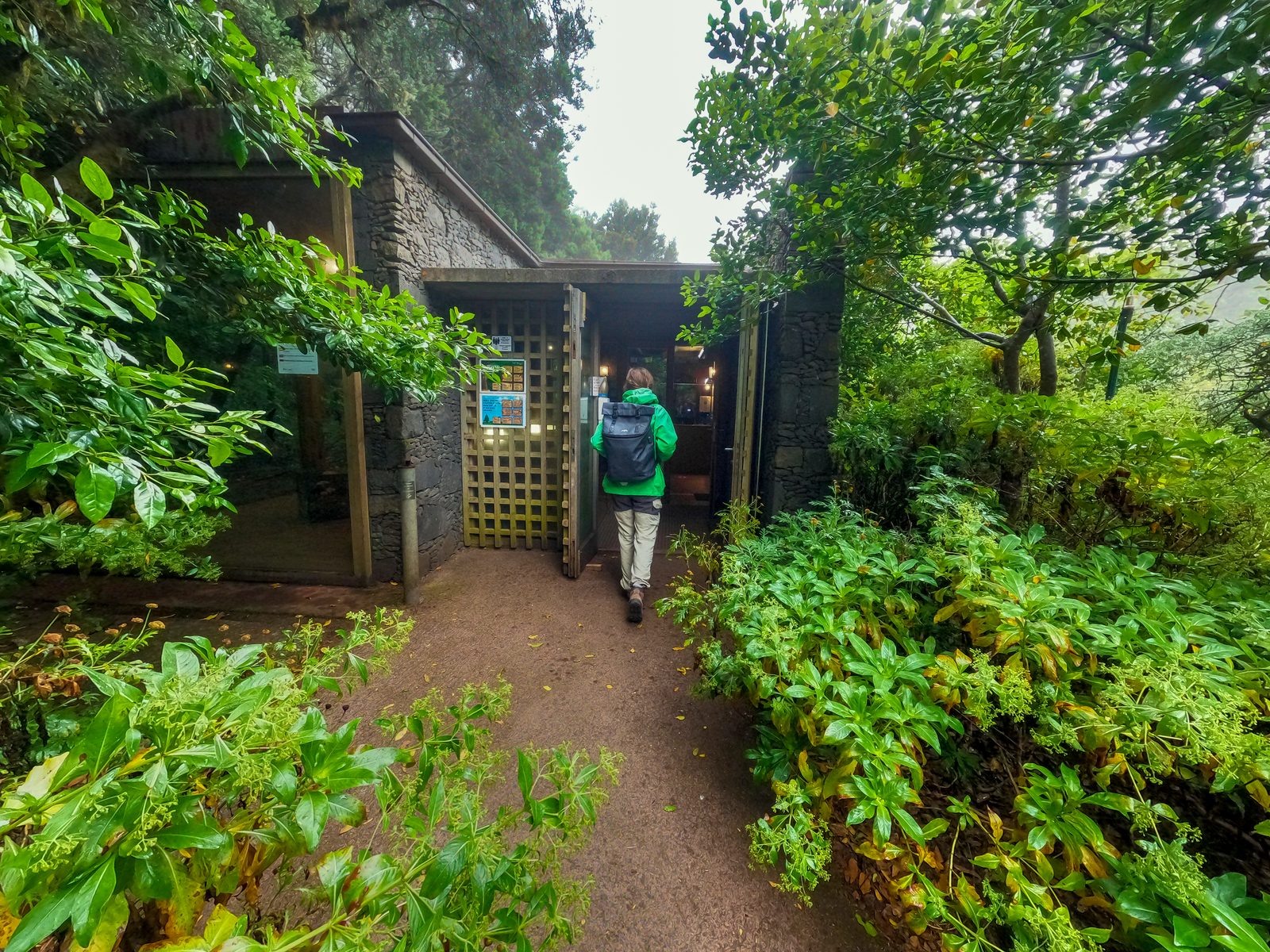
This is the one indoor stop that explains the laurel forest, and you book the park's free guided walks at the desk here. Those run on Fridays year-round, often on Wednesdays in summer, in Spanish, in small groups. The centre sits about 3 km outside the park boundary, so it works as a first stop on the drive up to the ridge.
The laurel forest at El Cedro
Bosque del Cedro and the Ermita de Nuestra Señora de Lourdes (El Cedro) hold the wettest, densest stretch of UNESCO-listed Canarian laurisilva in the park. Moss-furred laurel and tree-heather trunks arch over a narrow stream, hart's-tongue ferns cover every bank, and mist comes through the canopy in shafts. The chapel itself is a tiny whitewashed stone building with a single bell, alone in a clearing. It is a working pilgrimage site and stays locked outside feast days.
Trails are waymarked and free to walk. The El Cedro access road is single-track and unsuitable for coaches, so a coach party walks in from La Laguna Grande or from Hermigua. The picnic site by the Ermita de Lourdes has room for walking groups.
Bar Restaurante Camping La Vista (El Cedro) sits on the lip of the gorge with the forest dropping away below the terrace. Grilled goat is what people come for, with a cauldron of watercress stew alongside, and mains run €10 to €15. Group meals need notice on 922 880 949 or 922 880 804.
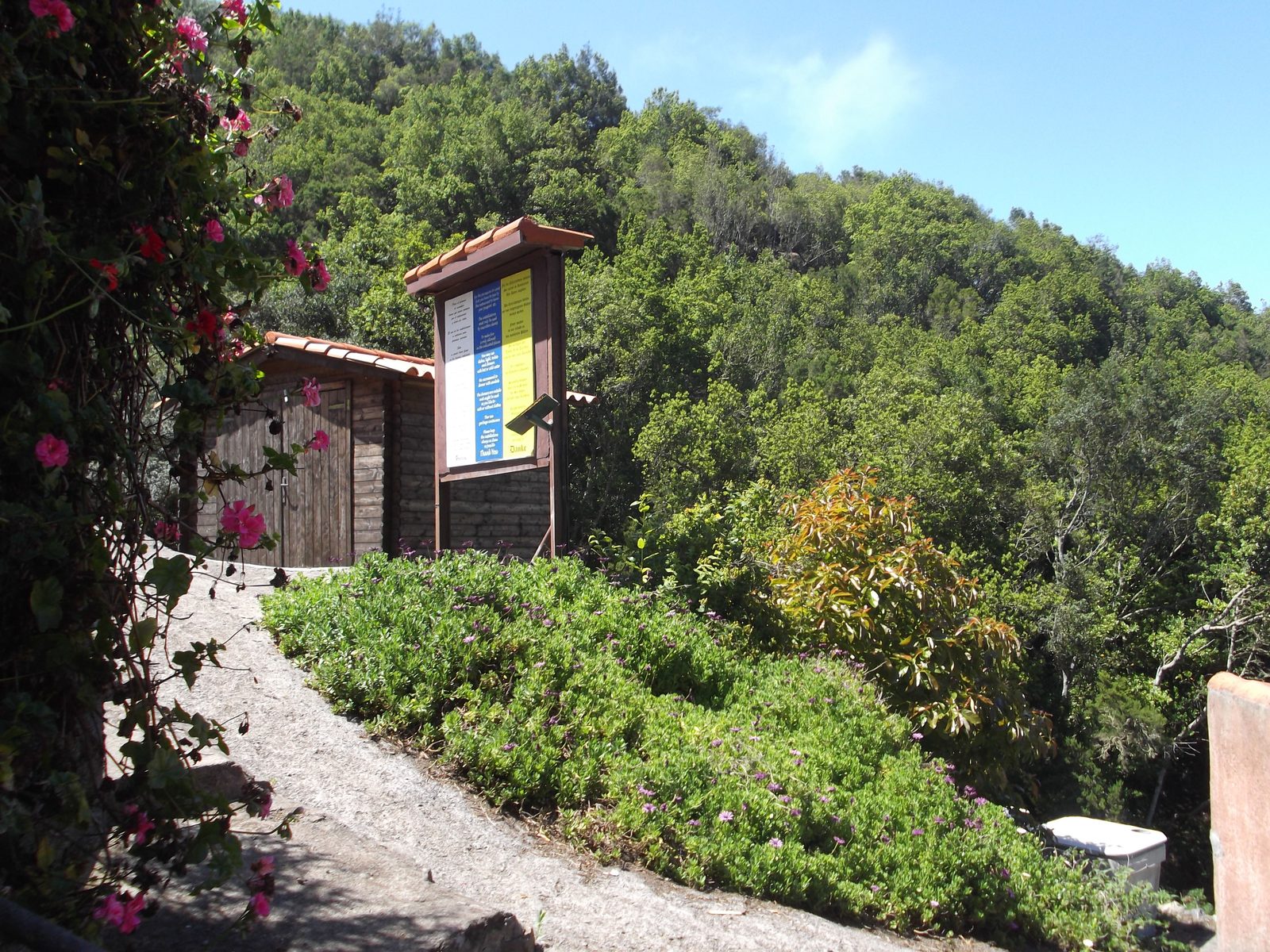
Tents go up among the trees behind, and there is a stone cottage, with pitches from €6 to €10 per person. These are the only beds effectively inside the park, so book early if you want to hear the laurel forest drip all night.
La Laguna Grande
La Laguna Grande (km 26.5, GM-2) is a flat beaten-earth clearing ringed by tall twisted tree-heather, with long wooden picnic tables and a children's play area under the branches. The low white-and-timber bar-restaurant has big windows for birdwatching. Do not expect an actual lagoon except after heavy rain.
Every trail here starts or ends at this crossroads, and it is the only place to eat inside the park boundary. The kitchen does watercress potaje, goat and papas arrugadas, with mains at €9 to €14. The information point opens 08:30 to 16:30 daily and the restaurant 10:00 to 18:00 daily. Car park, toilets and the picnic area are free.
The southern rim at Igualero
Mirador de Igualero and the Monumento al Silbo Gomero (southern rim) cost nothing and never close. The sculpture is a contemporary stone-and-metal cupped hand raised to a whistling mouth, on a bare ridge-top terrace above terraced slopes. The flat-topped Fortaleza de Chipude fills the view, with barrancos falling to the south coast.
It honours silbo gomero, the whistled language UNESCO listed in 2009, which is still taught in Gomeran schools and came out of exactly these uncrossable ravines. Two minutes on this terrace explain the island's shape better than a room of display panels. Roadside parking is small and tight for a full coach.
Chipude and La Fortaleza
La Fortaleza de Chipude (Chipude) stands over dry terraced farmland like an altar, pale rock bands under a grass-topped mesa, cactus and tabaiba on the lower slopes and the green park ridge behind. The circular walk from the village plaza is 5 to 6 km and takes 2½ hours. It is free and open.
This was the sacred mountain of the pre-Hispanic Gomerans and the symbol of their resistance, and the whole site is a protected archaeological zone. Stay on the path, and take nothing from the summit. The island council's programme bundles a guided summit ascent with the pottery centre, free or at low cost.
Iglesia de Nuestra Señora de la Candelaria (Chipude plaza) is a squat whitewashed double-nave church with dark volcanic stone quoins, an unusual single front door and a low square belfry, on a bare plaza with the Fortaleza mesa behind it. It was founded as a 16th-century hermitage and has been a parish since 1655. The island's main fiesta falls each 15 August.
Entry is free when the doors are open, which in practice means around Mass, and the hours are informal. Treat the exterior and the plaza as the sight, and note that group walks to La Fortaleza and the pottery centre muster here.
Pottery and lunch at El Cercado
Centro de Interpretación Las Loceras (El Cercado) is a stone-walled village cottage five minutes from the park's Chipude gate. The potters coil red-brown clay by hand without a wheel, as they did before the Spanish arrived, and the rooms hold an open hearth and firing pit, the original tools and black-and-white photographs of the women potters. Entry is free, 09:30 to 13:30, daily except Monday.

Guided visits go through the Cabildo de La Gomera on 922 804 104. Pots sell in the village from €10.
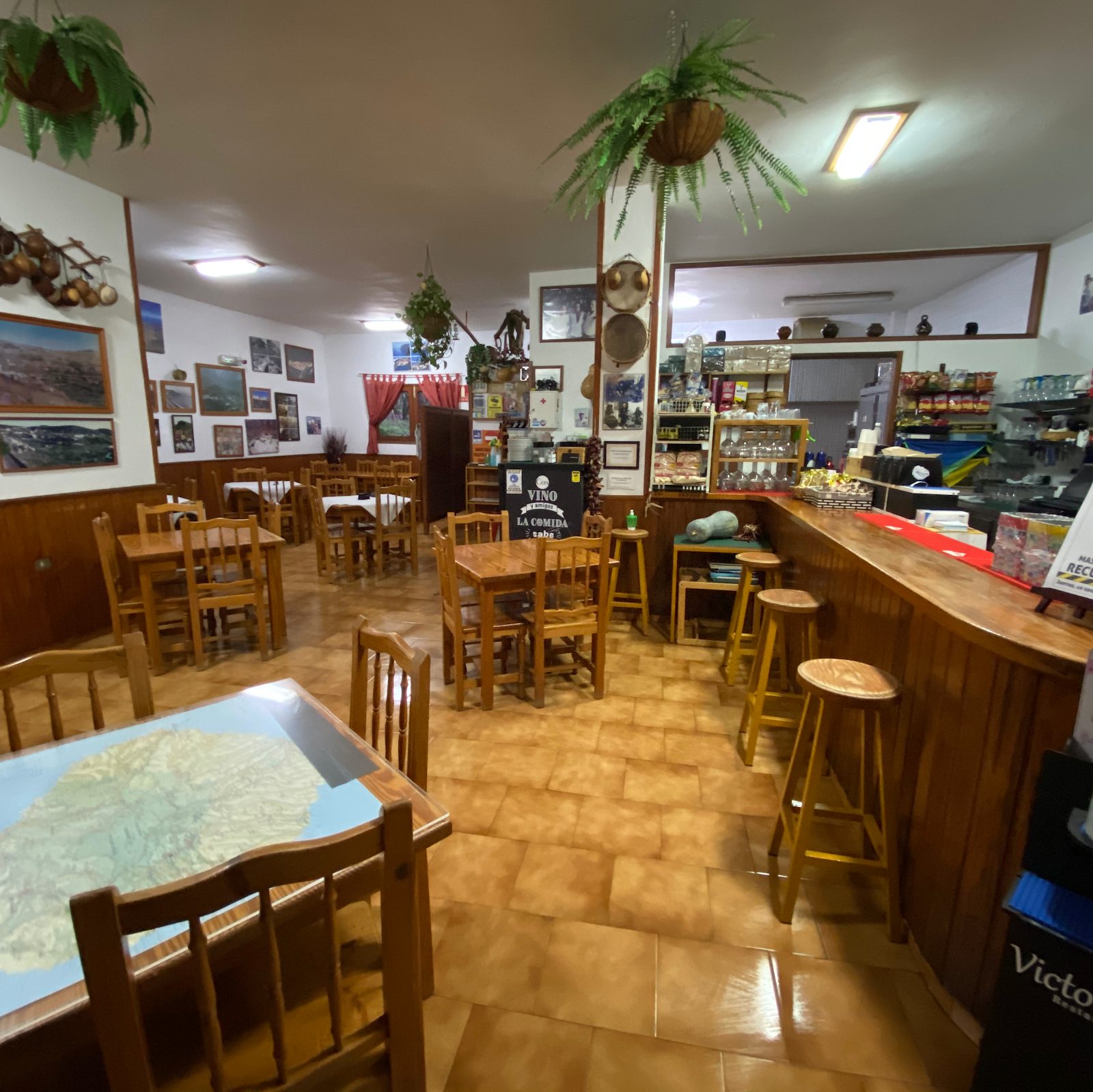
Bar Restaurante Victoria (El Cercado) does rabbit in salmorejo and papas arrugadas, wedges of almogrote and hard goat cheese on bread, a carafe of cloudy local white wine and good coffee, with plates at €8 to €12. The small terrace looks over stone-walled terraces to the Fortaleza. It opens 10:00 to 20:00 Thursday to Monday and closes Tuesday and Wednesday. Walk in, or ring +34 616 41 74 03.
The western rim at Las Hayas and Epina
La Montaña, Casa Efigenia (Las Hayas) has run in the same family for more than 50 years, five minutes from the Las Creces trailhead. There is no printed menu and everyone eats the same fixed vegetarian lunch, €13 to €18: bowls of watercress potaje, almogrote and gofio arriving one after another in a tiny room of bare stone, wooden beams and oilcloth tables, with garden vegetables stacked by the kitchen door. The house was accidentally vegan long before anyone used the word.
Covers are limited, so phone ahead for a party of more than six, and it closes for family holidays without notice. Ring first, every time.
Chorros de Epina (GM-1, km 46.5) is a pre-Hispanic spring on the park's wet western flank, free and always open. Seven stone spouts set into a mossy retaining wall dribble water into a channel in deep laurel shade, and the small whitewashed Ermita de San Isidro Labrador stands in the clearing just above. Local superstition attaches luck in love to drinking from the right number of spouts.
Park at the roadside bar on the GM-1 and walk down for 15 minutes. The path is narrow and a big party is better split. The bar at the trailhead trades on its view.
Walking with a guide
The park's own guided walks are free, but they go only on Fridays, plus Wednesdays in summer, and only in Spanish. Ipalan Trekking (Alajeró) guides in Spanish, English and French, and private guided day hikes run €40 to €70 per person depending on group size. Couples, families, clubs and companies get custom itineraries, and the operator also runs multi-day traverses.
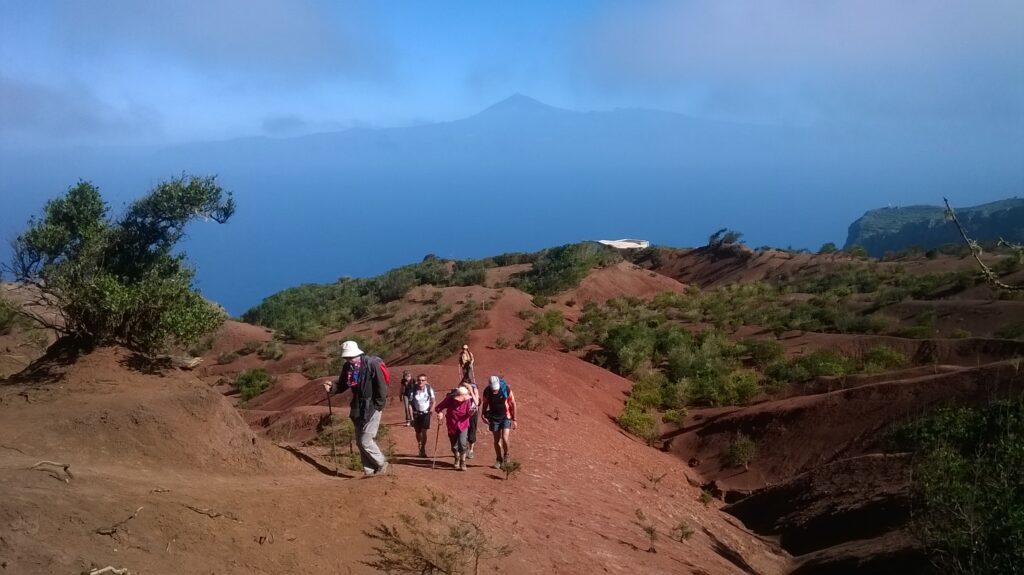
Booking goes by phone, WhatsApp or email. For an international party that wants the laurisilva explained while standing in it, this is the realistic option.
Where to stay
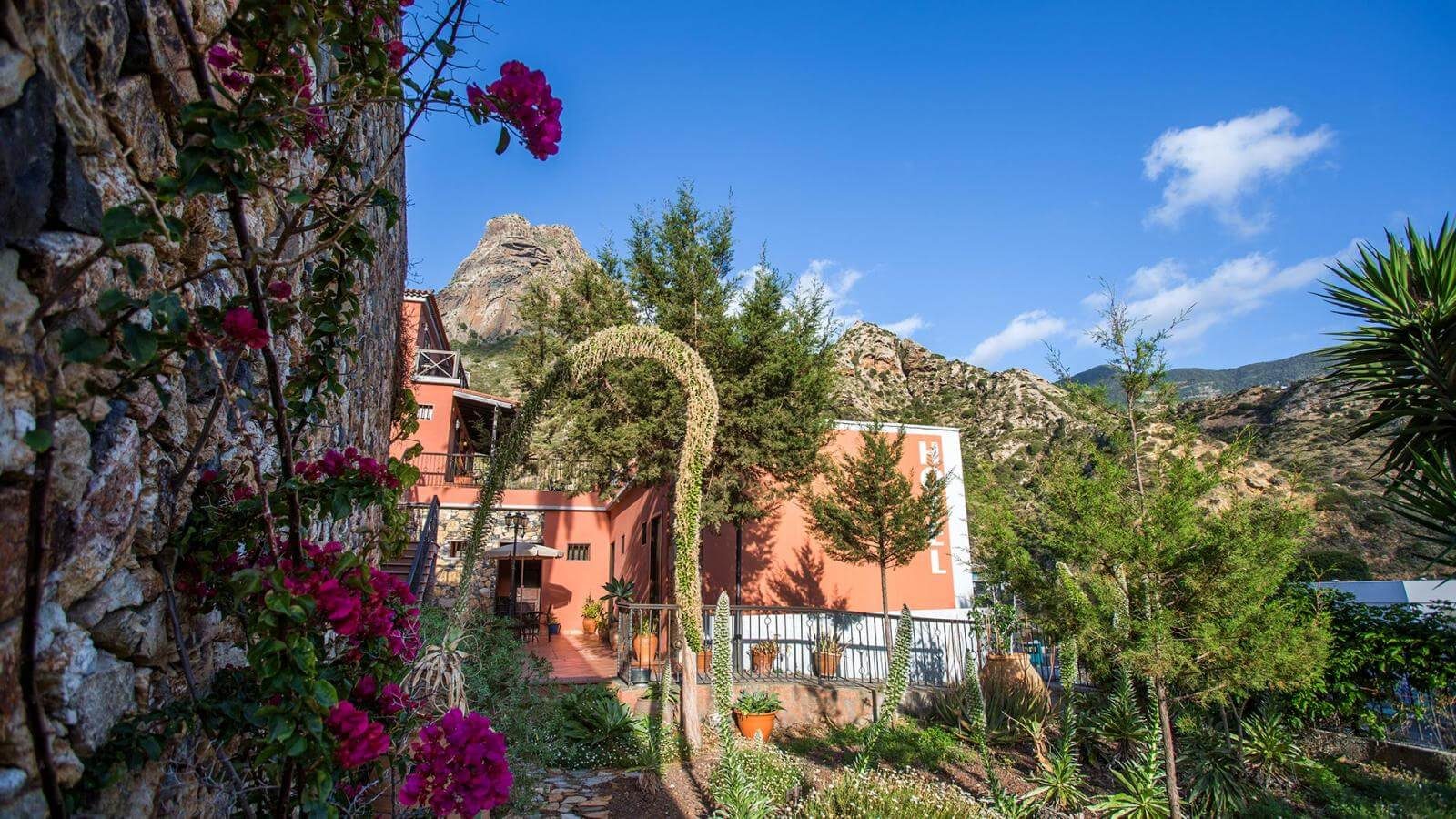
Tamahuche Hotel Rural (Vallehermoso) is a restored 19th-century Canarian townhouse with carved wooden balconies, an interior courtyard and stacked terraces of tables and loungers, the Roque Cano monolith over the valley behind. Doubles are €70 to €100 with breakfast. Its kitchen is one of the better Canarian tables in the village, a tour desk arranges park transfers, and La Laguna Grande is 15 minutes' drive up. Thin walls in a couple of rooms are the standing complaint.
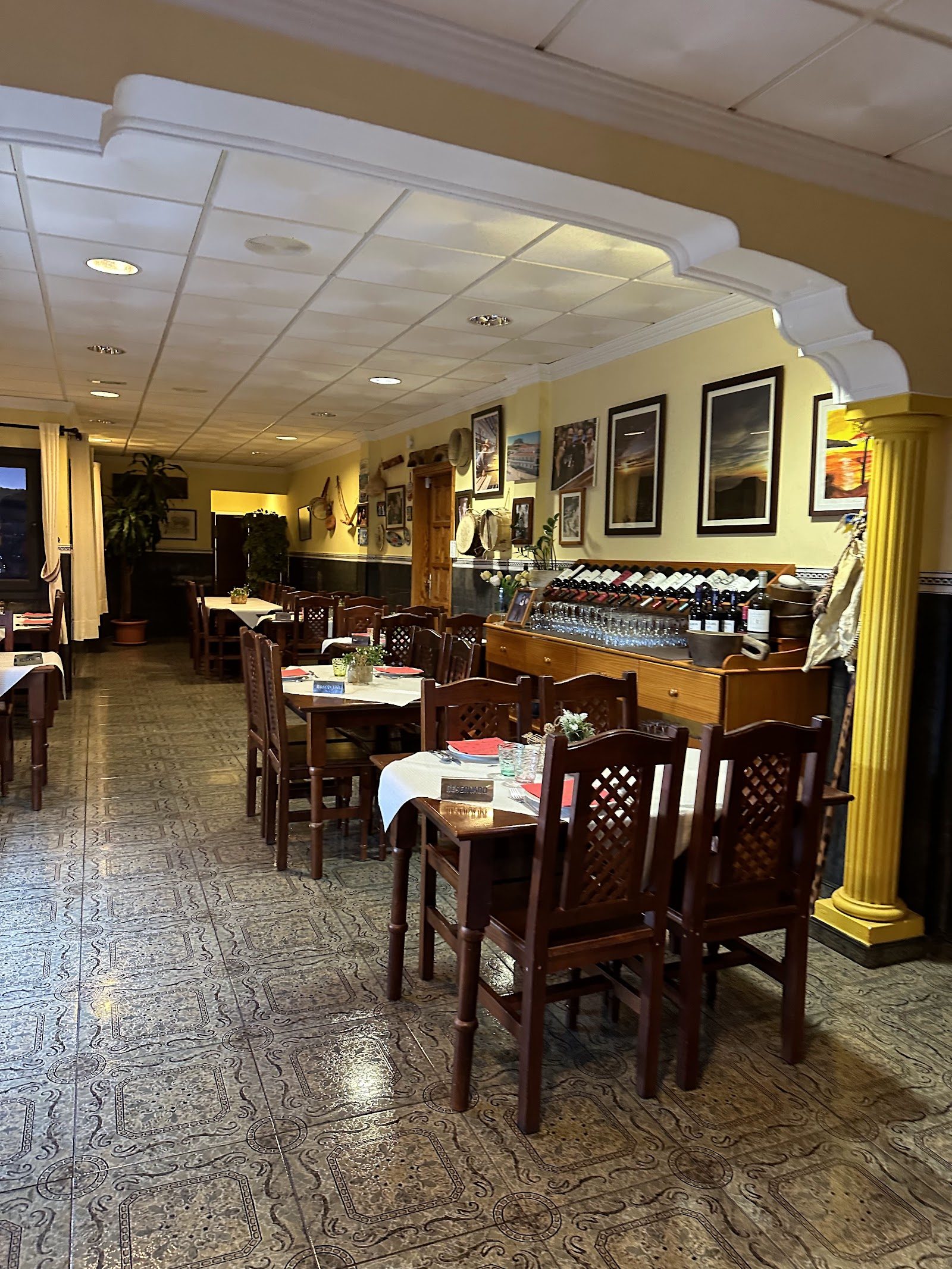
Hotel Sonia Chipude (Chipude plaza) has five simple mountain-view rooms over a ground-floor bar-restaurant that locals use, with doubles at €50 to €65. It is a two-minute walk from the Candelaria church and the closest bed to the park's southern gate. It suits walkers taking Alto de Garajonay and La Fortaleza on consecutive days, and a small group can take the whole place.
Before you go
Las Loceras closes on Mondays, Bar Restaurante Victoria on Tuesdays and Wednesdays, and Juego de Bolas on 25 December and 1 January. Book Casa Efigenia, the El Cedro campsite and the Friday guided walk ahead, and drive the GM-2 to the summit trailheads early enough to beat the cloud.
See the La Gomera guide and the La Gomera hotel search.
Good to know
Garajonay National Park — your questions
Do you need a ticket or a booking for Garajonay National Park?
No. Alto de Garajonay is open ground with no ticket and no booking, and the viewpoints at Los Roques and Igualero are free and unstaffed. The Centro de Visitantes Juego de Bolas is also free, 09:30 to 16:30 daily.
How long is the walk up Alto de Garajonay?
Forty-five minutes up from the El Contadero trailhead, through laurel forest to the 1,487 m summit and its circular stone platform. I go early, because the cloud that feeds the forest usually closes the 360-degree view by mid-morning.
Where can you eat inside the park?
La Laguna Grande, at km 26.5 of the GM-2, is the only place to eat inside the boundary: watercress potaje, goat and papas arrugadas, €9 to €14, 10:00 to 18:00 daily. Off the El Cedro trail, Camping La Vista grills goat for €10 to €15 and will do group meals on notice.
Are there guided walks in English?
The park's free official walks run on Fridays year-round and on Wednesdays in summer. They are in Spanish only, and you book them at the Juego de Bolas desk. Ipalan Trekking in Alajeró guides in Spanish, English and French, and charges €40 to €70 per person for a private day hike.
Can you sleep inside the park?
Camping La Vista at El Cedro has the only beds effectively inside the park, with pitches at €6 to €10 per person and a stone cottage; book early. Hotel Sonia Chipude, by the southern gate, has five rooms at €50 to €65, and Tamahuche Hotel Rural in Vallehermoso is €70 to €100 with breakfast.
Gallery