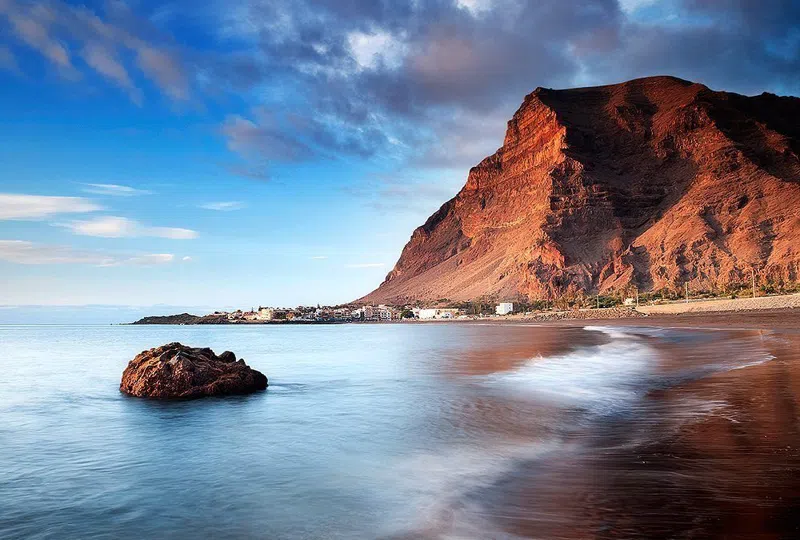
A stone staircase of 40 steps drops from the clifftop onto Playa de Papagayo, and nothing at the bottom casts shade or hires out a sunbed. Launches out of the marina moor off the cove from 11:00 to 16:00. The gate on the way in charges 3 € a vehicle, card only, and lets walkers and cyclists through for nothing.
The gate on the Los Ajaches piste
Monumento Natural de Los Ajaches is 4,500 hectares of eroded red-brown massif, and the coves are notches cut into its southern edge. A dusty white-grey piste crosses bare rock to a single small toll booth with a card terminal, and that booth decides how any Papagayo visit by car goes. It works 9:00 to 19:00. Residents of Lanzarote and La Graciosa pay nothing.

Non-resident vehicle numbers are capped at 2,000 a day. More than 103,000 non-resident vehicles came through in 2024, and a September 2026 proposal would cut the daily cap to 500 cars and move entry to an online QR booking, so check which rule is in force before you plan a day around driving in. On foot or by bike the park is free and unrestricted at any hour, and no cap applies.
The five coves past the booth
Playa de Papagayo is the headline cove and the reason the boat trips exist. It runs 200m in a horseshoe clamped between two sheer ochre rock cliffs, with a flat turquoise lagoon inside it and anchored catamarans beyond. The sand is open-access public land with no door policy and no closing time. Parking at the piste end fills by mid-morning.
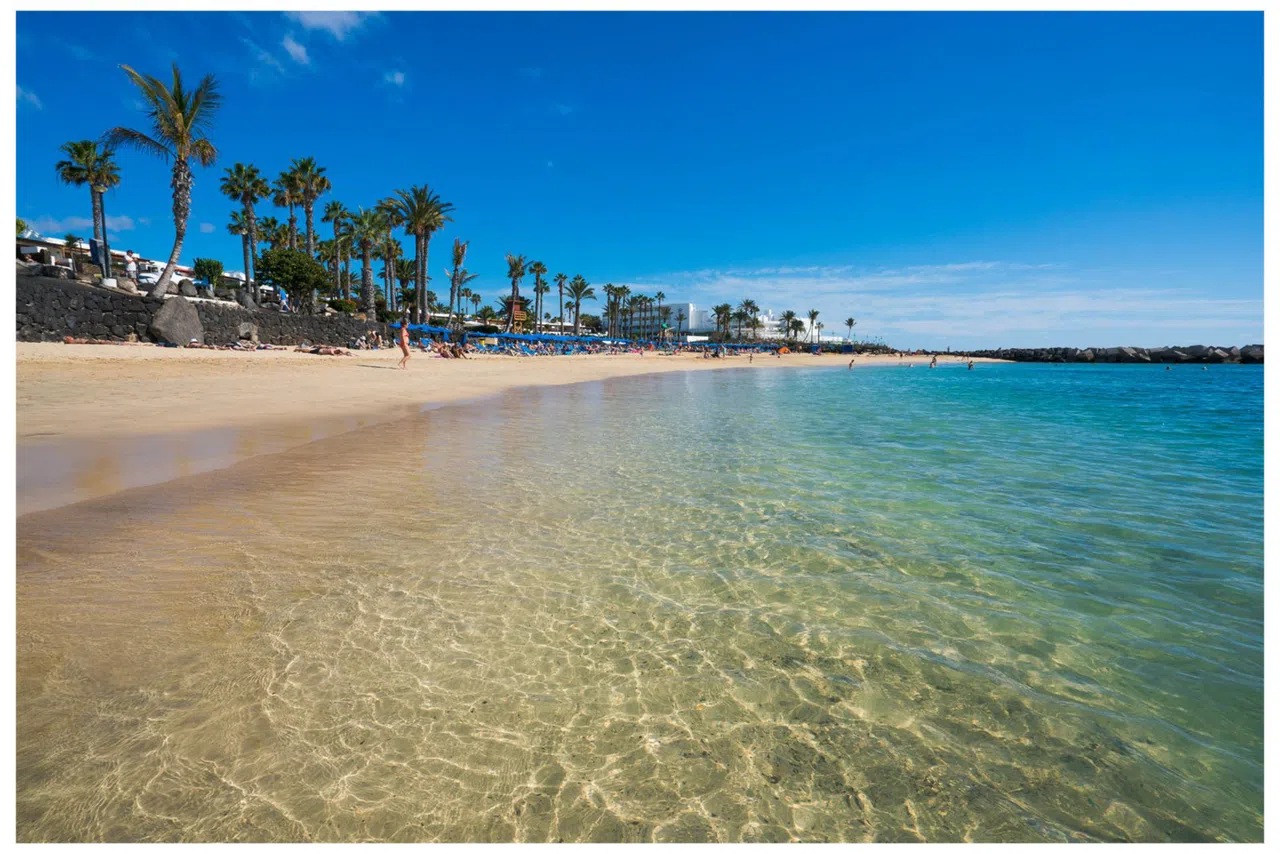
Playa Mujeres, the first and largest cove past the gate, is a broad 400m sweep of golden sand with a gentle shelf and low dark lava headlands at each end. Its dirt car park sits 50m back behind the sand and holds 40 spaces. The water has the softest entry of the coves here, so it is the one to pick with children. No toilets or showers stand on it, and the food truck is seasonal. The cove was called La Calera, after an old lime kiln.
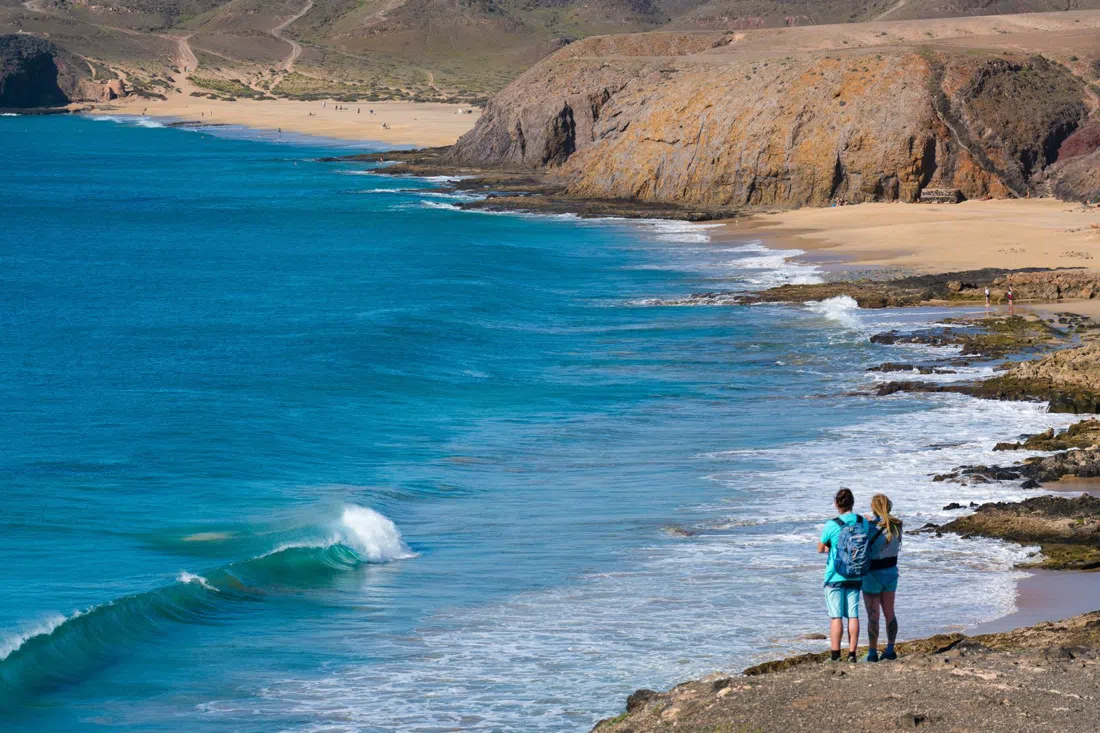
Playa del Pozo sits at the end of a rougher spur track that drops unpaved to the shore, which is enough to deter hire-car drivers and keeps the beach under 30 people even at midday. It holds 150m of fine blond sand ending in a shallow natural rock pool, with a rust-red scree slope behind. Nothing is sold on it.
Playa de la Cera is a tiny 80m pocket of mixed sand and small pebbles under a crumbling cliff. The water is clear enough to show rock and fish from the shoreline, the best snorkelling visibility of the group, and it rarely holds more than 15 people. No parking exists at the cove, and the walk in from the main lot takes 10 minutes, which works for a party of two to six people. Closed shoes help on both the walk and the pebble entry.
Caleta del Congrio is a 90m crescent of sand hemmed by a tall black volcanic wall, with a 10-space gravel pull-in above it. Naturists are welcome here and at Puerto Muelas next door, by long convention. It is the only cove of the group with real natural shade, and it is small enough to suit a couple or a handful of friends.
Walking in from the Playa Blanca promenade
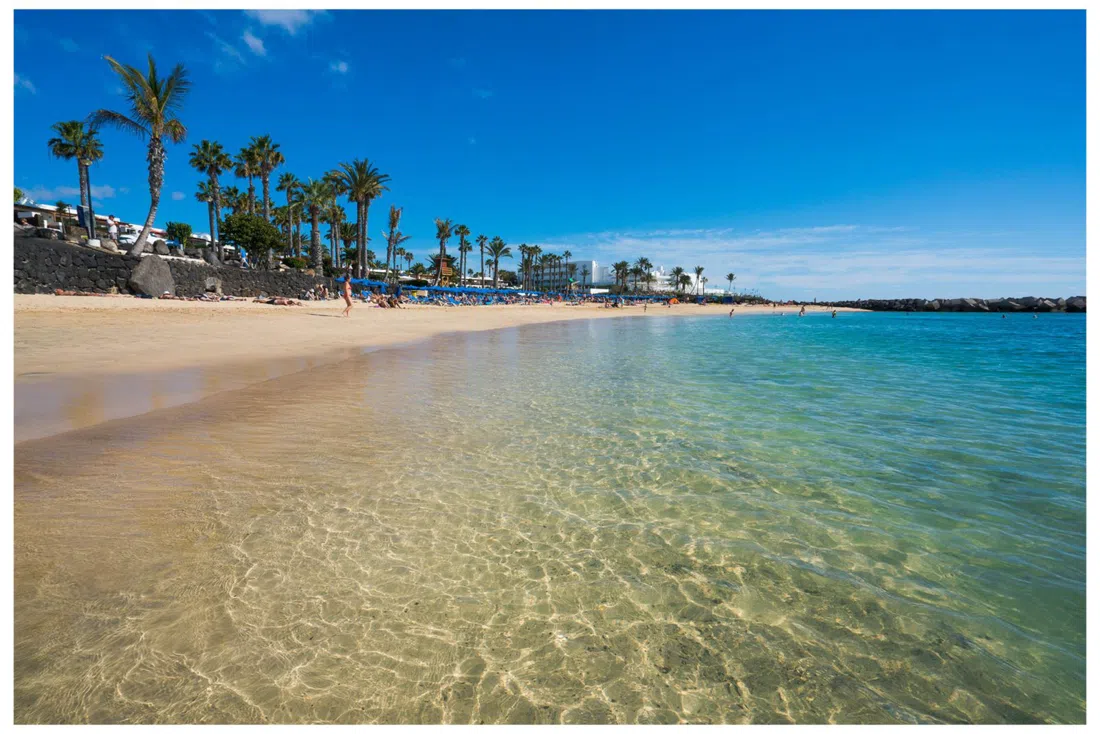
Paseo Marítimo de Playa Blanca is seven kilometres of paved seafront path in mixed concrete and dark natural stone, with low white walls and palms, running from Faro de Punta Pechiguera in the island's south-west corner through town and the marina to Las Coloradas. It is flat, free and lit in parts, and a pushchair or a slower walker can manage all of it. Small sheltered sand bays open off it at Playa Flamingo and Playa Dorada, where a sunbed at the serviced bays costs 5 € to 10 €. At Las Coloradas the surface turns to rough coastal track, and the coves are 6.5km on, a walk of 1h35.


The lighthouse at the western end is a slim 50m white concrete tower from 1988, standing beside the stubby old stone lighthouse on a black lava shelf, waves breaking over flat rock and nothing else on the point. It gives the best sunset within reach of Playa Blanca. Parking is free and the tower is not open inside. Visitors through 2026 report building debris and a half-abandoned feel around the base, so go for the light and the horizon rather than the site itself.
Castillo de las Coloradas, also called the Torre del Águila, marks the eastern end of the promenade and the start of the walking approach to the coves. It is a squat circular watchtower of dark volcanic blocks on a low headland, with a parapet rim and the flat blue Bocaina strait behind it, Fuerteventura on the skyline. The 18th-century tower was built against pirates, and the interior cannot be visited. The ground is free and ungated, and ten minutes covers it.

Arriving by sea from Marina Rubicón
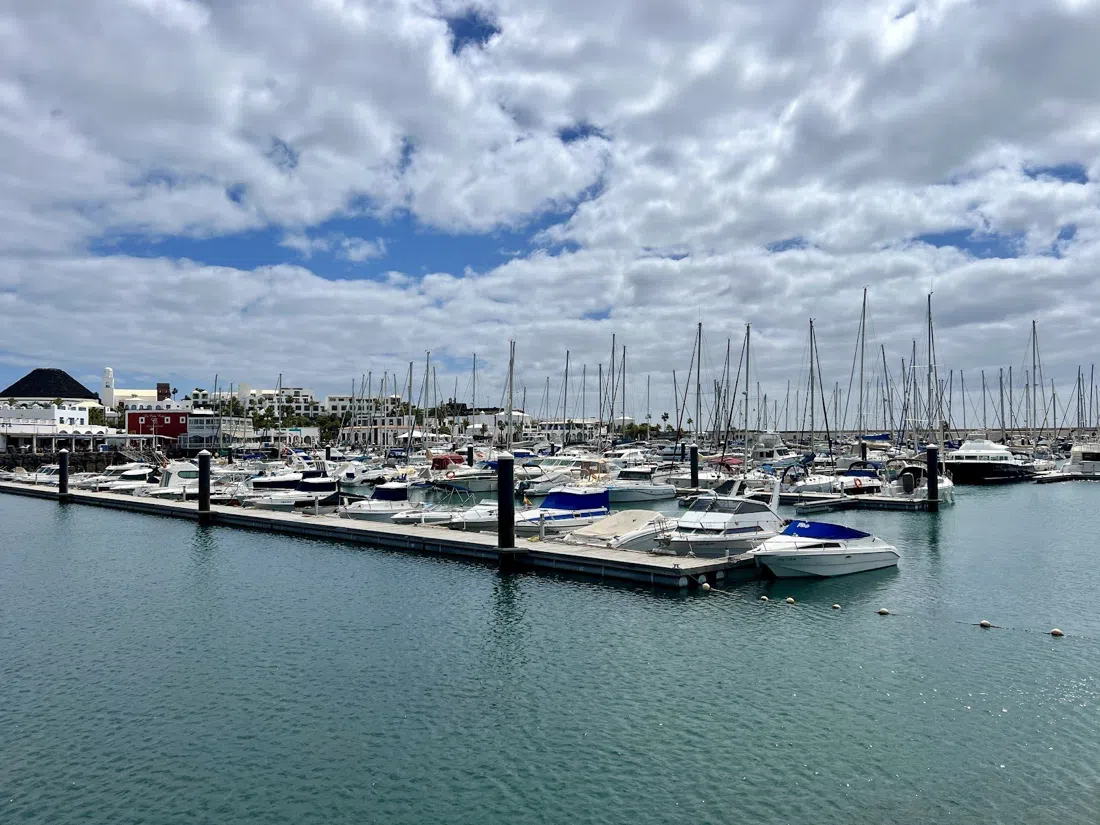
Marina Rubicón is a horseshoe harbour of white yachts and wooden pontoons ringed by low whitewashed buildings with green shutters, a stone watchtower on the headland beyond. Almost every Papagayo sailing boards at these pontoons. Parking is ample and the harbour has bus and ferry links. Harbourside drinks start at 3 € and meals run 15 € to 30 €. A craft market fills the stalls under the awnings every Wednesday and Saturday, 09:00 to 14:00, free to enter.
Líneas Romero runs the scheduled waterbus between Playa Blanca and the marina, leaving at 10:00, 11:10 and 13:30 and returning at 10:30, 13:15 and 16:10. One way is 11 € adult and 8 € child; a return is 18 € and 12 €. Its Papagayo sailings cost more. The operator's own timetable page now lists only the Playa Blanca to Marina Rubicón leg, so confirm a Papagayo stop directly before you build a day around it.

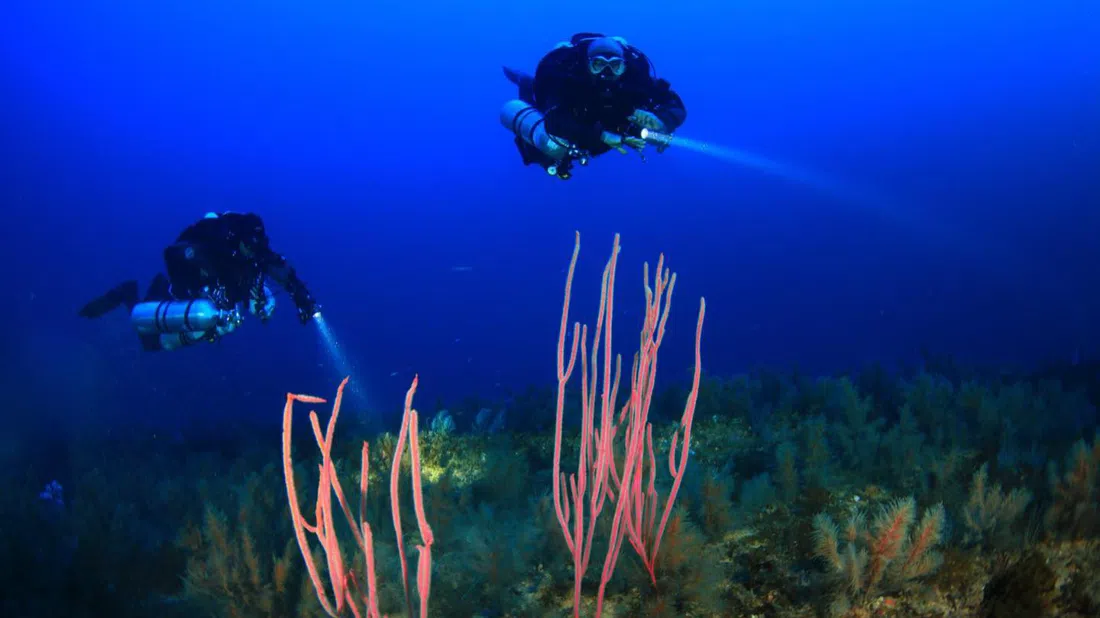
Rubicón Diving works from a shopfront on the marina quay, with racks of tanks and hung wetsuits and two hard-boats tied up alongside. It has taught here since 2002 as an SSI Diamond instructor training centre, in six languages and off four boats, from first-time try-dives upward. A single guided dive with kit is 50 € to 70 €, and courses start at 180 €. The underwater sculpture museum off Las Coloradas has been shut since 2020 with no confirmed reopening, so the reefs are what you book.
Eating and sleeping inside the park
Casa El Barba is the one reliably operating place to eat inside the park, a whitewashed low building with a wooden-railed terrace right on the cliff edge above Papagayo, blue parasols over the tables and the open Atlantic horizon in front. Papas arrugadas arrive with red and green mojo. Mains run 12 € to 22 €, drinks from 3 €, and the kitchen works daily 12:00 to 20:00, with the better view at sunset. It states plainly that it makes no reservations and seats walk-ins first come, first served, so send someone ahead if you want a terrace table. Its neighbour Be Papagayo has been reported shut through 2026 and its website now redirects elsewhere, so there is no second option to fall back on.

Área de Acampada de Papagayo holds 260 flat gravel pitches on an exposed dusty plateau behind the coves, lines of motorhomes and camper vans with no trees and low breeze-block service blocks among them. It is the only legal way to sleep inside the park, and the only way to have a cove to yourself at dawn. Booking is pitch by pitch online, with long-stay zones for five days or more and short-stay pitches of two to four days. Some pitches are pet-friendly and some are accessible. Pitch fees are low and fixed, frozen for the 2026 season, and no changes or refunds are made. The season runs 3 July to 4 October in 2026, and outside it the booking site reads 'closed by calendar'.

Viewpoints above the coves
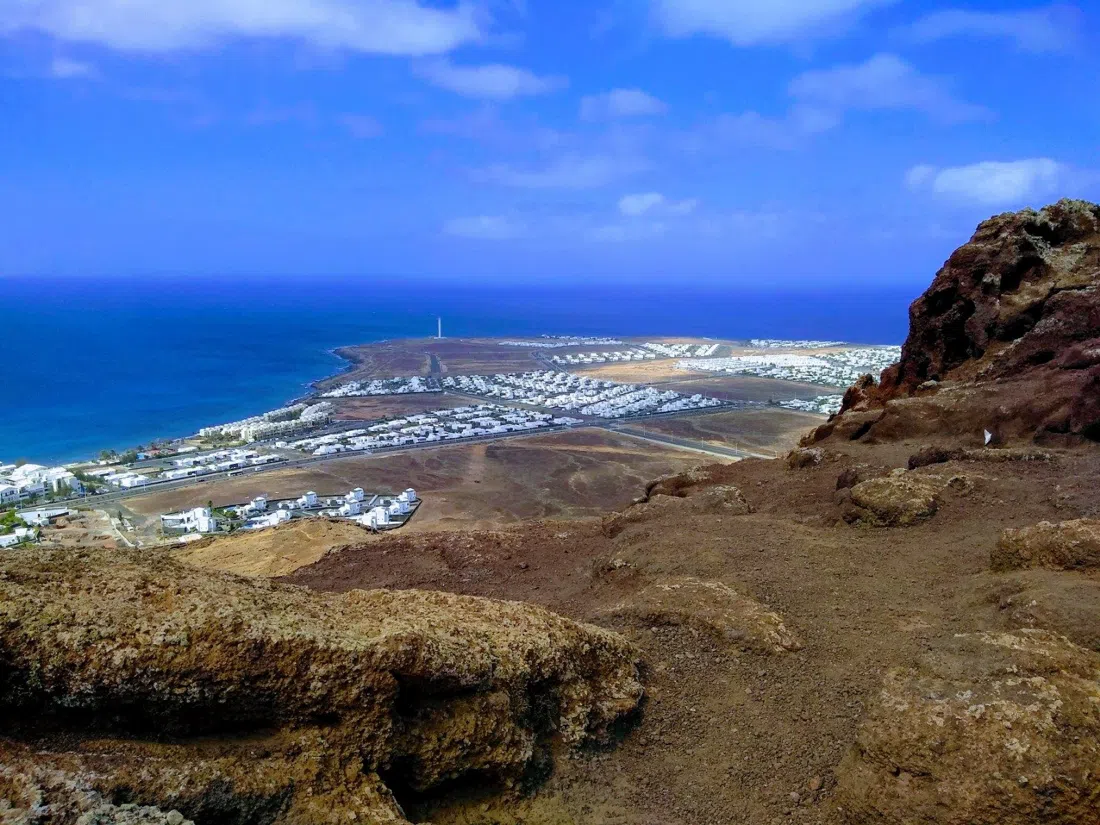
Montaña Roja is a rust-red cinder cone standing over the white sprawl of Playa Blanca, its crater rim 350m wide and walkable all the way round on loose dark scree. One small shrub patch grows on the crater floor. The circuit is 3km and takes 1 to 1.5 hours, and the 360° view takes in Timanfaya, El Golfo, Fuerteventura and the Papagayo coastline. Street parking on Calle España is free and the climb is unticketed. The rim and the crater descent are steep and loose, and flip-flops and small children do badly on them. Walk it before you drive the piste and the rest of the coast makes sense.
Balcón de Femés is the high northern balcony of the same Los Ajaches massif the coves sit in, a railed terrace on the ridge of a whitewashed hilltop village looking straight down the Rubicón plain to Playa Blanca, Montaña Roja and the sea. The twin-belled church of San Marcial de Rubicón stands behind it. The viewpoint is free and the roadside parking is limited. A Canarian lunch in the village runs 12 € to 20 €, and the restaurants are small enough that a group should phone ahead. On a clear day Fuerteventura is in view.

Best time to go
Go before 10:00 or after 17:00. The hours when the launches are moored off Papagayo are the busiest stretch of its day, and the car park at the piste end has usually filled before them. The late slot also catches the cliff shade at Caleta del Congrio, which arrives from 16:00.
The catamaran trips out to the coves run seven days a week, Monday to Sunday. Departures on 3 November 2026 and 23 December 2026 are already fully sold out and other dates are still bookable, so fixed dates are worth booking ahead.
Who the coves suit
The coves suit a visitor who will plan around the gate and carry their own water and closed shoes. A driver who arrives at midday with nothing packed finds a full car park and a shadeless cove.
Before you go
The gate booth takes cards only, Casa El Barba takes no bookings, and the campsite sells pitches only inside its 2026 season. Confirm the vehicle cap and any Papagayo boat stop before you drive or sail.
See the Lanzarote guide and the Lanzarote hotel search.